
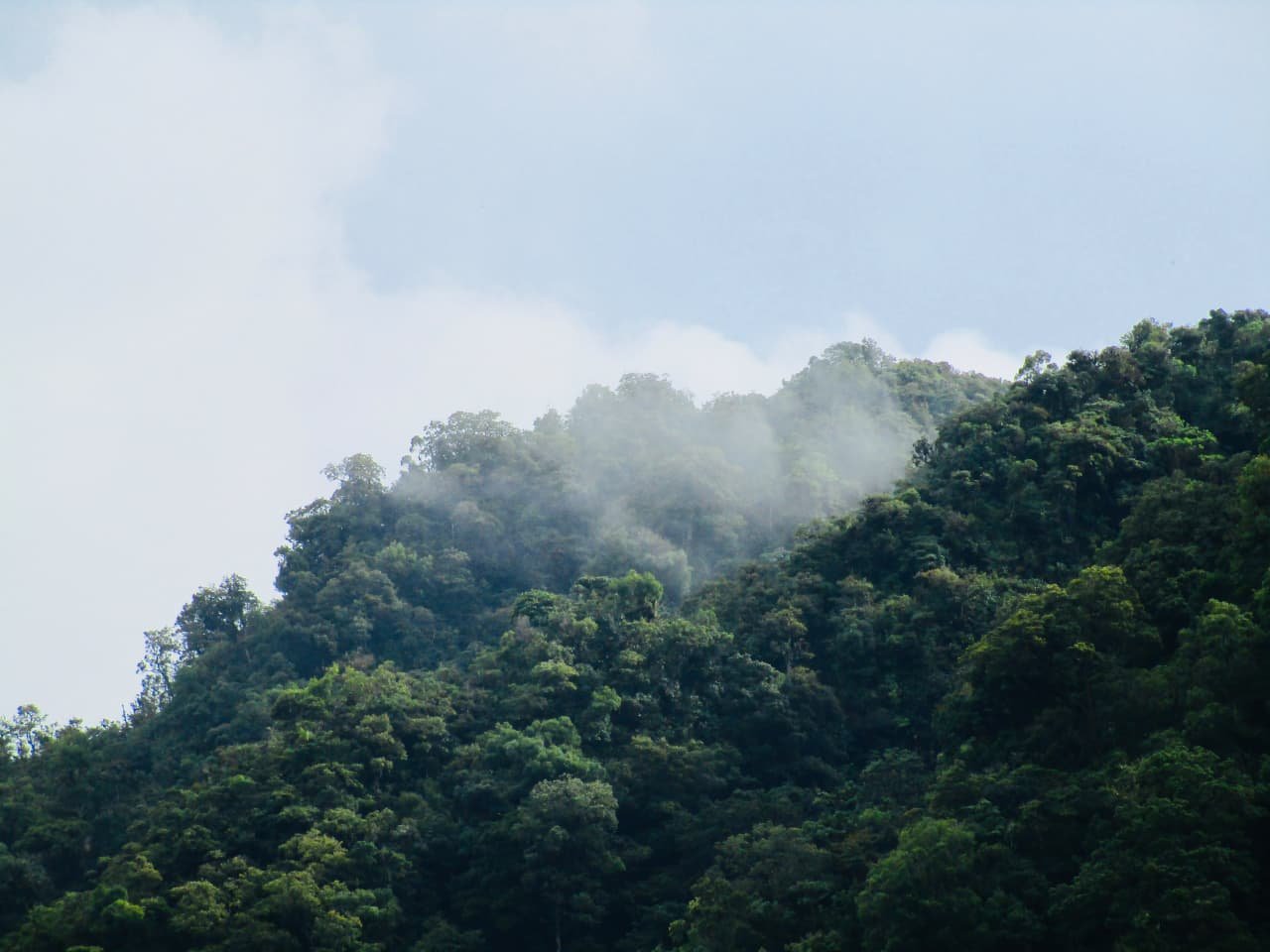
One of the most common questions travelers ask before visiting Bocas del Toro is surprisingly simple: Do I actually need to take malaria pills? The answer is a little more complicated than a simple yes or no. Bocas del Toro is a tropical Caribbean paradise, but it is also one of the areas of Panama where malaria transmission occurs. The important thing is understanding the difference between there being a malaria risk and every traveler necessarily needing medication.
As of the current CDC guidance, Bocas del Toro Province is considered a malaria transmission area, along with several other provinces and Indigenous territories in Panama. The CDC specifically lists Bocas del Toro among the areas where travelers should discuss prescription malaria prevention with a healthcare professional. Panama's malaria is predominantly caused by Plasmodium vivax, with the CDC listing approximately 97% of cases as P. vivax and 3% as P. falciparum.
That doesn't mean you should panic about visiting Bocas. Far from it. Thousands of people visit the islands every year, and malaria isn't something that should prevent you from enjoying the Caribbean. It simply means that mosquito precautions are important, and depending on your itinerary and personal circumstances, a doctor may recommend preventive medication.
So, do tourists usually need malaria pills?
This is where things get interesting. The CDC does not treat all travel to Panama as having the same malaria risk. Panama City and the Canal Zone have no malaria transmission, while Bocas del Toro is specifically classified as an area where transmission occurs. For travelers going to Bocas, the CDC lists several possible preventive medications, including atovaquone-proguanil, chloroquine, doxycycline, mefloquine, primaquine and tafenoquine.
However, choosing whether to take one isn't something you should decide simply by asking whether Bocas "has malaria." A travel-medicine professional considers things such as where you are staying, how long you will be there, whether you will spend significant time in rural or forested areas, the time of year, your activities and your own medical history. The CDC specifically recommends discussing which medication is appropriate with a doctor rather than simply choosing one yourself.
This is especially relevant because Bocas isn't one single environment. Someone staying in a hotel in Bocas Town and spending most of the trip around developed areas has a different exposure pattern from someone camping, hiking through forest, visiting remote communities or spending nights in accommodations without good mosquito protection.
Bocas is tropical, but malaria isn't everywhere
One of the biggest misconceptions is that if malaria exists somewhere in a tropical country, you're constantly surrounded by mosquitoes carrying malaria. That's not how it works.
Malaria transmission depends on the presence of particular mosquito species, infected people and suitable environmental conditions. Even within a province where malaria occurs, the actual risk can vary considerably from place to place.
Bocas del Toro has a mixture of towns, islands, beaches, rainforest, farms, wetlands and rural communities. Some travelers may spend nearly their entire vacation around developed tourist areas, while others may spend much of their time in very remote environments.
That's why it makes more sense to think of malaria as a risk that needs to be managed, rather than something that should dominate your vacation.
The mosquito is the real problem
Malaria isn't spread simply by being near someone who has malaria. It is transmitted through the bite of an infected Anopheles mosquito.
That makes mosquito avoidance extremely important, whether or not you take preventive medication.
Use insect repellent, particularly in the evening and at night. Wear long sleeves and longer pants when practical, especially if you're going into forest or rural areas. Air-conditioned or screened accommodation provides additional protection, and sleeping under a mosquito net can be particularly useful where screens or air conditioning aren't available.
This is important because malaria isn't the only mosquito-borne illness travelers can encounter in Panama. Preventing mosquito bites is therefore useful even if a traveler and doctor decide that malaria medication isn't necessary.
What makes Bocas different from Panama City?
This is one of the easiest ways to understand the issue.
If you're staying in Panama City, malaria isn't considered a transmission risk by the CDC. Bocas del Toro, however, is specifically listed as a malaria-risk province.
So someone spending five days in Panama City has a very different malaria situation from someone spending five days exploring the rainforest around Bocas.
This distinction is important for travelers who combine destinations. A typical itinerary might be Panama City → Bocas del Toro → Boquete → Panama City. In that situation, the Bocas portion is the part of the itinerary that deserves particular attention when discussing malaria prevention.
Interestingly, the CDC also lists Chiriquí as a malaria-risk province, meaning travelers heading from Bocas toward places such as David or Boquete should consider their complete itinerary rather than assuming that leaving Bocas eliminates the issue.
What about a short vacation?
This is where travelers often get confused.
A three-day trip to Bocas isn't automatically "safe," and a three-month trip isn't automatically "dangerous." Duration is one factor among several.
For a short trip, a doctor may weigh the relatively limited exposure time against the potential consequences of malaria and the side effects or contraindications of the available medications. For longer stays or people spending considerable time in rural environments, the balance may be different.
There is no universal answer that applies to every traveler.
That's why the best advice is to tell a travel-health professional exactly what you're doing in Bocas, rather than simply saying, "I'm going to Panama."
Tell them whether you're staying in Bocas Town, visiting Bastimentos, taking boat trips to remote islands, hiking in rainforest, camping, staying in basic accommodation or traveling onward through other malaria-risk areas.
What malaria pills are used?
The CDC currently lists several options for Bocas del Toro, including atovaquone-proguanil, chloroquine, doxycycline, mefloquine, primaquine and tafenoquine.
That doesn't mean all of these are equally suitable for everyone. The choice depends on factors such as your medical history, other medications, pregnancy status where relevant, kidney function and other considerations. Some medications also have particular side effects or restrictions.
Another important point is that some malaria medications need to be started before entering the malaria-risk area, while others have different schedules. The CDC specifically advises travelers to obtain their prescription before traveling and to follow their doctor's instructions regarding when to begin and stop the medication.
So this isn't a medication you should ideally buy at the last minute and figure out yourself.
What if you decide not to take malaria pills?
If you and your healthcare professional decide not to use preventive medication, that doesn't mean you should ignore malaria.
Mosquito protection becomes even more important.
Use repellent consistently, particularly around dusk and during nighttime. Keep doors and windows screened or closed where possible, use air conditioning if available and consider a mosquito net in basic accommodation. Long clothing can provide another layer of protection.
And remember that mosquito protection is useful throughout your trip, not just when you think you are near a malaria area.
The symptoms you should never ignore
The most important thing travelers need to understand is that malaria can become serious.
Fever is one of the major warning signs. Other symptoms can include chills, sweating, headache, muscle aches, weakness, nausea and other flu-like symptoms. Because these symptoms can resemble many other tropical illnesses, you cannot reliably diagnose malaria yourself.
If you develop a fever while in Bocas or after returning home, tell the healthcare provider that you have recently been in a malaria-risk area.
The CDC advises travelers who develop fever while in a malaria-risk area or after returning home to seek medical attention promptly and to tell the clinician about their travel history. It specifically notes that malaria can remain relevant for up to a year after travel.
That last point is important. You don't necessarily become sick immediately after being bitten.
Don't let malaria ruin Bocas
The possibility of malaria shouldn't scare people away from Bocas del Toro.
Bocas remains one of Panama's most spectacular destinations, with tropical islands, clear Caribbean water, rainforest, coral reefs and extraordinary wildlife. The important thing is simply to understand that beautiful tropical environments also come with tropical diseases, and sensible precautions are part of responsible travel.
Think of it the same way you think about sunscreen. You don't avoid the Caribbean because the sun can burn you. You protect yourself so you can enjoy it.
Mosquito repellent is simply another piece of your travel equipment.
The bottom line
If you're asking, "Does Bocas del Toro have malaria?", the answer is yes, malaria transmission occurs there. The current CDC guidance classifies Bocas del Toro as a malaria-risk area and lists prescription preventive options for travelers going there.
If you're asking, "Does every tourist absolutely need malaria pills?", the answer is not necessarily. The decision should be made with a healthcare professional based on your itinerary, activities, accommodation, length of stay and personal medical circumstances.
But regardless of whether you take medication, protect yourself from mosquito bites.
And if you develop a fever during or after your trip to Bocas, don't simply assume you've caught a common tropical bug. Tell the doctor that you've been in a malaria-risk area and get evaluated promptly.
For most visitors, this is simply another part of preparing intelligently for a tropical adventure. Once you've taken sensible precautions, you can get back to what you came to Bocas for: jumping into the warm Caribbean Sea, exploring jungle-covered islands, snorkeling over reefs and enjoying one of Panama's most spectacular corners.