
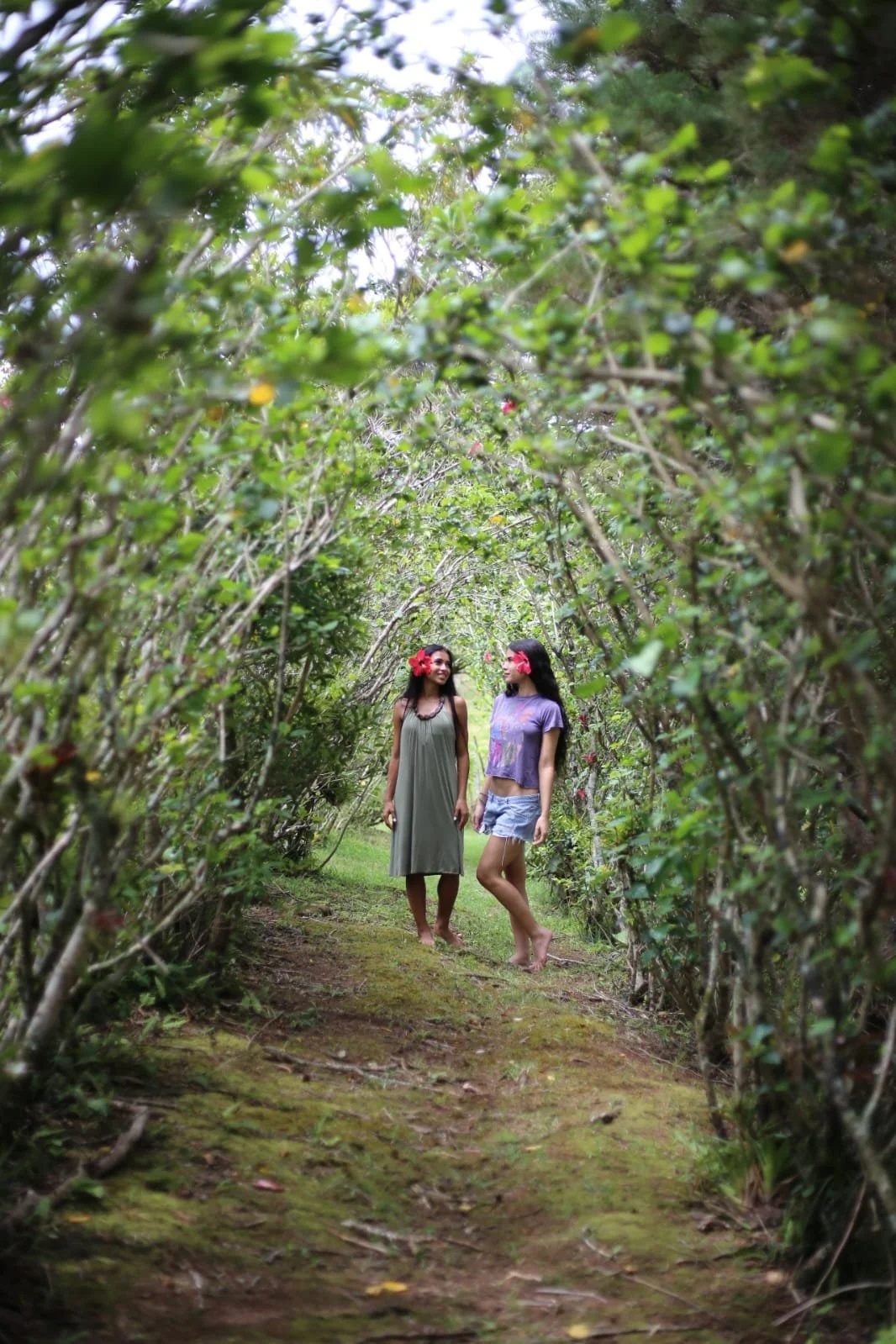
In Panama, turning 15 can be much more than an ordinary birthday. For many families, a girl’s fifteenth birthday, known as her quince años or quinceañera, is a major milestone. It celebrates her transition from childhood into a new stage of life and brings together family and friends for a celebration filled with music, dancing, beautiful clothing, food, and meaningful family traditions.
The Beautiful Dress
One of the most recognizable parts of a quinceañera celebration is the dress. Traditionally, the birthday girl wears an elegant, elaborate gown, often resembling a princess dress. It may have a large skirt, sparkling details, embroidery, flowers, or other decorations.
Choosing the dress can become an important family event. The quinceañera usually has a major say in the color and style, along with her hairstyle, shoes, jewelry, and other accessories.
The Crown or Tiara
The crown or tiara symbolizes the importance of the young woman on her special day. In some families, her mother or another close family member places the crown on her during the celebration.
It is a beautiful symbolic moment, representing the beginning of a new chapter in her life.
The Change of Shoes
One of the most symbolic traditions is the change from flat shoes to high heels.
The girl may begin the celebration wearing flats or even sneakers. During the ceremony, her father, brother, or another important family member replaces them with elegant high heels.
The change represents her transition from childhood into young adulthood.
Afterward, she may share her first formal dance with her father, creating one of the most emotional moments of the evening.
The Father Daughter Dance
The father daughter dance is one of the most memorable traditions.
The quinceañera and her father traditionally dance together while family and friends watch. In some celebrations, she then dances with other important people in her life, including her grandfather, brothers, godfather, or close friends.
Modern quinceañeras may also turn this into an elaborate choreographed performance, mixing a traditional waltz with salsa, reggaeton, pop, or other music.
Fifteen Roses
Another beautiful tradition is the presentation of 15 roses, representing each year of the girl's life.
The roses may be presented by family members, friends, or members of her court. In some families, the roses are eventually given to the mother as a gesture of appreciation for everything she has done for her daughter.
Fifteen Candles
The 15 candles are another deeply meaningful part of the celebration.
The quinceañera chooses 15 people who have played an important role in her life. They may be parents, grandparents, siblings, relatives, or close friends.
Each person receives a candle, and sometimes they are invited to say a few words to the birthday girl. This can become an incredibly emotional part of the evening because it gives the people closest to her an opportunity to share memories, love, and advice.
The Last Doll
One of the most symbolic traditions is the last doll.
The father may give his daughter a doll during the celebration. Traditionally, it represents her final childhood toy and symbolizes leaving one stage of life behind.
Sometimes the quinceañera gives the doll to a younger sister, cousin, or another child, representing the passing of childhood to the next generation.
A Special Ring or Piece of Jewelry
Parents may also give their daughter a ring, necklace, bracelet, medal, or another special piece of jewelry.
The jewelry serves as a lasting reminder of her fifteenth birthday and the love and support of her family.
A Religious Celebration
For Catholic families, the quinceañera may begin with a special Mass or religious blessing.
The family gives thanks for the girl's first 15 years and asks for blessings for the years ahead. Not every family includes this part, however, as modern Panamanian families celebrate their quinceañeras in many different ways.
Speeches From the Family
During the party, parents and other relatives often have an opportunity to speak.
The father or mother might tell stories about their daughter growing up, remember funny or touching moments, and offer advice for the future.
The quinceañera may also give a speech thanking her parents, grandparents, relatives, and friends.
For many families, this is the moment when the celebration becomes much more than a party. It becomes a celebration of the family's journey together.
Then Comes the Party!
After the formal traditions, the celebration really gets going.
There may be a DJ, live music, dancing, elaborate decorations, professional photography, videos, special lighting, enormous cakes, desserts, and plenty of food.
Some quinceañeras spend months practicing special dance routines with their friends. Others choose a particular theme based on their personality, favorite colors, hobbies, travel dreams, or interests.
And in Panama, where dancing and music are such an important part of social life, the party can continue well into the night.
The Modern Panamanian Quinceañera
What makes quinceañeras in Panama particularly interesting is that there is no single way to celebrate them.
Some families follow nearly every traditional ritual. Others keep only the dress, family ceremony, and party. Younger generations may completely reinvent the celebration.
Some girls prefer a huge formal event in a hotel or event center. Others choose a smaller gathering at home, in the countryside, or even by the beach.
Some families also choose a quinceañera trip instead of a large party, using the money for travel and creating memories somewhere special.
Ultimately, the quinceañera is about much more than a beautiful dress or an extravagant party. It is a moment when a Panamanian family gathers around a young woman and celebrates her childhood, her family, her friendships, and the beginning of a new chapter in her life.
That combination of family, tradition, music, dancing, emotion, and celebration makes the quinceañera one of the most fascinating coming of age traditions in Panama.