
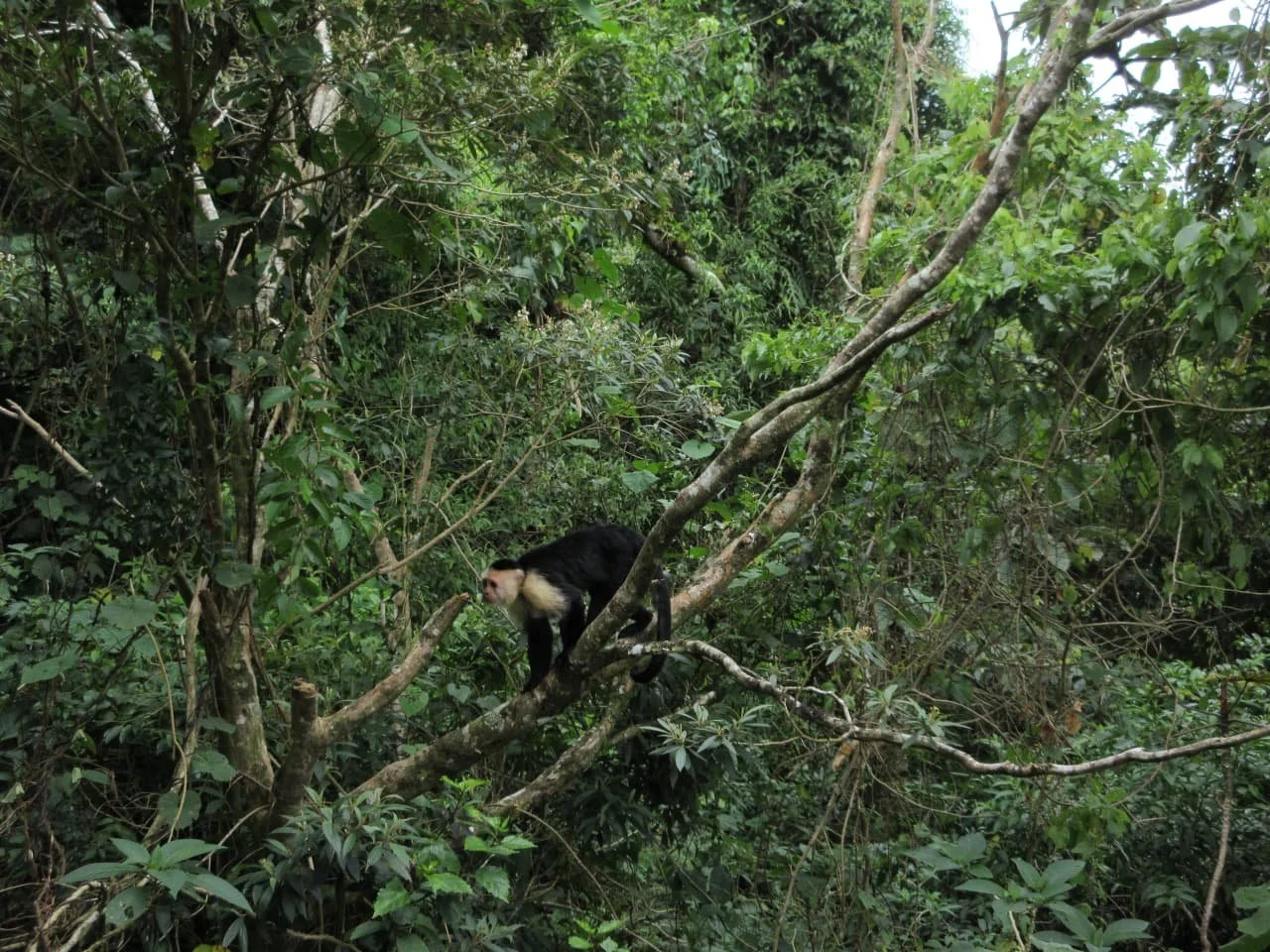
One of the great surprises about Panama City is that you can be surrounded by skyscrapers, traffic, shopping malls and enormous cruise ships one moment, and be standing in tropical rainforest a surprisingly short time later. Panama City is unusual in this respect. The jungle hasn't simply been pushed completely out of the metropolitan area. Large pieces of tropical forest remain protected right inside and around the city, creating some excellent opportunities for hiking and wildlife watching.
The two hikes visitors most often compare are Cerro Ancón and Metropolitan Natural Park. They are close to one another, but they provide quite different experiences. One is essentially a climb to a spectacular viewpoint; the other is much more about walking through a tropical forest ecosystem. Then, if you are willing to travel a little farther from the skyscrapers, the options become considerably more adventurous.
Cerro Ancón: the classic Panama City climb
Cerro Ancon Reserve is probably the most iconic urban hike in Panama City. The hill rises to roughly 200 metres and is heavily forested despite being surrounded by one of Central America's biggest cities. A large Panamanian flag at the summit makes the destination unmistakable.
The actual hike isn't a hardcore mountain expedition. The principal route is approximately 2 kilometres one way, with about 120 metres of elevation gain, and is generally considered an easy hike. Much of the climb follows a paved road winding upward through the forest.
And that is really the character of Ancón Hill: maximum scenery for relatively little effort.
You climb through tropical vegetation while the noise of the city gradually disappears behind you. Along the way there can be opportunities to see sloths, agoutis, monkeys, armadillos, birds and other wildlife. The hill has been described as a sort of forest island within the urban landscape.
But the big attraction is the view.
At the top, Panama City opens up below you. You can look across the modern skyline, toward the Pacific, the port areas and the Canal Zone. On a clear day, it gives you a remarkably good geographical understanding of the capital. Instead of simply seeing skyscrapers from street level, you suddenly understand how the city, forest, water and Canal fit together.
That makes Ancón particularly good for a traveller who has only a short amount of time. You can combine it with Casco Viejo, the Canal-related sights or other attractions and still get a genuine taste of tropical hiking.
It is also a good hike for people who don't consider themselves serious hikers. You don't need hiking boots or a full day of preparation. Comfortable shoes, water and protection from Panama's sun and humidity are much more important.
Parque Natural Metropolitano: less about the summit, more about the jungle
Now compare that with Metropolitan National Park.
This is where the difference becomes obvious.
Parque Natural Metropolitano feels more like an actual jungle hike. Instead of simply following a road uphill to one famous summit, you have a network of trails passing through protected tropical forest. The park has several viewpoints, including Cerro Cedro, which stands at about 160 metres above sea level and provides views toward Panama City, the Canal and surrounding protected areas.
The park's current trail hours are listed as 7:00 a.m. to 4:30 p.m.
There are easier walks if you simply want to wander through the forest, including the roughly 1 kilometre Momótides Trail. There are also more demanding routes involving climbs toward the viewpoints.
This is where Metropolitano becomes particularly interesting for wildlife lovers.
You aren't just walking uphill to see the city. You're walking through habitat. Keep your eyes in the canopy, look carefully along tree trunks and listen for movement. Toucans, parrots, motmots, hummingbirds, monkeys, sloths, agoutis, butterflies and countless smaller creatures can make an appearance. Obviously, wildlife is wildlife and there are no guarantees, but the park's forest environment gives you more of that feeling of actually being inside a tropical ecosystem.
The park itself lists several viewpoints, including Los Trinos and Los Caobos, in addition to Cerro Cedro.
So the fundamental difference is quite simple.
Ancón is about the city and the view. Metropolitano is about the forest and the wildlife, with a good city view thrown in.
Which one feels more like a hike?
If you enjoy the physical experience of walking through forest, Metropolitano generally gives you more of what people imagine when they hear the word "hiking."
Ancón is more of a beautiful urban climb.
You walk uphill, get increasingly good views, reach the summit, take photographs and walk back down.
Metropolitano is more of an urban rainforest exploration.
You can choose different trails, spend considerably longer wandering around, stop to look for birds and mammals, and make the hike as short or long as you want within the park's trail system.
That distinction is useful because somebody looking for "a hike" might be disappointed if they expect Ancón to be a wilderness trail. Conversely, someone with only an hour before lunch might find Metropolitano unnecessarily complicated when Ancón gives them an excellent nature experience much faster.
And then there is the Canal rainforest
If you want to step things up considerably, leave the immediate city behind and head toward Parque Nacional Soberanía.
This is where Panama City starts becoming genuinely wild.
The famous Pipeline Road is one of the area's best known hiking and birdwatching routes. Panama's tourism authority lists the Pipeline Road among the major trails around the capital, along with the Camino de Cruces, El Charco and Plantation Trail.
Pipeline Road is particularly famous among birdwatchers because the forests around the Canal contain an extraordinary concentration of tropical birdlife. You aren't simply walking through a landscaped city park anymore. You are entering one of the great rainforest areas associated with the Panama Canal watershed.
For somebody who loves wildlife, this is a completely different experience from Ancón.
Camino de Cruces: hiking with a history lesson
Another fascinating option is Parque Nacional Camino de Cruces.
This isn't just a rainforest hike. You're walking along the remains of a historic route that was used during the colonial period to move goods across the isthmus between the Pacific and Caribbean worlds.
The tourism authority describes the Camino de Cruces trail as roughly 8 to 14 kilometres point to point and moderately challenging, with the hike taking more than three hours. The terrain can become wet and slippery during rainy periods, and there are limited facilities, so this is a more serious outing than Ancón or the easier Metropolitano trails.
What makes it special is the combination of jungle and history. You aren't simply looking at trees. You're following a route that existed centuries before Panama City became the modern metropolis visible today.
El Charco: rainforest without committing your entire day
For something more relaxed, El Charco in the Soberanía area provides another option. It is included by Panama's tourism authority among the accessible hiking and nature experiences around the capital.
This is a good reminder that Panama City hiking doesn't have to mean choosing between a 30 minute urban climb and an exhausting jungle expedition. There are intermediate possibilities.
Plantation Trail
The Plantation Trail is another Soberanía option and gives you a longer rainforest experience. Panama's tourism information describes it as a hike of more than three hours and approximately 11 to 13 kilometres round trip.
This is much more appropriate for somebody who actually wants to dedicate a substantial part of the day to walking through rainforest rather than simply squeezing some exercise into a sightseeing itinerary.
Cerro Jefe: a completely different Panama
If you are prepared to go farther from central Panama City, Cerro Jefe changes the experience again.
Cerro Jefe is considerably higher than the little hills inside the city and has a cooler, cloudier environment. Panama's tourism authority highlights it as a hiking destination with a rich variety of flora and fauna.
This is where you start getting away from the classic hot, humid lowland rainforest experience and into something that feels much more mountainous.
The really interesting thing about Panama City hiking
What makes Panama City unusual isn't that it has one spectacular hike.
It is that you have layers of nature.
You can start with a 30 to 90 minute climb up Ancón and look down at skyscrapers.
You can spend a couple of hours wandering the forest trails of Metropolitano.
You can then travel toward the Canal and spend several hours walking through genuine rainforest on Pipeline Road, Camino de Cruces or Plantation Trail.
And if you want something more mountainous, you can continue outward toward Cerro Jefe.
In other words, you don't have to choose between city and jungle in Panama City. The two are almost ridiculously close together.
A simple way to choose
Cerro Ancón: Go here if you want the iconic Panama City view, a relatively easy climb, some wildlife possibilities and something you can fit into a busy sightseeing day.
Parque Natural Metropolitano: Go here if you want a proper urban rainforest walk, more trail choices and a stronger emphasis on wildlife and birdwatching.
Pipeline Road: Go here if wildlife and birds are the main reason you're hiking.
Camino de Cruces: Go here if you want rainforest mixed with fascinating colonial history.
Plantation Trail: Go here if you want a longer rainforest hike.
Cerro Jefe: Go here if you're looking for a more mountainous and cooler environment.
And there is one final advantage to hiking around Panama City: you don't necessarily need to be an experienced jungle trekker to experience some spectacular nature. Even Ancón and Metropolitano can give a first-time visitor a taste of the extraordinary biological world that surrounds the capital.
For a backpacker with only a couple of days in Panama City, Ancón is an easy way to get that dramatic viewpoint. For somebody who has more time and genuinely loves hiking, Metropolitano is more rewarding to explore slowly. And for the traveller who thinks, "I came all the way to Panama, I want REAL jungle," the Canal area is where things get much more serious.
The beauty of Panama City is that all three versions are available.