
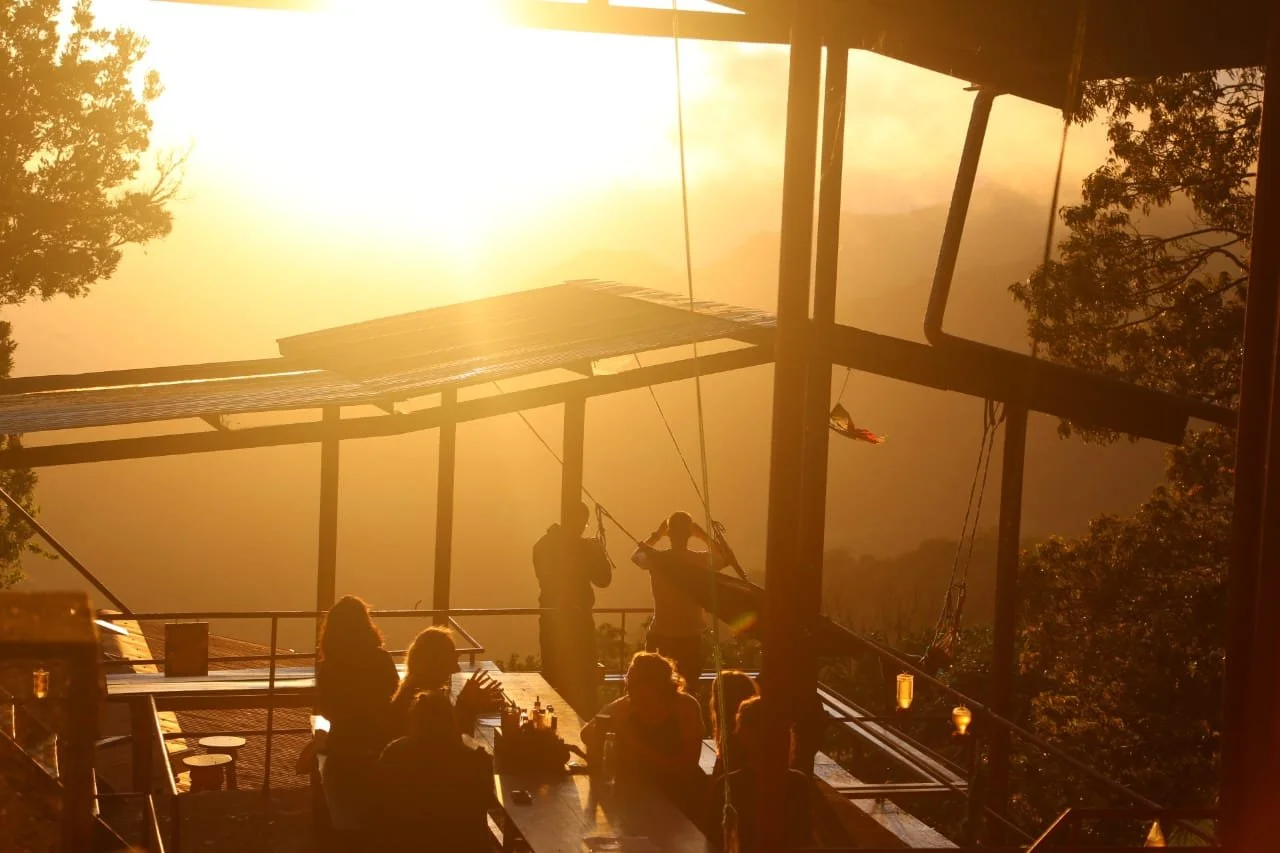
Panama is one of the most fascinating countries in Central America, offering everything from tropical islands and pristine beaches to lush rainforests, mountain villages, and a modern capital city. It is a country where you can spend the morning exploring a bustling city, the afternoon swimming in the Caribbean Sea, and the evening listening to the sounds of the jungle. For backpackers, nature lovers, and travelers looking for something a little different, Panama has an incredible amount to offer. But one question almost every traveler asks before arriving is simple: Is Panama safe?
The short answer is that millions of people visit Panama without experiencing serious problems, and many travelers find it a welcoming and enjoyable destination. However, like anywhere in the world, safety depends on where you go, how you travel, and the precautions you take. Panama has areas with significant crime, remote regions where medical assistance can be difficult to access, and natural hazards that are worth understanding before setting off on an adventure. The good news is that with a little common sense and some basic preparation, you can enjoy much of what makes Panama special while reducing unnecessary risks.
Safety in Panama City
Panama City is the country's largest urban center and the starting point for many international visitors. It is a fascinating place where modern skyscrapers stand alongside historic neighborhoods, traditional markets, and lively local communities. Like other major cities, however, it has areas where travelers should be more cautious.
Popular visitor areas such as Casco Viejo, the Cinta Costera, and many of the city's main commercial districts attract tourists, restaurants, and hotels. These areas are generally well traveled, but petty theft and opportunistic crime can still occur. Keeping your phone secure, avoiding displaying expensive jewelry, and being aware of your surroundings are sensible precautions.
Some neighborhoods have higher levels of violent crime and are best avoided by visitors, particularly if you are unfamiliar with the city. Certain parts of El Chorrillo, Curundú, and areas around San Miguelito can require extra caution, although safety conditions vary considerably from one neighborhood to another. It is always worth asking your accommodation for current local advice rather than relying entirely on general descriptions of entire districts.
At night, stick to well traveled streets, use reputable transportation, and avoid wandering into unfamiliar neighborhoods simply because they appear close on a map. Panama City has a lively nightlife scene, but the same precautions you would take in any large city apply here.
Is Panama Safe for Backpackers?
Panama is a popular destination for backpackers traveling through Central America, and it offers an appealing mix of affordable transportation, social hostels, outdoor adventures, and opportunities to meet other travelers.
Many backpackers travel between Panama City, Santa Catalina, Boquete, Bocas del Toro, and other destinations without encountering serious safety problems. Hostels can be useful places to meet fellow travelers, exchange information, and find out about local conditions before heading somewhere new.
One of the most important things to remember is that backpacking often involves carrying everything you own in a single bag. Keep your passport, cash, bank cards, and electronics secure, and use lockers whenever they are available. Avoid leaving valuables unattended in shared dormitories, on beaches, or in public transportation.
Traveling with other people can be helpful in unfamiliar places, especially when exploring at night or heading to remote attractions. That said, solo travelers can also enjoy Panama by choosing suitable accommodation, planning transportation carefully, and staying connected with someone they trust.
For backpackers who love nature, Panama's mountain regions and jungle destinations offer a completely different experience from the capital. In places such as Boquete and the Fortuna Forest Reserve, the main safety considerations often involve weather, terrain, wildlife, and access to help rather than the same concerns you might have in a large city.
Crime and Theft: What Should Travelers Watch Out For?
Petty theft is one of the most common concerns for travelers in Panama. Pickpocketing, bag snatching, and theft from unattended belongings can happen in busy public areas, transportation hubs, markets, and crowded events.
A few simple habits can make a difference. Keep your phone and wallet somewhere secure, avoid carrying more cash than you need, and do not leave bags hanging over the back of a chair in a restaurant. If you are sitting at a café or waiting at a bus terminal, keep your belongings within sight and reach.
Rental cars can also attract thieves, particularly when bags, electronics, or other valuables are visible inside. Never leave important belongings in an unattended vehicle, even if you are only stepping away for a few minutes.
More serious crimes, including robbery and assault, occur in Panama as well. Travelers should be particularly cautious in unfamiliar areas at night and avoid situations where they could become isolated or vulnerable. If someone attempts to rob you, prioritize your safety rather than trying to protect your possessions.
It is also worth being careful when meeting strangers through dating apps or social media, especially if the meeting involves an unfamiliar location, alcohol, or someone pressuring you to share personal information.
Is Public Transportation Safe in Panama?
Public transportation is an important part of everyday life in Panama, and many visitors use buses, the Metro, taxis, and long distance coaches to travel around the country.
Panama City's Metro is a convenient way to move around many parts of the capital. As with any busy public transportation system, keep your belongings secure and remain aware of your surroundings, particularly during crowded periods.
Long distance buses connect Panama City with destinations such as David, making it possible to travel across much of the country without renting a car. These buses are widely used by locals and visitors alike. When traveling overnight, keep valuables close and avoid placing important documents or electronics in luggage that you cannot access.
In smaller towns and rural areas, local buses and shared transportation can be practical and affordable. However, schedules may be less frequent, and services may stop relatively early in the evening.
If you are unfamiliar with a route, ask your accommodation about the latest departure times and where to catch the bus. Planning ahead is particularly important when traveling to mountain or jungle destinations, where missing the last bus can leave you with limited options.
Is It Safe to Take Taxis and Ride Sharing Services?
Getting around by taxi or ride sharing service is common in Panama, particularly in Panama City and other urban areas.
When possible, use a reputable ride sharing app or arrange transportation through your accommodation. If you take a traditional taxi, agree on the fare before beginning the journey if the price is not clearly established.
Avoid getting into vehicles with strangers who approach you at airports, bus stations, or nightlife areas offering unusually cheap rides. It is also sensible to check that the vehicle and driver match the details provided by your ride sharing app.
For longer journeys, private transfers can be convenient, particularly if you are traveling with luggage or arriving late at night. However, the cost can be considerably higher than public transportation.
Safety on Panama's Beaches and Islands
Panama has some extraordinary beaches, from the Caribbean islands of Bocas del Toro and Guna Yala to the Pacific coastline around Santa Catalina and Playa Venao. But beautiful tropical water can hide dangers that are easy to underestimate.
Strong currents, rip tides, waves, and changing tides can make certain beaches dangerous for swimming, even when the water looks calm. Some beaches do not have lifeguards, and rescue services may be limited.
Before swimming, ask locals about the conditions and avoid entering the water if there are strong currents or dangerous surf. If you are not a confident swimmer, stay in shallow water and choose beaches with calmer conditions.
Boat travel is another important consideration. Panama's islands are often reached by small boats, and weather conditions can change quickly. Use reputable operators, pay attention to safety instructions, and make sure life jackets are available.
If you are visiting remote islands, bring enough drinking water, sunscreen, and any essential medication. Some islands have limited shops, medical facilities, and reliable communication.
Wildlife Safety: What to Know About Panama's Jungle
One of the biggest attractions of Panama is its extraordinary wildlife. The country is home to monkeys, sloths, toucans, snakes, frogs, spiders, and countless other species. For nature lovers, seeing these animals in their natural environment can be one of the highlights of a trip.
Most wild animals will generally avoid people when given the opportunity, but that does not mean every encounter is harmless. Monkeys may bite or scratch if they feel threatened, especially if people attempt to feed or touch them. Never approach wildlife to take a photograph, and avoid feeding animals, as this can change their behavior and create dangerous situations.
Snakes are another reason to pay attention when hiking through forests. Most snakes will try to avoid humans, but accidental encounters can happen. Stay on established trails where possible, watch where you place your hands and feet, and never attempt to handle a snake.
Spiders, scorpions, centipedes, and other small creatures are also part of life in the tropics. Shake out shoes and clothing that have been left outside, use a flashlight at night, and avoid reaching into dark spaces without checking first.
Mosquitoes and ticks can transmit diseases, so insect repellent, appropriate clothing, and checking your skin after spending time outdoors are sensible precautions.
The key to enjoying Panama's wildlife is to observe it respectfully and give animals plenty of space.
Hiking and Exploring Remote Areas
Panama is an incredible destination for hikers, with cloud forests, mountain trails, waterfalls, and dense tropical jungle. But exploring these environments requires a little more preparation than walking around a city.
Weather conditions can change quickly in the mountains, and heavy rain can make trails slippery, muddy, and difficult to navigate. Rivers and streams can rise rapidly during periods of intense rainfall, making some crossings dangerous.
Before heading out, check the weather forecast, tell someone where you are going, and make sure you have enough water, food, and appropriate footwear. Carry a charged phone, but do not assume you will have a reliable signal in remote areas.
For difficult or unfamiliar routes, consider hiring a knowledgeable local guide. Some trails are poorly marked, and getting lost in dense forest can become a serious problem.
If you are hiking around Boquete, Volcán Barú, or the Fortuna Forest Reserve, remember that temperatures can be much cooler than in the lowlands, especially at higher elevations and after sunset. Bring suitable clothing and prepare for changing conditions.
Waterfalls and natural swimming holes can also be hazardous. Rocks may be slippery, water can be deeper than it appears, and flash flooding can occur during heavy rain. Always assess conditions carefully before entering the water.
Driving in Panama
Driving in Panama can be a convenient way to explore the country, particularly if you want to visit remote beaches, mountain villages, or attractions that are difficult to reach by public transportation.
However, road conditions vary significantly. Major highways are generally more developed than rural roads, where potholes, poor lighting, sharp bends, and uneven surfaces can make driving more challenging.
Traffic in Panama City can be congested, and local driving habits may take some getting used to. Motorcycles, pedestrians, buses, and vehicles changing lanes unexpectedly require constant attention.
If you are driving outside the capital, be particularly cautious after dark. Roads may be poorly lit, and pedestrians, animals, or unexpected obstacles can be difficult to see.
During the rainy season, heavy downpours can reduce visibility and cause flooding. Allow extra time for journeys and avoid attempting to cross flooded roads.
If you rent a vehicle, make sure you understand the insurance coverage, inspect the car before leaving, and keep your valuables out of sight.
Food and Drinking Water Safety
Food is one of the great pleasures of traveling through Panama, from traditional fondas serving inexpensive local meals to seafood restaurants, markets, and tropical fruit stands.
Most travelers can enjoy local food without major problems, but basic food hygiene is worth keeping in mind. Choose places where food is freshly prepared and served hot, and be cautious with food that has been sitting unrefrigerated for long periods.
Tap water is generally considered safe to drink in many urban areas of Panama, including much of Panama City, but water quality can vary by region and local infrastructure. In rural communities, on islands, and in remote areas, it is often safer to use bottled, properly filtered, or otherwise treated water unless you have reliable confirmation that the local supply is potable.
If you have a sensitive stomach, take extra care with raw foods, ice, and unpeeled fruit when you are unsure about water quality.
Staying hydrated is particularly important in Panama's hot and humid climate. Carry water when exploring outdoors, and remember that heat exhaustion can develop quickly during strenuous activities.
Health and Medical Safety
Panama has both public and private healthcare facilities, with the largest concentration of hospitals and specialist services in Panama City. Medical care is more limited in remote areas, including some islands and rural mountain communities.
Before traveling, make sure you have suitable travel insurance that covers medical treatment and emergency evacuation if you plan to explore remote regions or participate in adventure activities.
Bring any prescription medication you need, along with a basic first aid kit containing essentials such as bandages, antiseptic, and any personal medications.
Mosquito borne illnesses are a consideration in Panama, and the risk can vary depending on the region and time of year. Use insect repellent, wear appropriate clothing, and seek medical advice about recommended vaccinations and preventive measures before traveling.
If you become seriously ill or injured in a remote area, access to medical assistance may take time. This is another reason to plan outdoor activities carefully and avoid taking unnecessary risks.
Is Panama Safe for Solo Travelers?
Panama can be an enjoyable destination for solo travelers, including people traveling independently for the first time.
Popular destinations such as Boquete, Bocas del Toro, and Panama City have established tourism infrastructure, accommodation options, and opportunities to meet other travelers. Staying in well reviewed accommodation and asking staff for local advice can make it easier to navigate unfamiliar surroundings.
Solo travelers should take particular care when arriving late at night, walking alone in unfamiliar areas, or accepting invitations from people they have just met.
If you are heading into the jungle, hiking remote trails, or visiting isolated beaches, let someone know your plans and consider joining other travelers or hiring a guide.
For women traveling alone, the same general precautions apply, with additional attention to unwanted attention, personal boundaries, and transportation at night. Experiences vary, and it is worth seeking recent advice from other travelers about specific destinations.
With thoughtful planning, solo travel can be a rewarding way to experience Panama's landscapes, culture, and welcoming communities.
Areas to Avoid and Places That Require Extra Caution
Most popular tourist destinations in Panama can be visited with sensible precautions, but there are areas where travelers should exercise additional care or avoid nonessential travel.
Some neighborhoods in Panama City and other urban areas experience higher levels of crime than the main tourist districts.
The Darién region, particularly areas near the Colombian border, presents serious security and logistical concerns. Travelers should avoid entering dangerous border areas and check current official travel advice before considering remote excursions.
Parts of the Mosquito Gulf and other isolated regions may also have limited infrastructure, difficult transport conditions, and restricted access to emergency services.
Conditions can change, so it is important to check current travel advisories and ask trusted local sources for advice before visiting unfamiliar areas.
Practical Safety Tips for Traveling in Panama
A few simple habits can make your trip more comfortable and reduce the likelihood of common problems.
* Keep your passport, cash, and bank cards secure.
* Avoid displaying expensive jewelry, phones, and cameras unnecessarily.
* Use reputable transportation and plan your journeys ahead of time.
* Avoid walking through unfamiliar neighborhoods late at night.
* Never leave valuables unattended on beaches or in vehicles.
* Use insect repellent and protect yourself from the tropical sun.
* Check weather conditions before hiking, swimming, or taking boat trips.
* Stay hydrated and carry enough drinking water for outdoor activities.
* Keep emergency contacts and travel insurance information accessible.
* Ask locals about current conditions rather than relying on outdated travel advice.
These precautions are not unique to Panama, but they can make a meaningful difference when traveling through a country with such varied landscapes and environments.
So, Is Panama Safe for Tourists?
Panama offers an extraordinary range of experiences, from exploring the historic streets of Casco Viejo to hiking through cloud forests, swimming in the Caribbean, and discovering wildlife in the jungle.
Like any destination, it has risks that should not be ignored. Crime in certain areas, challenging road conditions, tropical weather, and the realities of exploring remote environments all deserve consideration.
But safety is not just about avoiding crime. It is also about making sensible decisions, respecting nature, understanding local conditions, and preparing for the kind of adventure you are planning.
For travelers who take reasonable precautions, Panama can be a memorable and rewarding destination. Whether you are spending a few days in Panama City, backpacking across the country, or heading into the mountains to experience the rainforest, a little preparation can go a long way.
The best way to enjoy Panama is to stay aware, use common sense, respect the environment, and leave yourself plenty of room for adventure.