
What Are The Most Dangerous Snakes In Panama?

Panama is a lush tropical country where dense jungles, misty mountains, and mangroves create the perfect habitat for an incredible variety of wildlife—including some of the most dangerous snakes in Central America. While most visitors will never encounter one, snakes are an important part of Panama’s ecosystem, keeping rodent populations in check and maintaining balance in the food chain. Still, it pays to know which serpents to watch out for if you’re hiking, camping, or exploring the wilder parts of the country.

One of the most infamous snakes in Panama is the fer-de-lance, locally called nauyaca. This highly venomous pit viper is widespread throughout Central and South America, and it’s the snake responsible for the majority of bites in the region. It blends seamlessly with leaves and forest floor debris, making it hard to spot until it’s too late. Its venom is a potent mix of toxins that can cause extreme tissue damage, internal bleeding, and even death if not treated promptly with antivenom.

The Bushmaster, known as cascabel muda in Panama, is another heavyweight in the snake world. It is the largest venomous snake in the Western Hemisphere, sometimes reaching over 10 feet in length. Though rare and reclusive, its sheer size and the massive dose of venom it can deliver make it one of the most feared reptiles in the Americas. Bushmasters prefer remote, untouched rainforests, so seeing one is unusual, but for jungle explorers, the possibility is always there.

Another snake to be cautious of is the eyelash viper, a smaller but no less dangerous species. Named for its distinctive scale “lashes” above the eyes, this viper comes in a dazzling array of colors, from lime green to bright yellow. It often coils itself around low-hanging branches and waits for unsuspecting prey, which means hikers moving through dense vegetation may stumble dangerously close. Its venom can cause severe pain, swelling, and potential complications without treatment.

Panama is also home to several species of coral snakes, which are brightly colored with distinctive red, yellow, and black bands. While small and not aggressive, they possess some of the most powerful neurotoxic venom in the snake world. Their bite can cause paralysis and respiratory failure. The danger lies in confusing them with harmless lookalikes, like the false coral snake, which mimic their colors but pose no threat.

In coastal areas and river systems, one might also encounter sea snakes, which occasionally drift into Panamanian waters. Though not commonly seen by tourists, these snakes are among the most venomous in the world. Luckily, they are generally docile and rarely bite unless provoked. Still, for divers and fishermen, awareness is essential when entering their habitat.

While the thought of venomous snakes can be unsettling, it’s important to note that snake encounters in Panama are relatively rare. Most species avoid humans, striking only when threatened or stepped on. The majority of bites happen in rural farming communities where workers unknowingly disturb snakes in fields or forest edges. Travelers who stick to marked trails, wear boots, and carry a flashlight at night dramatically reduce their risk.

Ultimately, snakes in Panama are both fascinating and fearsome. They are survivors of millions of years of evolution, perfectly adapted to the country’s jungles and mountains. Respecting their space is the best way to stay safe. For adventurers exploring Panama’s wild side, learning about these reptiles adds both a layer of caution and a deeper appreciation for the incredible biodiversity that makes the country so unique.

Off the Beaten Path in Panama: Where Adventure Still Feels Untouched

When most travelers think of Panama, their minds jump to the Panama Canal, Casco Viejo, or Bocas del Toro. While these places are worth visiting, the real magic of Panama lies in the corners where few tourists wander. The country hides a network of secret trails, forgotten villages, wild coastlines, and national parks that still feel raw and untouched. Going off the beaten path in Panama isn’t just about finding quiet spots—it’s about stumbling into authentic stories, wildlife encounters, and genuine connections with locals who rarely see tourists.

One of the best examples of Panama’s hidden beauty is Santa Fe, a small mountain town tucked away in Veraguas province (like Boquete before it was Boquete). Unlike the better-known Boquete, Santa Fe has no tourist rush, yet it offers incredible hikes, waterfalls, and cloud forests that make you feel as if you’ve stumbled into a secret paradise. The surrounding hills are dotted with small farms and coffee plantations, and the trails often lead you to secluded swimming holes where the only sound is rushing water. Visiting Santa Fe is about simplicity and nature—two things that Panama still holds in abundance if you know where to look.

Not far from the main tourist trail lies Lost and Found Hostel, a jungle lodge perched high in the Fortuna Forest Reserve. This is no ordinary hostel—it feels like entering a different world. To get there, you hike up through misty jungle paths, and once inside, you’ll find treasure hunts, night safaris, and trails that lead to incredible viewpoints. But what makes it special is the social aspect: travelers bond over the shared adventure of being in such a remote, off-grid location. Lost and Found is the kind of place where you arrive as a stranger and leave with stories that stay with you for life.

Surrounding the hostel is the Palo Seco Protected Forest, a massive and little-visited reserve that acts as a buffer zone for the famous La Amistad International Park. Few people venture into Palo Seco, which means its wildlife thrives undisturbed. Jaguars, tapirs, and rare bird species call this forest home, and hiking its rugged trails feels like true exploration. Unlike more polished parks, Palo Seco doesn’t come with crowds or guides at every turn—it’s wild, raw, and secretive, making it one of Panama’s most underrated natural gems.

Speaking of La Amistad, the Amistad International Park near Cerro Punta is another destination far removed from Panama’s usual tourist circuit. Shared with Costa Rica, this UNESCO World Heritage site is vast and largely unexplored, offering dense highland forests, rushing rivers, and some of the most biodiverse ecosystems in Central America. The trails near Cerro Punta are among the best entry points, where you can hike into cool cloud forests, spot quetzals, and even encounter indigenous communities that still live traditionally. Visiting La Amistad is not about luxury but about reconnecting with nature at its purest.

For those who love the sea, Punta Burica is the definition of off the beaten path. This wild peninsula juts out at Panama’s southern border with Costa Rica, and getting there is half the adventure. Dirt roads, long walks, and sometimes even boat rides are part of the journey. But once you arrive, you’re rewarded with remote beaches, incredible surfing, and encounters with fishing families who live far from modern conveniences. Punta Burica feels like stepping back in time—a place where Panama’s coastline is still untouched, and where you might share a beach with monkeys, turtles, or dolphins rather than crowds of tourists.

Going off the beaten path in Panama also means crossing paths with wildlife that most visitors never see. From scarlet macaws flying over Palo Seco, to white-faced monkeys at Lost and Found, to sloths lazily hanging in Santa Fe’s forests, these moments feel earned because they happen far away from tourist hotspots. When you take the road less traveled, the jungle seems to reveal itself in ways that feel more personal and surprising.

Another reward of exploring Panama’s hidden corners is meeting authentic locals. In Santa Fe, families invite you to try homegrown coffee. In Punta Burica, fishermen might offer you a ride in their boat or share fresh-caught seafood. In Cerro Punta, farmers proudly explain the unique highland crops that sustain their communities. These encounters aren’t staged or tourist-driven; they’re genuine moments of connection that give depth to your travels.

Stories are born on the margins, and Panama’s off the beaten path locations are perfect story-making landscapes. Whether it’s getting caught in a jungle storm at Palo Seco, swapping travel tips over a local beerat Lost and Found, or watching the sun rise over the Pacific at Punta Burica, these moments become the highlights of a trip. They are unpredictable, unscripted, and unforgettable—exactly what adventure should be.

In the end, going off the beaten path in Panama is less about escaping other tourists and more about rediscovering what travel is meant to feel like. It’s about challenge, surprise, and connection. The popular destinations may shine in guidebooks, but it’s the hidden trails, remote villages, and secret parks that carry the soul of Panama. If you’re ready to trade convenience for authenticity, Panama still has wild places waiting to be explored.

The Perfect Visa Run Stop: Why the Lost and Found Hostel is Ideal for Border Runs from Costa Rica

Unlike many basic accommodations near the border, the Lost and Found Hostel isn’t just a place to sleep—it’s a destination in itself. Nestled high in the cloud forest, it’s surrounded by lush jungle trails, exotic wildlife, and stunning viewpoints. After completing your border crossing, this is the kind of place where you can actually relax and enjoy your Panama visa run instead of feeling like it’s just another chore.

For travelers coming from the Costa Rica side, the route is surprisingly smooth. Once you cross the border at Paso Canoas or Rio Sereno, it’s just a few hours’ journey to the hostel. This makes it one of the closest and most rewarding destinations for anyone needing a visa renewal in Panama. Instead of backtracking to a crowded city, you’ll find yourself in a tranquil yet social hub of international backpackers.

Another advantage is cost. Visa runs can be expensive if you only rely on hotels and restaurants near the border, but the Lost and Found Hostel offers budget-friendly dorms and private rooms. The on-site bar, restaurant, and activities mean you won’t be nickel-and-dimed at every turn, making it ideal for backpackers and digital nomads alike.

What truly sets this jungle hostel apart, however, is its social atmosphere. Visa runs often feel rushed and stressful, but here you can meet other travelers who are also renewing their visas in Panama or passing through Central America. Shared hikes, themed nights, treasure hunts, and bonfire gatherings make it easy to connect with others while taking care of your border run.

For those who want more than just a stamp in their passport, the area around the hostel offers plenty to explore. The Fortuna Reserve is home to trails, waterfalls, and wildlife that you simply won’t find in the border towns. Spot howler monkeys in the treetops, chase down exotic birds with your camera, or simply enjoy the cool mountain air that contrasts sharply with the hot, humid border crossings.

Travelers often say that the Lost and Found Hostel turns a tedious Costa Rica visa run into the highlight of their trip. Instead of just crossing into Panama for the required 72 hours, you can spend your time in a place that feels like a hidden paradise. It’s proof that visa renewal doesn’t have to be boring—it can actually be one of the most memorable parts of your travels.

Whether you’re a backpacker, digital nomad, or long-term traveler, the Lost and Found Hostel is the perfect balance of practicality and adventure. It’s close enough to the Costa Rica–Panama border to make your visa run smooth, but far enough away to immerse you in the real beauty of Panama.

If you’re planning your next Costa Rica border run, don’t just settle for a forgettable hotel near the crossing. Make the most of your visa renewal in Panama by heading to the Lost and Found Hostel. It’s not just a stop on your journey—it’s an experience worth crossing the border for.

The Lurking Predators: Poisonous Spiders of Panama

In the steamy, emerald jungles of Panama, danger isn’t always visible. Amid the lush greenery and the soft rustle of the rainforest lies a hidden menace: some of the world’s deadliest spiders. These eight-legged predators move silently, waiting for the slightest disturbance to strike. For travelers and locals alike, an innocent brush against a leaf or fallen log can turn into a terrifying encounter.

Among Panama’s most notorious spiders is the Brazilian wandering spider (Phoneutria), sometimes called the "banana spider." Its venom is among the most potent in the world, capable of causing excruciating pain, muscle paralysis, and even death in severe cases. These aggressive hunters roam the forest floor at night, unlike web-bound spiders, making encounters frighteningly unpredictable.

Then there’s the armed spider, a relative of the tarantula, whose bite injects necrotic venom. While less deadly than the wandering spider, its bite can cause intense swelling, fever, and tissue damage if left untreated. Imagine hiking through a canopy of ferns and suddenly feeling an unexpected sting—panic sets in before the pain even begins to spread.

Panama’s funnel-web spiders lurk in corners, under rocks, or in abandoned burrows. Their venom attacks the nervous system, causing severe pain, sweating, and in some cases, life-threatening complications. They are masters of camouflage, often mistaken for harmless insects. One wrong move, and a hiker’s curiosity can turn into a nightmare.

Even the rainforest canopy isn’t safe. Certain orb-weaving spiders carry venom that, while not usually fatal, can cause intense allergic reactions and extreme discomfort. Their glittering webs may seem beautiful in the morning sunlight, but at night, they can snare an unsuspecting wrist or ankle, delivering a sting that lingers for days.

The danger isn’t only in the wild; Panama’s humid homes and villages host spiders like the brown recluse. Small and unassuming, these arachnids are masters of hiding in shoes, clothes, and corners. A single bite can lead to severe necrosis, leaving open wounds that are notoriously slow to heal—a chilling reminder that danger is never far.

For the unprepared, even casual hikes can become deadly games of chance. The forest floor is a mosaic of camouflaged spiders, their venom a silent arsenal. Children playing near the edges of streams, backpackers resting in hammocks, or explorers peering under leaves—all are at risk if they underestimate these lethal inhabitants.

Medical care in remote areas can be scarce, and anti-venom is not always readily available. Symptoms like intense pain, nausea, muscle spasms, and dizziness can escalate quickly, turning a minor sting into a full-blown medical emergency. The forest’s beauty is inseparable from its hidden dangers, making vigilance the only reliable defense.

Scientists warn that climate change and urban expansion may be pushing more venomous species closer to human settlements. Encounters once considered rare are becoming more common, as spiders adapt to new habitats. The very jungles that lure ecotourists with their biodiversity are also arenas where evolution has perfected some of nature’s deadliest predators.

For adventurers seeking thrills in Panama, knowledge and caution are vital. Wear boots, inspect sleeping areas, and respect every shadow and leaf. Poisonous spiders are a silent threat, waiting in the shadows to remind anyone who ventures into their domain that the rainforest is alive with both wonder and peril. The heartbeat of the jungle isn’t just the call of birds—it’s the whisper of eight legs moving through the darkness.

Free Hiking In Panama

Panama is a treasure trove for hikers, offering trails that weave through lush rainforests, cloud-kissed mountains, and pristine waterfalls. From the volcanic peaks of Boquete to the the Fortuna Forest Reserve, there is a hike for every level of adventurer. The country's diverse landscapes allow travelers to experience everything from misty highlands to dense jungle trails, making it an ideal destination for those who love to explore on foot. Hiking in Panama isn’t just about the scenery—it’s about discovering hidden corners of nature that feel untouched and intimate.

Many of Panama’s most famous trails come with park fees that support conservation efforts. For example, popular destinations like the Lost Waterfalls in Boquete charge around $10 per person, which helps maintain the trails and preserve the delicate ecosystems. Other well-known national parks, including Volcán Barú National Park and Soberanía National Park, also have entry fees ranging from $3 to $15 per visitor, depending on whether you hire a guide. While these costs are generally reasonable, hikers should be aware that some “hidden fees” may apply for parking, guided tours, or special viewpoints along the trail.

Despite these fees, the experience is usually worth the price. Trails are maintained and well-marked, ensuring a safe and enjoyable hike. In Boquete, for instance, the Lost Waterfalls trail takes visitors through a series of three cascading waterfalls, surrounded by lush vegetation and native wildlife. The fee guarantees that the paths are clean, that bridges and ladders are safe, and that the overall environment remains preserved from over-tourism. While it can feel crowded during peak seasons, early mornings often provide a more solitary experience amidst the natural beauty.

For travelers seeking a completely free hiking experience, the Lost and Found Hostel in the Fortuna Forest Reserve offers an exceptional alternative. Nestled in a serene corner of the rainforest, the hostel provides access to trails that are open to all guests without an additional cost. These paths wind through pristine forests, with opportunities to see vibrant birdlife, monkeys, and other wildlife, all without the bustle of tourists that can be found in more popular areas. The trails are clearly marked, allowing even novice hikers to navigate confidently while enjoying the immersive rainforest environment.

What makes the Lost and Found trails particularly special is their combination of accessibility and tranquility. Unlike some of the more famous Panamanian hikes, which can feel busy and commercialized, these paths offer a quiet, almost private experience. Hikers can spend hours exploring without encountering crowds, making it perfect for photography, wildlife spotting, or simply enjoying the peace of the forest. The hostel itself also provides guidance and maps for guests, ensuring that everyone can safely enjoy the natural beauty of the area.

Whether choosing a paid trail like the Lost Waterfalls or a free hike at the Lost and Found Hostel, Panama delivers unforgettable experiences for nature lovers. While park fees support the maintenance and conservation of popular areas, free trails offer a hidden gem for those seeking solitude and authenticity. Hikers can enjoy well-marked paths, rich biodiversity, and a true connection with the natural world, making Panama a top destination for both seasoned and casual trekkers alike.

How to Get From The International Airport (Tocumen) Into the City

Arriving at Tocumen International Airport, Panama’s main gateway, is just the beginning of your adventure. Reaching Panama City is simple, with several convenient options to suit different budgets and travel styles. Whether you want speed, comfort, or a local experience, there’s a way to start your Panamanian journey smoothly.

The most straightforward option is official airport taxis, located just outside the arrivals hall. Fares are fixed depending on your destination, usually \$25–\$35 USD to central Panama City. The ride takes about 25–35 minutes, offering a direct, comfortable, door-to-door trip—perfect if you have luggage or arrive late at night.

Ride-hailing apps like Uber or DiDi provide a slightly cheaper, modern alternative. Prices generally range from \$18–\$25 USD, and payment is cashless through the app. These rides are comfortable, easy to book, and convenient for both solo travelers and groups.

The Panama Metro now offers a practical way to reach the city from Tocumen. While there isn’t a station at the airport yet, free airport shuttles take you to the nearest Line 2 station. A single ride costs only \$0.35–\$0.50 USD, and the journey to central Panama City takes around 45–60 minutes. To ride the metro, you’ll need a Metro card, available at stations. Simply purchase one at a ticket booth or automated kiosk for a \$2 USD refundable deposit, then load it with the fare you need. The card is reusable and works for buses that connect with the metro lines.

Airport shuttle services from hotels or private companies offer another convenient choice. Shared rides typically cost \$15–\$25 USD per person, while private shuttles are more expensive but offer added comfort and flexibility. These shuttles are air-conditioned, handle luggage, and drop you directly at your hotel.

For travelers seeking budget or independent options, public buses and car rentals are available. Buses cost around \$0.25 USD, though they are slower and require some route knowledge. Car rentals start at about \$40–\$50 USD per day, offering freedom to explore Panama City and nearby attractions.

With these options, including the new metro connection, traveling from Tocumen International Airport to Panama City is accessible, easy, and adaptable to any travel style. Whether you want speed, economy, or a taste of local life, Panama makes the first leg of your journey smooth and stress-free.

Panamanian Folklore Is Fascinating

Panama, a land where oceans meet and jungles whisper, is rich not only in biodiversity but also in stories that have traveled through generations. Folklore in Panama is a colorful tapestry of myth, legend, and moral lessons, blending Indigenous, Spanish, and Afro-Caribbean influences. These stories often feature spirits, mythical creatures, and cautionary tales that explain natural phenomena or human behavior, creating a fascinating window into the country’s cultural imagination.

One of the most famous figures in Panamanian folklore is La Llorona, the Weeping Woman. This tale is shared across Latin America, but in Panama, the story is particularly chilling. La Llorona is said to be the ghost of a woman who drowned her children in a fit of despair and now wanders near rivers and lakes, crying for them. Locals warn children not to wander alone at night near water, believing that La Llorona might mistake them for her lost offspring. This legend serves as both a haunting ghost story and a moral warning.

Another popular legend is that of El Chivato, a mischievous little goat-like creature who roams the countryside. Known for causing trouble and playing tricks on unsuspecting villagers, El Chivato embodies the playful and unpredictable side of nature. Farmers often tell stories of El Chivato to explain minor mishaps on their farms, from misplaced tools to mysteriously scattered crops. This legend is a reminder of the Panamanian respect for nature and the unseen forces believed to inhabit it.

In the Caribbean regions of Panama, particularly among Afro-Panamanian communities, tales of The Brujas—witches with supernatural powers—are common. These stories often feature wise women who can heal, curse, or influence events from afar. In many villages, the line between a healer and a witch is blurred, and these stories carry lessons about morality, power, and respect for the unseen. The belief in Brujas also shows the enduring influence of African spiritual traditions brought by enslaved peoples centuries ago.

One of Panama’s most unique legends is the story of El Cadejo, a supernatural dog that can appear in black or white. The white Cadejo is considered a protective spirit, while the black Cadejo is a harbinger of misfortune. Travelers often tell tales of encountering a glowing white dog on lonely paths, guiding them safely home, or a dark one, warning them of danger. The Cadejo embodies duality, reflecting the human struggle between good and evil in a mystical framework.

In the highlands near Boquete, the legend of La Tulevieja captures imaginations with its eerie imagery. La Tulevieja is depicted as a monstrous woman wrapped in tule (reed) leaves, often seen near rivers or forests. She is believed to punish those who disrespect nature or commit moral transgressions. Stories of La Tulevieja are shared with children to instill respect for elders and the environment, emphasizing how folklore serves both cultural and ethical purposes.

Panama’s folklore also celebrates heroes and cunning figures. El Sombrerón, a trickster known for his enormous hat and enchanting guitar, is said to court young women, leading them into mischief. Unlike purely frightening tales, stories of El Sombrerón mix humor, caution, and charm, reflecting the playful side of Panamanian storytelling. His legend, like many others, is a blend of Indigenous myths and Spanish colonial influences, illustrating the fusion that characterizes Panamanian culture.

Finally, the legends of Panama are not confined to the past; they live on in festivals, art, and oral storytelling. From the ghostly wails of La Llorona to the guiding light of the white Cadejo, these tales continue to shape local identity, teaching lessons, instilling respect for the natural world, and entertaining audiences of all ages. Folklore in Panama is more than stories; it is a living, breathing reflection of the country’s history, fears, and dreams, connecting modern life with ancient wisdom and imagination.

Diving in Panama: A World Between Two Oceans

Panama is a diver’s dream—a narrow isthmus where two oceans collide, creating an incredible range of underwater experiences. Whether you’re drawn to the calm, warm waters of the Caribbean or the nutrient-rich, wildlife-packed Pacific, Panama offers a dive for every thrill-seeker. Each side of the country presents unique challenges and wonders, from vibrant coral reefs to encounters with massive pelagic species, making it a must-visit destination for adventurous divers.

Caribbean Diving: Warm Waters and Colorful Reefs

On Panama’s Caribbean side, diving is a feast for the senses. The Bocas del Toro archipelago is the crown jewel, offering calm, crystal-clear waters, ideal for spotting a dazzling array of tropical fish and colorful coral gardens. Divers can explore shallow reefs teeming with parrotfish, angelfish, and nurse sharks, while night dives reveal the eerie glow of bioluminescent plankton. The Caribbean’s gentle currents make it perfect for beginners, snorkelers, and underwater photographers looking for vibrant marine life.

Pacific Diving: Thrills and Big Encounters

The Pacific coast presents a very different kind of diving. Here, strong currents, dramatic drop-offs, and cooler waters create a playground for experienced divers. The Pacific is famous for large pelagic species—manta rays, whale sharks, and schools of hammerhead sharks glide through the water, while giant grouper lurk near rocky outcrops. Visibility varies, often giving dives an adventurous, almost cinematic quality. For adrenaline junkies, drifting with the current past coral walls or diving alongside a manta ray can feel like stepping into an action movie.

Coiba National Park: Panama’s Underwater Crown Jewel

No article about diving in Panama would be complete without Coiba. This UNESCO World Heritage Site is often called the “Galapagos of Central America” for a reason. Its isolated location and strict conservation have created an underwater Eden, where divers can encounter everything from playful dolphins to massive whale sharks. The reefs here are pristine, populated by schools of jacks, barracudas, and colorful reef fish, while deeper sites feature dramatic walls and caves. Diving in Coiba is both challenging and rewarding, offering encounters that few other places in the world can match.

Exploring Coiba’s Marine Diversity

Coiba’s appeal goes beyond the big predators. Macro photographers will find an abundance of nudibranchs, shrimps, and seahorses among the coral gardens. Gentle slopes and sandy bottoms reveal stingrays and octopuses, while hammerhead sharks often patrol the open water in the right season. The sheer variety of habitats—from mangroves and shallow reefs to deep walls—means divers can experience multiple ecosystems in a single day.

Diving Seasons and Conditions

Timing is everything in Panama. The Pacific side, including Coiba, is best between January and May when the seas are calm, visibility peaks, and the likelihood of encountering large pelagic species is highest. The Caribbean, however, can be dived year-round, though the best conditions often occur from December to April. Currents and tides differ dramatically between coasts, so planning your dives according to local knowledge is crucial to ensure safety and maximize sightings.

Liveaboard Adventures

For divers seeking the ultimate immersion, liveaboards to Coiba and the Pearl Islands are unforgettable. Imagine sleeping aboard a boat under a star-filled sky, waking each day to explore untouched reefs and drifting along deep walls. Liveaboards allow divers to reach remote sites that day trips cannot, increasing the chance of encounters with whale sharks, mobula rays, and giant schools of fish. The sense of isolation combined with the thrill of discovery makes every dive feel like a new adventure.

Safety and Preparation

Diving in Panama, particularly on the Pacific side, is not for the faint of heart. Strong currents, sudden weather changes, and deep drop-offs require solid experience, proper equipment, and awareness of one’s limits. Caribbean dives tend to be gentler, but even here, attention to local conditions, marine life, and conservation rules ensures a safe and unforgettable experience. Divers are encouraged to respect marine life and follow eco-conscious practices to help preserve these fragile ecosystems.

Unique Encounters: From Macro to Megafauna

Panama offers something for every type of diver. Macro enthusiasts will fall in love with the intricate details of reef life in Bocas del Toro and Coiba, while thrill-seekers will chase whale sharks, manta rays, and hammerhead sharks in the Pacific. Every dive feels like a lottery—one moment you’re photographing a tiny, jewel-like nudibranch; the next, a giant shadow passes overhead, reminding you just how alive and unpredictable Panama’s waters are.

Why Panama Should Be on Every Diver’s Bucket List

Diving in Panama is more than just a hobby; it’s a journey into two very different worlds, each brimming with color, life, and excitement. From the Caribbean’s calm, vibrant reefs to the Pacific’s thrilling encounters with giants, Panama is a country where every dive tells a story. And at the heart of it all, Coiba National Park offers an unmatched combination of pristine ecosystems, incredible marine life, and the thrill of discovery, making it a true mecca for divers. If you’re looking for adventure beneath the waves, Panama promises a ride you’ll never forget.

The Sloth Nightmare Nobody Is Telling You

If you’re trekking through Panama’s rainforest, you might think the biggest danger is a jaguar or a venomous snake—but the real threat could be much smaller and far sneakier. Meet the sandfly: a tiny, almost invisible insect that spends its days lurking in the fur of the slowest animal in the jungle—the sloth. On the surface, it seems harmless, just a nuisance buzzing around. But one careless bite from this microscopic predator, and you could be carrying a parasite that turns human flesh into a feeding ground.

Sloths, those seemingly docile tree-dwellers, are perfect hosts. Their shaggy, moss-covered coats provide a secret jungle hotel for sandflies, where they breed and feed without fear. When these flies bite, they pick up microscopic flesh-eating parasites that do almost no harm to their sloth hosts. But humans? That’s where things get terrifying. A single bite can trigger cutaneous leishmaniasis, a disease that slowly eats away the skin, leaving ulcers that fester and spread. Imagine the skin on your arms or legs rotting as if some invisible creature is feasting on you from the inside.

Hikers and travelers are particularly at risk. One moment, you’re staring up at a cute, sleepy sloth dangling from a tree; the next, a sandfly has bitten you in a hidden spot—behind the ear, inside your knee, or even on your scalp. Within days, red sores appear, then swell, then rot. What feels like a tiny itch at first can turn into a jungle nightmare. And because sandflies are so small and stealthy, many never even realize they’ve been bitten until it’s too late.

The worst part? This isn’t some rare, exotic horror. Sandflies are everywhere in the rainforest, especially where sloths roam. Even if you take precautions, the jungle is alive with winged threats, lurking in the very animals you came to admire. That innocent wildlife photo opportunity could quickly become a medical emergency, forcing you to cut your adventure short and rush to a clinic for treatment.

So, if you’re planning to explore Panama’s wild corners, keep your guard up. Don’t get too close to the trees’ slow residents. Wear insect repellent, cover exposed skin, and remember: in the rainforest, danger often comes on six tiny legs. The sloths look harmless—but the sandflies they carry are a silent, flesh-eating threat waiting for the perfect moment to strike.

The Dark Side of Sex Tourism in Panama: What They Don’t Tell You

Panama sells itself as a tropical playground — wild nightlife, exotic beaches, and a reputation for adventure. But behind the neon lights and seductive smiles lies a darker world that most travelers never talk about. Sex tourism is alive in Panama, and while it may lure in the curious, it hides dangers that can destroy your trip — or your life.

Walk through the red-light districts of Panama City and you’ll see the façade: clubs pumping music, women leaning in doorways, and whispers promising quick satisfaction. It feels like temptation wrapped in neon. But peel back the curtain, and you’ll discover a reality that’s far more sinister. Behind every cheap thrill, there’s often desperation, manipulation, and a game you’re not meant to win.

One of the biggest dangers comes in the form of scams. Tourists chasing fantasy often end up paying hundreds of dollars for watered-down drinks, fake companionship, or even nothing at all. Some bars inflate tabs with “phantom charges,” locking doors until you hand over your credit card. Others lure travelers with “all-night promises” that end after fifteen minutes. What starts as a seductive night can quickly spiral into humiliation and rage.

But the risks don’t stop at your wallet. Sex work in Panama attracts organized crime, and that means tourists can stumble into turf wars they never saw coming. Rival gangs run parts of the industry, and stepping into the wrong bar or offending the wrong person could leave you in serious danger. More than one traveler has learned the hard way that a fistfight in a red-light alley is the least of their worries.

And then there are the health risks. Unregulated sex work means sexually transmitted infections are far more common than most tourists want to admit. Condoms don’t always get used, and alcohol or drugs cloud judgment. Suddenly that wild night turns into weeks of worry, hospital visits, and prescriptions. In some cases, it’s not just chlamydia or gonorrhea — HIV is a very real concern.

The emotional fallout can be just as brutal. Tourists often arrive expecting fantasy but leave with guilt, shame, or heartbreak. Many sex workers rely on manipulation, crafting illusions of affection that feel intoxicating in the moment. But when the money runs dry, so does the affection. Countless travelers have blown their budgets — and their dignity — chasing a “girlfriend experience” that was never real.

Perhaps the darkest truth is that not everyone in Panama’s sex industry is there by choice. Behind the glitz are stories of coercion, trafficking, and exploitation. Some women are pressured by poverty, others controlled by pimps or gangs. For the tourist, it’s a night of entertainment. For them, it’s survival — and sometimes prison without walls. Few stop to think about who really profits when money changes hands.

Even tech has a role in this world. Apps and online ads make it easier than ever to set up encounters, but they also open doors to blackmail. There are countless stories of tourists being filmed without their knowledge, then extorted with threats to send the footage to family or employers. In Panama, your fantasy can become someone else’s payday.

And if you think police protection will save you, think again. In Panama, the sex trade sits in a gray zone. Corruption runs deep, and in certain neighborhoods, the authorities are part of the machine. Report a scam or robbery, and you may find yourself ignored — or worse, marked as an easy target for the next setup.

The Deadliest Bugs in Panama: Tiny Killers That Pack a Punch

Panama may be a backpacker’s paradise, full of rainforest treks, paradise islands, and adrenaline-pumping adventures, but lurking in the shadows are creatures that can make your dream trip a nightmare. Forget jaguars and crocodiles — it’s the bugs that can really ruin your adventure. Some sting, some bite, and some carry silent killers in their tiny little bodies.

🦟 The Mosquito Assassin That Brings “Breakbone Fever”

The Aedes aegypti mosquito looks harmless, but it’s Panama’s most infamous killer. This striped-winged villain spreads dengue, Zika, and chikungunya. Dengue, nicknamed “breakbone fever,” feels like your skeleton is shattering from the inside. The scariest part? These mosquitoes thrive in hostels, city streets, and even puddles after rain. You don’t need to trek the jungle to get nailed by one.

🦟 Malaria’s Silent Hitchhiker

The Anopheles mosquito lurks in Panama’s rural corners, spreading malaria. Unlike dengue, malaria can stay hidden at first, creeping through your bloodstream until you collapse with fever and chills. The Darién Gap, Bocas del Toro, and remote indigenous regions are hotspots. It’s not a horror story — it’s reality for the unlucky.

🪰 The Bite That Eats Your Flesh Alive

Sandflies are tiny, almost invisible — but they pack a devastating secret. Some carry leishmaniasis, a parasite that turns small bites into ulcers that refuse to heal. In rare cases, it spreads to your organs, turning itchy bumps into a death sentence. That’s not an insect bite, that’s a ticking time bomb.

🪳 The Bug That Kisses You in Your Sleep

Meet the assassin bug, also called the “kissing bug.” It bites around your lips and eyes while you sleep, leaving more than just an itchy mark. These bugs can transmit Chagas disease, a heart-destroying infection that can go unnoticed for years. A midnight kiss in Panama might just be the last one you want.

🐜 The Bullet Ant: Pain Like Getting Shot

The infamous bullet ant’s sting is ranked as the most painful insect bite in the world. Victims say it feels like being shot, with waves of fire pulsing through your body for hours. Indigenous tribes even use them in brutal coming-of-age rituals. Accidentally stumble on their nest, and you’ll understand why.

🐝 Warrior Wasps: Swarm of Agony

If the bullet ant is a sniper, the warrior wasp is a gang fight. Known locally as “avispones,” these oversized wasps don’t sting just once — they come in swarms. Disturb their nest, and you’ll be sprinting for your life while they inject wave after wave of burning venom.

🦂 The Giant That Hunts Tarantulas

The tarantula hawk wasp is a black-and-orange monster that paralyzes tarantulas and drags them to their doom. Its sting is ranked just below the bullet ant, described as an electrifying, body-shaking pain. The sting won’t kill you, but you’ll wish it would.

🦂 Scorpions: A Fire in Your Veins

Panama’s scorpions aren’t usually fatal, but their sting feels like pure fire spreading under your skin. Swelling, dizziness, nausea — not exactly what you want halfway through a jungle trek. Sleep in rustic cabins or tents? Always check your shoes before slipping them on.

🐜 Army Ants: The Relentless Swarm

Individually, an army ant bite is just nasty. But together, they’re unstoppable. These creatures move in massive columns, stripping the rainforest of life as they go. Get in their way while you sleep, and you’ll wake up to a living nightmare: thousands of ants biting at once. Your only survival move? Run.

🛏️ Bedbugs: Death by a Thousand Itches

They won’t kill you, but Panama’s bedbugs can ruin your sanity. Travelers swap horror stories of waking up covered in welts, scratching until they bled. They’re the hostel nightmare that follows you home in your backpack. The price of a cheap bed? A week of misery.

😱 The Truth: It’s Not the Jaguar You Should Fear

Here’s the shocking truth — in Panama, it’s not the jaguar, the crocodile, or even the venomous snakes that cause the most trouble. It’s the bugs. Tiny, almost invisible enemies that sting, bite, and infect without warning. Every buzzing mosquito and crawling insect could be carrying something that will test your strength more than any mountain trek.

🧴 Survival Rule: Spray, Cover, Repeat

The good news? You can fight back. DEET-based bug spray, long sleeves at dusk, and a mosquito net are your weapons. Respect the bugs, prepare for them, and you’ll come back from Panama with epic stories instead of scars. But let your guard down? You might discover that the deadliest animals in the rainforest are the ones that fit on the tip of your finger.

Rainforests of Panama, Things You May Want To Know

Panama is one of the most biologically diverse countries in the world, and much of that richness is owed to its rainforests. Straddling the narrow land bridge between North and South America, Panama’s forests serve as a meeting point for species from both continents. From dense lowland jungles to misty cloud forests, these ecosystems are home to thousands of plant and animal species, many found nowhere else on Earth. For travelers, the rainforests of Panama are not just green backdrops but living, breathing environments that can be hiked, studied, and admired in countless ways.

There are several distinct kinds of rainforests in Panama, each shaped by altitude, rainfall, and geography. The lowland tropical rainforests dominate areas near sea level, such as those in Darién National Park and Soberanía National Park near the Panama Canal. These forests are hot, humid, and teeming with wildlife like toucans, sloths, jaguars, and poison dart frogs. They are the classic “jungle” that comes to mind when people imagine Central America, with towering ceiba trees and vines twisting into an impenetrable canopy.

At higher elevations, the montane rainforests or cloud forests take over, where cooler temperatures and constant mist create a completely different environment. The canopy here is draped in mosses, orchids, and bromeliads, while streams cut through the landscape with crystalline water. These cloud forests are found in areas like Boquete, El Valle de Antón, and the Fortuna Forest Reserve. They are home to some of Panama’s most elusive species, such as the resplendent quetzal, glass frogs, and a variety of rare orchids.

In between these extremes, Panama also has transitional rainforests, which blend characteristics of lowland and highland ecosystems. These areas are rich in biodiversity and often serve as corridors for wildlife moving between different altitudes. Because Panama is relatively small but mountainous, you can drive a short distance and move between entirely different forest types—something that makes the country a paradise for ecotourists and scientists alike.

One of the most fascinating rainforest areas in the country is the Fortuna Forest Reserve, located along the Continental Divide in Chiriquí Province. This reserve protects a vast swath of cloud forest, montane rainforest, and transitional zones, making it a hotspot for biodiversity. The reserve is crucial for watershed protection, as its rivers supply hydroelectric energy and fresh water to large parts of western Panama. At the same time, it shelters species found nowhere else, including rare amphibians and highland birds that thrive only in misty cloud conditions.

The Lost and Found Hostel, perched within the Fortuna Forest Reserve, offers travelers a rare chance to immerse themselves directly into this ecosystem. Unlike many hostels, it’s not just a place to sleep—it’s an eco-adventure hub. From its trails, visitors can encounter white-faced capuchin monkeys, and even kinkajous wandering the trees at night. The elevated position of the hostel also provides sweeping views of Volcán Barú and the surrounding rainforest valleys, especially magical at sunrise and sunset. It is one of the few places in Panama where budget travelers can stay right inside a protected rainforest.

What sets the Fortuna area apart is the sheer variety of microclimates packed into a relatively small space. Because the reserve lies on the Continental Divide, clouds rolling in from the Caribbean meet drier air from the Pacific, creating dynamic weather patterns. This results in unusual flora, such as moss-covered oaks mixed with tropical palms, and fauna that thrive only in this rare overlap of ecosystems. Scientists have long studied the reserve to understand how Panama’s mountain forests act as a living laboratory for evolution and climate resilience.

Another interesting fact is that Panama’s cloud forests, like those in Fortuna, are sometimes called “water factories.” The thick vegetation and constant mist trap moisture, feeding rivers and underground aquifers that communities rely on far below. In this sense, protecting highland rainforests is as much about human survival as it is about wildlife conservation. Every hiker who walks Fortuna’s trails is stepping through a forest that quietly sustains life far beyond its borders.

Visitors should also know that the rainforests of Panama are some of the most accessible in Latin America. You don’t need to travel for days to reach them—Soberanía National Park is just 30 minutes from Panama City, and Fortuna can be reached in a few hours by bus from David or Bocas del Toro. Yet despite this accessibility, the forests remain largely wild, offering an authentic jungle experience without heavy development. The Lost and Found Hostel exemplifies this balance, giving travelers a base in the wilderness without disturbing the environment.

Ultimately, the rainforests of Panama are more than just tourist attractions—they are ecological treasures that connect two oceans, two continents, and countless species. From the howler monkey’s dawn chorus in the lowlands to the quetzal’s silent glide through the cloud forests, Panama’s rainforests offer an unparalleled sensory experience. In the Fortuna Forest Reserve, especially at the Lost and Found Hostel, travelers can witness this magic firsthand while learning the importance of preserving these ecosystems for future generations. The diversity of Panama’s rainforests ensures that every visit is different, but each leaves an impression of wonder, respect, and connection to the natural world.

Monkey Madness In Panama

Panama is home to an astonishing variety of wildlife, and among its most charismatic residents are the monkeys that swing, leap, and chatter across the country’s rainforests. With its unique position as the land bridge between North and South America, Panama shelters several different species of monkeys, each with distinct behaviors, habitats, and quirks. Spotting them in the wild is one of the most exciting experiences for travelers, whether hiking in a national park, boating along jungle rivers, or staying in eco-lodges tucked deep into the cloud forest.

One of the most well-known species is the white-faced capuchin monkey, instantly recognizable by its expressive face and mischievous personality. Capuchins are highly intelligent and have been observed using tools, such as cracking nuts with stones or rubbing plants on their fur as insect repellents. They often live in social troops and are known for their curiosity toward humans. A great place to see them is in the Fortuna Cloud Forest, where the Lost and Found Hostel is located. From its trails and balconies, visitors often watch these monkeys swing between the trees at eye level. It’s a thrilling encounter, but it’s also important to resist the temptation to feed them—human food disrupts their diet and can make them aggressive over time.

The howler monkey is another iconic species of Panama, famous for its booming calls that can be heard up to three miles away. These deep roars are not signs of aggression but rather a way to mark territory and communicate with other troops. Howlers have a surprisingly slow-paced lifestyle, feeding mostly on leaves, which don’t provide much energy. They are often spotted high in the canopy, lounging during the hottest hours of the day. Good locations to hear and see them include Soberanía National Park near Panama City and the jungles around Bocas del Toro, where their haunting dawn calls are part of the natural soundtrack.

Squirrel monkeys, though less commonly encountered, are among the smallest primates in Panama and are known for their acrobatic agility. They are covered in golden-orange fur with a white mask-like face and large expressive eyes. What many people don’t know is that squirrel monkeys have a unique social structure, often forming super-troops of up to 500 individuals during certain times of the year. In Panama, they are primarily found in the eastern lowland forests near the Darién region, though spotting them can be challenging due to their fast movements and remote habitat.

The Geoffroy’s tamarin is Panama’s only native tamarin species and one of the country’s rarest primates. Small and squirrel-like, with a striking black-and-white coat and a shock of red on its back, this monkey is often overlooked due to its size. Tamarins are remarkable for their cooperative breeding system: while only the dominant female gives birth, all members of the group help carry and care for the infants. The best places to see Geoffroy’s tamarins are in Metropolitan Natural Park in Panama City and nearby areas, making them one of the few primates easily observed without leaving the capital.

Spider monkeys, the acrobats of the rainforest, are among the most endangered monkeys in Panama due to habitat loss and hunting. With their long limbs and prehensile tails, they swing effortlessly through the canopy, covering vast distances in search of fruit. Few people realize that spider monkeys play a critical ecological role as “gardeners of the forest,” dispersing seeds from the fruit they eat over large areas. They are most often seen in Coiba National Park, a UNESCO World Heritage Site, or deep in Darién National Park. Encountering them is a privilege, as their numbers have declined significantly in recent decades.

An interesting fact about Panama’s monkeys is how their ranges overlap yet rarely lead to inter-species conflict. For example, capuchins and howlers often share the same forests but partition resources differently—capuchins forage for fruit and insects, while howlers rely on leaves. This natural balance highlights the diversity of Panama’s ecosystems and the adaptations each species has developed over time. Visitors who pay attention may even notice mixed groups moving through the canopy, a rare but fascinating display of interspecies tolerance.

Despite their charm, monkeys in Panama face several threats, including deforestation, illegal pet trade, and human interference. One of the biggest problems is feeding monkeys, which alters their natural behaviors. Hand-fed monkeys may become aggressive, dependent on humans, or lose their ability to forage effectively. At popular tourist sites, capuchins are sometimes lured with food for photos, but responsible travelers should avoid supporting this practice. Observing monkeys in their natural environment, without disturbing them, ensures healthier populations and more authentic wildlife encounters.

For wildlife lovers, Panama offers countless opportunities to see monkeys in their native habitats. Soberanía National Park, Pipeline Road, Metropolitan Natural Park, Coiba, Bocas del Toro, and Darién all rank among the top destinations. The Lost and Found Hostel in the Fortuna Cloud Forest is especially unique, as white-faced capuchins are regular visitors there, often surprising guests with close-up encounters against a backdrop of stunning mountain views. Combining adventure and conservation, it’s one of the best eco-lodges for those hoping to see monkeys while supporting sustainable tourism.

Ultimately, Panama’s monkeys are more than just playful forest dwellers—they are keystone species that maintain the health of ecosystems and serve as ambassadors for conservation. Each species, from the howler with its thunderous roar to the tiny tamarin with its family bonds, offers a glimpse into the complexity of tropical rainforests. By observing them respectfully and protecting their habitats, visitors not only enrich their own travel experiences but also help ensure that these fascinating primates continue to thrive in Panama’s wild landscapes.

Some Interesting Facts About Volcan Baru 🌋

Volcán Barú, Panama’s highest peak at 3,474 meters (11,398 feet), is not just a dormant volcano but also one of the country’s most fascinating natural landmarks. Rising dramatically above the fertile valleys of Chiriquí Province, it is the only place in Panama where, on a clear day, you can see both the Pacific Ocean and the Caribbean Sea from its summit. The climb is popular among hikers who begin in the town of Boquete, trekking overnight to reach the top by sunrise. What most travelers don’t realize is that the mountain itself is still technically active, with the last eruption occurring around 500 years ago—making it geologically young and very much alive beneath the surface.

One little-known fact about Volcán Barú is that its soil is some of the richest in Central America, thanks to layers of volcanic ash and minerals deposited over millennia. This fertile ground is why the surrounding region of Chiriquí is Panama’s breadbasket, producing everything from strawberries to avocados and world-class coffee beans. Specialty coffee growers in Boquete often credit the mineral-rich volcanic soil for the complex flavors and unique profiles of their beans, which regularly win international awards. Few travelers connect the volcano’s past eruptions with the cup of coffee they enjoy each morning.

Volcán Barú is also home to an extraordinary range of ecosystems compressed into a relatively small area. Within a single day of exploring, one might encounter lowland rainforests, highland cloud forests, and alpine shrubland near the summit. The mountain shelters countless species of plants and animals, including the elusive resplendent quetzal, a bird sacred to ancient Mesoamerican cultures. Even more intriguing, some researchers suggest that the volcano acts as a “biological bridge,” allowing species from both North and South America to coexist—a reflection of Panama’s unique role as the meeting point of two continents.

A surprising fact many visitors don’t know is that Volcán Barú is part of a larger volcanic arc connected to Costa Rica’s Talamanca Range. This means that geologically speaking, Barú shares more in common with Costa Rican volcanoes than with the lowland terrain most associate with Panama. In fact, seismic monitoring stations around Barú often pick up tectonic activity, which scientists keep a close watch on. While it’s considered safe for visitors today, its volcanic past is a reminder of the forces that shaped the country’s dramatic landscapes.

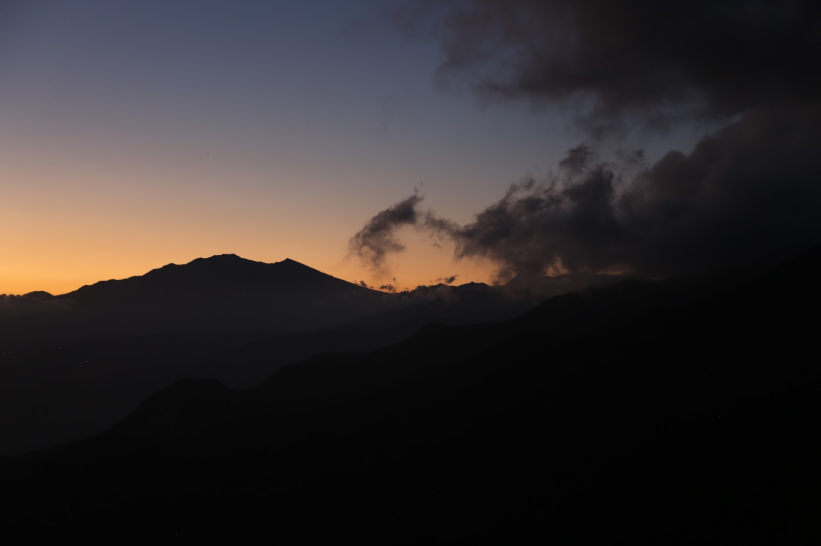
When it comes to admiring Volcán Barú without hiking to the summit, the Lost and Found Hostel, located deep in the Fortuna Cloud Forest, offers one of the most breathtaking vantage points. From its balcony and surrounding trails, travelers can watch the volcano emerge majestically above the valley, often shrouded in mist during the day. At sunset, the colors shift across the peak, turning the entire horizon into a fiery display of orange and purple. For many backpackers and adventurers, this view alone is reason enough to trek to the hostel, which has become somewhat of a hidden gem in Panama’s highlands.

Finally, Volcán Barú carries cultural significance that few visitors hear about. Local legends among the Ngäbe-Buglé people describe the mountain as a sacred site, a place tied to ancestral spirits and natural power. Farmers in the region often view the volcano with reverence, seeing it not just as a landmark but as a giver of life through its fertile soils and fresh water streams. Combining natural wonder, geological intrigue, and cultural depth, Volcán Barú is more than a mountain—it’s a living symbol of Panama’s rich history and biodiversity, best experienced up close or admired from the peaceful decks of the Lost and Found Hostel at sunset.

Whale Sharks in Panama

Whale sharks, the gentle giants of the sea, are one of Panama’s most incredible natural attractions for marine enthusiasts. Despite their massive size—some reaching lengths of over 12 meters—these filter-feeding sharks pose no threat to humans. Instead, they glide gracefully through Panama’s tropical waters, drawing in divers, snorkelers, and eco-tourists eager for a once-in-a-lifetime experience. With their unique spotted patterns and calm demeanor, encountering a whale shark is often described as both humbling and awe-inspiring.

The best place in Panama to see whale sharks is in the Gulf of Chiriquí, especially around Coiba National Park. Coiba, a UNESCO World Heritage Site, offers pristine marine environments where plankton blooms attract these giants. The waters surrounding Isla Coiba and its smaller neighboring islands create the perfect feeding ground for whale sharks, making it one of the top destinations in the country for spotting them. Other areas, like the Pearl Islands and Pedasí on the Azuero Peninsula, also occasionally offer sightings, but Coiba remains the most reliable hotspot.

Timing is crucial for those hoping to encounter whale sharks. In Panama, the prime whale shark season typically runs from December to April, coinciding with the dry season when the water is clearest and plankton is abundant. However, sightings can sometimes extend into May or June depending on oceanic conditions. During these months, divers and snorkelers have the best chances of spotting whale sharks cruising near the surface, often alongside manta rays and other pelagic species.

Tour operators in Santa Catalina, the main gateway town to Coiba, run daily trips for snorkeling and diving, making it relatively easy for visitors to organize an excursion. For travelers seeking a more off-the-beaten-path adventure, the Gulf of Chiriquí’s smaller eco-lodges also offer private tours and packages tailored to whale shark encounters. Safety and sustainability are always emphasized, as responsible operators follow guidelines to ensure minimal disturbance to the animals.

For nature lovers, swimming alongside a whale shark in Panama is not just about ticking an item off a bucket list—it’s about connecting with one of the ocean’s most extraordinary creatures in an environment that still feels wild and untouched. With Coiba’s clear waters, abundant marine life, and the right timing, Panama stands out as a world-class destination for this unforgettable experience.

Tinder and Romance Scams. Stay Alert

Swipe, chat, meet… and suddenly you’re in the heart of Panama or Colombia, thinking you’ve found your tropical Romeo or seductive Catalina. But here’s the truth: Tinder and other dating apps in Latin America aren’t just a love lottery—they’re a playground for scammers, tricksters, and people who know exactly how to spin your heart and your wallet. Welcome to a world where flattery comes fast, but danger comes faster.

The first red flag is classic: instant intensity. They’ll gush about how fate brought you together, how you’re “the one,” and how you MUST meet tonight. Your pulse is racing, your ego is sky-high, and that’s exactly the moment the scam starts. The goal isn’t love—it’s to get you to a place where they can extract money, gifts, or personal information before you even realize what’s happening.

In Panama, common Tinder scams often revolve around “short-term romance investments.” You meet a stunning local or traveler, the conversation heats up, and suddenly they’re “stuck” in some urgent financial mess—hospital bills, visa troubles, or last-minute plane tickets. They promise intimacy in return for a small favor. Before you blink, your cash has vanished, and your heart might feel it too.

Colombia takes it up a notch with the “sex scam plus adventure” style. Here, you could be lured to a supposed private party, secluded Airbnb, or a luxury hotel room. Once there, the situation flips—friends or strangers appear, cameras pop out, and suddenly you’re asked for hundreds of dollars to leave unscathed. These aren’t horror movie fantasies—they’re happening daily to unsuspecting travelers.

One of the sneakiest tactics is the classic fake relationship angle. They charm you over weeks, maybe even months, building trust and affection. When you finally meet in person, there’s a crisis requiring funds or gifts, exploiting your emotions. Travelers who ignore their instincts often find themselves broke, humiliated, or worse—unable to leave a city without paying off an elaborate scam.

So, how do you stay safe and still enjoy the adventure? First rule: keep your wits about you. Don’t share personal financial info. Don’t send money for “emergencies.” If someone asks you to meet somewhere isolated, trust your gut—public spaces are your best friend.

Always have a safety net: let friends know where you are, keep your phone charged, and never go anywhere alone with someone you just met. Ride-hailing apps, reputable hotels, and public places are your shields against a scenario that could turn ugly in minutes.

Don’t ignore the small signs either: vague answers about work, evasiveness about photos, or pressure to move fast. Scammers rely on urgency and charm—take your time, question inconsistencies, and don’t get swept up in the thrill alone.

For added security, research the area and the person if possible. Locals can often spot a scammer a mile away, and online forums and expat groups are goldmines for warning stories. Knowledge is adrenaline-proof armor.

Finally, remember: your goal is to enjoy the thrill, not the heartbreak or theft. Love, lust, and adventure are part of traveling—but surviving unscathed and laughing about near-misses is the ultimate souvenir. Swipe smart, stay alert, and come home with your wallet and dignity intact—then maybe tell your friends the wildest, cautionary Tinder tales ever.

Panama Travel Scams: Don’t Get Caught Off Guard! How To Make It Back Feeling Unscammable lol

Traveling to Panama is a thrill—vibrant streets, jungle adventures, and the awe-inspiring Panama Canal—but for the unwary, it can also be a playground for scammers. From the moment you step off the plane, the pulse quickens. Opportunists lurk in plain sight, and the best defense is knowing what’s coming at you.

Airport scams are a classic opener. Taxi drivers with official-looking badges might charge you triple the normal fare, insisting it’s “mandatory airport tax.” Some even claim your hotel reservation doesn’t exist. The key? Use only official airport taxis or pre-arranged rides. Your heart will race as they push, but staying calm and firm keeps your wallet safe.

Money-changing tricks are another adrenaline spike. Street exchangers may offer rates that sound unbelievable—too good to be true, and they usually are. You could hand over crisp bills and get fake currency in return. Stick to banks or verified exchange houses. One second, your cash is solid; the next, it’s worthless paper.

Pickpockets in Panama City’s bustling markets are fast and fearless. They work in packs, nudging, distracting, and snatching wallets in a blur. A backpacker with loose pockets is an easy target. The thrill? Feeling that sudden, terrifying tug and realizing it’s your phone—or worse, your passport. Keep valuables close, and your pulse will thank you.

Tour scams aren’t for the faint-hearted either. “Exclusive” tours often turn out to be generic, overpriced trips with hidden fees. Some guides vanish mid-tour, leaving you stranded in the jungle or on a boat with no fuel. Your stomach drops, adrenaline spikes, and suddenly you’re improvising survival mode—but knowing the right operators ahead of time can prevent that heart-stopping scenario.

Street charmers are masters of deception. Flirty locals or overly helpful strangers might lure tourists into bars or clubs with promises of local insight. Drinks arrive, and your tab explodes beyond reason. One moment you’re laughing; the next, you’re shelling out hundreds for a few cocktails. Vigilance keeps your night out exciting without the financial horror story.

Hotel scams pack a sneaky punch. Some small lodgings advertise amenities that vanish the moment you check in: Wi-Fi that doesn’t work, rooms that are smaller or dirtier than online photos, or additional “cleaning fees” that appear magically. A few seconds of due diligence online can prevent your vacation from turning into a frustrating adrenaline nightmare.

ATM fraud in Panama is another high-stakes gamble. Skimmers and hidden cameras at machines can drain your accounts in moments. Imagine withdrawing money, feeling secure, and then discovering your card has been cloned. The shock, the racing heart, the panic—avoiding sketchy ATMs and using bank branches is your safety net.

Romance scams are heartbreakers with a rush of danger. Friendly locals may appear genuine, but ulterior motives lurk behind smiles. Affection turns into a request for cash transfers or gifts, and tourists fall for it in the heat of the moment. Trust your instincts: if something feels off, it probably is. The emotional rollercoaster is real—and it’s better experienced from a safe distance.

Finally, street games and gambling hustlers can lure you into high-stakes “fun.” Shell games, quick card tricks, or impromptu bets may seem harmless but are rigged to cheat tourists. The excitement of playing along quickly turns into frustration and loss. Watch from the sidelines if you want to feel the thrill without losing money.

Panama is vibrant, adventurous, and endlessly exciting—but every alley, street, and market may hide a scammer ready to test your wits. The key to surviving and thriving? Stay alert, trust verified sources, and remember that adrenaline isn’t just for the jungle treks—it’s for keeping your senses sharp against those who prey on the unsuspecting. Travel smart, stay daring, and let Panama thrill you safely.

The Panama Hat 🤠

The Panama hat is a global fashion icon with a name that tells only half the story. Despite being woven in Ecuador from the straw of the toquilla palm, the hat became famous after being shipped through Panama in the 19th century. When President Theodore Roosevelt was photographed wearing one during his visit to the Panama Canal in 1906, the name “Panama hat” stuck, and it’s been that way ever since.

Light, breathable, and stylish, the hat is perfect for hot tropical weather. Its wide brim offers sun protection, while its handwoven texture gives it a touch of elegance. The finest versions can take months to make and are so tightly woven they can pass through a wedding ring. UNESCO even recognizes the weaving of Panama hats as an Intangible Cultural Heritage of Humanity.

If you’re visiting Panama and want to take home one of these iconic hats, there are plenty of places to shop. In Panama City, Galería de Arte Indígena in Casco Viejo and Reprosa are well-known for selling authentic hats alongside other traditional crafts. The Panama Hat Company in Casco Viejo is another go-to, offering a wide range of styles and qualities. For a more local experience, head to markets like Mercado de Artesanías de Panamá Viejo or the Handicraft Market at Albrook, where you can find hats at different price points.

While Ecuador is the birthplace of the Panama hat, Panama itself is where the world embraced it. Whether you buy a fine handwoven piece or a more affordable everyday version, wearing one connects you to a tradition that blends history, culture, and style.

Domestic Air Travel in Panama: A Traveler’s Guide

Flying within Panama is often one of the most efficient ways to see the country, especially when travel by road is long, winding, or difficult (e.g. during the rainy season). With rugged terrain, islands, and jungle regions, domestic flights can save many hours of travel, and sometimes make otherwise inaccessible destinations possible. However, travelers should be aware of costs, schedules, and the trade‐offs (like luggage limits, airport location, etc.).

The Main Carriers

The major carrier for domestic travel is Air Panama, operating from its hub at Albrook “Marcos A. Gelabert” International Airport in Panama City. It serves many internal routes: to Bocas del Toro, David (Chiriquí), various island destinations (Pearl Islands, Guna Yala), Changuinola, Pedasí, and others.

In addition, Copa Airlines offers at least one key domestic route (Panama City to David) from its main international hub at Tocumen.

More recently, Wingo Panamá (a subsidiary of the Colombian low‐cost airline Wingo) has begun operating domestic routes, notably Panama City (via Panama Pacífico) to David, with limited frequency (like twice a week on some routes).

Schedules & Frequency

Schedules vary by route, but some patterns are clear:

Between Panama City to David (Chiriquí): Air Panama offers several flights a day; likewise Copa runs multiple daily flights on this route.

For Panama City to Bocas del Toro: Air Panama has multiple (often 3-4) direct flights per day. Some departures are early in the morning, others late morning or afternoon. Airport of departure is usually Albrook (PAC).

For new or less served routes, frequency is lower (e.g. weekend‐only or a few times per week) especially for Wingo's newer domestic service.

Typical Prices

Here are ballpark fares (one‐way) for a few of the common domestic routes (non-premium/business class), based on recent data. Use these numbers as rough guides; prices change with season, demand, how far in advance you book, etc.

Route Typical One-Way Fare

Panama City (PTY) → David (DAV) US$80-$100 (Copa)

Panama City (Albrook PAC) → Bocas del Toro (BOC) US$70-US$120 one-way for Air Panama

Round-trip fares often offer savings when compared to two separate one-way tickets but factor in extra fees (baggage, airport transfers).

Costs & Extras to Watch

While airfare is one piece, there are several extra costs/tricks travelers should know:

Airport location & connection time: Air Panama’s hub is at Albrook (PAC) which is closer to central Panama City than Tocumen in many cases, but if your international arrival is at Tocumen, transferring to/from Albrook takes time/taxi cost.

Baggage allowances are often more limited on smaller domestic flights (especially by turboprops). Be sure to check whether your fare includes checked bags.

Flight reliability can vary – weather, mechanical issues, and airport infrastructure in remote areas sometimes cause delays or cancellations. It’s good to leave buffer time if you have onward travel.

Advance booking helps a lot. Fares tend to increase as seat availability decreases closer to departure.

Pros & Cons vs Other Ways of Traveling

Pros:

Saves time — routes that by car or bus take many hours can be cut to 1-2 hours.

Access to remote or island destinations more comfortably.

Often safer / more predictable than road travel when rains make roads difficult.

Cons:

Cost is higher than buses or shared ground transport.

Less flexibility in scheduling; if flights are missed, alternatives may be sparse.

Weather can play a bigger role (storms, heavy rain) affecting small aircraft.

Limited luggage, and services on board are basic (since many flights are short, regional aircraft).

When It Makes Sense to Fly

Domestic flights shine for travelers who:

Have limited time and want to maximize destinations.

Are going to the Caribbean or Pacific islands (e.g. Bocas del Toro, San Blas / Guna Yala, Pearl Islands), where boat + overland options are slow.

Want to avoid long bus rides in remote / mountainous areas.

Visit during the rainy season when roads may be less reliable.

In contrast, for those traveling on a tight budget, who enjoy slower travel and don’t mind time, ground transport (buses) may be cheaper.

Tips for Booking & Travel

Compare departure airports (Albrook vs Tocumen vs Panama Pacífico) to see which offers best convenience vs cost.

Book as far ahead as possible, especially for popular routes (David, Bocas) and during high season.

Check multiple airlines — Air Panama, Copa, Wingo — for promotions.

Keep an eye on weather forecasts; flights to/from remote / coastal / jungle destinations are more likely to be disrupted.

Arrive early, especially if flying from small airports, or if you have luggage or connecting ground transport.

Domestic airplane travel in Panama is a useful, though somewhat premium, way to move around. It trades time and comfort for cost; for many routes it’s well worth the price, especially if you value convenience and want to see multiple parts of the country. With several carriers now competing on some routes, you also have more options than in the past. Just budget ahead, check schedules carefully, and know what extras (baggage, transfers) you might need to factor in. Let me know if you’d like a map or specific itinerary options with prices (for your travel dates) so you can plan concretely.

The Best Times Of The Year To Travel To Panama

When planning a trip to Panama, one of the most important decisions travelers face is choosing the best time of year to visit. Unlike many countries that experience four distinct seasons, Panama’s climate is tropical and primarily divided into two: the dry season and the rainy season. Each season has its own pros and cons, and the right choice largely depends on what kind of traveler you are and what you hope to experience.

The dry season, which runs from December to mid-April, is considered the high season for tourism. During these months, the skies are mostly clear, humidity is lower, and traveling around the country is much easier. Hikers heading to Boquete to climb Volcán Barú or backpackers island-hopping in San Blas will appreciate the sunny conditions. Beaches on both the Caribbean and Pacific coasts shine at this time, making it ideal for those looking for perfect beach weather.

However, visiting Panama in the dry season does have its drawbacks. Prices for accommodation and tours are significantly higher, particularly around holidays like Christmas, New Year, and Carnival in February. Popular destinations such as Bocas del Toro and Boquete can feel crowded, and budget travelers may struggle to find affordable options. While the dry season guarantees more sunshine, some nature enthusiasts might miss the lush greenery that comes with rainfall.

The rainy season, stretching from mid-April to November, is often overlooked by travelers but holds many advantages. While afternoons often bring heavy downpours, mornings are usually bright and clear, offering plenty of opportunities for sightseeing and outdoor activities. The landscape during this period is vibrant and alive—forests are greener, rivers are fuller, and waterfalls are at their most impressive. For budget-conscious travelers, this is also the best time to visit, as prices drop and crowds thin out.

Of course, the rainy season comes with challenges. Transportation can be more difficult, particularly in rural areas where dirt roads turn muddy. Travel delays are common, and some tours may be canceled due to weather conditions. The Caribbean coast, especially places like Bocas del Toro, can see heavier rainfall than the Pacific side, which may dampen beach plans. Still, many seasoned travelers argue that the benefits—lower costs, fewer tourists, and stunning natural scenery—outweigh the inconveniences.

If you’re trying to pinpoint specific months, December through February are considered peak travel months, offering the best chance for sunshine but also the highest prices. March and early April are slightly less crowded while still enjoying dry conditions. For those willing to embrace the rain, May and June are great months for good deals and vibrant nature, while September and October tend to see the heaviest rains, making them the trickiest months to plan around.

Interestingly, some regions of Panama experience their own microclimates. For example, the Caribbean islands may still get heavy rain in the dry season, while the Pacific side can be surprisingly pleasant even in the wetter months. Boquete and the highlands also tend to stay cooler year-round, making them attractive to travelers who want a break from Panama’s tropical heat. This means that with some flexibility, travelers can enjoy Panama at nearly any time of year.

Ultimately, the best time to visit Panama depends on your priorities. If you want sunshine, easier transportation, and don’t mind higher costs, the dry season is your best bet. If you prefer budget-friendly travel, fewer tourists, and don’t mind adjusting your plans around some afternoon showers, the rainy season may surprise you with its rewards. Either way, Panama’s natural beauty, culture, and diversity make it a destination worth visiting no matter the season.