
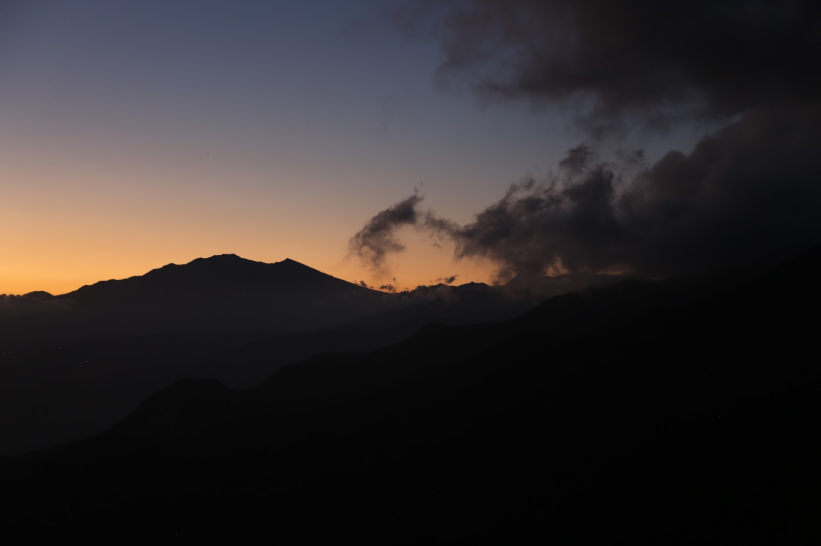
Some Interesting Facts To Know Before You Come To Panama

If you’re a backpacker planning a trip to Panama, it’s smart to get familiar with a few key details before you arrive. Panama uses the U.S. dollar as its main currency (often called the “balboa” locally, though paper bills are all U.S. dollars), which makes things easier for many international travelers. Credit cards are widely accepted in the cities, but small towns and hostels often prefer cash, so carrying smaller bills is recommended. For electricity, Panama uses 110V outlets with the same two flat prongs as in the U.S. and Canada, so if you’re coming from Europe or other regions, you’ll need an adapter. The country uses the metric system, so expect distances in kilometers and temperatures in Celsius. Panama is a democracy, with a presidential system of government and a stable political climate compared to many other Latin American countries.

The country has a population of about 4.5 million people, with nearly half living in or around Panama City. This mix of urban and rural life is part of what makes Panama interesting to travelers: you can go from skyscrapers to cloud forests or tropical islands within just a few hours. The Panama Canal is one of the nation’s biggest points of pride and economic engines, connecting the Pacific and Atlantic Oceans and making Panama one of the world’s most strategic shipping hubs. Backpackers often enjoy visiting the Miraflores Locks near the capital to watch massive cargo ships pass through, an unforgettable sight.

Panama also has some unique history. The country actually celebrates two independence days: one on November 3rd, marking independence from Colombia in 1903, and another on November 28th, celebrating independence from Spain in 1821. Both dates come with parades, music, and fireworks, especially in smaller towns. Beyond that, Panama is known for its cultural diversity, blending influences from Indigenous groups, Afro-Caribbean communities, and Spanish traditions. This mix is reflected in the food, music, and festivals you’ll encounter.

Now, here are some more interesting facts backpackers should know. (1) Panama is one of the safest countries in Central America for travelers. (2) The official language is Spanish, though English is common in tourist areas. (3) The country is home to seven Indigenous groups, each with its own culture and traditions. (4) You can swim in both the Pacific and Atlantic oceans in the same day. (5) The Darien Gap on the eastern border with Colombia is nearly impassable and not safe for travelers. (6) Bocas del Toro is famous for its Caribbean vibe and party hostels. (7) Boquete is the country’s coffee capital, popular with hikers. (8) The Lost and Found Hostel in the Fortuna Forest Reserve is legendary among backpackers. (9) San Blas (Guna Yala) Islands are run by the Indigenous Guna people, offering unique stays. (10) Casco Viejo in Panama City is a UNESCO World Heritage Site.

(11) The currency coins in Panama are called balboas, but they match the size and value of U.S. coins. (12) Public buses, known as “Diablos Rojos,” are colorful and cheap, though sometimes chaotic. (13) Panama hats actually come from Ecuador, but you’ll still find them sold here. (14) The highest point in the country is Volcán Barú, where you can sometimes see both oceans from the summit. (15) Panama has over 1,500 islands, from the Pearl Islands to Coiba. (16) It’s a top spot for birdwatching, with nearly 1,000 species recorded. (17) The country has no standing military; instead, it relies on police and international agreements for defense. (18) Tap water is generally safe to drink in Panama City but not in rural areas. (19) The climate is tropical, with a rainy season from May to November and a dry season from December to April. (20) Wi-Fi is common in cities but can be slow or absent in remote hostels.

For backpackers, knowing these details makes travel smoother and much more rewarding. From practical tips like power outlets and money to unique cultural quirks such as two independence days, Panama has plenty to surprise you. Whether you’re here to hike in the cloud forests, surf the Pacific waves, island-hop in the Caribbean, or just soak in the laid-back vibe, being prepared helps you enjoy the adventure even more. This mix of modern convenience, natural wonders, and cultural richness makes Panama one of the most fascinating destinations for budget-conscious travelers in Central America.

Finding Volunteer Work In Panama

If you’re planning a trip to Panama and want more than just beaches and sightseeing, volunteering can be a rewarding way to connect with local communities and give back. Opportunities range from teaching English in rural schools to helping with conservation projects in the rainforests. The first step to finding the right volunteer experience is deciding what type of work interests you most—whether it’s environmental, educational, cultural, or community development. Having a clear idea will narrow down your search and help you match with the right organizations.

A great place to start is by checking online platforms that connect travelers with volunteer programs. Websites like Workaway, HelpX, and Worldpackers often list hostels, eco-lodges, and farms in Panama looking for short-term volunteers in exchange for food and accommodation. Many of these opportunities are located in popular backpacker spots like Bocas del Toro, Boquete, and El Valle, where tourism blends naturally with community projects. Reading reviews from past volunteers can give you a good sense of what to expect before you commit.

Another option is to go directly through local NGOs and grassroots organizations. Panama has a strong network of community-based projects, especially in areas like environmental conservation. In places like the Azuero Peninsula or the Fortuna Forest Reserve, you can find wildlife rehabilitation centers, turtle conservation programs, and reforestation projects. Reaching out to these groups ahead of time ensures you’ll be joining an effort that truly values your help and offers meaningful impact.

If you’re already traveling in Panama, you can often discover opportunities by word of mouth. Hostels, especially those that cater to backpackers, frequently have bulletin boards or connections with local projects looking for volunteers. For example, some eco-hostels in the mountains of Boquete or the islands of Bocas del Toro collaborate with community initiatives and are happy to connect travelers with short-term work. Asking around can sometimes lead to experiences that aren’t even advertised online.

It’s also important to think practically before signing up. Some volunteer opportunities in Panama are free, while others may charge a small fee to cover food, lodging, or project expenses. Consider your budget, length of stay, and visa requirements before making commitments. If you’re planning to volunteer long-term, make sure to check if you need a specific visa, as some programs may require one beyond a standard tourist stay.

Ultimately, finding volunteer opportunities in Panama is about balancing your interests with the needs of local communities. By researching online platforms, contacting NGOs, and asking around once you’re on the ground, you can uncover experiences that enrich both your journey and the lives of others. Whether you’re planting trees in the rainforest, helping children learn English, or supporting eco-tourism projects, volunteering can turn your trip to Panama into something truly unforgettable.

Using AI to Backpack Around Central America

Planning a trip to Panama or Central America can feel overwhelming at first—there’s so much to see, from the Panama Canal and Caribbean islands to Mayan ruins and cloud forests further north. Traditionally, travelers have leaned on guidebooks for help, but these days, AI tools like ChatGPT are quickly becoming one of the best resources. Instead of flipping through outdated pages, you can ask specific questions and get instant answers tailored to your trip.

One of the biggest advantages of using ChatGPT over guidebooks is that the information is more up-to-date. Central America is constantly changing: hostels open and close, bus schedules shift, and restaurants can disappear overnight. If you’re planning to backpack Panama or cross into Costa Rica, ChatGPT can give you current insights that no printed guide could keep up with. That makes it easier to plan confidently, whether you’re looking for hiking in Boquete, beach escapes in Bocas del Toro, or hidden surf spots in Nicaragua.

Personalization is another area where AI really shines. Guidebooks tend to be “one size fits all,” but ChatGPT can shape its advice based on your travel style. If you’re a backpacker hunting for budget-friendly hostels in Panama, the recommendations will look very different than if you’re a couple planning a comfortable Airbnb or boutique hotel. This saves hours of sifting through pages trying to find what actually applies to your situation.

The interactive nature of AI is also a huge plus. For example, if you’re trying to figure out the best way to get from Panama City to San José, Costa Rica, you can ask follow-up questions about buses, border crossings, or even safety tips along the way. ChatGPT doesn’t just stop at giving you one answer—it builds on your ideas as you refine your travel plans. With a guidebook, once you’ve read the section, that’s all you get.

That said, guidebooks still hold value. They don’t rely on internet access, which can be spotty in rural areas like Santa Catalina or on remote islands. They also provide rich cultural and historical background that’s great for understanding the places you’re visiting. Many travelers find that a mix of the two works best: use a book for context and offline backup, and rely on ChatGPT for the real-time planning details.

At the end of the day, ChatGPT is a powerful tool for anyone traveling through Panama and Central America. It offers convenience, adaptability, and fresh information that make your trip smoother and more enjoyable. Pair it with the reliability of a guidebook, and you’ll have the perfect balance—modern, flexible advice with a solid foundation of timeless travel knowledge.

Creepy Crawlies Of Panama

When planning a trip to Panama, most travelers picture tropical beaches, lush rainforests, and colorful wildlife. But Panama is also home to some scary animals that you might hear about when researching the country. While dangerous encounters are rare, it’s useful to know what creatures live here so you can enjoy your adventure safely.

Among the most talked about dangerous animals in Panama are snakes. The fer-de-lance, a highly venomous pit viper, is considered one of the most dangerous snakes in Central America. Other species include bushmasters, rattlesnakes, and coral snakes. Hikers exploring Panama’s trails and jungles should always wear proper footwear and keep an eye on the ground—most snakes would rather avoid you, but accidents can happen.

Panama’s creepy crawlies can also make travelers uneasy. Large tarantulas look frightening but are generally harmless, while scorpions deliver painful but rarely life-threatening stings. Backpackers and those staying in a Panama hostel or eco-lodge in the jungle often learn to shake out shoes and bags before use, just in case.

Rivers and estuaries in Panama sometimes hide bigger threats. Both caimans and American crocodiles live in these waters, especially near mangroves and coastal lagoons. Most locals will warn you if it’s unsafe to swim in certain areas, so it’s always smart to ask before diving in. On land, big cats like jaguars and pumas still roam Panama’s national parks, though sightings are extremely rare. For most travelers, spotting tracks or hearing stories from rangers is the closest they’ll ever get.

One of Panama’s smallest but most infamous creatures is the bullet ant. Known for having one of the most painful stings in the insect world, it’s nicknamed the “24-hour ant” because the pain can last an entire day. While not deadly, it’s an encounter you’ll definitely want to avoid.

The reality is that most of these animals avoid humans, and your chances of a serious encounter while traveling are low. Whether you’re hiking in Boquete, exploring the jungle near Bocas del Toro, or relaxing on a Panama beach, awareness is your best defense. Understanding the wildlife not only keeps you safe but also adds to the thrill of experiencing the country’s incredible biodiversity

Comparing Uber, Taxis and Indrive in Panama

Getting around Panama City and other urban areas usually comes down to three main options: traditional taxis, Uber, and the newer service InDrive. Each comes with its own set of advantages and drawbacks, and which one is “better” often depends on where you are, the time of day, and what you’re looking for in terms of cost and convenience. For visitors and locals alike, understanding the differences can save both time and money.

Taxis in Panama are everywhere, especially in the capital. You can usually flag one down within minutes, but the catch is that many taxis don’t use meters. Instead, fares are often negotiated upfront, which can be confusing if you’re not familiar with local pricing. For short trips, they’re usually inexpensive, but drivers may charge tourists more than locals. On the plus side, taxis are abundant even in areas where ride-share apps sometimes struggle to find drivers.

Uber, on the other hand, has brought more predictability to getting around. Prices are displayed before you confirm your ride, so there’s no haggling involved. Most travelers find Uber cars more comfortable and drivers more professional compared to random taxis. However, availability can be an issue outside Panama City, and at peak times prices can surge higher than taxis. Still, for many, the convenience of paying through the app and not having to negotiate is worth it.

Then there’s InDrive, which has been gaining popularity in Panama. Unlike Uber, where the app sets the fare, InDrive lets passengers propose the price they’re willing to pay for the ride. Drivers can either accept, counter with a different amount, or decline altogether. This system often works out cheaper than Uber, especially during rush hours when Uber’s surge pricing kicks in. That said, not everyone is comfortable with the back-and-forth bidding process, and sometimes it takes longer to confirm a driver.

So, which option is best? If you want quick and easy access, taxis are still the fastest to find on the street. If you value safety, transparency, and app-based payments, Uber usually wins. And if you’re looking to save money or don’t mind a bit of negotiation, InDrive is worth trying. In the end, the smartest travelers in Panama often keep all three options in mind and use whichever makes the most sense in the moment.

Is It Safe for a Woman Traveling Alone in Panama?

Solo female travel in Panama is growing in popularity, as the country offers a unique blend of cosmopolitan cities, Caribbean islands, and lush cloud forests. Many backpackers and digital nomads now see Panama as one of the safer destinations in Central America for women traveling alone. While no destination is entirely without risk, Panama provides a good balance of adventure, accessibility, and safety that appeals to independent travelers looking to explore beyond the usual tourist trail.

In Panama City, solo female travelers will find a modern hub with skyscrapers, lively neighborhoods, and reliable infrastructure. Safety here is similar to other large Latin American cities — it’s best to avoid walking alone at night in unfamiliar areas, keep valuables out of sight, and use trusted ride-hailing apps instead of street taxis. The capital also offers hostels, boutique hotels, and co-living spaces that make it easy for women to connect with other travelers while exploring the city’s nightlife, museums, and famous Panama Canal.

Outside the capital, popular backpacking regions such as Boquete, Bocas del Toro, and Santa Catalina are generally safe and welcoming. These towns cater to international travelers with eco-lodges, hostels, and guided tours, making them perfect for women exploring Panama solo. Hiking, snorkeling, and island hopping are highlights, but going with a small group or tour can add peace of mind in remote areas. Safety in rural Panama often comes down less to crime and more to being prepared for natural challenges like changing weather, strong ocean currents, or long jungle trails.

Cultural sensitivity also helps when traveling alone as a woman in Panama. While the country is relatively progressive compared to some of its neighbors, solo female travelers may still experience occasional catcalling in cities. Dressing modestly in small towns or indigenous regions is recommended, as is learning a few basic Spanish phrases. These small steps not only reduce unwanted attention but also create opportunities for more positive and authentic cultural interactions.

For women seeking safe travel in Central America, Panama is an excellent choice. With its strong tourism network, friendly locals, and well-traveled backpacker routes, the country strikes a balance between adventure and security. By following common travel safety tips — such as staying aware of your surroundings, choosing reputable accommodations, and joining group excursions for remote activities — solo female travelers can fully enjoy Panama’s beaches, mountains, and vibrant culture. Traveling alone here is not just possible but deeply rewarding, offering confidence, independence, and unforgettable memories.

Discovering Panama's Avian Treasures with eBird

Panama, a narrow land bridge connecting two continents, is a birder's paradise, home to a staggering diversity of avian life. For birders visiting this vibrant country, the best tool for navigation and discovery is the eBird app. A collaborative project of the Cornell Lab of Ornithology and the National Audubon Society, eBird is a powerful platform that allows both amateur and professional birders to record their sightings, contribute to scientific data, and discover what species have been reported in their area. Its vast, crowdsourced database is an essential resource, offering real-time information on bird distribution and abundance. By downloading the app and the regional "pack" for Panama, birders can access a local checklist even without a mobile signal, ensuring they never miss an opportunity to log a sighting.

Essential Gear for Birding in Panama

To make the most of your Panamanian birding adventure, packing the right gear is crucial. High-quality binoculars are non-negotiable for getting a close-up view of the country's often-elusive species. For serious birders, a spotting scope and tripod can be invaluable for observing birds from a distance. Given the tropical climate, lightweight, breathable, and quick-drying clothing in neutral colors is recommended to avoid attracting attention from the birds. Long pants are advised to protect against scratches and biting insects, and can be tucked into socks or boots. Sturdy, waterproof hiking boots are a must, as trails can be muddy, especially during the rainy season. A hat, sunscreen, and effective insect repellent are also vital for staying comfortable. Finally, a waterproof bag or cover is a good idea to protect your optics and camera equipment from unexpected downpours.

A Birder's Budget Base: The Lost and Found Hostel

For birders seeking an affordable and social hub near prime birding territory, the Lost and Found Hostel offers an excellent option. Located within the cloud forests of the Chiriquí Province, the hostel sits inside the La Fortuna Nature Reserve, offering a convenient base for exploring this biodiverse region. The hostel's location is strategically positioned near the famous birdwatching area of the continental divide, where species from both the Atlantic and Pacific slopes can be found. With private rooms available for under $60 per night, it provides an economical alternative to more expensive lodges, without sacrificing access to incredible wildlife. Guests can enjoy meals with stunning views of Volcan Baru and the surrounding cloud forest, often spotting hummingbirds and monkeys right from the property.

Avian Wonders of the Fortuna Forest Reserve

The Lost and Found Hostel's location is a significant draw due to its proximity to the Fortuna Forest Reserve. This reserve is a key destination for birders, especially those searching for montane species. Notable species found here include the impressive Bare-necked Umbrellabird, the striking Azure-hooded Jay, and the Scale-crested Pygmy Tyrant. The reserve’s cloud forest habitat is a sanctuary for these unique birds, and the network of trails provides excellent opportunities for close encounters. Birders exploring the area can also keep an eye out for other cloud forest specialties, such as various species of hummingbirds, antpittas, and tanagers. The proximity of the hostel and the accessible trails make this area particularly attractive for focused birding excursions.

Expanding Your Search to Palo Seco Forest Reserve

Adjacent to the Fortuna Forest Reserve lies the Palo Seco Forest Reserve, which provides additional birding opportunities for those based at the Lost and Found Hostel. While offering similar cloud forest habitats, each reserve can have its unique hotspots and birding trails. Birders in Palo Seco can search for some of the same species found in Fortuna, like the Bare-necked Umbrellabird, as well as other regional specialties. Exploring both reserves allows for a more comprehensive birding trip, increasing the chances of spotting some of the more difficult-to-find species. Given the close proximity, birders can easily spend time in both areas, maximizing their sightings from a single, affordable base camp.

The Community Element: Facebook Birding Groups

Connecting with local birders and fellow enthusiasts can greatly enhance a birding trip. In Panama, the "Birding Panama" Facebook group is a popular hub for sharing knowledge, experiences, and photographs. The community is active with discussions about birding locations, recent sightings, and tips for finding specific species. By joining this group, visitors can gain invaluable, real-time insights from local experts and other traveling birders. It's a great way to stay informed about what's being seen and where, especially for hotspots like Pipeline Road, and to share your own pictures and stories after a successful outing.

Luxury Lodging Options for the Discerning Birder

While the Lost and Found Hostel provides an affordable option, Panama also offers world-class, more expensive lodges for birders seeking a higher level of luxury and comfort. The Gamboa Rainforest Reserve, a five-star hotel situated in the Colón Province, is a well-known choice. It provides a serene setting in the rainforest on the Río Chagres, complete with guided birdwatching tours. Tranquilo Bay Eco Adventure Lodge, located on Bastimentos Island in the Bocas del Toro Province, is another prime luxury destination. The lodge's deck overlooks a pristine mangrove forest, providing exquisite birding opportunities right from the property. These upscale options cater to those who prefer an all-inclusive experience with professional guides and luxury amenities.

A Central American Birding Paradise

Panama’s unique position at the heart of the Americas makes it a critical location for bird migration and diversity. Birders of all experience levels can find something to love here, from the common to the rare. The incredible infrastructure of eBird, backed by the Cornell Lab of Ornithology and the National Audubon Society, empowers birdwatchers to become citizen scientists, contributing to global conservation efforts. With the right gear and a strategically located, affordable home base like the Lost and Found Hostel, exploring the rich habitats of the Fortuna and Palo Seco Forest Reserves is accessible to everyone. And for those who prefer to travel in style, the country's luxury eco-lodges offer a premier experience.

A Thriving Birding Community

Beyond the incredible species and habitats, Panama’s thriving birding community adds another layer of richness to the experience. By engaging with online groups like "Birding Panama," visitors can tap into a wealth of local knowledge and camaraderie. This network is invaluable for finding specific species, learning about new birding locations, and sharing the thrill of a rare sighting. Whether you're a seasoned birder or a curious beginner, the combination of accessible resources, diverse habitats, and a welcoming community makes Panama a top-tier destination for ornithology.

Plan Your Panamanian Birding Expedition

With over 900 species of birds recorded in Panama, planning your birding expedition is an exciting endeavor. The Fortuna and Palo Seco Forest Reserves offer a high-altitude experience with a focus on cloud forest species, easily accessed from the budget-friendly Lost and Found Hostel. For birders seeking different ecosystems, other famous areas include Pipeline Road and the lodges near Bocas del Toro. No matter your budget or birding focus, Panama's avian riches are waiting to be discovered. So pack your binoculars, download the eBird app, and prepare for an unforgettable trip into one of the world’s most spectacular birding destinations.

How to Eat Locally and Experience Panamanian Food on a Backpacker's Budget

When backpacking through Panama, one of the most rewarding experiences is discovering how locals eat and enjoying traditional food without spending much. While international restaurants and trendy cafés exist in big cities like Panama City or Boquete, the real flavor of the country comes from small “fondas” and local eateries scattered along the roadsides and in neighborhoods. These family-run spots serve hearty, homemade meals at a fraction of the price you would pay in tourist-focused areas, making them perfect for budget-conscious travelers.

A typical local breakfast in Panama is both affordable and filling. Most fondas serve “huevos fritos” (fried eggs) with “tortillas” — thick corn patties that are fried until crispy. Another common option is “hojaldres,” a fried dough similar to a flatbread, often paired with cheese or eggs. Coffee, which is strong and rich thanks to Panama’s highland plantations in Boquete and Volcán, usually accompanies the meal. Backpackers can expect to pay just a couple of dollars for a complete breakfast, which fuels a long day of exploring.

For lunch, the most common and budget-friendly option is the “comida corriente” or “plato del día.” This daily plate typically includes rice, beans, a protein such as chicken, beef, or fish, and a small salad or plantains. Portions are generous, and prices usually range from $3 to $5 depending on the location. It’s not uncommon to see locals stopping by during their work breaks, making these meals an authentic way to eat alongside Panamanians while sticking to a backpacker’s budget.

Seafood is another highlight of eating locally in Panama, especially along the coasts and on the islands. In places like Bocas del Toro or the Pacific coast near Santa Catalina, travelers can find fresh fish and ceviche for surprisingly low prices. Ceviche, usually made with corvina (sea bass), is marinated in lime juice and mixed with onions, peppers, and cilantro. Sold in small cups at markets or food stands, it is refreshing, inexpensive, and a must-try for any traveler exploring Panama’s beaches.

Street food is also an essential part of eating like a local. Vendors sell empanadas filled with beef, chicken, or cheese, as well as “carimañolas,” a fried yuca roll stuffed with meat. These snacks cost less than a dollar each and are perfect for a quick bite when traveling between towns or before a hike. In rural areas, it’s common to find women selling homemade tamales wrapped in banana leaves, offering both sustenance and a taste of tradition.

Backpackers traveling through Panama will quickly learn that eating locally is not only cheaper but also more culturally enriching than sticking to tourist-oriented restaurants. Fondas, street food stalls, and seaside fish markets provide an authentic taste of Panama’s flavors while keeping daily food expenses low. By embracing these options, travelers not only save money but also connect with local life, experiencing Panama the way its people do every day.

Travelling Light is Right

Traveling light as a backpacker is one of the smartest choices you can make when exploring Panama. Whether you’re wandering through Panama City, relaxing on Panama beaches, or hiking in the highlands of Boquete, having less to carry makes everything more enjoyable. The truth is, hauling a heavy backpack through bus stations, crowded shuttles, or up steep hills in tropical heat can wear you out quickly. When your pack is lighter, you can move more freely, save energy, and focus on enjoying the adventure rather than struggling with your gear.

When it comes to backpacking Panama, the essentials are surprisingly few. A couple of breathable shirts, quick-dry shorts, a pair of hiking shoes, sandals, swimwear, and a lightweight rain jacket will cover most of your needs in the country’s tropical climate. Add in a refillable water bottle, a travel towel, and basic toiletries, and you’re set. Many first-time travelers overpack, bringing “just in case” items that end up sitting unused at the bottom of the bag. The lighter you go, the easier it is to get around—especially if your plans include outdoor activities like hiking and island hopping.

One of the best Panama travel tips is to remember that you can buy almost anything you need locally—and usually for cheaper than back home. Clothes, flip-flops, sunscreen, and toiletries are all affordable in local shops. Instead of packing spares, you can pick them up along the way. This not only saves weight in your bag but also helps you blend in with local styles and support small Panamanian businesses. Many backpackers discover it’s easier and more budget-friendly to shop locally than to carry unnecessary extras.

Sometimes, traveling light isn’t just convenient—it’s essential. A great example is the trek up to the Lost and Found Hostel in the Fortuna Forest Reserve, where you need to carry your pack uphill through the jungle. The heat and humidity in Panama can make even a short hike feel challenging if your backpack is overloaded. With a minimalist setup, you’ll have the energy to enjoy the views and the wildlife instead of focusing on how heavy your pack feels.

Another lesson many backpackers in Panama learn quickly is that they don’t end up using half the things they thought were necessary. Heavy jeans, extra jackets, and multiple pairs of shoes rarely leave the bag. With the warm weather, lightweight clothing is all you need. Plus, most hostels, hotels, and Airbnbs in Panama have laundry services or facilities, making it easy to wash and reuse clothing. This means you don’t need to carry a week’s worth of outfits—just a few versatile pieces will do.

Backpacking is all about freedom, experiences, and discovering new places—not carrying unnecessary weight. By traveling light, you’ll save money, energy, and stress, while making your journey through Panama smoother and more rewarding. Whether you’re catching a shuttle to Bocas del Toro, hiking in Boquete, or climbing to the Lost and Found Hostel, you’ll appreciate the convenience of a small, efficient pack. In the end, traveling light allows you to focus on what truly matters: the adventure itself.

Panama's Border Crossings

Panama, bridging Central and South America, is home to several land border crossings that connect it with Costa Rica and Colombia. These crossings are essential for locals, tourists, and overland adventurers making their way through the region. Some are busy and modernized, while others are quiet, rural, and rarely used by foreigners. Knowing what to expect at each crossing can make your trip smoother and less stressful.

The busiest and most frequented crossing is Paso Canoas, linking Costa Rica’s Puntarenas province with Panama’s Chiriquí province along the Pan-American Highway. This checkpoint is open daily from early morning until late evening, with immigration and customs offices on both sides. Travelers should expect long lines, especially for buses and trucks, but it is well-equipped with ATMs, banks, duty-free shops, and restaurants. International buses such as Tica Bus and Tracopa frequently pass through Paso Canoas, making it the most convenient choice for long-distance travelers heading between Panama City, David, or San José.

Another popular option is the Sixaola–Guabito crossing, located on the Caribbean side and serving as the main gateway to Panama’s Bocas del Toro islands. Once famous for its rickety wooden bridge, the crossing now has a modern bridge and improved facilities. Immigration offices are generally open from morning until early evening, and buses connect Sixaola to Puerto Viejo in Costa Rica, while shared shuttles and taxis connect Guabito to Almirante, the boat launch for Bocas del Toro. Travelers should plan their timing carefully since arrivals in Almirante after dark can complicate boat transfers.

For a quieter alternative, the Río Sereno crossing offers a hassle-free experience with fewer crowds. This checkpoint, located in the highlands between Costa Rica’s southern region and Panama’s Chiriquí province, is favored by travelers heading toward Boquete, Volcán, and Cerro Punta. Immigration hours here are shorter—usually limited to daylight hours—so arriving early is best. The lack of big bus companies means you’ll need local transport, but the calm atmosphere and shorter wait times make it ideal for those looking to avoid the chaos of Paso Canoas.

At Panama’s southern border, the story is very different. The Darién Gap, a vast jungle separating Panama from Colombia, has no official road crossing. The only overland option is via small local outposts such as Yaviza, but foreigners generally cannot cross here. Instead, most travelers move between Panama and Colombia by air—common routes include Panama City to Medellín, Bogotá, or Cartagena—or by sea, with multi-day sailing trips and speedboat services linking Colón, Portobelo, or San Blas with Colombia’s Caribbean coast. This makes the Darién border the least frequented crossing, used mostly by local communities rather than international travelers.

In short, Panama’s border crossings each serve different types of travelers. Paso Canoas is best for long-distance bus travel and commercial routes, Sixaola–Guabito caters to the Bocas del Toro crowd, and Río Sereno is perfect for those seeking a relaxed, rural crossing. The Colombia border, by contrast, is more of a symbolic frontier than a practical route. Whether you’re backpacking through Central America or heading south to explore Panama’s mountains and beaches, planning your border crossing with the right timing and transport connections can make the journey much smoother.

The Uncool Mosquito and It's Uncool Secrets

Panama is a tropical country with lush rainforests, coastlines, and warm weather, which makes it an appealing destination for travelers but also a place where mosquito-borne illnesses can occur. The two main concerns for visitors are malaria and dengue fever. Malaria exists in certain rural areas, especially along the eastern provinces near the Darién region and some indigenous territories. Dengue, on the other hand, is more widespread and can occur in both rural and urban areas, including cities. While the risk varies depending on where you travel, it’s important to be aware of both diseases before your trip.

Dengue fever is transmitted by the Aedes aegypti mosquito, which bites during the daytime. Unlike malaria, there is no vaccine widely available to tourists (except in certain countries under specific conditions) and no preventive medication. Symptoms include fever, body aches, headaches, and rash, sometimes referred to as "breakbone fever" because of its painful effects. Malaria, transmitted by the Anopheles mosquito, generally occurs in rural or jungle areas and can cause fever, chills, and flu-like symptoms. Travelers heading to remote areas may be prescribed malaria prophylaxis by their doctor.

As a precaution, travelers to Panama should focus on effective mosquito protection. Wearing long, loose-fitting clothing, especially in the early morning and late afternoon, helps reduce exposure. Using insect repellent with DEET or picaridin is strongly recommended, as well as sleeping under a mosquito net if you are staying in rural or jungle regions. In cities and more developed tourist areas, accommodations often have screens and fans or air-conditioning, which also reduce the risk of bites.

Before traveling, it is wise to consult a travel clinic or healthcare provider to discuss whether malaria medication is needed for your specific itinerary. Most visitors to Panama City, Boquete, Bocas del Toro, or the Pacific beaches face minimal malaria risk, but precautions against dengue are important everywhere. By combining medical advice, mosquito protection, and smart travel planning, you can minimize your risk and enjoy Panama’s natural beauty safely.

What Kind Of Nature Could I See on a Backpacking Trip to Panama

Panama is one of the most biodiverse countries in the world, thanks to its unique position as a land bridge connecting North and South America. This geographic location allows animals from both continents to thrive, making it a paradise for wildlife lovers. From the cloud forests of Boquete to the tropical islands of Bocas del Toro, you can encounter a wide range of species that make Panama an unforgettable destination for nature and adventure.

One of the most iconic animals in Panama is the sloth. Both two-toed and three-toed sloths live in the rainforests, often spotted hanging from tree branches or moving slowly through the canopy. Travelers may also see howler monkeys and white-faced capuchins, whose calls echo through the forests at dawn and dusk. These primates are commonly found in national parks such as Soberanía and on trails around the Lost and Found Hostel in the Fortuna Forest Reserve.

Birdwatchers are especially drawn to Panama, as the country hosts more than 1,000 species of birds. The resplendent quetzal, the keel-billed toucan, and the striking harpy eagle, Panama’s national bird, are among the highlights. Along the coasts and in the mangroves, you may also see pelicans, frigatebirds, and herons. For backpackers exploring the countryside, simply carrying a pair of binoculars can open up a whole new world of colorful encounters.

In addition to mammals and birds, Panama is rich in reptiles and marine life. Iguanas, poison dart frogs, and sea turtles are often seen in coastal and jungle areas. Snorkelers and divers in Bocas del Toro and the Pacific islands are treated to schools of tropical fish, dolphins, and even whale sharks during migration season. Whether you’re hiking in the mountains, relaxing on a beach, or exploring coral reefs, Panama offers endless opportunities to witness some of the planet’s most fascinating wildlife.

Digital Nomad Travel in Panama: A Growing Hotspot for Remote Workers

Panama is quickly becoming one of the most attractive destinations for digital nomads in Central America. With the introduction of the Panama digital nomad visa, reliable internet in most urban areas, and affordable living costs, the country offers an ideal mix of work and play. From cosmopolitan city life to laid-back beach towns, Panama gives remote workers the chance to stay productive while exploring some of the most beautiful landscapes in the region.

For those who want modern conveniences, Panama City is a top choice. The capital has a wide selection of coworking spaces, Wi-Fi-friendly cafés, and apartments tailored for long stays. Digital nomads can spend their mornings working from a coworking hub overlooking the skyline, then explore Casco Viejo’s historic streets, or network with other remote workers in one of the city’s vibrant international communities. With Tocumen International Airport as a hub, traveling in and out of Panama is also simple and convenient.

Nature lovers often prefer destinations outside the capital. Boquete, located in the cool Chiriquí Highlands, is famous for coffee farms, mountain views, and hiking trails, making it perfect for a slower-paced remote work lifestyle. Meanwhile, Bocas del Toro offers a tropical island vibe with coworking-friendly hostels, beachside cafés, and an active expat community. Both places are considered among the best places for remote work in Panama, offering strong internet connections alongside opportunities for adventure.

Affordability is another major draw for digital nomads in Panama. Housing, food, and transportation costs are lower than in North America or Europe, and many hostels, eco-lodges, and boutique hotels now provide coworking in Panama with shared spaces and reliable internet. This makes it easy to balance work responsibilities with social connections, as digital nomads often form close-knit communities while traveling. The mix of low living costs, beautiful scenery, and community vibe makes Panama a strong competitor to other nomad hubs like Costa Rica or Mexico.

Overall, Panama offers everything a remote worker could want: modern infrastructure, natural beauty, affordability, and a welcoming visa program. Whether you’re looking to work from a high-rise in Panama City, a hammock in Bocas del Toro, or a mountain lodge in Boquete, the country provides endless opportunities to live and work remotely. With the rise of the Panama digital nomad visa and more coworking options opening across the country, Panama is quickly becoming one of the best destinations in the world for digital nomads.

Dangerous Places In Panama

When planning a trip to Panama, most visitors focus on its natural beauty, vibrant culture, and world-famous canal. However, like any country, there are areas where travelers should exercise caution. While Panama is generally safe, some regions and neighborhoods are considered higher risk due to crime, drug activity, or lack of tourist infrastructure. Knowing which places to avoid helps ensure a safe and enjoyable trip.

One of the most notable dangerous areas is the Darién Province, which borders Colombia. This dense jungle region is known for drug trafficking routes, illegal migration, and armed groups operating outside government control. While the Darién Gap attracts adventurous hikers, it is strongly advised against due to the high risk of violence and the absence of reliable security.

In Panama City, most tourist zones are safe, but some neighborhoods should be avoided, especially at night. Areas like El Chorrillo, Curundú, and San Miguelito are known for gang activity and higher crime rates. Travelers staying in a Panama hostel in safer districts such as Casco Viejo or El Cangrejo should be mindful of wandering into unsafe zones, as crime can escalate quickly in these neighborhoods.

Along the Caribbean coast, some parts of Colón City are also considered unsafe. Despite being home to the Panama Canal’s Atlantic entrance, Colón has high poverty and crime rates, making theft and muggings more common. Visitors traveling through Colón on the way to the San Blas Islands or Panama beaches should exercise caution, limit time spent in the city center, and stick to well-traveled tourist routes.

Finally, while Bocas del Toro and Boquete are popular with backpackers, petty theft and opportunistic crime can still occur, especially in isolated areas or after dark. Travelers enjoying nightlife on the islands or long hiking trips in the mountains should take precautions such as not leaving valuables unattended and avoiding poorly lit areas. Overall, Panama offers incredible travel experiences, but understanding where the risks are ensures that you can enjoy its beaches, culture, and nature safely.

Can You Drink The Water In Panama

When traveling through Panama, many visitors wonder if the water is safe to drink. In most urban areas, including Panama City, Boquete, and popular mountain towns, the tap water is generally clean and safe. Travelers staying in a Panama hostel in Boquete often find that the cool mountain streams provide fresh and drinkable water, making it easy to stay hydrated while enjoying the incredible hiking trails in the region. However, in more remote areas and on the islands, it is safer to stick to bottled or filtered water to avoid stomach issues.

On the Caribbean side, particularly in Bocas del Toro, the water quality is less reliable. Many hostels and hotels in this region rely on rainwater collection systems, which means it’s best to use filtered or bottled water when brushing your teeth, cooking, or drinking. While exploring the Panama beaches of Bocas, travelers should keep this in mind to ensure a smooth trip without unexpected health problems. Many accommodations provide purified water for guests, so checking with your hostel or hotel is a good practice.

Overall, drinking water in Panama depends on where you are. In highland towns like Boquete, where eco-lodges and hostels cater to hikers, you can often enjoy fresh water straight from the tap. Along the coast and islands like Bocas del Toro, bottled or filtered water is the safer choice. Whether you’re trekking through cloud forests, staying in a lively Panama hostel, or relaxing on tropical Panama beaches, knowing where and when to trust the water will help make your journey healthier and stress-free.

Young Travelers and the Rise of Birdwatching in Panama

In recent years, birdwatching in Panama has become one of the fastest-growing activities for young travelers and backpackers. Once thought of as a pastime for older generations, birding is now being embraced by a new wave of eco-conscious explorers who crave both adventure and a deeper connection with nature. With over 1,000 species of birds calling the country home, Panama has quickly become a top destination for those who want to combine backpacking, hiking, and wildlife travel into one unforgettable journey.

For many young travelers, birdwatching offers the perfect mix of eco-tourism, mindfulness, and adventure. The thrill of spotting a resplendent quetzal, a colorful toucan, or the loud and mysterious three-wattled bellbird adds a layer of excitement to jungle hikes and mountain treks. Birding also pairs naturally with popular activities like photography, backpacking, and nature travel, making it an accessible way to enjoy Panama’s biodiversity while creating lasting memories.

One of the best places for birding in Panama is the Fortuna Forest Reserve in Chiriquí. This vast cloud forest is recognized internationally as an Important Bird Area and is famous for its misty trails, lush vegetation, and rare species. Birdwatchers can encounter the resplendent quetzal, bare-necked umbrellabird, trogons, and the iconic bellbird with its booming call that echoes through the valleys. Thanks to its elevation and rich ecosystem, Fortuna has become a must-see stop for both serious birders and curious backpackers searching for unique wildlife encounters.

For those who want to combine birding with a true backpacker community, the Lost and Found Hostel in Panama is one of the most unique eco-lodges in Central America. Located deep inside the Fortuna Forest Reserve, it is the country’s only hike-in jungle hostel, offering travelers the rare chance to stay directly in the rainforest. Guests can spot toucans, hummingbirds, and motmots right outside their dorm rooms, and the hostel’s private trails make it easy to discover even more bird species while hiking. With its social vibe and incredible location, Lost and Found has become a top choice for anyone interested in birdwatching, backpacking, and eco-tourism in Panama.

Beyond Fortuna and Lost and Found, other top birdwatching destinations in Panama include Boquete, where cloud forests around Volcán Barú are prime quetzal territory; Pipeline Road in Gamboa, one of the world’s most famous birding hotspots; and Bocas del Toro, where mangroves and coastal forests attract a wide range of tropical species. Each destination showcases a different ecosystem, making Panama one of the best countries in the Americas for birdwatching and biodiversity.

The growing popularity of birdwatching among young travelers in Panama reflects a larger trend in sustainable travel and eco-tourism. Instead of rushing from one attraction to another, backpackers are slowing down, connecting with the environment, and finding joy in spotting wildlife. Whether exploring the cloud forests of Fortuna, staying at the Lost and Found Hostel, or hiking in Boquete, Panama offers birders and backpackers an unforgettable combination of adventure, community, and incredible wildlife.

Boquete to Bocas, A Road With Many Highlights

Traveling between Boquete and Bocas del Toro in Panama is one of the most rewarding journeys for adventurous travelers. This scenic route connects the misty cloud forests of Chiriquí with the turquoise waters of the Caribbean, offering a mix of natural wonders and cultural treasures along the way. With shuttle companies such as Hello Travel Panama, Caribe Shuttle, and Panama Travel Unlimited making the trip simple and direct, backpackers and explorers can easily access the many highlights scattered throughout this unforgettable stretch of Panama.

One of the most fascinating stops along the route is the area surrounding Hornito, home to ancient petroglyphs carved into stone by pre-Columbian civilizations. These mysterious carvings give travelers a glimpse into the deep history of Panama long before Spanish colonization. For those seeking relaxation, the Caldera Hot Springs near Boquete offer a natural spa experience, with warm mineral-rich waters surrounded by lush jungle and mountain views. This soothing spot is a perfect way to recover after a long hike or shuttle ride.

Adventure seekers will also be thrilled by the abundance of waterfalls found between Boquete and Bocas. Trails in Chiriquí lead to cascades like Los Cangilones de Gualaca, a dramatic river canyon perfect for swimming and cliff-jumping, and hidden jungle falls that reward those willing to wander off the beaten path. These natural gems provide refreshing breaks in the tropical heat and excellent opportunities for photography and exploration.

The crown jewel of accommodations in this region is without doubt the Lost and Found Hostel, Panama’s only hike-in jungle lodge. Perched high in the cloud forest, this unique eco-hostel offers stunning views, wildlife encounters, and access to its very own network of trails leading to waterfalls, caves, and lookouts. With its vibrant social atmosphere, treasure hunts, and commitment to nature, the Lost and Found Hostel has become a must-stop destination for backpackers traveling between Boquete and Bocas del Toro.

Together, these highlights make the Boquete-to-Bocas journey one of Panama’s most exciting adventures. From ancient petroglyphs and soothing hot springs to thrilling waterfalls and the unmatched jungle experience at Lost and Found Hostel, travelers are spoiled with diversity and beauty at every turn. Whether you’re shuttling across the mountains to catch a boat into the Caribbean islands or simply seeking hidden corners of Panama’s wilderness, this route is packed with unforgettable experiences waiting to be discovered.

Why the Lost and Found Hostel Doesn’t Use Booking.com

The Lost and Found Hostel in Panama has earned a reputation as one of the most unique backpacker hostels in Central America, attracting travelers who want to immerse themselves in nature and adventure. Yet, unlike many accommodations in the region, the Lost and Found Hostel chooses not to work with Booking.com. This decision may surprise some travelers, but it reflects a conscious choice to support fairer practices in the travel industry and to better serve guests directly.

One of the main reasons the hostel avoids Booking.com is the high commission fees the platform charges. These fees can range from 15% to 25% on every reservation, a significant cut for small businesses trying to keep prices affordable while still maintaining quality services. For a community-based eco-hostel like Lost and Found, these costs take away resources that could otherwise go toward improving facilities, supporting local staff, and preserving the surrounding environment.

Another concern is how Booking.com and similar corporations have come to monopolize the travel industry. By dominating search results and advertising budgets, they leave little visibility for small, independent accommodations that don’t want to play into the same system. This creates a cycle where travelers unknowingly support giant platforms rather than the local businesses that give destinations like Panama their unique charm. By staying independent, the Lost and Found Hostel preserves its identity and ensures that guest experiences remain authentic and personal.

Booking directly through the Lost and Found Hostel’s website is one of the best ways travelers can support small businesses. When reservations are made directly, 100% of the payment goes to the hostel itself rather than a third-party platform. This helps keep prices fair for guests while giving the hostel more flexibility to offer better services, activities, and support for the surrounding community. It’s a win-win for both travelers and the local economy.

For those who still want to use a platform to plan their trip, Hostelworld is another good option. Unlike Booking.com, Hostelworld has traditionally catered more toward backpackers and independent travelers, and its focus on hostels means it plays a smaller but more supportive role in the travel community. While it also charges fees, Hostelworld is generally viewed as a platform that provides exposure without the same aggressive monopoly effect.

Ultimately, the Lost and Found Hostel’s decision not to use Booking.com reflects its values of independence, sustainability, and community. By booking directly through their website or considering alternatives like Hostelworld, travelers can ensure their money goes where it matters most — supporting small businesses and the unique experiences they create. Choosing how you book your stay is more than just convenience; it’s a way of shaping a fairer, more authentic travel industry.

Birdwatching in Panama with eBird: Discovering the Fortuna Forest Reserve

Panama is one of the best destinations in the world for birdwatching, offering more than 1,000 species of birds in a country no bigger than South Carolina. Its location as a biological bridge between North and South America makes it a paradise for birders. To make the most of this incredible diversity, travelers are turning to eBird, a free app from the Cornell Lab of Ornithology that helps birdwatchers log sightings, explore hotspots, and connect with a global birding community. For anyone planning a birdwatching adventure in Panama, eBird is an essential tool.

One of the biggest advantages of using eBird in Panama is the ability to search by specific hotspots. The app shows which birds are currently being seen in areas like the Fortuna Forest Reserve, a cloud forest located in Chiriquí province. This is especially helpful in Panama, where dense habitats can make bird spotting challenging. By checking real-time reports from other birders, visitors increase their chances of finding rare species while enjoying one of Panama’s most beautiful natural reserves.

The Fortuna Forest Reserve is a jewel for birdwatchers in western Panama. This protected area of highland cloud forest is filled with rare and colorful species that cannot be found in the lowlands. Some of the most sought-after birds here include the dazzling Resplendent Quetzal, one of the most iconic birds in Central America, and the distinctive Three-wattled Bellbird, famous for its metallic call that rings through the trees. Using eBird, birders can see where these elusive species have been spotted most recently, making the search far more rewarding.

In addition to these highlights, the Fortuna Reserve is home to the Black Guan, a rare forest bird, and the striking Golden-browed Chlorophonia, which shines bright green and yellow against the dark jungle foliage. Hummingbird lovers will also be thrilled, with species such as the Fiery-throated Hummingbird and Violet Sabrewing adding a flash of color to the misty cloud forest. Thanks to eBird, birdwatchers can prepare checklists ahead of their hikes and log their sightings instantly, contributing valuable data for science and conservation.

Another benefit of eBird in Panama is its ability to track migratory bird species. Every year, millions of birds pass through the isthmus on their journey between North and South America. With the app, travelers can learn which migrants are passing through the Fortuna Forest Reserve during their visit, maximizing their chances of seeing something rare and unforgettable. This makes eBird both a personal logbook and a scientific tool that supports conservation around the world.

For travelers who want the full experience of birdwatching in Fortuna, the best place to stay is the Lost and Found Hostel, Panama’s only hike-in jungle lodge. Located on the edge of the reserve, this eco-adventure hostel gives birders direct access to trails surrounded by pristine cloud forest. Guests regularly spot toucans, trogons, and even quetzals right from the lodge’s balconies. The hostel is also known for its strong social atmosphere, offering backpackers and nature lovers a perfect balance of comfort, adventure, and community.

Staying at the Lost and Found Hostel not only provides a prime base for exploring Fortuna but also connects visitors with guides and fellow travelers who share a passion for wildlife and birdwatching. Many guests plan their birding excursions together, making the experience even more enjoyable. With Wi-Fi available, birders can instantly upload their checklists to eBird and share their findings with the global community of bird enthusiasts.

The Rise of AI Travel Agents: Smarter Trips for Modern Travelers

1. Travel Is Changing—And So Is Trip Planning

Long gone are the days of travel agents, paper maps, and booking flights over the phone. In 2025, AI-powered travel assistants are reshaping how we explore the world. Whether you're planning a solo backpacking trip, a family vacation, or a remote working getaway, artificial intelligence is now one of the most helpful tools in your arsenal.

2. What Is an AI Travel Agent?

An AI travel agent is a digital tool that uses artificial intelligence and machine learning to help you plan your trip. It can recommend destinations, suggest accommodations, map out itineraries, and even make bookings. The best ones learn your preferences over time, creating increasingly personalized experiences.

3. Why Use an AI Travel Agent?

AI travel agents reduce the hours you might otherwise spend browsing 20 different tabs. They analyze massive datasets—flight prices, hotel reviews, weather, events, and personal interests—to create optimized travel plans tailored to your style and budget. They're like a smart, tireless assistant that knows what you want before you even ask.

---

🧳 The Top 5 AI Travel Agents in 2025

4. 1. Google Gemini

Google’s AI powerhouse, Gemini, is seamlessly integrated with Google’s services—Maps, Flights, Hotels, Calendar, and Gmail. You can ask Gemini to plan a full itinerary, and it will include routes, real-time prices, maps, and even reservations. It’s especially strong on logistics and scheduling.

5. 2. ChatGPT (by OpenAI)

ChatGPT excels in personalized and creative planning. It’s great for building thematic travel itineraries (e.g., “10 days of eco-adventures in Costa Rica”) or asking detailed cultural questions. It doesn’t pull real-time data but is ideal for storytelling, deep knowledge, and inspiration.

6. 3. GuideGeek

Built specifically for travel, GuideGeek is a WhatsApp-based AI assistant that helps you plan and book your trip through simple chat messages. It’s very mobile-friendly and is great for quick destination guides, local insights, and answering questions on the go.

7. 4. Roam Around

Roam Around creates instant itineraries when you type in a city and number of days. It’s useful for fast, structured plans for short trips. It’s ideal for minimalist planners who want fast ideas, but it’s less flexible and lacks deep customization.

8. 5. Kayak AI Assistant

Kayak’s AI tool is built into its flight and hotel booking platform. It’s designed to help you quickly compare travel deals and find hidden gems based on preferences. It’s perfect for budget-conscious travelers focused on deals and availability.

---

🧠 How AI Travel Agents Help Build Itineraries

9. It Starts with Your Preferences

Most AI travel tools begin by asking a few basic questions:

* Where do you want to go?

* What’s your budget?

* What’s your travel style (luxury, adventure, backpacking, etc.)?

10. Smart Suggestions Based on Data

AI agents use your input and combine it with real-time and historical data: weather trends, destination popularity, visa requirements, flight prices, and local activities. For example, if you're visiting Italy in July, Gemini might suggest early morning walking tours to avoid the midday heat.

11. Real-Time Adjustments

Some tools (like Gemini and Kayak AI) can adjust your trip as conditions change—like flight delays or weather warnings. You can rework your entire itinerary with a simple prompt like, “Update my plan if it rains on day 2 in Tokyo.”

---

💻 How to Use Google Gemini to Plan Your Trip

12. Getting Started with Gemini

1. Go to [gemini.google.com](https://gemini.google.com)

2. Sign in with your Google account

3. Start with a prompt like, “Plan me a 7-day trip to Portugal with hiking and budget hotels”

4. Gemini responds with detailed suggestions including cities, routes, and costs

5. Click through to book flights, hotels, and activities directly

13. Google Gemini’s Unique Advantages

Seamless integration with Google Maps and Flights

Live hotel and flight pricing

Auto-organized travel docs in Google Calendar and Gmail

Personalized recommendations based on your search history and location

---

🤝 How ChatGPT Enhances Travel Planning

14. ChatGPT as Your Creative Travel Companion

While ChatGPT can’t pull live flight prices, it can craft experiences based on your interests. Ask it for “a romantic 5-day foodie trip in Kyoto” or “a solo backpacking route through Patagonia,” and you’ll get a story-rich, insight-filled itinerary.

15. Use ChatGPT for Culture, Language & Tips

ChatGPT can suggest local etiquette, language basics, tipping customs, and what to wear. It’s like having a cultural consultant in your pocket, making it ideal for international travel.

---

🏨 ChatGPT Summary: Panama’s Lost and Found Hostel

16. What Makes It Special?

“The Lost and Found Hostel, nestled in Panama’s cloud forest between Boquete and Bocas del Toro, is a hidden treasure for backpackers. Accessible only by a short hike from the main road, this off-grid eco-hostel offers panoramic mountain views, jungle trails, quirky scavenger hunts, and a tight-knit traveler community. Guests can spot toucans, share campfire stories, and enjoy local rum from the hostel’s own jungle bar. It’s more than accommodation—it’s an experience.”

17. How ChatGPT Can Help You Discover Places Like This

Ask ChatGPT for “unique hostels in Central America for budget travelers” and it will suggest options like Lost and Found based on location, theme, vibe, and user reviews. It's ideal for finding niche gems beyond the mainstream listings.

---

📆 Putting It All Together: AI + You = Effortless Planning

18. Why Combine Tools?

No single AI tool does everything perfectly. Google Gemini excels in booking and logistics, ChatGPT shines at personalization, Roam Around delivers quick itineraries, and Kayak helps you stay within budget. Use each where it’s strongest.

19. What’s Next for AI in Travel?

AI is evolving fast. Soon, you’ll be able to ask your travel assistant to:

* Automatically rebook your flight after a cancellation

* Translate signs and menus in real time

* Recommend what to pack based on your activities

* Alert you to festivals and local events as you travel

---

🧭 Final Thoughts

20. AI Travel Planning Isn’t Just Smart—It’s Stress-Free

If you’re overwhelmed by endless online searches or just want to make the most of your next trip, AI travel agents are the ultimate co-pilot. Whether you're using Google Gemini for fast, data-driven booking or ChatGPT for imaginative planning, these tools make travel better, faster, and more fun.

21. Your Next Adventure Is Just a Prompt Away

Try this:

> "Hey Gemini, plan a 5-day budget trip to Barcelona for a solo traveler who loves architecture and local food.”

Or

> "ChatGPT, give me a 10-day off-the-grid backpacking route in South America with eco-hostels."

You’ll be amazed at how quickly your dream trip takes shape—crafted by AI, inspired by you