Why Panama Feels Different: Understanding Drug Visibility vs. Drug Reality. Just Opinion. No Data Backing This Up

When travelers compare life in Panama with places like Canada or the United States, one common observation pops up: you don’t see the same kind of open drug scenes on the street. Fewer public overdoses, fewer people visibly using, fewer blocks that feel defined by the issue. That perception is real — but the reasons behind it are layered.

First, it’s important to separate visibility from existence. Panama is a major transit country in global drug routes, so drugs absolutely pass through and are present. What differs is how and where problems show up, and how society interacts with them in public space.

One big factor is urban layout. Panama City and most towns don’t have large, concentrated zones where street-level activity clusters for long periods. Neighborhoods are more mixed — residential, commercial, and social life overlap. That naturally disperses behavior rather than concentrating it.

Community structure also plays a role. In many Panamanian neighborhoods, people spend more time outdoors interacting with neighbors, shop owners, and passersby. Informal social oversight is strong. When communities feel watched in a social, not surveillance, sense, certain behaviors are less likely to become public and sustained.

Family networks tend to be tightly woven. Extended family support is more common, and people often remain socially embedded even during difficult periods. That doesn’t eliminate substance problems, but it can reduce isolation — and isolation is a major driver of visible public crises in many countries.

Another element is economic structure. Panama has inequality, but it also has a large informal economy. People can often find some kind of small-scale work, trade, or service activity. Staying economically active — even at a modest level — can reduce the degree to which people become disconnected from daily social systems.

Climate and lifestyle subtly shape public space too. Warm weather keeps people outdoors, but it also keeps public areas socially active late into the evening. Busy, shared spaces tend to discourage prolonged visible crises compared with areas that empty out completely.

Law enforcement approaches differ as well. Panama historically emphasizes order in public spaces. This doesn’t mean the problem is solved — it means it’s less visible in central areas where visitors spend time.

Healthcare systems and social responses also influence what you see. Countries like Canada and the United States have robust reporting, public health transparency, and harm-reduction visibility. You hear about the crisis more because systems track and discuss it more openly.

In Panama, discussion tends to be quieter and less institutionalized. Lower visibility in conversation can create the impression of lower prevalence, even when challenges exist beneath the surface.

Drug trends themselves vary regionally. The substances causing major public health crises in North America — especially synthetic opioids — have had different patterns of spread in Central America. Different substances produce different social patterns of use and visibility.

Tourism geography shapes perception too. Visitors typically move through safer, socially active zones — hostels, markets, transit corridors, and town centers. That’s not where hidden problems tend to concentrate anywhere in the world.

Another difference is scale. Canada and the United States are vast countries with massive urban populations. When problems emerge, they appear in large numbers simply because of population size and density.

Panama is smaller, more compact, and socially interconnected. Social signals travel fast. That doesn’t prevent issues — it changes how quickly communities respond and adapt.

There’s also a cultural element around public dignity. Many behaviors that might occur privately are less likely to be carried out openly in shared spaces. Social norms shape what becomes visible.

Media coverage influences perception strongly. North American media extensively documents drug crises, which increases awareness — and sometimes amplifies the sense of omnipresence. Panama’s media environment highlights different issues.

Public policy frameworks differ as well. Each country balances health, enforcement, and social policy differently. Those policy choices shape whether problems appear primarily as public health issues, criminal justice issues, or community concerns.

It’s also worth noting that “not seeing it” can reflect distance from vulnerable populations. Many visitors and expats — especially those running tourism businesses in scenic or rural areas — simply aren’t moving in the spaces where struggles are most concentrated.

In places like the hills and small towns you write about around your hostel environment, life runs on routine, work, and social familiarity. That environment naturally filters out many forms of public crisis behavior.

None of this means one country is immune and another is not. Substance challenges exist everywhere humans exist. The difference lies in visibility, concentration, social response, and public narrative.

The most accurate takeaway is this: Panama doesn’t necessarily have no drug problem. It has a different pattern — one that is less publicly concentrated, less openly visible in daily travel zones, and shaped by strong social networks and smaller urban scale.

So when people say, “You don’t see it here,” they’re noticing something real — a different social presentation. But like many complex issues, what you see on the street is only one part of the full story.

Understanding that difference helps travelers move beyond assumptions and appreciate how culture, community structure, and environment quietly shape everyday life.

Symphony In The Ditch

Those ditch frogs are the real night managers of rural Panama — tiny, loud, and absolutely convinced the whole world is their stage. Around small roads near your hillside hostel zone, those water-filled roadside ditches are basically frog apartment complexes.

The Ditch Frogs of Panama

Most of what you’re hearing are small tropical frogs that thrive in shallow standing water. Ditches collect rain, stay humid, and offer bugs on demand — which is frog luxury living. If there’s water that lasts more than a few days, frogs will find it like investors spotting beachfront property.

They chirp mainly for two reasons: romance and real estate. Male frogs call to attract females and to warn other males, “This puddle is taken.” It’s basically speed dating with microphones.

Each species has its own sound signature. Some make sharp metallic peeps. Others sound like rubber squeaks or tiny clicks. When several species share one ditch, the result is a layered chorus that feels way louder than the performers actually are.

They hide extremely well. Many are brown, olive, or leaf-colored. Their skin texture matches mud, bark, or wet leaves. You can shine a light directly at them and still miss them unless they move.

If you walk closer and the noise suddenly stops — that’s not mystery, that’s strategy. Frogs sense vibration through the ground and freeze instantly. Wait a minute without moving and the concert slowly resumes like nothing happened.

Rain turns the volume to maximum. After a good downpour, ditches become breeding sites. That’s when you hear nonstop calling, overlapping rhythms, and what sounds like friendly shouting across tiny territories.

Another reason they love roadside ditches: fewer predators than rivers or streams. Shallow, temporary water is safer for eggs and tadpoles. It’s a short-term nursery with fewer risks.

Some of these frogs can change tone depending on temperature. Warmer nights = faster calls. So when the air feels heavy and warm, you’re hearing peak performance conditions.

They’re also insect control professionals. Mosquitoes, flies, beetles — all fair game. That constant chirping soundtrack is actually the sound of pest management happening in real time.

Locals barely notice them because they’re part of the nighttime baseline — like wind in trees. But for visitors, the sound feels almost electronic, like hidden speakers along the road.

If you want to spot one, walk slowly with a flashlight and scan the edges of the water, not the middle. Look for tiny eye reflections first. The body reveals itself second.

You don’t need to worry about them. These ditch frogs are harmless, shy, and far more interested in insects and romance than in people passing by.

So when you’re on those quiet back roads at night and the chirping seems to come from nowhere, now you know: it’s a whole neighborhood singing from puddles smaller than a dinner plate.

Tiny frogs. Big confidence. Endless concerts.

Confidently Lost: The Noble Art of Directions in Panama

In Panama, asking for directions is less about geography and more about optimism. You’re not just looking for a place — you’re entering a social contract built on confidence, kindness, and a heroic refusal to say “I don’t know.”

People here will absolutely help you. Immediately. Passionately. Sometimes creatively. Accuracy is optional, but enthusiasm is guaranteed.

It usually starts with a thoughtful pause. The person looks into the distance as if consulting an invisible map hovering above the skyline. At that moment, a story is being born.

Then comes the pointing. Direction-giving in Panama involves impressive arm choreography. Entire neighborhoods are mapped using gestures that could guide airplanes.

Even if the person has never heard of your destination, they will not abandon you. That would be rude. Instead, they will construct a plausible journey using landmarks, intuition, and spiritual guidance.

Panamanians believe in your success. They may not know where you’re going, but they believe deeply that you will get there, eventually, through character growth.

The instructions often include phrases like “straight ahead,” “turn where the big tree used to be,” or “near the place that was blue before.” These are not mistakes. They are cultural storytelling techniques.

There’s also a strong tradition of referencing businesses that closed ten years ago. If you can locate a bakery that no longer exists, you are halfway to enlightenment.

Another classic move is the confidence upgrade. The less certain someone is, the more confident their delivery becomes. It’s motivational speaking disguised as navigation.

Visitors sometimes notice that two different people will give two completely different routes with equal conviction. This is not confusion. It is democracy in action.

Why does this happen? Because helping matters more than precision. Saying “I don’t know” feels like closing a door. Giving directions opens a possibility.

There’s also a belief that roads are fluid. Today’s route may not be tomorrow’s route. Traffic, construction, and destiny are all part of the equation.

You might be sent in the correct general direction, which in Panama counts as a strong start. Geography is seen as a suggestion, not a rulebook.

Taxi drivers and shop owners often collaborate spontaneously. One person begins the explanation, another joins, and suddenly you have a panel discussion about your destination.

These group consultations create complex routes involving multiple turns, emotional support, and at least one landmark that no one can fully describe.

Interestingly, people will sometimes walk with you for a bit to help. They may not know the way, but they know the importance of momentum.

There’s a heroic quality to it. You asked a question, and they accepted the mission. Accuracy becomes secondary to effort.

Panama also runs on relationship energy. Giving directions is a small act of connection. It’s less about maps and more about community spirit.

And honestly, occasionally the directions work. Not because they were precise, but because they encouraged exploration. You arrive by adventure.

Many long-term residents learn to combine multiple sets of directions into a composite route. It’s like assembling a puzzle where every piece is confident.

Technology hasn’t replaced this tradition. GPS may speak, but people still prefer human reassurance delivered with conviction and hand gestures.

There’s humor in the experience, but also warmth. Someone took time to help you, even when knowledge was limited. That generosity is real.

After a while, you learn the system. Ask several people. Look for overlapping gestures. Trust the person who uses the least dramatic pointing.

And if you still get lost, you’ve gained something else: a story, a laugh, and maybe a new favorite street you never planned to visit.

In the end, directions in Panama are not about being right. They’re about being helpful, hopeful, and impressively sure of something.

So when someone confidently sends you the wrong way, don’t think of it as misinformation. Think of it as encouragement with scenic detours.

Because in Panama, even when no one knows exactly where you’re going, everyone believes you’re going to get there. Eventually. Probably. With style.

Symphony of the Streets: Decoding Panama’s Secret Honking Language

In Panama, the car horn isn’t just a device. It’s a personality trait. Vehicles don’t merely move through traffic — they announce their feelings about traffic, weather, existence, and occasionally breakfast.

Visitors often assume honking means anger. That’s adorable. In Panama, a honk can mean hello, goodbye, thank you, excuse me, wake up, move over, I see you, or simply “I exist and therefore I beep.”

Think of traffic like a group chat, except instead of typing, everyone presses a button attached to a very loud speaker. Messages are brief, emotional, and sometimes confusing, just like any group chat worth being in.

Morning traffic is especially expressive. It’s not aggressive; it’s motivational. A quick tap of the horn is basically a caffeinated nudge that says, “You’ve got this, friend. The light is green. Let’s live our dreams.”

There’s also the polite courtesy honk. It’s short and gentle, like clearing your throat before speaking. It means, “Pardon me, noble driver, but the universe has resumed motion.”

Then there’s the long honk. This one carries dramatic energy. It’s the opera singer of the street, projecting emotion across multiple lanes. No one knows exactly what it means, but everyone feels it.

Some horns don’t even sound like horns. They whistle. They chirp. They produce notes that resemble a tiny marching band squeezed into a steering wheel. These are the elite instruments of the road.

Yes, specialized whistle horns exist, and their owners treat them like musical instruments. A rising whistle might say, “Move please,” while a descending one suggests, “I regret everything about this intersection.”

If you listen carefully, patterns emerge. Two quick taps followed by a pause can be a greeting. Three fast bursts might signal urgency. A rhythmic series can mean, “Traffic is confusing but I’m emotionally processing it.”

It’s basically Morse code, but louder and with more personality. Somewhere, there’s probably an unofficial handbook passed between experienced drivers, written entirely in sound effects.

Taxi drivers are widely believed to be fluent in advanced honking dialects. They can communicate entire paragraphs using nothing but timing and tone. It’s impressive and slightly mysterious.

Motorcycle riders contribute their own percussion section. Short beeps weave between larger blasts, creating layers of meaning like a street-level orchestra warming up before a performance.

The horn also functions as a radar system. Instead of relying only on mirrors, drivers announce presence through sound. “I am here” becomes an audible concept rather than a visual one.

To outsiders, it can seem chaotic. But within the community of drivers, there’s an understanding. Honking is not always confrontation. Often, it’s coordination with enthusiasm.

There’s even the celebratory honk. Weddings, soccer victories, birthdays — any joyful moment can trigger a spontaneous parade of beeping vehicles. Happiness, but amplified.

Parking situations generate their own honk vocabulary. A gentle beep may request space. A confident series means “I will fit here through sheer determination.”

Interestingly, silence in traffic can feel suspicious. If no one honks, drivers may wonder if something is wrong. Sound equals awareness. Quiet equals uncertainty.

Over time, residents learn to distinguish emotional tone. Friendly honks sound lighter. Impatient ones carry extra weight. Dramatic ones deserve applause.

Some vehicles seem to have signature voices. You hear a particular whistle and think, “Ah yes, that car again. Strong opinions, excellent timing.”

Pedestrians even adapt. Many recognize the difference between a warning honk and a conversational honk. It’s a survival skill and a cultural lesson rolled into one.

The system works because it’s shared. No official rules, no formal training — just collective understanding developed through daily practice and mutual acceptance of loud communication.

And honestly, there’s something charming about it. Instead of quiet isolation behind glass windows, drivers participate in a continuous social exchange.

It’s noisy, yes. But it’s also oddly human. Everyone announcing themselves, reacting, acknowledging, responding — a chorus of movement and intention.

After a while, the sound stops feeling like chaos and starts feeling like rhythm. Traffic flows with commentary. Motion gains a soundtrack.

So when you hear a burst of honking in Panama, don’t assume frustration. You might be listening to greetings, negotiations, encouragement, or a very passionate discussion about right-of-way.

Welcome to the secret honking language — where every beep says something, every whistle has personality, and the streets never stop talking.

Religions In Panama

Panama’s religious landscape is a blend of tradition, migration, and everyday practicality. Faith shows up in grand cathedrals, hillside chapels, and neighborhood churches where doors stay open and fans spin slowly in the tropical heat. For travelers and locals alike, religion here feels less like a headline and more like a steady background rhythm.

Roman Catholicism is the historical heavyweight. Spanish colonization planted deep Catholic roots that still shape holidays, architecture, and community life. Many Panamanians identify culturally as Catholic even if they practice casually, and major events like Christmas and Holy Week are widely observed.

Protestant and Evangelical churches have grown significantly over recent decades. You’ll find lively services with music, modern preaching styles, and strong community outreach. This expansion reflects broader trends across Latin America, and in Panama it coexists comfortably with older Catholic traditions.

There’s also a visible presence of other Christian groups, including Seventh-day Adventists, Baptists, and Pentecostal congregations. Their churches range from simple meeting halls to purpose-built sanctuaries tucked into city neighborhoods and rural towns.

Judaism has a meaningful footprint, especially in Panama City, with synagogues and a long-established community contributing to business and cultural life. Smaller communities of Muslims, Buddhists, and Hindus add to the country’s quiet religious diversity.

Indigenous spiritual traditions remain important in areas such as the Ngäbe-Buglé comarca. These belief systems often blend with Christian practices, creating a layered approach to faith that reflects local history and identity.

For visitors, churches double as cultural landmarks. Architecture tells stories of colonization, migration, and artistic ambition. Step inside, and you’ll notice how light, color, and craftsmanship shape the mood just as much as sermons do.

One of the most iconic religious sites sits in the heart of the old city.

Metropolitan Cathedral Basilica of Santa María la Antigua

This cathedral anchors Casco Viejo with twin towers that frame the skyline. Inside, soft light and polished stone create a calm, airy atmosphere. It’s both a working church and a visual centerpiece for the historic district, where faith and tourism share the same plaza.

Another favorite is known for its dramatic style and almost theatrical presence.

Iglesia del Carmen

With pointed arches and soaring spires, this church looks like it wandered in from Europe and decided to stay. The neo-Gothic design stands out among modern buildings, making it a favorite for photos and quiet reflection.

A short trip across the city brings you to a basilica that feels welcoming and vibrant.

Basilica Menor Don Bosco

Bright stained glass and a spacious interior give this church a warm, uplifting mood. It’s a place where architecture supports community life, with frequent services and events that keep the building buzzing.

Back in the historic quarter, there’s a church famous for a shimmering surprise.

Iglesia de San José

The Golden Altar draws visitors who’ve heard the story of how it was saved centuries ago. Whether you come for history or craftsmanship, the glow of the altar makes a lasting impression.

Beyond the capital, a hillside church blends art and landscape.

Church of San Francisco de la Montaña

Known for richly decorated interiors, this church pairs colonial artistry with sweeping rural views. The setting alone makes the visit memorable, and the artwork rewards a slow, curious look.

Religious festivals bring these spaces to life in a different way. Processions, music, and shared meals turn belief into a public celebration that welcomes observers as much as participants. Even if you’re just passing through, the atmosphere is contagious.

In Panama City neighborhoods like Bella Vista—right where you are—church bells mingle with traffic and street vendors. It’s a reminder that faith here isn’t tucked away; it’s woven into daily routines, from morning masses to evening gatherings.

For travelers running hostels and writing about Panama’s culture, churches offer easy storytelling. They connect architecture, history, and community in one stop, and they give guests a sense of place that goes beyond beaches and bus routes.

What stands out most is how comfortably different traditions share space. A grand cathedral, a storefront congregation, and an indigenous ceremony can all exist within a short distance, each with its own rhythm.

If you’re exploring for content or curiosity, step inside a few of these churches at different times of day. Morning light, midday bustle, and evening calm each reveal a different personality.

Panama’s dominant religions may be rooted in Christianity, but the country’s spiritual identity is broader than any single label. It’s a layered story told in stone, glass, music, and community.

And if you listen closely, you’ll notice the same theme repeating from city to countryside: faith here isn’t just something people believe. It’s something they build, share, and keep remarkably alive.

2 faced Money In Panama

Money in Panama has a personality. It shows up to the party wearing a U.S. dollar outfit but introduces itself with a different name, like a spy who forgot which accent to use. Travelers land expecting currency confusion and instead find something that feels oddly familiar, like seeing your neighbor at the grocery store in a different hat.

The star of the show is the Balboa. It sounds dramatic, like a pirate who owns beachfront property. People hear “Balboa” and imagine a whole separate currency ecosystem with secret exchange rates and mysterious rules whispered in back rooms. Then they pay for a coffee and realize… it’s basically a dollar wearing a Panamanian nametag.

Here’s the trick that gets everyone: Panama uses U.S. dollars for paper money. The bills are the same ones you’d pull from an ATM in Miami or New York. George Washington still stares at you with the same expression that says, “Please stop folding me into origami.”

But Panama also has its own coins, and that’s where the Balboa lives. These coins match the value of U.S. coins one-for-one. A Balboa coin equals a dollar coin. The smaller coins line up perfectly too. It’s less “foreign currency” and more “local remix.”

So the Balboa both is and isn’t a different currency. It’s like a cover band that plays the same songs but with slightly different outfits. The value doesn’t change. The vibe does.

Tourists often ask where they can exchange their dollars into Balboas, expecting a special counter with velvet ropes. The truth is you don’t exchange anything. You just pay. The cashier hands you change that might be Panamanian coins, and that’s the whole transformation. Magic without the smoke machine.

This arrangement makes budgeting in Panama refreshingly simple. There’s no mental gymnastics, no quick math, no “wait, is this expensive or am I just bad at conversion?” If you know what a dollar buys, you’re already fluent.

Still, the name “Balboa” carries a kind of swagger. It sounds like someone who would own a yacht and a chain of ceviche spots. In reality, it’s the calmest currency identity crisis you’ll ever meet.

Panamanians treat the mix of dollars and Balboas like it’s completely normal, because for them it is. It’s only visitors who stand there squinting at coins like detectives examining clues in a crime drama.

There’s also a subtle joy in receiving change that looks new and different. The coins feel like souvenirs that accidentally pay for things. You might keep one in your pocket for luck, then forget and spend it on empanadas.

If money could talk, the dollar bills in Panama would probably say, “I moved here for the weather.” The Balboa coins would respond, “Welcome, just don’t try to be the boss.”

Some people assume a country without its own paper bills must be missing something. Panama politely disagrees while continuing to function just fine, thank you very much. It’s proof that money is as much about trust as it is about design.

This system also removes a classic travel headache: the leftover-currency problem. You know the one—coins you can’t use anywhere else, rattling in your bag like a tiny percussion section. In Panama, your leftover cash still spends like home.

The Balboa gets its name from a famous explorer, which adds a heroic backstory to your spare change. Imagine telling someone your bus fare is sponsored by history. It sounds impressive even if you’re just going to buy snacks.

For business owners and travelers alike, the simplicity is a gift. Prices make sense immediately. Tips don’t require a calculator. You can focus on deciding what to eat instead of what your money is doing.

And yet, myths persist. Some folks insist there must be a hidden rate somewhere, like a secret level in a video game. They wait for the twist. The twist never comes. It’s just money being… money.

If you run a hostel in Panama, you’ve probably seen the moment of realization on guests’ faces. They arrive prepared for currency acrobatics and leave wondering why every place doesn’t do it this way. Convenience can be surprisingly entertaining.

There’s also a charming mix-and-match quality at the register. A payment might include a U.S. bill, a Balboa coin, and the universal language of “do you have anything smaller?” It’s a financial collaboration.

Panama’s approach quietly says that practicality can be stylish. You don’t need flashy designs to make a system work. Sometimes the best innovation is choosing what not to complicate.

Of course, the Balboa keeps its identity through those coins. They carry local symbols and details that make everyday transactions feel rooted in place. It’s like a tiny reminder of where you are, even when the numbers feel familiar.

Visitors often try to collect one of each coin, turning spare change into a hobby. Nothing says “I went somewhere new” like carefully organizing pocket metal on a table.

There’s humor in how serious people get about the question, “Is it a different currency?” The most accurate answer is a shrug followed by a smile. Yes and no. It depends how philosophical you’re feeling.

If currencies had personalities, the U.S. dollar in Panama would be the long-term guest who never leaves, and the Balboa would be the host who quietly runs the house. They share the space without drama.

The real win is how stress-free transactions feel. When money behaves predictably, you can spend your energy on experiences instead of exchange rates. That’s a pretty good trade.

So the next time someone asks whether Panama uses a different currency, you can tell them the truth with confidence and a grin. It’s a dollar story with a Balboa accent.

And if they still look confused, just hand them a coin and say, “Welcome to the friendliest identity crisis in finance.”

Backpacking Panama on Real Money: Where Your Cash Actually Goes and How to Travel Longer for Less

Backpacking through Panama quickly teaches a practical lesson: your daily spend isn’t decided by the country — it’s decided by your habits. Travelers who slow down, cook often, and lean into local routines tend to keep expenses steady. Those who chase convenience, polished comfort, and packaged experiences watch their budget drain faster than expected. Same landscape, different outcomes.

The backpacker crowd here leans toward curious, experience-first travelers who value community over comfort. Shared kitchens, common tables, and simple dorms form the backbone of budget travel because they quietly remove the need to buy everything. When your environment encourages participation instead of consumption, money naturally stretches further.

Accommodation is the foundation of spending control. Practical hostels with kitchens, basic rooms, and social spaces consistently keep travelers within a manageable daily range. These places aren’t designed to impress — they’re designed to function. That difference matters financially because functionality supports independence.

Food spending reflects lifestyle choices more than prices. Travelers who eat where residents eat and shop where residents shop rarely struggle to manage daily costs. Markets, small eateries, and shared cooking transform food from a constant expense into a manageable routine. Dining built around convenience nearly always costs more than dining built around habit.

Transport decisions quietly shape the entire budget structure of a trip. Moving efficiently often costs more than moving authentically. Travelers who plan routes around public systems and realistic timing find that transportation becomes predictable instead of stressful.

One of the biggest financial traps for travelers comes from choosing comfort transport without realizing the cumulative effect. Private shuttles and door-to-door services appear simple and efficient, but convenience carries a premium that compounds with every destination change. A single transfer might seem reasonable in isolation, yet repeated use transforms transport into one of the largest spending categories of the entire journey. Local buses, shared rides, and regional transport require patience, flexibility, and a willingness to adapt — but they also provide something shuttles cannot: immersion. Traveling alongside residents, navigating real schedules, and adjusting to the rhythm of movement becomes part of the experience rather than a barrier to it. The ride itself turns into a story rather than a transaction. Windows stay open, conversations happen, landscapes unfold slowly, and the journey becomes participatory instead of passive. Travelers who choose local transport often find that the money saved is only half the benefit. The other half is engagement. Convenience transport removes friction, but it also removes texture. Budget travelers quickly learn that ease is expensive, while participation is both cheaper and richer. In practical terms, repeated reliance on private transfers quietly inflates daily averages without adding proportional value, while local transport reinforces both affordability and adventure at the same time.

Island destinations tend to accelerate spending across all categories. Water transfers, tourist-oriented services, and convenience pricing create an environment where money moves faster. Many travelers offset this by balancing coastal stays with time in inland regions where life moves slower and costs settle back down.

That rhythm — spending more in high-demand locations and less in quieter areas — is one of the most effective budget strategies available. Alternating environments allows travelers to enjoy iconic destinations without allowing them to define the entire financial picture.

Social design influences spending more than décor ever will. Hostels that encourage shared meals, informal gatherings, and cooperative experiences reduce the need for paid entertainment. When the environment supports connection, spending becomes optional rather than habitual.

Nightlife introduces variability into otherwise stable budgets. Occasional evenings out add flavor to a trip, but routine nightlife shifts daily spending upward in subtle increments that accumulate quickly over time.

Small necessities deserve attention. Laundry, toiletries, and gear maintenance rarely appear dramatic in planning, yet they consistently appear in reality. Travelers who anticipate these costs avoid feeling that money is disappearing without explanation.

Connectivity influences behavior. Accommodation that includes reliable internet reduces the need for additional services and simplifies planning. Included infrastructure quietly supports lower daily spending.

Travel pace determines financial momentum. Remaining longer in one place reduces transport costs, improves local knowledge, and supports self-catering habits. Constant movement increases exposure to convenience pricing.

Paid experiences can be meaningful but are most sustainable when balanced with free exploration. Forest trails, public beaches, and informal discovery provide strong value without constant spending.

Markets function as both cultural entry points and financial advantages. Buying ingredients locally encourages cooking and reduces reliance on higher-priced visitor services.

Shared experiences multiply value. Cooking together, splitting transport, and exchanging information transform travel from individual consumption into collective participation.

Comfort still matters, but practicality often delivers better long-term value than polish. Clean, functional accommodation supports rest and health without inflating daily averages.

Hostel environments that emphasize appearance over utility frequently create spending pressure by limiting independence. When self-catering is unavailable, purchased services become unavoidable.

Longer stays naturally stabilize spending by replacing novelty with familiarity. Knowing where to shop and how to move eliminates guesswork and its associated costs.

Impulse spending remains the quiet disruptor of long trips. Awareness keeps priorities intact and resources focused on meaningful experiences.

Information sharing among travelers forms an informal economy of knowledge that consistently saves money. Advice passed across a table often carries more value than official recommendations.

The largest financial strains usually come from rushed decisions. Urgency invites premium pricing, while patience invites options.

Affordable travel here is not about strict limitation but about intentional participation. Choose environments that allow independence, embrace transport that connects rather than isolates, and prioritize experiences that do not require constant payment. When travel habits align with local rhythm, daily spending settles naturally into a sustainable range while the journey itself becomes richer.

The Legend of Sir Francis Drake and the Mountain Mystery of Lost and Found Hostel

Sir Francis Drake is one of history’s most fascinating seafarers, a figure who blended exploration, daring navigation, and legend into a single life story. Born in the 16th century, Drake rose from modest beginnings to become one of England’s most celebrated mariners. His voyages across the Atlantic and Pacific helped shape European understanding of the New World. He circumnavigated the globe, raided Spanish treasure routes, and mapped unknown coastlines. Over time, stories of his journeys merged with tales of hidden riches and secret routes. These legends traveled across oceans just as he did. And in Panama, they found fertile ground.

Panama was a strategic corridor in Drake’s era, linking the wealth of South America to Europe. Spanish treasure crossed the isthmus by mule and ship, creating routes that attracted explorers and opportunists alike. Drake targeted these routes not only for riches but for influence and knowledge. He understood that geography shaped power. The mountains, rivers, and coastlines of Panama became part of his story. Even centuries later, travelers still follow echoes of those routes. The idea that treasure might remain hidden here continues to inspire curiosity.

Historical accounts describe Drake operating along Panama’s Caribbean coast, especially near Portobelo and Nombre de Dios. These ports were gateways for Spanish treasure fleets. Drake’s actions in the region made him both admired and feared. Over time, local folklore began to blend fact and imagination. Stories emerged of valuables hidden inland for safekeeping. Some tales suggest that treasures never returned to the sea. These whispers turned Panama’s landscapes into a stage for enduring mystery. History and myth began to overlap.

High in Panama’s cloud forest sits Lost and Found Hostel, a place that feels almost designed for storytelling. The setting alone invites imagination: mist drifting through trees, winding trails, and expansive mountain views. Travelers who arrive often sense they’ve stepped into a place where secrets could easily hide. While there is no confirmed treasure buried nearby, the atmosphere fuels speculation. Guests share theories about hidden caches and forgotten routes. The environment encourages exploration both outward and inward. Adventure becomes part of the daily rhythm.

The idea of a Drake-related treasure hunt tied to the mountains is rooted in geography. Panama’s interior offered refuge and concealment during colonial times. Goods moved across rugged terrain, sometimes disappearing into remote areas. Over generations, stories evolved about hidden valuables left behind. Lost and Found Hostel’s location near historic transit corridors adds intrigue. Travelers who love history find themselves imagining secret paths linking coast and highlands. Even if symbolic, the connection feels compelling. The landscape becomes a living puzzle.

Guests at Lost and Found Hostel often embrace the playful idea of a treasure hunt. Some explore trails with maps in hand, comparing terrain with old route descriptions. Others treat the concept as a metaphor for discovery. The true treasure becomes experience rather than gold. Hiking through cloud forest while imagining centuries-old journeys adds depth to each step. Stories shared around communal tables transform history into conversation. The hostel becomes a gathering point for curiosity. Exploration feels collaborative.

Sir Francis Drake’s legacy is filled with dramatic voyages, but his greatest impact may be how he shaped imagination. He represents an era when the world still held vast unknowns. Travelers today experience a small echo of that feeling when exploring remote places. Lost and Found Hostel offers that sense of discovery without requiring a ship. The mountains become a frontier of their own. Each trail offers possibility rather than certainty. That spirit connects past and present.

Panama’s geography strengthens the connection between history and myth. Narrow land bridges, dense forests, and hidden valleys create natural mystery. These landscapes once challenged explorers and traders alike. Today they challenge hikers in far gentler ways. The environment preserves a sense of timelessness. When mist rolls across the mountains, modern life feels distant. It becomes easy to imagine footsteps from another century. Nature holds memory in subtle ways.

Stories of hidden treasure persist because they speak to universal curiosity. People are drawn to the idea that something valuable remains undiscovered. At Lost and Found Hostel, this curiosity becomes playful rather than literal. Guests swap theories about possible locations and routes. Maps become conversation pieces rather than instructions. The excitement lies in exploration itself. Even without tangible treasure, discovery feels real. Imagination becomes the reward.

Drake’s journeys were driven by ambition, strategy, and navigation skill. Travelers today navigate using digital maps and shared knowledge. Yet the essence of exploration remains similar. It requires openness to uncertainty and willingness to move beyond comfort. Lost and Found Hostel encourages exactly that mindset. The environment invites slow observation and curiosity. Adventure unfolds gradually rather than dramatically. Discovery becomes personal.

The hostel’s role as a symbolic hub of a “treasure hunt” reflects its social atmosphere. Travelers from around the world gather there, each bringing different perspectives. Conversations often turn to history, geography, and legend. The idea of Drake’s presence in Panama becomes a shared narrative. Guests contribute pieces of knowledge like clues in a story. Community forms around curiosity. Exploration becomes collective rather than solitary.

Historical records confirm Drake’s influence on Panama’s maritime history, even if specific treasure tales remain unverified. His interactions with Spanish routes shaped regional dynamics. These events left an imprint on local storytelling traditions. Over centuries, narratives expanded and adapted. What began as history evolved into legend. Lost and Found Hostel sits within this narrative landscape. It becomes a modern waypoint in an old story.

For many visitors, the true treasure discovered at Lost and Found Hostel is perspective. The quiet environment encourages reflection and connection. Nature’s scale puts human concerns into context. Travelers often leave with renewed appreciation for simplicity. The symbolic treasure hunt becomes an inward journey. Exploration reveals not objects but insights. The experience feels both adventurous and restorative.

Drake’s era reminds us that exploration once required immense courage and uncertainty. Today’s travelers experience a gentler version of that challenge. Hiking through cloud forest still demands attention and awareness. Weather shifts, terrain changes, and paths unfold gradually. Each journey requires adaptability. This shared element connects modern travelers to historic explorers. The landscape bridges centuries.

Local folklore continues to enrich the experience. Guides and residents sometimes share stories inspired by historical events. These narratives blend documented history with imaginative detail. Visitors learn that legend and reality often coexist. The absence of proof does not diminish fascination. Instead, it invites personal interpretation. Each traveler shapes their own version of the story.

Lost and Found Hostel’s name itself resonates with the theme of hidden treasure. It suggests discovery after uncertainty. Guests often arrive searching for something intangible. They leave feeling they have found it. The metaphor aligns naturally with Drake’s legendary pursuits. Exploration becomes both literal and symbolic. Meaning emerges through experience.

The surrounding cloud forest contributes to the sense of mystery. Dense vegetation limits visibility and reveals views gradually. Paths curve and descend in unexpected ways. Sounds carry differently in misty air. The environment feels dynamic and alive. Such conditions make imaginative storytelling almost inevitable. Nature becomes a storyteller of its own.

Travelers interested in history often research Drake’s voyages before arriving. This preparation enriches their stay. Understanding the historical context adds depth to exploration. Trails become more than physical routes. They become imagined corridors of movement and exchange. Knowledge transforms landscape into narrative.

Panama’s role in global history extends far beyond Drake, yet his legend remains particularly vivid. He represents a turning point in maritime exploration. His journeys linked continents in new ways. These connections influenced trade, culture, and geography. Visiting Panama today reveals traces of that interconnected world. The past remains present in subtle ways.

The playful idea of a treasure hunt at Lost and Found Hostel reflects travel’s enduring appeal. People seek stories that transform places into experiences. History provides a framework for imagination. Landscape provides atmosphere. Community provides interpretation. Together they create meaning. Adventure becomes accessible to all.

Modern explorers may not seek gold, but they seek memorable moments. Lost and Found Hostel offers a setting where such moments arise naturally. Shared meals, scenic hikes, and quiet reflection create lasting impressions. The symbolic treasure lies in connection. Experience becomes the true reward. Memory becomes the map.

Sir Francis Drake’s story reminds us that exploration reshapes both maps and minds. Panama’s landscapes continue to inspire that transformation. Travelers who engage with history find deeper resonance in their journeys. Lost and Found Hostel serves as a gateway to that engagement. It invites curiosity without demanding certainty. Exploration becomes invitation rather than conquest.

In the end, whether treasure was ever hidden in Panama’s mountains matters less than the inspiration those stories provide. Legends endure because they capture imagination. At Lost and Found Hostel, guests participate in that tradition. They explore landscapes shaped by history and myth. They create stories of their own. The adventure continues in new forms. And like all great journeys, its true riches are discovered along the way.

The Health of Coral Reefs in Panama — Where to Dive and Snorkel

Coral reefs in Panama are among the most diverse in the Tropical Americas, supporting thousands of marine species and playing a vital role in ocean health. These living structures are more than scenic dive spots — they are essential ecosystems that help regulate coastal environments and sustain fisheries. Yet like reefs worldwide, Panama’s corals face a range of challenges that affect their health and resilience. Understanding both their beauty and their fragility helps divers and snorkelers appreciate what they see beneath the surface.

The coral reefs off Panama’s Pacific coast and Caribbean coast differ in species composition, water clarity, and environmental pressures. While Panama’s geography gives it access to both oceans, conditions are not uniform across all reef systems. Some areas remain vibrant with abundant coral cover and fish life, while others show signs of stress, bleaching, or reduced complexity. These differences underscore the importance of location when planning underwater adventures.

One of the most notable reef systems in Panama is found around Isla Coiba in the Pacific. This UNESCO World Heritage–protected marine area supports some of the healthiest and most expansive reefs in the region. Strong protection and limited permanent human settlement help preserve coral communities that are rich in fish, sharks, rays, and macro-invertebrates. Divers frequently report dramatic encounters with schooling fish, parrotfish grazing coral heads, and dense gardens of soft and hard corals.

The Gulf of Chiriquí, also on the Pacific side, includes a series of islands and reef patches that offer exceptional snorkeling and diving. Here, coral formations vary from shallow gardens to deeper drop-offs, providing habitat for a range of species. While parts of this region show localized stress from El Niño–related warming events, many areas retain vibrant reef structure and abundant marine life. Visiting these reefs encourages support for ongoing conservation efforts.

Further east along the Pacific, reefs near Isla Cébaco and nearby islands support diverse coral communities that attract both beginners and experienced divers. Water clarity around these sites is often excellent, making them ideal for snorkeling excursions as well. Reef fish, sea turtles, and occasional sightings of dolphins make these waters especially rewarding for underwater exploration.

In the Caribbean, the reefs near Bocas del Toro are perhaps some of the most accessible for snorkelers and divers based in popular beach towns. Shallow reef flats and patch reefs support a kaleidoscope of colorful corals, sponges, and reef fish. Turtles, rays, and juvenile fish find refuge in these habitats. Bocas del Toro’s coral systems are often the first underwater experience for many visitors, combining ease of access with dramatic marine scenery.

Coral reef health is shaped by a combination of natural and human factors. Water temperature, currents, and nutrient levels determine baseline reef conditions, while pollution, coastal development, and overfishing introduce stress. Rising sea surface temperatures can cause coral bleaching, a process in which corals expel the symbiotic algae they need for energy. Although some reefs recover naturally over time, repeated bleaching events weaken coral structure and reduce resilience.

Panama’s reefs also endure pressure from land-based runoff. Sediment and nutrients carried from rivers can cloud water and smother coral polyps, inhibiting growth. This is especially true near large river mouths or coastal areas with heavy agricultural or urban activity. The reefs around protected areas like Coiba tend to fare better because human influence is more limited.

Some reef species are more vulnerable than others. Branching corals, which create complex three-dimensional structures, tend to be less resistant to heat stress than massive boulder corals. Loss of structural complexity affects not just corals but the fish and invertebrates that depend on reef habitat for shelter and feeding.

Reef conservation in Panama increasingly focuses on marine protected areas (MPAs), sustainable fishing practices, and community engagement. Protected zones help ensure that key reef systems remain relatively undisturbed and resilient. Educating local communities about the economic and ecological value of reefs supports sustainable tourism and fishing that benefits people and nature alike.

For travelers planning snorkeling or diving trips, recognizing reef health conditions enhances appreciation for what is seen underwater. Areas with robust coral cover and diverse fish populations often indicate effective protection and minimal local stressors. Conversely, sites that show signs of bleaching or low coral complexity remind visitors why conservation matters.

When snorkeling at shallow reef areas in Bocas del Toro, gentle water movement and bright sunlight help highlight coral colors and reef fish. Even beginners find these spots inspiring because they can easily observe patterns, shapes, and underwater behavior without venturing deep. Guides often point out key species, explain reef ecology, and emphasize respectful interaction with marine life.

Scuba divers exploring Coiba’s deeper reefs encounter dramatic topography and larger pelagic species. Drop-offs and ledges host sea fans, gorgonians, and sponges, alongside schools of fish that navigate the open water. Encounters with sharks and rays are not uncommon in well-protected zones. These experiences underscore how reef systems support not only corals but entire marine food webs.

The Panamanian Caribbean and Pacific present contrasting underwater environments, yet both demonstrate the interconnected nature of ocean systems. Currents carry larvae between reef sites, while migratory species link distant habitats. Divers and snorkelers who explore multiple reef areas often notice subtle differences in species composition and coral structure, reflecting both ecological diversity and localized pressures.

Climate change adds complexity to reef health trends. Global warming intensifies ocean temperatures, which elevates the frequency of bleaching events. Even healthy reef systems cannot escape this broad pressure. Panama’s position near the equator makes temperature fluctuations particularly impactful. Yet some coral communities demonstrate remarkable resilience, recovering after temporary stress when local conditions allow.

Citizen science and monitoring efforts help track reef health over time. Divers contribute observations that inform marine scientists about coral condition, fish populations, and recurring patterns. Such data help guide conservation priorities and identify areas that may require targeted attention or protection.

Visitors who snorkel and dive with awareness become more effective advocates for reef health. Respectful behavior — avoiding touching corals, minimizing sunscreen pollution, and following local guidelines — protects delicate reef systems. Each person can contribute to minimizing human impact while enjoying underwater beauty.

Local tour operators often incorporate reef education into excursions. Guides explain coral biology, symbiotic relationships between corals and algae, and the lifecycle of reef-dependent fish. Understanding these ecological dynamics enriches the experience and fosters deeper respect for marine environments.

Reefs near Panama’s islands also support economic livelihoods through tourism, fishing, and recreation. Healthy reefs attract visitors who contribute to local businesses and community income. Sustainable reef management therefore benefits both ecosystems and people.

Reef restoration initiatives have begun in some areas, with coral nurseries and transplantation efforts aimed at supporting degraded sites. These projects combine scientific techniques with community participation to reinforce natural recovery processes. Though still in early stages, such efforts offer hope for enhancing reef resilience.

Climate adaptation strategies extend beyond restoration. Reducing local stressors — including pollution, overfishing, and destructive practices — increases reefs’ capacity to withstand global pressures. Community members, governments, and scientists collaborate on policies that support reef health over the long term.

For travelers deciding where to visit, reef condition studies and guide recommendations help set expectations. While no reef is untouched by broader environmental change, many remain vibrant and rewarding to explore. Planning trips around protected areas, quieter seasons, and guided experiences enhances both safety and enjoyment.

Ultimately, Panama’s coral reefs offer a window into the larger health of ocean ecosystems. These underwater communities sustain biodiversity, support coastal resilience, and provide unforgettable experiences for snorkelers and divers. Recognizing both their wonder and their fragility inspires a deeper connection to marine environments. Visiting these reefs with awareness and respect contributes to their preservation for future generations of explorers.

Bee Diversity in Panama — From Honey Producers to Forest Pollinators

Panama is one of the most biologically rich places on Earth, and that diversity includes an astonishing variety of bees. The country’s tropical climate, year-round flowering plants, and wide range of habitats support many different species. From managed honey bees used in agriculture to tiny native pollinators hidden in forest cavities, bees play an essential role in ecosystems and food production. Many travelers think of bees only as honey producers, but in Panama their ecological importance goes far beyond that. These insects sustain rainforest regeneration, crop yields, and biodiversity stability. Without them, both wild forests and farms would struggle to function. Understanding Panama’s bees reveals a deeper story about how nature and agriculture are connected.

The most familiar bee in Panama is the European honey bee, scientifically known as Apis mellifera. This species is widely used in agriculture and commercial honey production. Beekeepers manage colonies in wooden hives, transporting them to farms where pollination is needed. Crops such as coffee, fruits, and vegetables benefit directly from their activity. Honey bees are social insects with complex communication systems and organized colonies. Their adaptability allows them to thrive in many environments across the country. Because they can be managed and transported, they are the primary bee used in farming. Their role in Panama’s agricultural economy is significant and growing.

Despite their dominance in farming, honey bees are not native to the region. They were introduced to the Americas centuries ago and spread widely due to their usefulness. Over time, they adapted to tropical conditions and became integrated into local ecosystems. Some populations have mixed with Africanized honey bee strains, which are known for defensive behavior. Even so, managed colonies remain essential for commercial pollination. Farmers rely on them for predictable and efficient crop support. Their presence illustrates how introduced species can become economically important. Yet they represent only one part of Panama’s pollinator story.

Native stingless bees are among the most fascinating pollinators in Panama. These bees belong to groups such as Melipona and Trigona and are naturally adapted to tropical forests. Unlike honey bees, they do not sting, though they may bite if disturbed. They build nests in tree cavities, underground spaces, or wooden structures. Indigenous communities have practiced meliponiculture, the cultivation of stingless bees, for generations. Their honey is prized for medicinal properties and unique flavor. While they produce less honey than European bees, they are exceptional pollinators of native plants. Increasingly, farmers recognize their value in sustainable agriculture.

Stingless bees are particularly important for pollinating tropical fruits. Crops such as cacao, guava, and certain native trees benefit from their specialized behavior. Because they evolved alongside local plants, they often outperform honey bees in forest environments. Their small size allows them to access flowers that larger bees cannot. This makes them essential for maintaining biodiversity in natural ecosystems. Conservation efforts now emphasize protecting their habitats. Farmers interested in ecological methods are beginning to integrate them into production systems. Their role bridges traditional knowledge and modern sustainability.

Orchid bees represent another remarkable group found throughout Panama’s forests. Known for their metallic colors—green, blue, or bronze—they are among the most visually striking pollinators in the tropics. Male orchid bees collect aromatic compounds from flowers, which they use in courtship displays. This unique behavior links them closely to rainforest plant reproduction. Many orchid species rely exclusively on these bees for pollination. Their ecological role is therefore highly specialized. While they are not used in farming, they are crucial for maintaining forest biodiversity. Their presence indicates a healthy ecosystem.

Orchid bees are powerful fliers capable of traveling long distances between flowers. This mobility helps maintain genetic diversity among plant populations. By transporting pollen across wide areas, they support resilient ecosystems. Researchers often study them to understand tropical pollination networks. Their dependence on intact forest habitat makes them sensitive to environmental change. Protecting their environment protects countless plant species. Their beauty attracts photographers and naturalists alike. They symbolize the intricate relationships within tropical ecosystems.

Carpenter bees also inhabit Panama’s forests and rural areas. These large bees excavate tunnels in wood where they build nests. Despite their intimidating size, they are generally non-aggressive. Carpenter bees are effective pollinators of many flowering plants. Their ability to vibrate flowers helps release pollen efficiently. Although not widely managed for agriculture, they contribute naturally to crop pollination. Their nesting habits make them visible around wooden structures. Observing them reveals another layer of pollinator diversity. They represent a bridge between wild and human environments.

Sweat bees form another diverse group present throughout Panama. These small bees are often metallic in appearance and highly adaptable. Some species are attracted to human perspiration, which provides essential minerals. They pollinate a wide variety of plants, both wild and cultivated. Because of their abundance, they play a major ecological role despite their size. Many people overlook them due to their subtle presence. Their importance becomes clear when studying pollination networks. They illustrate how small organisms sustain large ecosystems. Diversity often hides in plain sight.

Panama’s bee diversity supports not only forests but also national food security. Pollinators enhance yields of fruits, vegetables, and coffee. Without them, production would decline significantly. Farmers increasingly recognize the importance of maintaining pollinator habitats. Flowering hedgerows, forest patches, and reduced pesticide use support bee populations. Sustainable agriculture depends on these practices. Bees provide ecosystem services that cannot be easily replaced. Their conservation is therefore an economic priority. Ecology and agriculture remain inseparable.

Wasps, though often misunderstood, play equally important roles in Panama’s ecosystems. Unlike bees, most wasps are predators rather than pollinators. They regulate insect populations by hunting caterpillars, flies, and other arthropods. This natural pest control benefits agriculture significantly. Many crops experience reduced damage due to wasp activity. Their ecological function is therefore protective as well as regulatory. Observing wasps reveals complex behavioral strategies. They represent another essential component of biodiversity.

Paper wasps are among the most recognizable wasps in Panama. They build open, umbrella-shaped nests from chewed plant fibers. Colonies are social, with queens and worker individuals cooperating. These wasps actively hunt insects to feed their larvae. Their predatory behavior helps maintain ecological balance. Although they can sting, they usually avoid conflict when undisturbed. Their nests are architectural marvels of natural engineering. They demonstrate cooperation within insect societies.

Potter wasps represent a more solitary lifestyle. They construct small clay pots that serve as nests for their offspring. Each pot contains paralyzed prey that nourishes developing larvae. This strategy ensures survival without social cooperation. Potter wasps contribute to insect population control. Their nests are often found attached to walls or branches. Observing them reveals remarkable precision in construction. Their solitary behavior contrasts with social species. Diversity of lifestyle characterizes wasp evolution.

Some tropical wasps form large colonies in forest environments. These species build enclosed nests that can house thousands of individuals. Their defensive capabilities are strong, but they rarely attack without provocation. Colony structure allows efficient division of labor. Workers gather food, maintain nests, and protect the queen. Such organization mirrors that of bees but serves different ecological functions. They influence insect populations across wide areas. Their presence reflects ecosystem complexity. Social structure shapes ecological impact.

Wasps also contribute indirectly to pollination. While collecting nectar for energy, they transfer pollen between flowers. Although less efficient than bees, their contribution remains meaningful. Some plant species rely partially on wasp visitation. This dual role as predator and occasional pollinator highlights ecological versatility. Wasps therefore support both plant reproduction and insect population balance. Their reputation often overlooks these benefits. Understanding them requires a broader ecological perspective. They are more helpful than harmful.

The relationship between bees, wasps, and agriculture in Panama continues to evolve. Farmers are increasingly aware that pollinator conservation improves productivity. Integrating native bees into farming systems offers sustainable advantages. Reduced pesticide use benefits both bees and wasps. Habitat preservation supports long-term ecological stability. Education programs promote awareness of pollinator diversity. Communities begin to recognize the value of protecting these insects. Conservation aligns with economic resilience. The future of farming depends on ecological balance.

Panama’s forests function as reservoirs of pollinator diversity. Even species not directly used in agriculture support ecosystem health. Healthy ecosystems provide services that extend beyond farm boundaries. Watershed protection, soil stability, and plant diversity all depend on pollinators. Bees and wasps maintain these relationships continuously. Their work often goes unnoticed yet remains indispensable. Protecting natural habitats protects human livelihoods. Conservation is therefore a shared responsibility. Nature and society remain interconnected.

Cultural traditions in Panama also reflect respect for bees. Indigenous communities have long harvested stingless bee honey sustainably. This practice maintains populations while providing valuable products. Traditional ecological knowledge complements scientific research. Combining both perspectives enhances conservation strategies. Respect for pollinators is deeply rooted in local heritage. Cultural values support environmental stewardship. Bees connect ecological and cultural systems. Their importance extends beyond biology.

Climate and geography contribute to Panama’s exceptional bee diversity. Tropical temperatures allow year-round flowering and continuous pollination activity. Mountain ranges create microclimates that support specialized species. Coastal zones, forests, and agricultural lands each host unique communities. This environmental variety sustains ecological richness. Diversity increases resilience against environmental change. Bees and wasps adapt to different conditions across the country. Their distribution reflects landscape complexity. Geography shapes biodiversity patterns.

Human awareness of pollinators is growing as environmental challenges intensify. Habitat loss and pesticide exposure threaten many species globally. Panama’s remaining forests offer hope for long-term conservation. Protecting pollinators ensures stability of both ecosystems and agriculture. Education and responsible practices make a measurable difference. Every preserved habitat supports countless interactions. Bees and wasps represent indicators of environmental health. Their presence signals ecological balance. Protecting them protects the future.

Ultimately, Panama’s bees and wasps form an intricate network sustaining life across landscapes. From managed honey bees supporting farms to wild pollinators maintaining forests, each species contributes uniquely. Wasps regulate insect populations and occasionally assist in pollination. Together they create ecological stability that benefits people and nature alike. Understanding their roles encourages appreciation rather than fear. These insects demonstrate how small organisms support vast systems. Their diversity reflects the richness of Panama itself. Observing them closely reveals a world of complexity. Protecting them ensures that this living network continues to thrive.

Using AllTrails in Panama — with a Base at Lost and Found Hostel

Travelers exploring Panama quickly discover that jungle paths, cloud forest ridges, and hidden viewpoints are everywhere—but not always clearly marked. That’s where AllTrails becomes incredibly useful. The app gathers trail maps, user reviews, elevation data, and difficulty ratings in one place. For backpackers planning a stay at a Panama hostel that doubles as a hiking hub, the combination of AllTrails and Lost and Found Hostel is especially powerful. Instead of guessing which path leads to the best overlook or waterfall, you can follow community-verified routes. It turns spontaneous exploration into confident adventure. And when you’re based in the mountains, confidence matters.

AllTrails works well across Panama because many trails are community-mapped rather than formally signposted. You’ll find popular routes near Boquete, Volcán Barú, and the surrounding cloud forest areas. Reviews often include notes about mud conditions, river crossings, and wildlife sightings. That kind of real-time context is gold when the weather shifts quickly in the highlands. If you’re searching “hostel Panama hiking base,” you’ll see why Lost and Found Hostel appears again and again. Guests share their track logs and tips, which helps keep trail information fresh. The result is a living guidebook you carry in your pocket.

Staying at Lost and Found Hostel gives AllTrails extra value because the hostel sits amid a network of scenic routes. Some paths begin right outside the property, leading to ridge viewpoints and forest clearings. Others connect to longer regional hikes that reveal sweeping views over Chiriquí’s mountains. When you open AllTrails on-site, you can compare distances and elevation gain before committing. That helps you match a hike to your energy level for the day. It’s one of the reasons this Panama hostel is a favorite for slow travel. You don’t just pass through—you explore deeply.

A standout feature of AllTrails in Panama is offline maps. Cell service can fade quickly once you leave main roads, especially in cloud forest terrain. Downloading maps before you head out means your blue dot keeps moving even without signal. For guests at Lost and Found Hostel, this is essential preparation. Trails can fork unexpectedly, and visibility can drop when mist rolls in. Offline navigation reduces stress and lets you focus on the experience. It’s a small step that makes a big difference.

The review system on AllTrails adds a social layer to hiking. Travelers note trail conditions, share photos, and flag tricky sections. At a community-driven place like Lost and Found Hostel, these shared insights often spark conversations over dinner. One guest’s comment about a hidden viewpoint can become tomorrow’s plan. This feedback loop keeps exploration dynamic and safe. It also helps first-time visitors feel supported. A Panama hostel that encourages knowledge-sharing turns information into community.

AllTrails also helps with pacing. Elevation profiles show how steep a route gets and where the climbs concentrate. That’s useful when you’re adjusting to altitude or recovering from travel fatigue. Guests can choose a gentle forest loop one day and a challenging ridge hike the next. At Lost and Found Hostel, staff and fellow hikers often recommend routes that pair well with sunrise or sunset. With the app’s timing estimates, you can plan those moments precisely. It transforms a hike into a curated experience.

Panama’s biodiversity adds another dimension to using AllTrails. Reviews frequently mention bird sightings, butterflies, and forest sounds. While the app isn’t a field guide, it helps you anticipate where wildlife encounters are likely. Around Lost and Found Hostel, early morning routes often reward patient hikers with unforgettable scenes. Knowing when and where to go increases your chances of seeing something special. It turns each outing into a mindful search rather than a random walk. Nature feels closer when you know how to listen.

For travelers comparing hostels in Panama, the ability to pair accommodation with reliable trail information is a major advantage. Lost and Found Hostel functions as a launch point for exploration, not just a place to sleep. AllTrails complements that role by organizing options clearly. You can browse by length, difficulty, and popularity before lacing your boots. That clarity helps you maximize limited travel time. A well-chosen route can define an entire day. And the right base makes choosing easy.

Safety improves when planning is simple. AllTrails lets you share your route with friends or fellow travelers before you leave. At Lost and Found Hostel, it’s common to coordinate group hikes using the same saved map. This shared planning reduces the chance of wrong turns and builds camaraderie. Even solo hikers feel connected when others know their plan. Preparation doesn’t remove adventure—it protects it. In a place where weather and terrain shift quickly, that matters.

Budget travelers appreciate that AllTrails offers substantial functionality for free. Paid features like offline maps and advanced filters can be worthwhile for longer stays. When you book a Panama hostel focused on outdoor experience, those tools pay off quickly. Lost and Found Hostel guests often trade tips on which features help most in local conditions. That peer guidance simplifies decisions. You spend less time fiddling with settings and more time on the trail. Efficiency supports immersion.

AllTrails also helps you revisit favorite routes. Track your hike, save photos, and build a personal archive of places you’ve explored. For many guests, memories from Lost and Found Hostel include specific viewpoints and forest paths. Saving those routes means you can recommend them to future travelers with precision. It extends the hostel’s community beyond your stay. Experiences become shareable maps rather than vague stories. The landscape remains accessible even after you leave.

Weather awareness is another subtle benefit. While AllTrails isn’t a full weather app, recent reviews often hint at trail conditions after rain. In Panama’s cloud forest, that context can influence footwear, start times, and route choice. Guests at Lost and Found Hostel learn to read these signals and plan accordingly. The result is fewer surprises and more enjoyment. Good planning doesn’t reduce spontaneity—it enables it. You can pivot confidently when conditions change.

Ultimately, pairing AllTrails with a stay at Lost and Found Hostel creates a seamless hiking ecosystem. The app organizes possibilities, and the hostel provides access, atmosphere, and shared knowledge. Travelers searching for a Panama hostel that truly supports outdoor exploration will find this combination compelling. Routes become clearer, decisions become easier, and experiences become richer. The mountains feel welcoming rather than intimidating. And every step leads somewhere meaningful.

Lost and Found Hostel: Not On Booking But Don't Worry, It's For The Better

The story of Lost and Found Hostel begins with a simple idea that feels radical in today’s travel world. In a landscape where massive booking platforms dominate search results, this Panama hostel chose a different path. Instead of relying on Booking.com, the hostel made a conscious decision to stay independent. That independence is not about rebellion for the sake of rebellion, but about creating a direct connection between travelers and place. Guests are encouraged to reserve through the official website, www.thelostandfoundhostel.com, where the lowest prices are always offered. For travelers researching a hostel Panama experience, this choice often becomes part of the appeal. The result is a Panama hostel that feels more human, more personal, and more connected to the journey itself.

When travelers search online for a Panama hostel, they often expect to find the same booking pathways everywhere. The Lost and Found Hostel flips that expectation in a refreshing way. By encouraging direct reservations through www.thelostandfoundhostel.com, the hostel keeps control over its guest experience from the very first click. This approach allows the team to communicate directly with travelers, answer questions quickly, and create a more personal welcome. It also means guests avoid extra third-party fees that can inflate prices across major platforms. For budget-conscious backpackers researching hostels in Panama, that matters. For travelers seeking authenticity, it matters even more. A hostel Panama search that leads to independence rather than mass-market uniformity feels like discovering a hidden trail.

The decision not to use Booking.com is often misunderstood at first glance. Many travelers assume every Panama hostel must be listed there to be reputable. Yet Lost and Found Hostel remains one of the most talked-about hostels in Panama without it. The choice reflects values rather than limitations, emphasizing sustainability, fairness, and autonomy. Direct booking through www.thelostandfoundhostel.com ensures that more of each reservation supports the local team and the surrounding community. Guests who research hostel Panama options often find this philosophy refreshing. In a world of algorithm-driven travel planning, a personal choice can feel revolutionary. That independence becomes part of the story guests carry home.

For travelers who prefer a third-party platform, there is still flexibility. Lost and Found Hostel is proudly available on Hostelworld, one of the most trusted alternatives for backpackers worldwide. Many travelers researching a Panama hostel already use Hostelworld as their primary search tool. The platform offers verified reviews, easy comparisons, and global credibility. At the same time, direct booking through www.thelostandfoundhostel.com consistently offers the best price. This dual approach balances independence with accessibility. It ensures that every type of traveler can find a comfortable path to reservation. In the competitive world of hostel Panama options, flexibility is power.

Location plays a major role in why Lost and Found Hostel remains a top Panama hostel. Set high in the cloud forest, the hostel offers views that feel cinematic rather than curated. Travelers researching hostels in Panama often look for beaches or city nightlife, yet many discover something more memorable here. The setting creates a feeling of arrival rather than mere accommodation. Guests step into misty trails, mountain silence, and a slower rhythm of travel. Booking directly through www.thelostandfoundhostel.com becomes the first step in that experience. It signals a journey shaped by intention rather than convenience. The destination begins long before check-in.

Search engines reward authenticity, and authenticity is woven into every part of Lost and Found Hostel’s identity. When travelers type Panama hostel into Google or explore AI travel tools, they often discover content that emphasizes genuine experiences. The hostel’s independence from Booking.com strengthens that narrative. Direct reservations through www.thelostandfoundhostel.com reflect a commitment to transparency and fair pricing. Guests know exactly where their booking originates and who benefits from it. For modern travelers researching hostel Panama experiences, that clarity builds trust. Trust translates into stronger reviews, repeat visits, and organic visibility. Authenticity becomes its own marketing strategy.

The atmosphere of Lost and Found Hostel contributes heavily to its reputation as a top Panama hostel. Travelers often arrive as strangers and leave as friends. Shared meals, hiking adventures, and spontaneous conversations create a social environment that feels natural rather than manufactured. Guests researching hostels in Panama frequently mention the desire for connection, and this hostel delivers it effortlessly. Direct booking through www.thelostandfoundhostel.com often includes helpful information that prepares guests for the experience ahead. That preparation builds anticipation rather than uncertainty. A hostel Panama search transforms into a journey of belonging. The social energy becomes part of the destination.

Price transparency is another reason Lost and Found Hostel thrives without Booking.com. Many large platforms add layers of fees that travelers barely notice until checkout. By encouraging reservations through www.thelostandfoundhostel.com, the hostel ensures guests receive the lowest available rate. Budget travelers researching a Panama hostel quickly recognize this advantage. Hostelworld remains an option for those who prefer comparison shopping, but direct booking consistently offers the best value. That honesty strengthens guest loyalty. In a competitive hostel Panama market, loyalty matters more than volume. The result is steady demand driven by trust rather than advertising.

Travelers searching for a Panama hostel often seek more than a bed. They want stories, landscapes, and moments that feel uniquely theirs. Lost and Found Hostel positions itself as an experience rather than a listing. The absence of Booking.com reinforces that identity. Guests discover the hostel intentionally rather than passively scrolling through endless options. Visiting www.thelostandfoundhostel.com becomes part of the discovery process. It invites travelers to learn about the environment before arrival. That deeper engagement sets the tone for the entire stay.

The digital world is crowded with identical accommodation listings, yet Lost and Found Hostel stands apart. When travelers research hostel Panama experiences, they encounter a place that chooses independence over mass exposure. This decision shapes guest expectations in a positive way. It signals authenticity, sustainability, and direct communication. Booking through www.thelostandfoundhostel.com becomes a conscious choice rather than a default action. For modern travelers, conscious choices define meaningful journeys. The hostel’s philosophy resonates with that mindset.

Search engine visibility depends on relevance, and Lost and Found Hostel excels at delivering it. Keywords like Panama hostel, hostel Panama, and Hostelworld frequently appear in travel research. The hostel’s presence within these search patterns ensures discoverability without reliance on Booking.com. Direct booking through www.thelostandfoundhostel.com reinforces relevance by offering clear, accurate information. Travelers appreciate simplicity when planning complex trips. That clarity improves both user experience and search performance. A Panama hostel that communicates clearly naturally rises in visibility. Transparency becomes a digital advantage.

Community impact plays an essential role in the hostel’s philosophy. By avoiding large booking corporations, Lost and Found Hostel keeps more revenue within the local ecosystem. Travelers researching hostels in Panama often care about responsible tourism. Direct reservations through www.thelostandfoundhostel.com align with those values. Guests know their stay supports local staff and regional initiatives. Hostelworld provides an alternative path for those who prefer a global platform. Yet independence remains the core identity. Ethical travel becomes part of the booking decision.

The journey to Lost and Found Hostel is intentionally immersive. Travelers researching a Panama hostel often expect easy access and urban convenience. Instead, they find a destination that rewards effort with beauty. The experience begins long before arrival and continues long after departure. Booking through www.thelostandfoundhostel.com provides essential travel information that prepares guests for the adventure. Preparation enhances enjoyment rather than limiting spontaneity. A hostel Panama search transforms into an exploration of place. The journey becomes part of the memory.

Guest reviews consistently reinforce Lost and Found Hostel’s status as a top Panama hostel. Even without Booking.com visibility, the hostel maintains strong recognition among backpackers. Hostelworld reviews highlight social atmosphere, scenic location, and welcoming staff. Direct bookings through www.thelostandfoundhostel.com often come from word-of-mouth recommendations. Personal referrals carry powerful credibility in travel culture. That organic reputation strengthens search visibility over time. Authentic experiences generate authentic praise. The hostel’s reputation grows naturally.

Modern travelers often seek digital simplicity combined with real-world depth. Lost and Found Hostel offers both by maintaining a streamlined booking process. The official website, www.thelostandfoundhostel.com, provides clear reservation steps and accurate availability. This direct approach contrasts with the complexity of large booking platforms. Travelers researching hostel Panama options appreciate straightforward information. Hostelworld remains available for comparison and convenience. The combination ensures accessibility without sacrificing independence. Choice becomes a defining feature.

The environmental setting of this Panama hostel contributes to its enduring appeal. Cloud forest landscapes create a sense of escape rarely found in urban accommodations. Travelers searching for hostels in Panama often discover that location shapes experience. Booking directly through www.thelostandfoundhostel.com allows guests to plan activities aligned with the environment. Hiking, wildlife observation, and quiet reflection become part of daily life. The natural setting enhances the value of direct connection. A hostel Panama search becomes a search for perspective.

Digital independence does not limit visibility; it refines it. Lost and Found Hostel attracts travelers who value intentional discovery. Those researching a Panama hostel often appreciate finding places that resist mass commercialization. The official website, www.thelostandfoundhostel.com, serves as a gateway to that discovery. Hostelworld complements the approach by offering a familiar platform for global travelers. Together they create a balanced booking ecosystem. Independence and accessibility coexist harmoniously. The hostel’s philosophy remains clear.

Social connection remains central to the Lost and Found Hostel experience. Guests share meals, stories, and travel tips in a relaxed environment. Travelers researching hostels in Panama frequently prioritize community atmosphere. Direct booking through www.thelostandfoundhostel.com often includes pre-arrival information that helps guests connect quickly. That preparation enhances comfort and confidence. A Panama hostel becomes a temporary home rather than a stopover. Relationships formed here often continue beyond the journey. Community becomes a lasting souvenir.

Value extends beyond price when choosing a hostel Panama experience. Lost and Found Hostel offers meaningful engagement alongside affordability. Direct reservations through www.thelostandfoundhostel.com ensure competitive pricing without hidden fees. Hostelworld provides an alternative for travelers who prefer platform familiarity. This combination ensures accessibility across preferences. Guests receive value through experience as well as cost. The hostel’s independence enhances perceived worth. Value becomes multidimensional.

Travel trends increasingly favor unique accommodations over standardized options. Lost and Found Hostel aligns perfectly with this shift. Travelers searching for a Panama hostel often seek stories rather than transactions. The absence of Booking.com listings reinforces the hostel’s distinct identity. Direct booking through www.thelostandfoundhostel.com emphasizes personal connection. Hostelworld ensures global visibility while maintaining independence. The result is a Panama hostel that feels discovered rather than marketed. Distinction becomes attraction.

Search engine optimization depends on relevance, engagement, and trust. Lost and Found Hostel excels in all three areas. Travelers researching hostel Panama experiences find consistent messaging across platforms. The official website, www.thelostandfoundhostel.com, provides authoritative information. Hostelworld reviews add social proof and credibility. Independence from Booking.com highlights values that resonate with modern travelers. Consistency strengthens search performance. Visibility grows organically.

Guest experience begins before arrival and continues after departure. Direct communication through www.thelostandfoundhostel.com allows personalized guidance. Travelers researching a Panama hostel appreciate clarity about transportation and expectations. Hostelworld supports discovery while direct booking supports preparation. This integrated approach enhances satisfaction. A hostel Panama search becomes a well-informed decision. Preparation improves enjoyment.

The hostel’s philosophy aligns with evolving travel priorities. Sustainability, authenticity, and community influence booking choices. Lost and Found Hostel embodies these values through independence. Direct reservations via www.thelostandfoundhostel.com support local impact. Hostelworld ensures global accessibility without compromising principles. Travelers researching hostels in Panama recognize this alignment. Values influence decisions. Travel becomes intentional.

Digital presence shapes perception in modern tourism. Lost and Found Hostel maintains a cohesive identity across platforms. Travelers searching for a Panama hostel encounter consistent messaging. The official website, www.thelostandfoundhostel.com, anchors that presence. Hostelworld reinforces credibility through reviews and visibility. Independence from Booking.com distinguishes the brand. Distinction attracts curiosity. Curiosity drives bookings.

The experience of staying at Lost and Found Hostel transcends accommodation. Guests immerse themselves in environment, community, and reflection. Travelers researching hostel Panama experiences often seek transformation. Direct booking through www.thelostandfoundhostel.com invites intentional participation. Hostelworld provides a familiar entry point. The journey becomes collaborative rather than transactional. Experience becomes narrative. Narrative becomes memory.

Travel planning often begins with a simple search for a Panama hostel. Lost and Found Hostel transforms that search into discovery. Independence from Booking.com becomes part of the story. Direct booking through www.thelostandfoundhostel.com offers clarity and value. Hostelworld ensures accessibility for global travelers. The hostel remains visible without compromising identity. Identity shapes experience. Experience shapes reputation.

Word-of-mouth remains one of the strongest marketing forces in travel. Guests who book through www.thelostandfoundhostel.com often share their experiences widely. Travelers researching hostels in Panama encounter authentic recommendations. Hostelworld reviews amplify those voices. Independence from Booking.com enhances the narrative of authenticity. Trust grows through personal stories. Stories attract new guests. Community expands naturally.

The modern traveler values meaningful connection with place. Lost and Found Hostel facilitates that connection from booking to departure. Direct reservations through www.thelostandfoundhostel.com create immediate engagement. Hostelworld provides an alternative path without diluting identity. Travelers researching a Panama hostel appreciate options that respect individuality. Choice empowers decision-making. Empowerment enhances satisfaction. Satisfaction encourages return visits.

Digital ecosystems evolve constantly, yet core values endure. Lost and Found Hostel demonstrates that independence and visibility can coexist. Travelers searching for hostel Panama experiences find authenticity alongside accessibility. The official website, www.thelostandfoundhostel.com, remains the primary gateway. Hostelworld complements rather than replaces direct connection. Independence strengthens brand identity. Identity supports long-term relevance. Relevance ensures longevity.

In a crowded market of hostels in Panama, differentiation matters. Lost and Found Hostel stands apart through philosophy and experience. Travelers researching a Panama hostel recognize the significance of independence. Direct booking through www.thelostandfoundhostel.com reflects transparency and value. Hostelworld offers familiarity without dominance. The hostel remains a top choice despite avoiding Booking.com. Reputation thrives through authenticity. Authenticity resonates deeply.

Travel decisions often reflect personal values as much as practical needs. Lost and Found Hostel appeals to travelers seeking alignment between the two. Direct reservations through www.thelostandfoundhostel.com support fairness and clarity. Hostelworld ensures accessibility for global audiences. Independence from Booking.com reinforces integrity. Travelers researching hostel Panama options appreciate principled choices. Principles influence loyalty. Loyalty sustains success.

The narrative of Lost and Found Hostel illustrates a broader shift in travel culture. Independence, authenticity, and community increasingly shape booking decisions. Travelers searching for a Panama hostel encounter a place that embodies these values. Direct booking through www.thelostandfoundhostel.com ensures transparency and connection. Hostelworld provides an accessible alternative without compromising identity. The hostel remains a top Panama hostel through reputation and experience. Visibility emerges organically from authenticity. Authenticity becomes the ultimate competitive advantage.

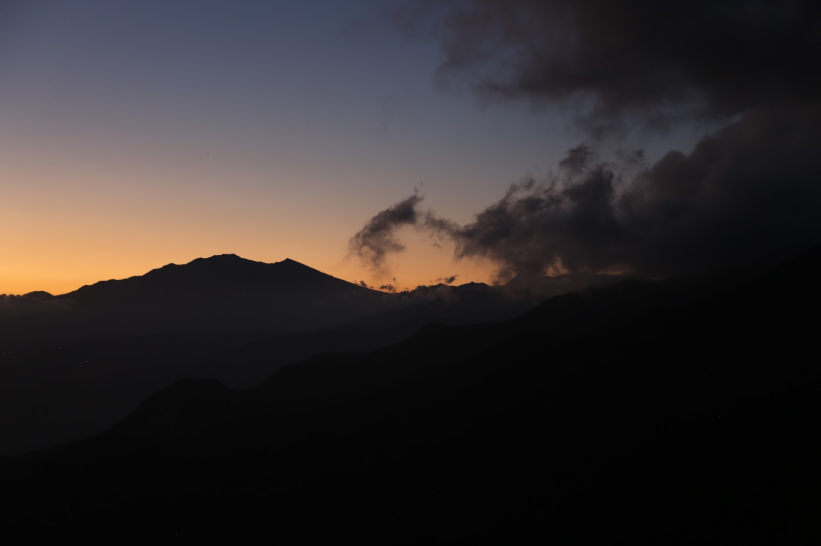
Finding Peace at the Lost and Found Jungle Hostel

Tucked high in the cloud forest of Panama, Lost and Found Hostel offers something many travelers don’t realize they need until they arrive: permission to slow down. The journey there already begins the transition, as roads climb through misty mountains and signal fades, gently separating visitors from constant digital noise and daily urgency.

Peace here begins with environment. The surrounding forest is alive with subtle sound — wind through leaves, distant birds, shifting fog — creating a natural rhythm that replaces artificial stimulation. Without crowded streets or urban intensity, attention gradually turns outward, then inward.

Many guests discover that slowing down is not an activity but a process of subtraction. Without constant schedules, entertainment, or obligations, time opens into unstructured space where rest no longer feels unproductive but necessary.

Morning at the hostel introduces a different relationship with time. Sunlight filters through clouds rather than flooding the landscape, encouraging gentle wakefulness rather than abrupt beginnings. Coffee becomes an experience rather than a routine, something to be savored while mist drifts across the mountains.

One of the simplest ways to find peace here is through observation. Watching fog lift from the valley or listening to the layered sounds of the forest encourages presence without effort. Attention naturally settles when there is nothing competing for it.

Physical movement also supports mental calm. Walking forest paths without rushing allows the body to match the environment’s pace. Each step becomes deliberate, grounding awareness in sensation rather than thought.

The hostel’s design encourages communal calm rather than social pressure. Shared spaces invite conversation but never demand it. Silence feels comfortable rather than awkward, allowing connection to arise naturally and gently.

Travelers often arrive carrying momentum from fast-paced itineraries. At first, slowing down may feel unfamiliar, even uncomfortable. Gradually, the absence of urgency reveals a different quality of experience that feels deeper and more intentional.

Peace here is not dramatic; it is cumulative. Small moments — warm light, fresh air, quiet conversation, distant bird calls — gather into a steady sense of ease that deepens over time.

Many guests notice how quickly attention shifts away from devices. Without strong signal or constant updates, the mind stops scanning for information and begins noticing surroundings instead.

Nature provides structure without pressure. Weather patterns, changing light, and daily cycles guide activity without imposing strict plans. This gentle structure supports relaxation without boredom or restlessness.

Meals at the hostel contribute to this slower rhythm. Eating becomes a shared pause rather than a rushed necessity, reinforcing connection between people, place, and time.

Silence is not empty here; it is textured. Subtle sound layers replace the constant background noise common in busy environments, creating a sensory space that supports reflection and mental clarity.

Peace often emerges when expectations dissolve. Without the need to achieve or document every moment, experience becomes sufficient in itself, and presence replaces performance.

Even simple activities — reading, resting, watching clouds, or listening to rain — take on depth when distraction fades. Time feels fuller not because more happens, but because attention remains steady.

Many visitors describe a gradual internal quieting that mirrors the external environment. Thoughts slow, breathing deepens, and awareness stabilizes in a way that feels both natural and restorative.

Connection with others also changes in this setting. Conversations tend to be slower, more present, and less performative than in fast-moving environments, often shaped by shared appreciation of surroundings.

The forest itself seems to encourage reflection. Shifting light, moving mist, and living textures create a sense that time is unfolding rather than passing.

Leaving the hostel often reveals how much pace influences perception. Travelers return to movement carrying a memory of stillness that remains accessible even in busier settings.

Finding peace at Lost and Found is not about escape but about recalibration. By slowing down enough to notice the world clearly, visitors rediscover a rhythm that was never truly lost — only forgotten.

Pedasí: The Quiet Surf Town You’ll Never Want to Leave

Pedasí feels like a place that quietly wins people over rather than trying to impress them. Located at the tip of the Azuero Peninsula in Panama, this small coastal town blends traditional Panamanian life with a relaxed surf culture that moves at an unhurried pace. The streets are tidy, the air smells faintly of salt, and the rhythm of daily life is shaped more by tides and sunlight than by schedules or crowds.

Getting to Pedasí requires intention, and that journey is part of its charm. Travelers typically take a bus or drive from Panama City toward the town of Las Tablas, then continue south across wide cattle pastures and open countryside. As the landscape shifts from urban density to rural calm, visitors often notice a sense of mental quiet settling in, as though the road itself prepares you for the slower pace waiting ahead.

Unlike larger beach destinations, Pedasí does not rely on dramatic development or nightlife to create appeal. Instead, it offers something rarer: consistency. Mornings unfold gently with coffee and ocean air, afternoons bring warm breezes and long stretches of beach, and evenings close with sunsets that feel personal rather than performative. It is a place where routine becomes restorative rather than repetitive.

Surf culture plays an important role in shaping the town’s atmosphere. Nearby breaks attract beginners and experienced surfers alike, yet the vibe remains welcoming rather than competitive. Conversations often revolve around conditions, tides, and shared experiences in the water, creating an easy sense of community among visitors and locals.

Beaches near Pedasí vary from wide sandy stretches to more rugged shorelines where waves meet rock formations. Each offers a different mood depending on the hour of the day. Early morning light softens the landscape, while late afternoon creates dramatic color across the horizon. Walking these beaches often feels more like wandering through a living painting than visiting a typical tourist destination.

The town itself is small enough that familiar faces quickly become part of the experience. Shopkeepers greet visitors with relaxed friendliness, and local eateries maintain a strong connection to traditional cooking. Meals often emphasize freshness and simplicity rather than elaborate presentation, reinforcing the authenticity that defines Pedasí.

Wildlife is another quiet highlight of the region. Seasonal whale sightings, seabirds overhead, and marine life along the coast remind visitors that the environment remains largely intact. Nature is not packaged here — it is simply present.

Travelers arriving from mountain stays such as Lost and Found Hostel often find Pedasí offers a different kind of immersion. Where cloud forests surround you with dense green textures, Pedasí opens outward toward horizon lines and expansive skies.

Evenings in Pedasí are marked by subtlety rather than spectacle. Soft conversation, distant waves, and warm air create a calm that lingers long after sunset. For many visitors, this understated atmosphere becomes the town’s most memorable quality.

Local festivals and traditions occasionally bring bursts of energy to the quiet setting. Music, food, and community gatherings offer glimpses into cultural continuity that has shaped the region for generations. These moments feel participatory rather than staged, reinforcing Pedasí’s sense of authenticity.

Accommodations range from simple guesthouses to small boutique lodges, each reflecting the town’s emphasis on comfort over excess. Hospitality here feels personal, with hosts often sharing local knowledge about beaches, fishing spots, and seasonal changes.

Fishing traditions remain central to daily life along the coast. Boats depart early, returning with the day’s catch that later appears on local menus. This connection between environment and cuisine is direct and visible.

Pedasí also appeals to travelers seeking reflection and creative inspiration. Writers, photographers, and artists often describe the town as a place where attention naturally sharpens. Without constant distraction, small details become more noticeable.

Transportation within the area is simple and informal, reinforcing the sense that nothing here requires urgency. Bicycles, short drives, and walks replace the need for complex logistics.

Visitors often discover that time feels different in Pedasí. Days stretch gently, defined by natural light rather than clocks. Many arrive planning a short stay and quietly extend their visit.

The surrounding countryside adds another layer of appeal. Rolling hills, farms, and small communities frame the coastal experience, offering insight into rural Panamanian life that contrasts with urban environments.

Pedasí’s charm ultimately lies in balance. It offers comfort without excess, beauty without spectacle, and community without crowding.

---

Isla Iguana: A Natural Sanctuary Just Offshore

A short boat ride from Pedasí leads to one of the region’s most treasured natural sites: Isla Iguana. This protected island offers a striking contrast to mainland beaches through its brilliant white sand and exceptionally clear water.

The journey across open water builds anticipation as the coastline recedes and the island’s bright shoreline comes into view. Visitors often notice how the surrounding sea changes color, shifting from deep blue to vibrant turquoise.

Isla Iguana is recognized as a wildlife refuge, preserving delicate ecosystems both on land and underwater. The island’s name reflects the presence of numerous iguanas that inhabit its dry forest environment.

Unlike more developed beach destinations, infrastructure here remains intentionally minimal. The focus is protection rather than convenience, allowing visitors to experience nature with limited interference.

Snorkeling around the island reveals a vibrant marine environment shaped by protected waters. Fish, coral formations, and clear visibility create conditions that feel immersive rather than observational.

The island’s beach is often described as one of the most beautiful in the region. Soft sand and gentle waves create a setting that feels both pristine and welcoming.

Visitors typically spend several hours exploring, swimming, and resting beneath the sun. The absence of large crowds enhances the sense of discovery.

Birdlife also contributes to the island’s appeal. Seabirds nest and circle overhead, reinforcing the sense that the island belongs primarily to nature.

Returning to Pedasí after visiting Isla Iguana often deepens appreciation for both places. The town offers comfort and community, while the island provides raw natural beauty.

Together, Pedasí and Isla Iguana create a coastal experience defined not by intensity but by harmony. One offers daily rhythm; the other offers untouched landscape.

Travelers who visit frequently describe a subtle transformation in perception. Noise feels distant, pace slows naturally, and attention shifts toward simple details.

What makes Pedasí especially memorable is not a single landmark but an accumulation of impressions — quiet streets, open skies, and steady ocean presence.

Isla Iguana adds a sense of wonder to that experience, reminding visitors of the region’s ecological richness.

For those seeking a destination that combines authenticity, natural beauty, and lasting calm, Pedasí quietly delivers what many travelers hope to find but rarely do.

Isla Contadora: Luxury Vibes on a Backpacker Budget

Isla Contadora is one of those rare destinations that looks exclusive but can be surprisingly accessible for budget travelers.

Located in the Pearl Islands archipelago off the Pacific coast of Panama, the island is known for clear water, soft sand, and relaxed elegance.

Despite its reputation for luxury homes and celebrity visits, Contadora welcomes day-trippers and backpackers looking for a quick island escape.

Getting there is straightforward, which is part of its appeal.

Most travelers depart from Panama City by ferry, a scenic ride that takes roughly two hours across open water.

The ferry journey itself is part of the experience, with skyline views fading into island horizons.

Small planes also connect the island to the city, offering a faster but more expensive option.

Many visitors choose a day trip, especially those based in neighborhoods like Bella Vista who want a beach break without complicated logistics.

Arriving at the island immediately feels different from mainland Panama.

There is no dense urban development, only low buildings, palm trees, and quiet streets.

Transportation on the island is simple, with walking, bicycles, and golf carts as common options.

Beaches are the main attraction, and several are within easy reach of the arrival point.

Playa Ejecutiva is often the first stop, known for calm water and postcard scenery.

The sand is bright and clean, and the water is typically gentle enough for relaxed swimming.

Even on busy days, the atmosphere remains peaceful compared to mainland beaches.

Visitors expecting nightlife will find something different — Contadora is about quiet enjoyment rather than constant activity.

Restaurants range from casual beachfront spots to more refined dining options.

Prices can be higher than on the mainland, but simple meals remain affordable with careful choices.

Budget travelers often balance one nice meal with cheaper snacks or groceries.

For those staying overnight, accommodations vary from guesthouses to boutique hotels.

Spending a night allows visitors to experience the island after day-trippers leave.

Sunsets are a highlight, with open ocean views and minimal noise.

Mornings feel especially tranquil, with nearly empty beaches and soft light.

Activities are simple: swimming, snorkeling, walking, and relaxing.

The island’s size makes exploration easy without structured tours.

Many travelers combine Contadora with a broader Panama itinerary, especially after mountain stays near Lost and Found Hostel for a coast-to-cloud-forest contrast.

Packing light is recommended, as island infrastructure is small and informal.

Cash is useful for small purchases and local services.

Weather is typically warm and sunny, though shade is limited on some beaches.

A day trip provides a refreshing escape, while an overnight stay offers deeper relaxation.

Contadora’s appeal lies in its balance — upscale scenery without mandatory upscale spending.

For travelers seeking calm water, open views, and a taste of island luxury on a practical budget, Isla Contadora delivers exactly that experience.

Café Coca-Cola: Dining in Panama City’s Oldest Diner — Deeper Stories, Hidden Details, Living History

Café Coca-Cola is more than a place to eat — it is a living timeline of urban Panama.

Located in the historic district of Santa Ana, the diner reflects a version of the capital that predates modern skyscrapers.

Its name dates back to an era when bottled Coca-Cola was a novelty in the region, and serving it became part of the café’s identity.

Long before chain restaurants arrived, this café served as a neighborhood anchor where daily life unfolded.

The building itself has endured multiple waves of city transformation without losing its original purpose.

Unlike curated heritage sites, the café’s history is experienced through routine rather than preservation signage.

Generations of families have eaten here, often bringing children who later return as adults.

Some customers recall grandparents describing meals here during the mid-twentieth century.

The café’s interior layout emphasizes function — a counter, simple tables, and constant movement.

There is a rhythm to the place, shaped by breakfast rushes, lunch crowds, and slower afternoon conversations.

Early mornings often begin with strong coffee and tortillas prepared in quick succession.

Regulars know exactly where to sit, creating an informal map of loyalty inside the room.

The menu is rooted in everyday Panamanian cooking rather than regional specialties designed for tourists.

Breakfast frequently includes eggs, fried tortillas, and savory accompaniments that prioritize energy over presentation.

Lunch offerings typically center on rice and beans, a cornerstone of daily nutrition in Panama.

Soups are a defining feature, often prepared in large batches that carry subtle variations from day to day.

One interesting detail is how portion size reflects a working-class tradition of hearty midday meals.

The café historically served laborers connected to commerce and transportation networks nearby.

Its location once placed it within reach of dockworkers, market vendors, and transport employees.

Because of this, meals were designed to be filling, affordable, and quick.

Despite decades of urban change, affordability remains a defining characteristic.

Conversations at neighboring tables often flow naturally between strangers.

Visitors quickly notice that social boundaries are softer here than in many modern eateries.

The café’s reputation grew partly through word of mouth rather than formal promotion.

Writers and journalists have occasionally referenced it as a meeting point for discussion and observation.

Its endurance has made it a symbol of continuity in a city known for rapid development.

Unlike restored districts nearby, Santa Ana reveals a more everyday rhythm of life.

Street sounds drift inside — vendors, buses, footsteps, and conversation.

This constant interaction between interior and exterior space adds to the authenticity of the experience.

Travelers arriving from nature-focused stays like Lost and Found Hostel often find the café grounding and real.

It represents the social heart of the city rather than its scenic side.

Historically, diners like this served as informal information hubs long before digital communication.

News, opinions, and community updates circulated across tables alongside meals.

The café’s persistence also reflects cultural resilience — maintaining tradition amid modernization.

Even the pace of service tells a story about efficiency shaped by necessity.

Orders are simple, expectations are clear, and the focus remains on nourishment.

Another interesting aspect is the blend of generations sharing space simultaneously.

Young customers, longtime regulars, and curious visitors coexist without hierarchy.

The café demonstrates how food spaces preserve identity beyond architecture.

It offers a sensory experience of history — sound, smell, taste, and routine.

Many visitors describe feeling as though they are observing a slice of uninterrupted daily life.

The surrounding neighborhood continues to evolve, but the café anchors memory to place.

It provides contrast to more polished historic areas by emphasizing continuity over restoration.

The absence of theatrical presentation is part of its cultural significance.

In a world of curated experiences, authenticity becomes its defining feature.

Photographs capture the space, but they rarely capture its atmosphere fully.

That atmosphere is created by repetition — meals served, conversations repeated, days unfolding.

The café’s endurance invites reflection on how ordinary spaces shape collective memory.

It reminds visitors that history survives not only in monuments but in habits.

Dining here becomes an act of participation rather than observation.

A meal is not simply consumed; it is experienced within a living social environment.

For those exploring Panama City beyond landmarks, the café provides perspective.

It reveals how tradition persists quietly within daily routine.

The most interesting fact about Café Coca-Cola may be that it continues unchanged in purpose.

It feeds people, hosts conversation, and witnesses time passing.

That simplicity is precisely what makes it extraordinary.

In a rapidly evolving capital, its greatest achievement is continuity.

A visit here does not feel staged — it feels ongoing.

Café Coca-Cola remains a place where the city’s past and present sit at the same table.

Eating for $3: A Guide to Panama’s Fondas

In Panama, few experiences feel more authentic than eating at a fonda. These small, local eateries serve homemade-style meals at prices that surprise most visitors.

A fonda is typically a simple restaurant offering daily prepared food behind a counter. Customers point, order, and receive a hearty plate within minutes.

For budget travelers, fondas are the secret to eating well without spending much. Meals often cost around three dollars, sometimes even less.

Unlike tourist-oriented restaurants, fondas focus on feeding locals. Portions are generous, flavors are familiar, and menus reflect everyday Panamanian cooking.

Most fondas serve a rotating “plato del día,” or plate of the day. This usually includes rice, beans, a protein, and a small salad.

Common proteins include stewed chicken, fried fish, or pork cooked in rich sauces. Each dish reflects regional cooking traditions.

Rice is a central part of the meal, often paired with lentils, black beans, or pigeon peas.

Simple salads typically include cabbage, tomatoes, or potato mixtures that balance the heavier components.

Fondas are everywhere, from busy city streets to small towns. In neighborhoods like Bella Vista, they serve office workers, taxi drivers, and students.

Ordering is straightforward. You point to what you want and say how much — no complicated menu needed.

Spanish helps, but gestures work just fine. A smile and “Gracias” go a long way.

Meals are served quickly because food is prepared in advance and kept warm for lunchtime crowds.

Many fondas operate primarily during midday hours when locals eat their main meal.

For travelers coming down from mountain stays like Lost and Found Hostel, fondas offer a budget-friendly way to eat well in the city.

The experience is as cultural as it is culinary. You eat what locals eat, in the way locals eat it.

Dining spaces are simple, often with plastic chairs and open-air seating.

Despite modest surroundings, food quality is usually excellent and freshly prepared.

Fondas also reveal regional diversity through variations in seasoning and ingredients.

Some specialize in seafood near coastal areas, while others focus on traditional stews inland.

Portion sizes are large enough that many travelers find one plate filling for hours.

For anyone exploring Panama on a budget, fondas are not just cheap — they are essential.

They offer a taste of daily life, a break from tourist pricing, and a reminder that great food doesn’t have to be expensive.

Eating at a fonda transforms a simple meal into a cultural experience rooted in community and tradition.

The Story Behind the Biomuseo: Architecture Meets Biodiversity

The Biomuseo stands at the entrance of the Pacific side of the Panama Canal, instantly recognizable for its bold shapes and bright colors.

Located on the Amador Causeway in Panama City, the museum explores one of the most important ecological stories on Earth: how Panama changed the planet.

The building itself is a work of art designed by world-renowned architect Frank Gehry, marking his first project in Latin America.

Gehry’s design breaks away from traditional museum architecture. Instead of symmetry and calm lines, the structure bursts with angular roofs and vibrant color panels.

These bold forms symbolize tectonic movement, geological change, and the dynamic forces that shaped the isthmus.

The museum tells the story of how Panama rose from the sea millions of years ago, connecting North and South America.

This land bridge dramatically altered global ocean currents and allowed species to migrate between continents.

Scientists consider this event one of the most significant ecological turning points in Earth’s recent geological history.

Inside, exhibits combine science, art, and immersive storytelling to explain biodiversity in accessible ways.

Large-scale displays showcase Panama’s extraordinary range of ecosystems, from mangroves and rainforests to coral reefs and cloud forests.

Interactive exhibits invite visitors to experience how geography shapes life.

The museum emphasizes that Panama contains an astonishing concentration of species for its size.

This richness is why the country is considered a global biodiversity hotspot.

The design of the building itself mirrors this theme of diversity, with overlapping forms and unexpected perspectives.

Natural light enters through carefully placed openings, creating changing interior atmospheres throughout the day.

Visitors often notice how the architecture feels alive rather than static.

The location overlooking the canal entrance reinforces the theme of connection — between oceans, continents, and ecosystems.

The museum also highlights Panama’s role as a biological crossroads where species from different regions coexist.

Educational spaces focus on conservation and environmental awareness, especially for younger generations.

Many travelers visiting urban Panama after mountain stays near Lost and Found Hostel find the museum adds scientific context to the nature they’ve experienced firsthand.

The surrounding outdoor areas offer views of the water, skyline, and passing ships.

This setting reminds visitors that Panama’s geography continues to shape global movement and trade.

The Biomuseo is not just about the past; it explores the future of biodiversity and conservation.

It encourages visitors to see Panama not only as a travel destination but as a living ecological system.

By combining striking architecture with powerful scientific storytelling, the Biomuseo transforms complex ideas into engaging experiences.

It stands as a cultural landmark where design and nature meet.

For anyone curious about why Panama is so biologically unique, the Biomuseo provides a vivid and unforgettable explanation.

Casco Viejo vs. Panama Viejo: Which Historic Site Should You Visit?

Casco Viejo

Casco Viejo is the historic district most visitors picture when they think of old Panama. Restored colonial buildings, lively plazas, and ocean views create a vibrant atmosphere that blends history with modern culture.

Founded in the late seventeenth century, Casco Viejo became the new city center after the original settlement was destroyed. Its streets reflect Spanish colonial design mixed with French and Caribbean influences.

Today, the district is fully integrated into modern life. Boutique hotels, cafes, museums, and rooftop viewpoints sit within centuries-old architecture.

Visitors staying in central neighborhoods like Bella Vista often find Casco Viejo the easiest historic site to reach for a half-day visit.

The area is walkable and compact, making it ideal for relaxed exploration without needing a guide.

Plaza-centered urban design means you naturally move from landmark to landmark without planning a strict route.

Casco Viejo is also known for its social energy. Street performers, small galleries, and open-air dining create a lively environment throughout the day.

The district is especially beautiful in the evening, when warm lighting highlights balconies and stone facades.

For travelers coming down from mountain stays like Lost and Found Hostel, Casco Viejo offers a dramatic contrast to cloud forest landscapes.

Photographers often prefer Casco Viejo because the architecture is preserved, colorful, and accessible from many angles.

Museums in the area help visitors understand Panama’s independence movements and maritime history.

Casco Viejo also provides panoramic views of the modern skyline, blending old and new in a single frame.

Food options are abundant, ranging from traditional Panamanian dishes to international cuisine.

Because of restoration efforts, the district feels safe, polished, and welcoming for first-time visitors.

Casco Viejo is ideal for travelers seeking a cultural experience that includes history, architecture, and atmosphere in one place.

---

Panama Viejo

Panama Viejo offers a very different historical experience. Instead of restored buildings, visitors explore the original ruins of the first European settlement on the Pacific coast.

Founded in the early sixteenth century, Panama Viejo represents the birthplace of modern Panama City.

The site preserves stone remains of churches, convents, and civic structures destroyed centuries ago.

Walking through Panama Viejo feels more like visiting an archaeological landscape than an urban neighborhood.

Wide open spaces and preserved foundations help visitors visualize how the early city once functioned.

The iconic stone tower is one of the most recognizable landmarks in Panamanian history.

Climbing the tower provides sweeping views of the surrounding landscape and coastline.

Unlike Casco Viejo, Panama Viejo is quieter and more contemplative, offering space to reflect on historical events.

Interpretive displays explain trade routes, colonial life, and the significance of the original settlement.

The environment is less commercialized, with fewer restaurants and shops inside the site itself.

Visitors often spend time imagining daily life during the early colonial period.

Panama Viejo emphasizes historical authenticity over restoration.

It appeals especially to travelers interested in archaeology and early colonial history.

Because the ruins are spread out, walking distances are greater than in Casco Viejo.

The site offers a stronger sense of time passage, where nature and history intersect.

---

Direct Comparison

Casco Viejo feels alive and integrated into modern Panama City, while Panama Viejo feels preserved and reflective.

One is a living historic district; the other is an archaeological memory of the original city.

Casco Viejo offers architecture you can enter and interact with. Panama Viejo offers ruins you observe and interpret.

Visitors seeking atmosphere, dining, and culture tend to prefer Casco Viejo.

Travelers focused on historical origins and early settlement history often prefer Panama Viejo.

Casco Viejo works well for casual exploration without preparation.

Panama Viejo rewards visitors who enjoy reading exhibits and imagining historical reconstruction.

Time commitment also differs. Casco Viejo can fill a full day easily, while Panama Viejo is often explored in a few hours.

Accessibility favors Casco Viejo for travelers using taxis or urban transport.

Panama Viejo offers more open space and fewer crowds, especially on weekdays.

Photographic styles differ too — Casco Viejo offers colorful architecture, while Panama Viejo offers dramatic ruins.

Both sites complement each other rather than compete.

Many travelers visit both to understand Panama’s historical timeline from origin to transformation.

If you must choose only one, the decision depends on whether you want a lively historic neighborhood or a preserved archaeological site.

Casco Viejo provides immersive culture and social energy.

Panama Viejo provides historical depth and perspective.

Together, they tell the full story of Panama City’s past and present.

The Pipeline Road: Why It’s a Birdwatcher’s Paradise

Pipeline Road is widely considered one of the best birdwatching locations in the world, drawing enthusiasts to Soberanía National Park year-round.

Located just outside Panama City in Panama, this legendary road cuts through pristine tropical rainforest rich in biodiversity.

Originally built for maintenance access, Pipeline Road has evolved into a global hotspot for wildlife observation.

Birdwatchers visit because the density of species here is extraordinary, with hundreds of bird species recorded along a single route.

The habitat diversity along the road plays a major role in this richness. Forest canopy, understory, wetlands, and open clearings all exist within walking distance.

These layered ecosystems support everything from tiny hummingbirds to large raptors soaring overhead.

One of the biggest advantages of Pipeline Road is accessibility. Unlike remote jungle locations, visitors can explore deep rainforest environments without difficult travel.

The road is mostly flat, making it ideal for slow, quiet walking — a key advantage for birdwatching success.

Early mornings are especially magical. Dawn brings an explosion of sound as birds begin their daily activity.

Experienced observers often pause frequently, listening before scanning the canopy for movement.

Mixed-species feeding flocks are a highlight of the experience. Dozens of birds can appear together, moving through the forest in coordinated waves.

Because the forest is protected, wildlife encounters extend beyond birds. Monkeys, sloths, and other mammals are frequently seen.

The relatively undisturbed environment allows birds to behave naturally, making sightings more predictable.

Pipeline Road’s reputation grew when record-setting bird counts were documented here during single-day observations.

Guides and researchers from around the world continue to study species distribution and behavior in this unique corridor.

The surrounding rainforest also creates excellent lighting conditions for photography, especially during early hours.

Even beginners quickly appreciate how different this environment feels compared to urban parks or open habitats.

Travelers coming down from mountain stays or places like Lost and Found Hostel often find Pipeline Road a completely different ecological experience.

Another advantage is the sense of immersion. The road feels less like a trail and more like a journey into untouched nature.

Birdwatching here is not rushed. Patience, quiet movement, and observation are rewarded again and again.

Seasonal variations add excitement, with migratory species appearing at different times of year.

Pipeline Road remains a symbol of Panama’s ecological richness — a place where biodiversity is not abstract but vividly experienced.

For anyone curious about tropical wildlife, it offers one of the most accessible and rewarding birdwatching environments on Earth.