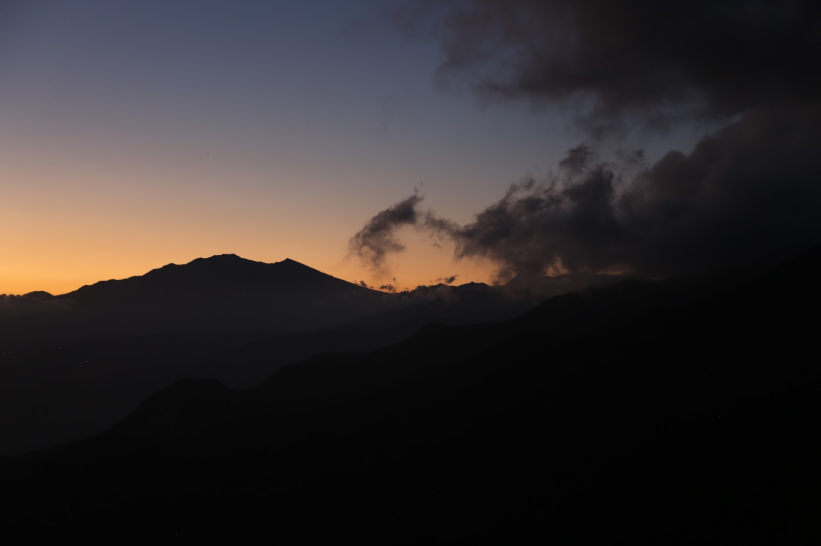
Volcán Barú is the highest point in Panama, standing tall at 3,474 meters (11,398 feet) above sea level. It is located in the western province of Chiriquí and dominates the landscape around Boquete, a small town renowned for its coffee plantations and cooler climate.
Unlike many volcanoes around the world, Volcán Barú is considered dormant, not extinct. It last erupted approximately 500 years ago. Its dormant status has allowed lush forests and agricultural lands to thrive on its slopes.
The volcano is a stratovolcano, characterized by steep sides and multiple layers of hardened lava, volcanic ash, and rock. These layers tell the story of its fiery past and its role in shaping the region’s geology.
Volcán Barú offers a unique opportunity: on clear days, from its summit, you can see both the Pacific Ocean and the Caribbean Sea simultaneously. This rare geographical phenomenon makes it a bucket-list destination for hikers and photographers alike.
The surrounding area is home to an incredible variety of ecosystems. From tropical forests at its base to cloud forests closer to the summit, Volcán Barú supports a wide array of plant and animal life.
Birdwatchers often visit the area because it hosts several species endemic to Panama. Quetzals, toucans, and hawks are common sights in the forested regions of the volcano.
The town of Boquete, nestled at the base of Volcán Barú, serves as the primary gateway for visitors. Boquete is famous for its coffee, cooler climate, and outdoor adventure culture, which makes it an ideal base for exploring the volcano.
Hiking Volcán Barú is one of the most popular activities for tourists. The standard trail, known as the Sendero Los Quetzales, takes most hikers 6–10 hours to complete round-trip, depending on fitness and weather conditions.
The hike can be physically demanding. Elevation gain is significant, and temperatures drop considerably as you ascend. Many hikers start in the early hours to reach the summit for sunrise.
During the ascent, hikers move through various climate zones. Lower elevations are warm and humid, while higher elevations can be cold and windy, especially near the peak.
Camping near the summit is an option for those who want to catch the sunrise without hiking in the middle of the night. However, campers must prepare for cold temperatures and rapidly changing weather.
The summit offers panoramic views that are breathtaking. On exceptionally clear days, one can see both oceans, distant mountains, and even the surrounding volcanic peaks in Costa Rica.
Sunrise hikes are particularly popular. Watching the sun rise over Panama from the top of Volcán Barú is an unforgettable experience that draws photographers from around the world.
The volcanic soil in the area is highly fertile, making it perfect for agriculture. Coffee, vegetables, and flowers are commonly grown on the lower slopes of the volcano.
Boquete’s coffee plantations have gained international recognition, and many tours offer visitors the chance to see the entire coffee-growing process, from bean to cup.
The cloud forests near the volcano are rich in biodiversity. Rare orchids, bromeliads, and ferns are abundant, creating a lush, vibrant ecosystem that changes with the altitude.
Volcán Barú is also part of a protected area, the Volcán Barú National Park. This designation helps preserve its ecosystems, wildlife, and unique geological features.
The park covers around 13,000 hectares and includes several trails, viewpoints, and natural attractions. Rangers monitor the area to ensure conservation and visitor safety.
Due to its elevation and ecological diversity, Volcán Barú plays a significant role in local climate patterns. It affects rainfall distribution and creates microclimates that are vital for agriculture and biodiversity.
The volcano is composed of layers of andesite and dacite lava, which are typical of stratovolcanoes. These rocks provide insight into the region’s volcanic activity over centuries.
Several rivers originate from Volcán Barú, providing fresh water to nearby towns and supporting both human and ecological communities.
In addition to hiking, Volcán Barú attracts adventurers for mountain biking, birdwatching, and nature photography. Its steep slopes and scenic vistas make it a versatile destination.
Volcán Barú is culturally significant to the people of Chiriquí. It is featured in local folklore and often symbolizes strength and resilience.
Local guides offer tours of the volcano, sharing insights about the geology, flora, fauna, and history. Hiring a guide enhances the hiking experience and increases safety.
Wildlife is abundant. Besides birds, hikers may encounter agoutis, armadillos, and even spectacled bears in remote areas, although sightings are rare.
The hike’s difficulty can be affected by weather. Heavy rains can make trails slippery and fog can reduce visibility, so preparation is key for anyone attempting the summit.
Acclimatization is important. Even though the volcano isn’t extremely high compared to peaks elsewhere, the rapid altitude gain can cause shortness of breath and fatigue for some hikers.
Sun protection is essential. High elevations expose hikers to stronger UV rays, and cloud cover can be deceiving. Sunscreen, hats, and sunglasses are recommended.
Volcán Barú has also been the focus of scientific study. Geologists study its soil, lava flows, and historical eruptions to understand regional volcanic activity and hazards.
The volcano contributes to Panama’s tourism economy. Hikers, birdwatchers, and coffee enthusiasts visiting Volcán Barú support local businesses, lodges, and restaurants.
Conservation efforts continue to be important. Protecting the natural environment around Volcán Barú ensures that future generations can enjoy its unique landscapes and biodiversity.
For those unable to hike to the summit, several viewpoints along the lower slopes offer spectacular views of the surrounding valley, coffee plantations, and cloud forests.
Volcán Barú is a year-round destination. The dry season, from December to April, is generally considered the best time to hike, as trails are less slippery and skies are clearer.
The volcano remains a symbol of natural beauty, adventure, and ecological diversity in Panama. It draws both domestic and international visitors seeking to experience its unique landscapes.
Whether you are a seasoned hiker, a nature enthusiast, or a photographer, Volcán Barú offers experiences that are both challenging and rewarding, showcasing the natural wonders of Panama.
Its combination of geological history, biodiversity, panoramic vistas, and cultural significance make Volcán Barú a must-visit destination for anyone exploring the Chiriquí region.
From its fertile slopes producing world-class coffee to its cloud forests teeming with life, Volcán Barú stands as a majestic monument to Panama’s natural heritage.
Ultimately, visiting Volcán Barú is more than a hike; it is an immersion into the heart of Panama’s mountainous landscapes, a chance to connect with nature, and a testament to the country’s diverse ecosystems.