
Panama sits just north of the equator, which means sunlight reaches the ground at a more direct angle than in most temperate countries. This positioning creates consistently strong ultraviolet (UV) radiation throughout the year.
Unlike places with large seasonal changes, UV levels in Panama remain high even on days that feel mild or cloudy. The intensity surprises many visitors arriving from North America or Europe.
UV radiation is the part of sunlight that affects skin health. It is responsible for tanning, sunburn, and long-term skin damage when exposure is excessive.
In tropical regions like Panama, the UV Index frequently reaches very high or extreme levels. These categories indicate that unprotected skin can burn quickly.
Midday sun is particularly intense. The hours between late morning and early afternoon bring the highest UV exposure of the day.
Many people assume clouds reduce risk, but UV rays penetrate cloud cover. Overcast skies can still deliver strong exposure.
Urban environments do not reduce UV intensity significantly. Even in dense districts of Panama City, reflected light from buildings and pavement can increase exposure.
Coastal and beach areas intensify UV effects further. Water and sand reflect sunlight upward, increasing the amount of radiation reaching the skin.
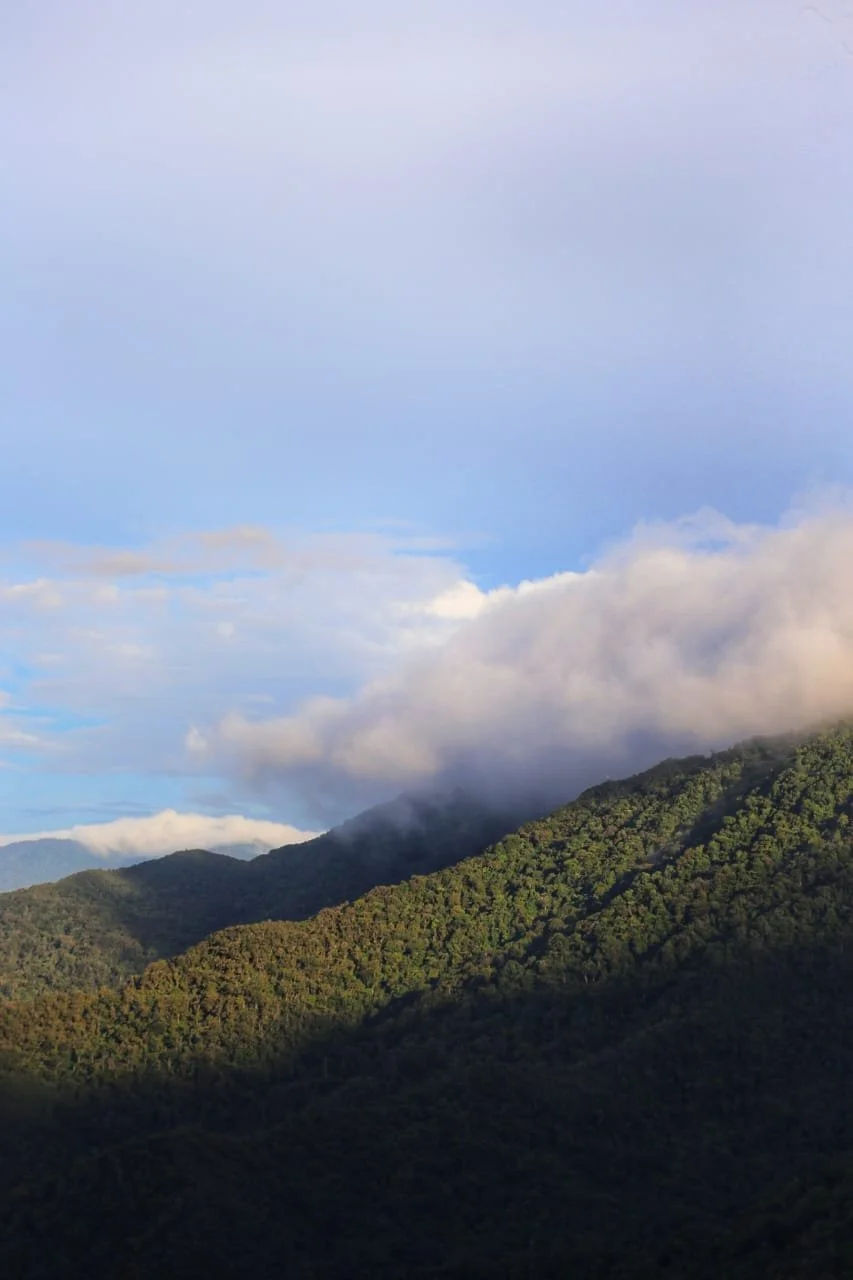
Higher elevations can also increase exposure. Travelers coming from cooler highland areas near Boquete or hiking around Volcán Barú may feel cooler temperatures but still experience strong UV radiation.
Humidity can make sun exposure feel less harsh, which sometimes leads people to underestimate how quickly skin can burn.
Skin safety in Panama is less about avoiding the sun entirely and more about managing exposure wisely. The sun is a normal and enjoyable part of daily life.
Protective habits make a significant difference. Wearing a hat, sunglasses, and lightweight long sleeves helps reduce direct exposure.
Sunscreen is one of the most effective protections when used properly. It should be applied before going outside and reapplied regularly during extended exposure.
Hydration is also important. Strong sun and tropical heat can increase fluid loss through sweating.
Short, repeated exposures are generally safer than long periods in direct midday sun. Seeking shade during peak hours helps protect skin.
Different skin types react differently to UV radiation. People with lighter skin may burn faster, while darker skin still requires protection from long-term damage.
Children and visitors new to tropical climates often need extra caution because their skin may not be accustomed to intense sunlight.
The idea that a base tan protects skin is misleading. Any change in skin color indicates UV exposure has already affected the skin.
Long-term overexposure to strong UV radiation can contribute to premature skin aging and other health risks.
Local residents often structure outdoor activities around the sun’s intensity, choosing early morning or late afternoon for extended time outside.
Travelers who adapt to this rhythm usually find the climate comfortable and manageable.
Panama’s strong sun is not dangerous when respected, but it demands awareness. The intensity is part of the environment, much like humidity or rainfall.
Understanding UV strength helps visitors enjoy outdoor activities safely, whether exploring cities, beaches, or mountain trails.
Ultimately, the tropical sun in Panama is powerful but predictable. With simple protective habits, most people can enjoy the country’s bright climate comfortably and safely.