
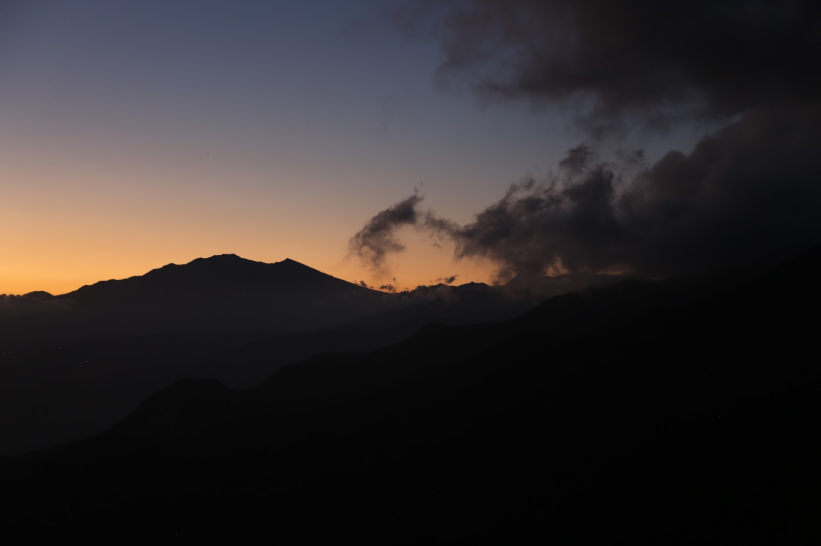
Panama has a reputation for canals, jungles, and biodiversity, but once the sun sinks into either the Pacific or the Caribbean, a completely different personality emerges. The nightlife scene here is layered and surprisingly sophisticated for such a small country. In one week you can sip craft cocktails 50 floors above the skyline, dance reggaeton in cobblestone alleys, pregame barefoot on a dock in the Caribbean, and end up at a sunrise afterparty without ever repeating the same type of night. Partying in Panama isn’t just about clubs — it’s about geography, climate, culture, and the rhythm that runs through the country long after midnight.
If you want scale, style, and skyline views, everything begins in Panama City. This is where rooftop culture thrives, where DJs fly in from abroad, and where the dress code sometimes matters more than the drink menu. Casco Viejo, the old quarter, is the nightlife nucleus — a tight grid of colonial streets packed with bars stacked vertically inside restored buildings. You can start with sunset cocktails overlooking the Pacific, drift downstairs into a reggaeton-heavy dance floor, then walk two minutes and find yourself inside a salsa bar where couples spin across the tiles with impossible confidence. The variety within a few blocks is what makes it electric; you don’t commit to one vibe for the whole night — you curate it as you go.
Beyond Casco, neighborhoods like Calle Uruguay and Obarrio lean into the glossy nightclub experience: velvet ropes, bottle service, LED walls, and thumping bass that doesn’t stop until well past 3 a.m. These are the places where heels replace hiking boots and where Panama’s cosmopolitan side flexes hardest. You’ll see a mix of locals celebrating birthdays, expats networking aggressively, and travelers who accidentally dressed too casually learning a quick lesson about city nightlife standards. It feels more Miami than Central America, and that contrast is part of Panama’s charm — the country can switch from rainforest silence to metropolitan intensity in a matter of hours.
Musically, Panama pulses with reggaeton and Latin pop, but that’s only the surface layer. Salsa and bachata are alive and well, especially in smaller bars where live bands sometimes replace DJs and the dance floor feels more communal than performative. You don’t have to be skilled — enthusiasm counts — and locals often welcome beginners into the rhythm. On certain nights, electronic music pushes into the spotlight, particularly in venues influenced by the digital nomad and expat crowd. The result is a nightlife ecosystem where you can pivot from Caribbean beats to underground house without ever calling a taxi.
Shift coasts and the energy transforms completely in Bocas del Toro. If Panama City is sleek and vertical, Bocas is horizontal and barefoot. The party here begins earlier, often in the late afternoon, with boat taxis shuttling sunburned backpackers between islands. Bar crawls are practically institutionalized, moving crowds from dock to dock with drink specials and DJs blasting into humid Caribbean air. There are nights when the dance floor is a wooden pier, the roof is optional, and the line between bar and ocean disappears entirely. It’s chaotic in the best way — sandy, sweaty, unfiltered — and social by design.
Bocas also thrives on the boat party phenomenon, where dozens of travelers pile onto a vessel equipped with speakers, coolers, and zero intention of subtlety. The music competes with the wind, people jump into turquoise water mid-party, and strangers become temporary best friends within minutes. These aren’t polished club experiences; they’re shared adventures powered by rum, reggae, and the understanding that everyone leaves eventually. The island circuit creates a rolling festival atmosphere during high season, particularly on weekends when every dock seems to vibrate.
Head back inland to Boquete and the mood softens but doesn’t disappear. Boquete’s nightlife is more intimate, driven by hikers and coffee enthusiasts who’ve spent the day chasing waterfalls or climbing volcanic trails. Instead of massive dance floors, you find cozy pubs, trivia nights, live acoustic sets, and long communal tables where conversations stretch for hours. The altitude and cooler air create a different tempo; drinks feel earned after a long trek, and the party often revolves around storytelling rather than spectacle. It’s social in a way that sneaks up on you — you arrive planning for one beer and leave after midnight.
On the Pacific coast in Santa Catalina, nightlife contracts further into something almost primal: beach bonfires, small surf bars, and rum mixed casually while waves break in the darkness. There aren’t giant clubs or elaborate events; the party is the people. Travelers swap diving stories from Coiba, pass around speakers, and sit in circles under the stars. It’s quieter, yes, but also deeply social. In these smaller towns, nightlife feels less transactional and more communal — no lines, no bouncers, just whoever showed up that night.
Hostels play an enormous role across the country. In Panama, they aren’t just places to sleep — they’re nightlife incubators. Organized bar crawls, themed dinners, drinking games, and group outings create a built-in social structure that makes solo travel feel instantly communal. A single WhatsApp group can mobilize twenty people toward the same club within minutes. The atmosphere often depends on the hostel’s personality: some are party-forward and loud, others social but balanced. Reading reviews becomes crucial if you’re deciding whether you want chaos or calm.
Cost-wise, Panama sits slightly above neighboring countries but remains accessible for backpackers who plan wisely. Beers in bars hover around a few dollars, cocktails rise higher in rooftop venues, and club entry sometimes includes a drink. Pre-drinking from supermarkets is common among budget travelers, especially in Bocas. Bottle service exists but isn’t necessary unless you’re aiming for a specific high-end experience. Compared to North American cities, nightlife here still feels like a relative bargain.
Safety, as always, deserves attention. Panama is broadly safe, but nightlife anywhere requires awareness. Using rideshare apps or registered taxis in the city, watching your drinks, sticking with friends, and pacing alcohol consumption are simple habits that make a big difference. The tropical climate intensifies dehydration, and the combination of heat and humidity can magnify hangovers dramatically. Hydration and food are not optional if you want to function the next day.
One of Panama’s greatest nightlife advantages is its ability to coexist with adventure. You can dance until 3 a.m. and still catch a morning boat — though you may regret it slightly. The country’s compact geography allows rapid transitions between party hubs and nature escapes. That balance is what makes partying here sustainable over a two-week trip; you can recover in a hammock, detox on a jungle hike, and then re-enter the chaos when ready.
Carnaval, if your timing aligns, elevates everything to another level. Entire cities transform into street festivals filled with music trucks, water cannons, costumes, and dancing that spills into daylight hours. It’s one of the biggest celebrations in the country and demands planning, stamina, and accommodation booked well in advance. New Year’s Eve rooftop parties in Panama City and peak-season weekends in Bocas also draw serious crowds.
Ultimately, partying in Panama isn’t defined by one scene. It’s a spectrum — urban and Caribbean, polished and barefoot, structured and spontaneous. Whether you crave skyline cocktails, reggaeton dance floors, island bar crawls, or bonfire storytelling sessions, the country delivers without forcing you into one identity. The smartest approach is flexibility: read the room, match your energy to the town, and leave space in your itinerary for nights that weren’t planned.
Because in Panama, the best parties often start with “just one drink” and end with sunrise over either ocean — and that duality, that ability to move between wild celebration and natural beauty so seamlessly, is what makes its nightlife unforgettable.