
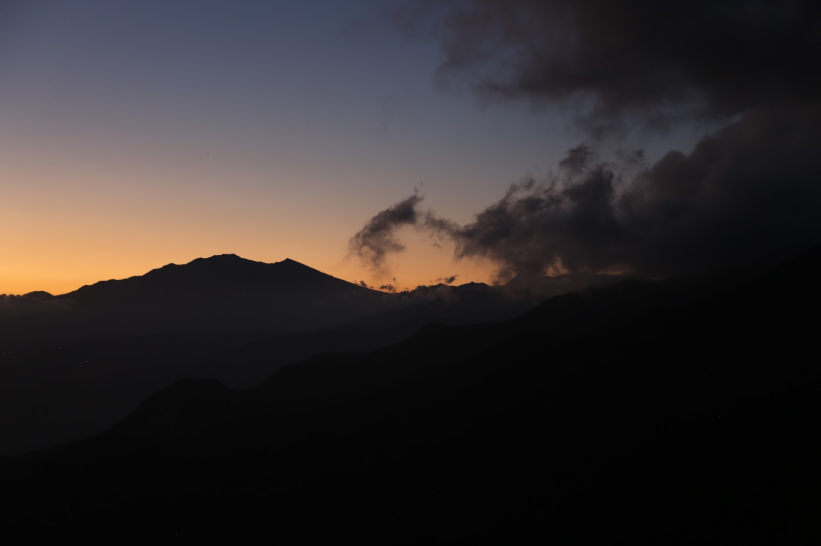
Fire Beneath the Isthmus: The Geological History of Volcanic Activity in Panama

The land of Panama is often celebrated for its rainforests, biodiversity, and the engineering marvel of the Panama Canal, but beneath its green surface lies a far older story written in fire. Panama is not a country of frequent volcanic eruptions today, but its mountains, soils, and landscapes are deeply shaped by ancient volcanic activity that once transformed the region on a massive geological scale. To understand Panama’s volcano history is to understand that its current calm surface is the result of millions of years of violent geological creation.

Unlike neighboring countries such as Costa Rica or Nicaragua, Panama does not have historically active volcanoes in the modern era. There are no recorded eruptions in recent centuries, and no volcanoes currently considered active. However, this does not mean Panama is geologically inactive. In fact, the country sits on a complex tectonic boundary where the Cocos, Nazca, and Caribbean plates interact, a region that has been highly active over geological time. This tectonic setting is what created Panama itself, gradually raising land from the ocean and forming the narrow land bridge that now connects North and South America.

The most important volcanic phase in Panama’s history occurred millions of years ago during the Miocene and Pliocene epochs, roughly between 20 million and 3 million years ago. During this period, volcanic arcs formed due to subduction zones offshore, where one tectonic plate was forced beneath another. This process generated magma that rose to the surface, forming volcanic chains across what is now western Panama. Over time, these volcanic structures contributed to the uplift of the isthmus, eventually closing the marine connection between the Atlantic and Pacific Oceans. This event was one of the most significant geological transformations in Earth’s recent history, as it altered ocean currents and climate patterns globally.

One of the most important volcanic regions in Panama is the western highlands near the border with Costa Rica, particularly in the province of Chiriquí Province. This region contains the remains of ancient volcanic systems that shaped its mountainous terrain. The most famous feature is Volcán Barú, the highest peak in the country at over 3,400 meters. Today, Volcán Barú is classified as dormant rather than active, but its geological structure clearly shows its volcanic origin. The mountain is a stratovolcano, built from layers of lava flows, ash, and volcanic debris accumulated over time.

Although Volcán Barú has not erupted in recorded history, geological studies suggest that it last experienced activity several thousand years ago, possibly during the Holocene epoch. Its slopes still contain geothermal indicators such as warm ground areas and fumarolic activity in some regions, suggesting residual heat beneath the surface. However, it is not considered an immediate threat, and its current state is one of dormancy rather than imminent eruption.

The volcanic activity that formed Barú and surrounding highlands played a critical role in shaping Panama’s environment. Volcanic soils are among the most fertile in the world, and this is especially visible in regions like Boquete and Volcán, where agriculture thrives. Coffee cultivation in particular benefits from the mineral rich soils created by ancient eruptions, combined with high altitude and cool climate conditions. The lush landscapes of western Panama are directly tied to this volcanic past.

Beyond the highlands, much of Panama’s central and eastern regions are not volcanic in origin. These areas are primarily composed of sedimentary and marine deposits that were uplifted as the isthmus formed. This contrast between volcanic western mountains and non volcanic central lowlands is one of the defining geological features of the country. It explains why certain regions are mountainous and fertile while others are flatter and more influenced by river and coastal processes.

The formation of the Isthmus of Panama itself, which is estimated to have fully closed between 3 and 4 million years ago, was indirectly influenced by volcanic and tectonic activity. As volcanic arcs and underwater ridges rose and collided, they gradually restricted the seaway between the Pacific and Atlantic Oceans. This closure had enormous consequences for global ocean circulation, climate systems, and biodiversity. It allowed the exchange of land animals between North and South America in what is known as the Great American Biotic Interchange, fundamentally reshaping ecosystems across the Western Hemisphere.

Even though Panama does not currently experience active volcanism, it remains seismically active. Earthquakes are more common than volcanic eruptions, particularly along tectonic boundaries. This ongoing movement is a reminder that the geological story is not finished. The same forces that built the volcanic foundations of western Panama are still slowly reshaping the region beneath the surface.

There is also scientific interest in understanding whether any future volcanic activity could occur in Panama. At present, there is no evidence of magma chambers rising toward the surface or any signs of imminent volcanic resurgence. However, the broader Central American volcanic arc remains active in nearby countries, which means Panama’s geological setting is still part of a larger dynamic system.

Today, the legacy of Panama’s volcanic past is visible not in eruptions, but in landscapes. The dramatic mountains of Chiriquí, the fertile soils that support agriculture, and the elevated terrain that defines the western part of the country all trace their origins back to ancient volcanic forces. Even the climate in regions like Boquete, with its cooler temperatures and cloud forest conditions, is influenced by elevation created through volcanic uplift.

In contrast, much of the rest of Panama tells a different geological story shaped by oceans, sediment, and gradual uplift rather than fire. This duality makes Panama geologically unique, a country where volcanic history and marine geology meet to form a narrow but incredibly diverse land bridge.

In the end, Panama’s volcanic story is not one of dramatic eruptions witnessed in recorded history, but of deep time and silent transformation. The volcanoes that built its mountains are long dormant, but their influence remains everywhere, in the soil beneath farms, in the shape of the highlands, and in the very existence of the country itself. Beneath the calm surface of modern Panama lies a powerful reminder that this land was once shaped by fire, and that its foundations were forged in the dynamic meeting point of Earth’s great tectonic forces.

The Full Life, Power Network, and Collapse of Manuel Noriega

The life of Manuel Noriega is one of the most intricate and unsettling political stories of the 20th century, not just because of what he did, but because of how he rose, how he was used, and how abruptly he was discarded. His story is not only Panamanian history, but also a Cold War case study in intelligence, proxy power, and the blurred line between ally and adversary. It stretches from extreme poverty in early 20th century Panama to the highest levels of military control, and finally to international invasion, imprisonment, and exile.

Noriega was born in 1934 in Panama City during a period when Panama was still defining its identity as a young republic, closely tied economically and strategically to the presence of the Panama Canal. His early life was marked by hardship. He was born into poverty, and after losing his parents at a young age, he was raised in conditions that offered little stability or opportunity. He attended school through support systems that helped disadvantaged youth, but his trajectory quickly shifted toward military life, which offered structure, income, and upward mobility.

This early background matters because it shaped Noriega’s psychological orientation toward authority. Unlike political elites born into wealth or education, he developed within systems that rewarded obedience, discipline, and tactical thinking. He learned early that institutions, not ideology, determined survival. This would later define his entire approach to power.

In the 1950s, Noriega entered military training and was eventually sent abroad for further instruction. He studied at military academies in Peru and later received training linked to United States military programs, including counterintelligence and psychological operations training during the Cold War era. These programs were designed to build regional allies against communist influence, and they exposed Noriega to modern intelligence doctrine, surveillance systems, and interrogation techniques. More importantly, they taught him how information could be weaponized.

When he returned to Panama, he joined the National Guard of Panama, which at that time was not just a military institution but a central political force. The National Guard functioned as both security apparatus and political arbiter, and its influence extended far beyond traditional defense roles. Noriega quickly distinguished himself within this structure, not through battlefield command, but through intelligence work.

By the late 1960s and early 1970s, he had become deeply embedded in military intelligence operations. He developed networks of informants, surveillance systems, and internal monitoring structures that gave him access to sensitive political and military information. This role placed him in a position where he could see the entire internal machinery of the state while remaining partially invisible himself. This invisibility became one of his greatest strengths.

During this period, Panama was increasingly shaped by its strategic importance to global trade through the canal. The United States maintained significant influence over the Canal Zone, which operated with its own administrative systems and infrastructure. This created a dual reality within the country: one governed by Panamanian institutions, and another heavily influenced by foreign administration. Noriega operated within this tension, developing relationships that extended beyond Panama’s borders.

It was during the 1970s that Noriega began cooperating with foreign intelligence agencies, most notably the United States Central Intelligence Agency. This cooperation included intelligence sharing, regional surveillance, and assistance in Cold War related operations in Latin America. In return, Noriega gained access to funding, training opportunities, and political protection. At the same time, he began accumulating significant domestic power within Panama’s military structure.

However, alongside this cooperation, allegations emerged linking Noriega to illicit financial networks and drug trafficking organizations operating across Central America. Reports and later investigations suggested that he either facilitated or tolerated these operations in exchange for financial and political advantage. These allegations became central to his later prosecution, although the full extent of his involvement remains debated by historians and political analysts.

By 1983, Noriega had become the de facto ruler of Panama without holding the formal title of president. He controlled the military, influenced civilian governments, and effectively directed national policy from behind the scenes. The official presidency existed, but real authority flowed through military command structures that Noriega dominated. His power was not based on elections or public mandate but on control of coercive institutions.

Internally, Panama during this period was stable in appearance but tightly controlled. Political opposition existed but operated under surveillance pressure. Media institutions faced constraints, and dissent was often monitored or suppressed. The state functioned efficiently in administrative terms, but political pluralism was limited. Many citizens experienced normal daily life, but within a system where boundaries of speech and organization were carefully managed.

Internationally, Noriega’s position was increasingly contradictory. During the early Cold War period, his cooperation with United States intelligence made him a useful regional asset. However, as global priorities shifted in the 1980s, especially regarding drug enforcement and democratic governance in Latin America, tolerance for authoritarian figures connected to illicit activity declined sharply.

By the mid 1980s, diplomatic relations between Noriega and the United States began to deteriorate. Investigations and public accusations increased, including claims of drug trafficking, election manipulation, and political repression. At the same time, opposition movements within Panama grew stronger, particularly after disputed elections that were widely criticized as unfair. Economic pressure and political isolation began to build.

The turning point came in 1989. After years of escalating tension, sanctions, and failed negotiations, the United States launched a full scale military operation known as Operation Just Cause. The stated objectives were to protect American citizens, restore democratic governance, and capture Noriega, who had been indicted in the United States on drug trafficking charges.

The invasion involved over 20,000 U.S. troops and marked one of the largest military operations in Latin America in the late 20th century. Fighting took place across multiple locations, including strategic military installations and urban areas within Panama City. Infrastructure damage occurred in several districts, and the operation quickly overwhelmed Panamanian defense forces loyal to Noriega.

During the invasion, Noriega attempted to evade capture. He moved between safe houses and diplomatic locations, relying on loyalists and his knowledge of internal networks. For several days, he remained in hiding despite intensive search efforts. However, as military pressure increased and his command structure collapsed, his position became unsustainable. Eventually, he surrendered to U.S. forces at a Vatican diplomatic facility in Panama.

Following his capture, Noriega was transported to the United States to face trial. In 1992, he was convicted on multiple charges, including drug trafficking, racketeering, and money laundering. The trial was significant not only for the charges themselves but because it revealed the extent of covert relationships between intelligence agencies, foreign policy operations, and individuals like Noriega who operated in overlapping spheres of legality and political utility.

He was sentenced to prison in the United States, marking the definitive end of his rule in Panama. However, his legal journey did not end there. After serving his sentence in the United States, he was extradited to France, where he was convicted on additional financial crimes related to money laundering. Later, he was returned to Panama, where he faced further legal proceedings connected to human rights abuses and political crimes committed during his time in power.

In his final years, Noriega lived under imprisonment in Panama, his health deteriorating significantly. He died in 2017 in Panama City at the age of 83, closing a life that had begun in poverty and ended in confinement.

The legacy of Manuel Noriega remains deeply contested. For many, he represents authoritarian control, surveillance, and political repression. For others, his story is inseparable from the broader context of Cold War geopolitics, where foreign powers often supported or tolerated strongmen when it suited strategic interests, only to later turn against them when priorities changed.

What makes his story particularly important is not just the scale of his power, but the mechanism by which it was built. Noriega did not rise through democratic legitimacy or ideological movements. He rose through intelligence systems, institutional control, and the strategic management of information. His power was real, but it was also conditional, dependent on external alliances that eventually dissolved.

In the broader history of Panama, his life remains a reminder of how small nations can become arenas for global competition, and how individuals operating within those systems can rise to extraordinary power before being removed just as quickly when global conditions change. His story is not just about one man’s corruption or authority, but about the fragile architecture of power itself, especially in a world shaped by secrecy, intelligence, and shifting alliances.

A Century in the Isthmus: What Panama Was Like 100 Years Ago

Travel back 100 years in Panama and you would find a country very different in appearance, rhythm, and structure, yet already shaped by one defining force: its geography as the narrow bridge between two oceans. In the 1920s, Panama was still a young republic, having gained independence from Colombia only two decades earlier in 1903. Much of what defines modern Panama City today did not yet exist, and life across the isthmus moved at a slower, more localized pace, deeply tied to agriculture, ports, and the expanding influence of the canal.

At the center of national identity even then was the Panama Canal, which had officially opened in 1914. By the 1920s, it was already transforming global trade and reshaping the country’s economy. Entire towns existed because of the canal, particularly in the Canal Zone, which was under strong U.S. control at the time. This zone operated almost like a separate territory, with its own infrastructure, hospitals, schools, and administration. The contrast between the modern, organized Canal Zone and the rest of Panama was striking and deeply felt by locals.

Outside of this zone, Panama was largely rural. Most of the population lived in small towns, coastal villages, or farming communities. Agriculture dominated daily life, with bananas, cacao, coffee, and cattle forming the backbone of the economy. Large plantations, many influenced by foreign companies, were common, especially in regions like Bocas del Toro and the Caribbean coast. Railways and river routes were more important than roads, and travel between regions could take days rather than hours.

The capital, what we now know as Panama City, was far smaller and more compact than today. The modern skyline did not exist. Instead, the city was a low rise collection of colonial buildings, wooden houses, and early concrete structures concentrated near the old coastal areas. Life centered around the original settlement of Casco Viejo, which even then was already the historic heart of the city. Its narrow streets, churches, and plazas reflected Spanish colonial heritage, though many buildings were in varying states of age and wear.

Transportation in the 1920s was basic by modern standards. There were no highways cutting across the country, and no metro system or modern bus networks. Movement relied on horses, footpaths, boats, and limited rail connections, especially the Panama Canal Railway, which had been operating since the 19th century. This railway was one of the most important transportation links in the region, connecting the Atlantic and Pacific sides long before modern road infrastructure existed.

Electricity and modern utilities were limited and unevenly distributed. Urban areas and the Canal Zone had more access to modern conveniences, while rural regions often relied on more traditional methods of living. Communication was also slow. Letters, telegrams, and port-based communication systems were essential, and news from abroad took time to arrive. Despite this, Panama’s position as a global transit point meant that ideas, goods, and people from around the world passed through regularly, giving the country a unique blend of local tradition and international influence.

Culturally, Panama in the 1920s was already diverse. Indigenous groups, Afro-Caribbean communities, mestizo populations, and immigrants from Europe, Asia, and the Caribbean all contributed to the social fabric. This diversity was particularly visible in labor forces connected to the canal and railroads, where workers from many countries came together under challenging conditions. This mix of cultures helped shape Panama’s music, food, and traditions, many of which are still visible today.

Healthcare and education were also developing unevenly. In the Canal Zone, facilities were modern for their time, with hospitals and schools modeled after U.S. systems. Outside the zone, access was more limited, and many communities relied on local practitioners and informal education systems. Over time, this disparity influenced national development policies and became part of the broader conversation about sovereignty and equality.

Economically, Panama in the 1920s was heavily influenced by external forces. The presence of the canal meant that global trade played a major role in shaping the country’s finances. However, much of the direct economic benefit from canal operations was controlled by foreign administration at the time, which created tensions and long term political discussions about sovereignty and revenue distribution. This dynamic would continue to shape Panamanian politics for decades.

Despite its limitations, life in Panama a century ago was deeply connected to nature. Rivers, forests, and coastlines were not distant attractions but part of everyday existence. Fishing, farming, and local trade defined most livelihoods. In many regions, wildlife was far more abundant and less disturbed than today, with vast stretches of rainforest still untouched by modern development.

Compared to today’s fast paced, urbanized environment, the Panama of 100 years ago was quieter, more dispersed, and more physically demanding. Yet it was also a time of formation, when the foundations of modern identity, infrastructure, and global relevance were being laid. The country was small in population but enormous in strategic importance, already serving as a critical link in global trade routes.

Looking back, it becomes clear that the Panama of the 1920s was not isolated from the world, but rather deeply connected to it in a different way. Ships passed through constantly, workers from across the globe arrived and left, and the canal ensured that even a small nation could play a massive role in international commerce. What has changed most in the past century is not Panama’s importance, but the scale and visibility of its development.

Today’s skyscrapers, highways, and metro lines stand in contrast to the wooden houses and rail lines of the past, but the underlying identity remains the same: a country shaped by connection, movement, and transition. The Panama of 100 years ago was the beginning of that story, not a different one entirely, but the foundation of the modern nation that continues to evolve today.

Trail Smart in the Tropics: The Ultimate Guide to Hiking Apps in Panama (Including Google Maps and Beyond)

Hiking in Panama is unlike hiking almost anywhere else. Trails cut through dense rainforest, climb volcanic peaks, disappear into cloud forests, and sometimes aren’t even clearly marked at all. Because of this, having the right app on your phone is not just helpful, it can completely change your experience. The best hikers in Panama don’t rely on just one tool. They combine several apps, each with its own strengths, to navigate, discover, and stay safe in the wild.

The most widely used and beginner friendly app for hiking worldwide, including Panama, is AllTrails. This is usually where people start, and for good reason. It offers a massive database of trails, including many of the most popular routes in the country. In Panama alone, there are hundreds of mapped routes ranging from easy walks to challenging climbs. What makes AllTrails especially useful is the community aspect. Hikers upload photos, reviews, and real time updates, which helps you understand what a trail is actually like before you go. You can filter by difficulty, length, elevation, and even features like waterfalls or viewpoints. For places like the Lost Waterfalls near Boquete or rainforest trails near Panama City, this kind of detail is extremely valuable. The paid version also allows offline maps, which is critical in a country where signal disappears quickly.

Another powerful app, especially for route planning and exploration, is Komoot. While AllTrails is excellent for discovering existing hikes, Komoot shines when you want to plan your own routes or explore less obvious paths. It provides detailed topographic maps and allows you to build routes based on terrain, elevation, and distance. In Panama, where landscapes range from volcanic ridges to jungle trails and coastal paths, this flexibility is a major advantage. The app is widely used by hikers and cyclists and offers highly rated routes across the country, reflecting Panama’s diverse terrain from rainforest to highland peaks.

Then there is Wikiloc, which is especially popular in Latin America. This app is often overlooked by travelers but heavily used by locals and experienced hikers. Its strength lies in its community generated content. Many trails in Panama are not officially mapped or maintained, and Wikiloc often includes routes uploaded by people who have actually walked them. This means you can find hidden trails, alternative routes, and off the beaten path adventures that don’t appear on more mainstream platforms. If you want to go beyond the typical tourist hikes, this is one of the best tools available.

Of course, no discussion would be complete without Google Maps. Almost everyone already has it, and it is incredibly useful for getting to trailheads, finding entrances, checking distances, and navigating roads. In Panama, where directions are often given using landmarks rather than street names, Google Maps is essential for basic navigation. However, it has limitations when it comes to actual hiking. It is not designed for off road navigation, and many jungle trails simply do not appear. In some cases, it can even be misleading once you leave established roads. It works best as a support tool rather than your main hiking app.

For more advanced users, apps like Gaia GPS offer deeper functionality. These are designed for serious hikers who want detailed topographic maps, layering options, and precise GPS tracking. They are particularly useful in remote areas like Darién Province, where trails may be faint or nonexistent and navigation requires more than just following a line on a screen. These apps often allow you to download large map areas for offline use, which is crucial in Panama’s more remote regions.

One important thing to understand is that no single app has everything. Even the best platforms miss trails, especially in a country where paths can change due to weather, vegetation growth, or lack of maintenance. Studies and reviews of hiking apps consistently point out that each app has overlapping information but also unique routes that others don’t include. This is why experienced hikers often use two or three apps together. For example, you might discover a trail on AllTrails, verify it on Wikiloc, and navigate it using an offline map from another app.

Offline capability is one of the most critical features to consider. In much of Panama, especially outside cities, cell service is unreliable or nonexistent. Whether you are hiking in Boquete, exploring rainforest trails in Soberanía National Park, or heading into more remote jungle regions, you cannot depend on having signal. Downloading maps in advance is not optional, it is essential.

Another factor is the type of hiking you plan to do. For casual hikes near cities or well known parks, apps like AllTrails combined with Google Maps are usually enough. For more adventurous routes, especially those that are less marked or less traveled, adding Wikiloc or a more advanced GPS app becomes important. If you are doing something serious like summiting Volcán Barú, having multiple navigation tools and offline backups is strongly recommended.

Beyond navigation, these apps also enhance the overall experience. They allow you to track your hikes, measure distance and elevation, and even discover new trails based on your interests. Some include features like identifying landmarks, saving favorite routes, or sharing your hikes with others. In a country as biodiverse as Panama, where a single trail can include waterfalls, wildlife, and dramatic views, these tools help you get more out of every hike.

In the end, the best approach to hiking apps in Panama is not choosing one, but building a small toolkit. Use Google Maps to get where you need to go, AllTrails to discover popular and reliable routes, Komoot to plan and explore, and Wikiloc to uncover hidden gems. Combine that with offline maps and a bit of awareness, and you will be equipped to explore Panama’s wild landscapes with confidence.

Panama rewards curiosity, but it also demands preparation. The jungle is beautiful, but it does not forgive poor planning. With the right apps in your pocket, you are not just following trails, you are unlocking an entire country of adventure.

Beyond Booking.com: The Smart Traveler’s Guide to Booking Hotels in Panama

Booking accommodation in Panama is not just about clicking “reserve” on one website and calling it a day. The country’s travel scene is far more layered than that. From jungle lodges hidden deep in the rainforest to beachfront hostels and high rise city apartments, the best places are often found through a mix of platforms, local knowledge, and a bit of strategy. If you rely on just one site, you will miss some of the most unique and often best value stays in the country.

The first thing to understand is that Panama’s accommodation landscape is incredibly diverse. You are not just booking hotels, you are choosing between eco lodges, guesthouses, hostels, boutique stays, and apartments, all of which operate differently. In places like Panama City, you will find everything from modern high rise hotels to small boutique properties in Casco Viejo. In areas like Boquete, you may stay in a coffee farm cabin, while in Bocas del Toro, you could end up in a beachfront hostel or overwater bungalow. This variety is what makes booking in Panama both exciting and slightly more complex.

Most travelers start with major booking platforms, and that is not a bad strategy. Sites like Booking.com, Expedia, and others are excellent for comparing prices, locations, and availability quickly. They give you a broad overview of what exists and what things should cost. According to travel guides, budget stays can start as low as $15–35 per night, while mid range options usually sit between $50–110, and luxury climbs well beyond $150 depending on location and amenities. This baseline is important because it helps you recognize a good deal when you see one.

However, where experienced travelers separate themselves is what they do next. Instead of booking immediately, they dig deeper.

One of the most effective strategies is booking directly with the hotel or property. Many places in Panama, especially smaller hotels, eco lodges, and guesthouses, either do not fully rely on big platforms or offer better prices when contacted directly. Travel sources note that some of the best accommodations do not even appear on major booking sites, particularly in remote areas like Darién or the San Blas islands. This is especially true for locally run places where WhatsApp, Instagram, or a simple phone call is often the real booking system.

This idea is echoed strongly by travelers themselves. One common approach is to use booking sites to research options, then contact the property directly to confirm availability or negotiate a better rate. As one traveler put it:

> “Use booking sites to see options, then book direct”

Another added:

> “Best to book directly with the hotel”

That said, it is not always cheaper to book direct, but it often gives you better flexibility, clearer communication, and sometimes perks like upgrades or included breakfast.

Another major alternative is Airbnb, which plays a huge role in Panama’s accommodation scene. This is especially useful in cities and beach areas where apartments and villas are common. In neighborhoods like Punta Paitilla or San Francisco in Panama City, you can find high rise apartments with pools, kitchens, and skyline views. In places like Playa Venao or Coronado, rentals often come with beach access and more space, making them ideal for longer stays or groups. Airbnb also offers boutique hotel style listings and eco stays that blur the line between hotel and private rental.

But Airbnb is not the only alternative. Platforms like Agoda, Hotels.com, Trip.com, and even Google Hotels can sometimes show different pricing or inventory. Some travelers point out that many of these platforms are actually owned by the same parent companies, meaning prices may not differ dramatically, but occasionally promotions or regional pricing can create differences. The key is not loyalty to one platform, but comparison across several.

Then there is the most overlooked method of all, searching manually. Using Google Maps and typing in “hotel,” “hostel,” or “guesthouse” in a specific area can reveal dozens of places that never appear on booking platforms. Many smaller Panamanian businesses rely on direct communication rather than global booking engines. Travelers often report finding cheaper and more authentic stays this way, sometimes contacting properties through WhatsApp or social media to arrange bookings directly. This is particularly effective in rural areas, surf towns, and less touristy regions.

Timing also plays a major role in how and where you book. Panama has a clear high season during the dry months from mid December to April, when demand spikes and availability drops quickly. During this period, booking in advance is essential, especially in popular areas like Boquete, Bocas del Toro, and Casco Viejo. In the rainy season, however, you can often book last minute or even walk in and negotiate better rates, especially outside major tourist hubs.

Another key factor is understanding what you are actually booking. Not all accommodations in Panama offer the same standards. Some budget places may lack hot water or air conditioning, while eco lodges may have limited electricity or Wi Fi. This is not a flaw, it is part of the experience, but it means you need to read carefully and ask questions before confirming your stay.

There is also a growing trend of hybrid stays, places that combine hostel, hotel, and experience. These might include jungle lodges with guided tours, surf camps with accommodation included, or social hostels that function as activity hubs. These are often best booked directly or through their own websites rather than large platforms.

Security and reliability are also worth considering. While major booking platforms offer convenience, they can sometimes create communication gaps between you and the property. Direct booking, on the other hand, allows clearer communication but requires you to verify legitimacy. The safest approach is often a combination, research on trusted platforms, verify through reviews and social media, then decide whether to book through the platform or directly.

In the end, the best way to book hotels in Panama is not about choosing one method, but using a layered approach. Start with large platforms to understand the market, compare prices across multiple sites, check Airbnb for alternative stays, search manually for hidden options, and when possible, contact properties directly. This approach gives you the best mix of price, quality, and unique experiences.

Panama rewards travelers who go a little deeper. The best stays are not always the most obvious ones, and the best deals are rarely found by clicking the first option you see. With the right strategy, booking accommodation becomes part of the adventure itself, not just a step in planning it.

The Invisible King of Panama: A Deep and Powerful Exploration of the Puma

Somewhere in the forests of Panama, long before you ever hear or see anything, a predator is already aware of you. It has watched, assessed, and moved on without leaving a trace. This is the reality of the puma, one of the most powerful, adaptable, and elusive animals in the Americas. Known scientifically as Puma, this big cat is a master of survival, capable of thriving in environments that would challenge even the most resilient species. In Panama, it exists as both a dominant predator and a near myth, rarely seen but always present.

Panama is one of the few countries where North and South American wildlife blend seamlessly, and the puma sits right at the center of that biological crossroads. It shares its habitat with jaguars, ocelots, margays, jaguarundis, and oncillas, making it part of one of the most diverse wild cat communities on Earth. Yet among them, the puma stands out not because it is the largest, but because it is the most adaptable. While jaguars often require dense, intact forest and abundant water sources, pumas are far less selective. They can move through primary rainforest, secondary forest, grasslands, farmland edges, and even areas surprisingly close to human development. This flexibility has allowed them to persist across Panama despite rapid environmental change.

Physically, the puma is a study in controlled power. It lacks the heavy, stocky build of the jaguar but compensates with agility and explosive strength. Adults can weigh anywhere from 50 to over 100 kilograms, with long, muscular bodies and tails that provide balance during sudden turns and leaps. Their coats are typically a uniform tawny color, blending perfectly with dry forest floors, rocky terrain, and filtered jungle light. Unlike many other big cats, they do not rely on striking patterns for camouflage. Instead, they depend on subtlety, movement, and stillness.

Their hunting style reflects this design. Pumas are ambush predators, relying on patience rather than endurance. They do not chase prey across long distances. Instead, they position themselves carefully, often above or behind their target, and strike with sudden, overwhelming force. A powerful leap, followed by a bite to the neck, is usually enough to subdue prey quickly. Their diet in Panama is incredibly varied, including deer, peccaries, monkeys, rodents, birds, and even reptiles. This flexibility in diet is one of their greatest survival advantages, allowing them to adapt to whatever prey is available in a given environment.

In Panama’s dense ecosystems, this hunting strategy becomes even more refined. Visibility is limited, sound travels differently, and movement must be calculated. A puma may remain motionless for hours, completely invisible even at close range. When it moves, it does so with precision, placing each paw carefully to avoid noise. This level of control is what makes sightings so rare. Even in areas where pumas are known to exist, most people will never see one.

Regions like Darién Province, Chagres National Park, and Soberanía National Park are considered strongholds for puma populations. These areas provide the space, cover, and prey needed to support large predators. However, what makes the puma unique is that it does not rely solely on these pristine environments. It can move through fragmented landscapes, crossing farmland, roads, and human influenced areas in search of food or territory. This ability to navigate a changing world is both a strength and a source of risk.

One of the most fascinating dynamics in Panama is the relationship between pumas and jaguars. Where both species exist, they share the same general territory but avoid direct competition through subtle behavioral differences. Jaguars tend to dominate areas near water and dense forest, often focusing on larger prey. Pumas, in response, may shift to different terrain, hunt smaller animals, or become more active at different times of day. This separation allows both predators to coexist without constant conflict, a delicate balance that highlights the complexity of tropical ecosystems.

Despite their size and power, pumas are not a significant threat to humans. They are naturally cautious and will avoid contact whenever possible. Encounters are extremely rare, and attacks are even rarer. Most people who spend time in Panama’s wild areas will never see a puma, even if one is nearby. This invisibility contributes to their mystique, but it also leads to misunderstanding. Fear often replaces knowledge, and in some cases, this results in unnecessary killing of these animals.

The real danger to pumas in Panama comes from human activity. Habitat loss is the most significant threat. As forests are cleared for agriculture, infrastructure, and development, the continuous habitat that pumas depend on becomes fragmented. This fragmentation limits their movement, reduces access to prey, and isolates populations. Roads add another layer of danger, increasing the risk of collisions and further dividing habitats.

Conflict with humans also arises when pumas prey on livestock. In rural areas, a single incident can lead to retaliation, even though such events are relatively uncommon. Addressing this issue requires education, better livestock management practices, and conservation strategies that consider both wildlife and human needs. Without this balance, the long term survival of pumas becomes more uncertain.

Climate and environmental changes also play a role. Shifts in rainfall patterns, temperature, and vegetation can affect prey availability and habitat quality. Pumas are adaptable, but even they have limits. Changes that disrupt the balance of ecosystems can have cascading effects, impacting everything from small prey species to top predators.

Reproduction in pumas is another aspect that highlights their vulnerability. Females typically give birth to litters of two to four cubs after a gestation period of around three months. The cubs are born with spotted coats, which help camouflage them in their early months. They remain with their mother for over a year, learning how to hunt and survive. This long dependency period means that population recovery can be slow if numbers decline.

For those hoping to experience the presence of a puma in Panama, it is important to understand that seeing one is extraordinarily rare. Instead, the experience often comes in subtler forms. Tracks along a muddy trail, the remains of a recent kill, or the sudden silence of a forest can all hint at the presence of a large predator nearby. These indirect encounters are often more realistic than a direct sighting and can be just as powerful.

The ecological importance of the puma cannot be overstated. As a top predator, it plays a crucial role in regulating prey populations and maintaining the balance of ecosystems. By controlling species like deer and rodents, it helps prevent overgrazing and supports the health of forests. This ripple effect extends throughout the ecosystem, influencing plant life, smaller animals, and even soil health.

In many ways, the puma represents the resilience of Panama’s natural world. It has survived centuries of change, adapting to shifting landscapes and human expansion. Yet its future is not guaranteed. Conservation efforts are essential, focusing on protecting habitats, maintaining wildlife corridors, and fostering coexistence between humans and predators.

In the end, the Puma is more than just a powerful animal. It is a symbol of what remains wild in Panama, a reminder that even in a rapidly developing country, there are still places where nature operates on its own terms. It moves unseen, shapes ecosystems, and exists just beyond the edge of human awareness. To understand the puma is to understand the quiet strength of the wild itself, a force that does not need to be seen to be felt.

Stay Fit in the Tropics: The Ultimate Guide to Staying in Shape While Traveling in Panama

Traveling through Panama can easily turn into a cycle of rich meals, cold beers, and long bus rides, but it doesn’t have to. In fact, Panama is one of the best countries to stay active if you approach it the right way. With jungles, coastlines, mountains, and modern city infrastructure, you have far more opportunities to stay in shape than you might expect. The key is to shift your mindset from “working out” to simply living actively within the environment.

In Panama City, staying fit is surprisingly easy if you take advantage of what’s already there. The waterfront along Cinta Costera is one of the best urban fitness spots in Central America. Early in the morning or just before sunset, it fills with runners, cyclists, and people doing bodyweight workouts overlooking the ocean. The path stretches for kilometers, making it perfect for long runs, interval training, or even just a fast paced walk. The key here is timing. The tropical heat is intense, so getting out before 8am or after 5pm makes all the difference.

If you prefer a more structured workout, Panama City has no shortage of gyms, many of which offer day passes. Large commercial gyms are easy to find in areas like El Cangrejo and Costa del Este, often equipped with modern machines, air conditioning, and classes ranging from spinning to CrossFit. Drop in rates are usually reasonable, and many gyms are used to foreigners coming in for short term sessions. Boutique fitness studios have also grown in popularity, offering yoga, functional training, and even boxing sessions.

But the real secret to staying in shape in Panama is getting out of the gym entirely. The country is built for natural movement. Hiking is one of the most effective and rewarding ways to stay fit. In places like Boquete, trails wind through cloud forests, coffee farms, and mountain terrain. Climbing toward the summit of Volcán Barú is not just a hike, it is a full body endurance challenge that pushes both cardio and strength. Even shorter trails, like those to waterfalls, involve steep climbs, uneven ground, and constant movement, turning sightseeing into a serious workout.

Jungle environments offer another layer of fitness. Walking through tropical forest is far more demanding than it sounds. The humidity increases your heart rate, the terrain challenges your balance, and the constant need to step over roots and rocks engages your entire body. Areas like Soberanía National Park provide accessible trails close to the city where you can combine wildlife spotting with a solid workout. It may not feel like exercise in the traditional sense, but your body will definitely know the difference.

Water based activities are another powerful and often overlooked way to stay in shape. Swimming in the ocean, whether in Bocas del Toro or along the Pacific coast, is one of the best full body workouts available. Add in snorkeling or free diving, and you are building strength, endurance, and breath control all at once. Surfing, paddleboarding, and even kayaking can turn a beach day into a serious physical session without ever feeling like a workout.

Jogging is also a great option, but it requires a bit of strategy. The heat and humidity mean you need to adjust your expectations. Distances may be shorter, and pacing will likely be slower. Early mornings are ideal, especially in shaded areas or along waterfronts. Hydration becomes critical, and lightweight clothing is essential. Running in places like the Cinta Costera or quieter residential streets can be both safe and enjoyable, but always be mindful of traffic and uneven sidewalks.

Food is just as important as movement when it comes to staying in shape. Panama offers plenty of opportunities to eat well if you look beyond the obvious fried options. Fresh fruit is everywhere, mango, pineapple, papaya, watermelon, often sold on the street or in markets at very low prices. Grilled meats, seafood, rice, and beans form the base of many meals, and with a bit of choice, you can keep things balanced. Ceviche, for example, is widely available and relatively light, packed with protein and flavor. The key is moderation. It is easy to overdo it on fried foods and sugary drinks, but just as easy to build meals around fresh, simple ingredients.

Another often overlooked strategy is simply increasing your daily movement. Choosing to walk short distances instead of taking a taxi, carrying your own backpack rather than relying on transport, or taking stairs instead of elevators all add up. Travel naturally includes more movement than staying at home, and leaning into that can make a big difference.

For those thinking outside the box, Panama offers even more creative ways to stay active. Volunteer work on farms or eco projects can involve physical labor that builds strength and endurance. Dance is a huge part of the culture, and a night of salsa can easily turn into hours of cardio. Even activities like exploring markets, climbing viewpoints, or chasing waterfalls can keep you moving throughout the day.

Rest and recovery are just as important in a tropical environment. The heat can be draining, and pushing too hard without proper hydration and rest can backfire. Drinking plenty of water, taking breaks, and listening to your body are essential. The goal is consistency, not intensity. Staying active every day, even at a moderate level, is far more effective than occasional extreme workouts.

In the end, staying in shape while traveling in Panama is less about sticking to a strict routine and more about adapting to your surroundings. The country offers endless opportunities to move, whether through hiking, swimming, walking, or simply exploring. Combine that with mindful eating and a bit of creativity, and you can maintain, or even improve, your fitness without ever stepping into a traditional gym.

Panama rewards those who stay active. The landscapes invite movement, the climate challenges your endurance, and the lifestyle encourages you to get out and experience it all. If you approach it the right way, staying in shape becomes not a chore, but a natural part of the adventure.

Navigating the Capital with Ease: The Ultimate Guide to Getting Around Panama City as a Foreigner

Getting around Panama City is far easier than many first time visitors expect, but it comes with a learning curve shaped by the city’s rapid growth, tropical climate, and mix of modern infrastructure and older urban design. What makes Panama City unique is that no single transportation method dominates. Instead, the most effective way to move through the city is by combining several options depending on distance, time of day, and comfort level. Once you understand how these systems fit together, navigating the city becomes not only manageable but surprisingly efficient.

At the heart of modern mobility in Panama City is the Panama Metro, widely considered the most reliable and user friendly form of transportation in the country. For foreigners, it is often the easiest entry point into the city’s transit network. The metro is clean, air conditioned, clearly marked, and inexpensive, with consistent service that largely avoids the traffic issues that affect surface travel. Stations are modern and well organized, and signage is straightforward enough that even those with minimal Spanish can navigate it comfortably. The system connects major residential zones with commercial districts and key hubs like Albrook, making it ideal for longer cross city journeys. While it does not reach every neighborhood, wherever it does go, it is almost always the fastest option.

Complementing the metro is the extensive Metrobus system, which covers a much wider portion of the city. In theory, this network fills in the gaps left by the metro, reaching neighborhoods, commercial areas, and suburban zones that trains do not serve. In practice, however, it requires a bit more patience and local understanding. Buses do not operate on strict, easily visible schedules, and wait times can vary depending on traffic and demand. For a newcomer, figuring out routes can feel confusing at first, but for those staying longer, the system becomes more intuitive over time. It is extremely affordable and widely used by locals, making it a valuable option for budget conscious travelers willing to adapt.

For convenience and simplicity, many foreigners quickly turn to ride sharing services like Uber. This is often the most stress free way to get around, particularly for short trips, nighttime travel, or when visiting unfamiliar areas. Prices are relatively low compared to North America or Europe, and the ability to input your destination directly removes any language barrier or need to negotiate fares. Ride sharing also offers a level of predictability that other forms of transport may lack, with estimated arrival times and clear pricing. In a city where addresses can sometimes be unclear and directions are often given using landmarks, this simplicity is a major advantage.

Traditional taxis are also widely available, but they operate differently from what many foreigners might expect. Most do not use meters, which means fares must be agreed upon before the journey begins. For those who speak some Spanish and have a sense of typical prices, taxis can be a quick and effective option. However, for newcomers, the lack of standardization can lead to confusion or overpaying. This is one reason ride sharing apps have become so popular, as they remove this uncertainty entirely.

Walking in Panama City is an option, but it depends heavily on location. Certain areas are well suited for exploring on foot, particularly Casco Viejo, where narrow streets, historic buildings, and a high concentration of restaurants and cafés make walking both enjoyable and practical. The waterfront along Cinta Costera offers another excellent walking environment, with wide paths, ocean views, and a generally safe atmosphere. Neighborhoods like El Cangrejo also provide a more walkable experience with plenty of amenities nearby. Outside of these areas, however, walking can be less convenient due to inconsistent sidewalks, traffic, and the intense tropical heat and humidity, which can make even short distances feel longer.

Cycling is slowly gaining popularity, particularly along designated areas like the Cinta Costera, but it is still not a primary mode of transportation for most people. The city’s traffic patterns and infrastructure are not fully adapted to widespread cycling, though this may change as urban planning evolves. For now, biking is more of a recreational activity than a practical way to get around for most residents and visitors.

Renting a car is another option, but it is generally not the best choice for short term visitors focused on the city itself. Traffic congestion can be significant, especially during rush hours in the morning and late afternoon. Navigating unfamiliar roads, dealing with aggressive driving styles, and finding parking in busy areas can add unnecessary stress. That said, a car becomes much more useful if you plan to explore beyond the city, visiting beaches, mountains, or rural areas where public transport is less accessible.

One of the defining characteristics of transportation in Panama City is the role of traffic. The city has expanded rapidly, and while infrastructure has improved, road congestion remains a daily reality. This is why the metro is so highly valued, it offers a rare escape from the unpredictability of road travel. Buses and taxis are directly affected by traffic conditions, which can significantly impact travel times depending on the hour.

For foreigners, the key to mastering transportation in Panama City is flexibility. Rather than committing to a single method, most people find success by combining options. A typical day might involve taking the metro for a long distance journey, using a ride sharing app for the final stretch, and walking within a neighborhood once you arrive. This layered approach allows you to balance cost, speed, and convenience depending on the situation.

There are also small practical details that make a big difference. Carrying a reloadable transit card simplifies access to both metro and bus systems. Having small cash on hand is useful for taxis or smaller expenses. Using offline maps or navigation apps can help in a city where directions are often based on landmarks rather than street names. And perhaps most importantly, allowing extra time for travel, especially during peak hours, helps avoid frustration.

In the end, getting around Panama City is less about finding the single best option and more about understanding how the system works as a whole. It is a city that blends modern infrastructure with local improvisation, where efficiency and unpredictability coexist. For those willing to adapt, it offers a transportation experience that is affordable, accessible, and constantly improving. With the right approach, moving through Panama City becomes not just easy, but part of the experience itself.

From Metro to Mountain Roads: A Deep Dive into Public Transportation in Panama

Public transportation in Panama is a tale of two very different worlds. On one side, you have Panama City, a modern, fast evolving capital with a surprisingly advanced transit system. On the other, the countryside stretches out into a patchwork of buses, boats, and long travel times, where reliability depends heavily on geography, timing, and a bit of patience. Understanding how it all works is key to navigating the country efficiently.

🚇 The Capital: Modern, Efficient… but Not Perfect

In Panama City, public transportation is anchored by the Panama Metro, widely considered the most modern system in Central America. It is clean, air conditioned, safe, and well organized, connecting major residential zones with business districts and transport hubs.

Trains run consistently throughout the day, and even during peak hours, while crowded, they remain orderly and predictable. Reliability here is high. If you are traveling along metro lines, especially Line 1 or Line 2, you can expect:

Consistent service

Clear stations and signage

Minimal delays compared to road traffic

It is, without exaggeration, the backbone of urban mobility in Panama City.

But the metro only covers part of the city. That is where the Metrobus system comes in.

🚌 Metrobus: Extensive but Inconsistent

The Metrobus network fills in the gaps, reaching neighborhoods the metro does not. It is affordable, air conditioned, and widespread, with routes covering major corridors across the city.

However, this is where reliability becomes more complicated.

Unlike the metro:

Buses do not follow strict schedules

Wait times can vary significantly

Routes can be confusing for newcomers

You often wait at a stop until a bus arrives, rather than relying on a precise timetable.

During peak hours, the system struggles with demand. Over 400,000 daily users rely on buses, and overcrowding and long wait times are common complaints.

This creates a paradox:

The system is extensive and affordable

But not always predictable or punctual

🚦 Traffic: The Hidden Variable

Even the best designed system in Panama City has one major enemy: traffic.

The city has grown rapidly, and road congestion can be intense. Buses are directly affected by this, leading to:

Delays during rush hour

Unpredictable travel times

Longer commutes than expected

The metro largely avoids this problem, which is why it is so highly valued.

🚕 Alternatives in the City

Because of these inconsistencies, many people combine transport options:

Ride apps work reliably within the city

Taxis are widely available

Walking works in certain areas, though infrastructure is inconsistent

This mix and match approach is part of daily life. It is entirely possible to live in Panama City without a car, but flexibility is key.

🌄 Leaving the City: A Different Reality

Once you leave Panama City, public transportation becomes far less structured.

The country is connected by a strong road network in many regions, and buses are the primary way to travel between towns. The main hub is Albrook Terminal, where buses depart to nearly every major destination.

Intercity buses are generally:

Cheap

Frequent on popular routes

Fairly reliable between major cities

For example:

Panama City to David (Chiriquí)

Panama City to Santiago

Panama City to Colón

These routes run regularly and are one of the most dependable parts of the system.

🛣️ Rural Transport: Where Reliability Drops

The further you go from main highways and cities, the more unpredictable things become.

In rural and remote areas:

Buses may run infrequently

Schedules may be informal or loosely followed

Vehicles can range from modern coaches to older minibuses

Some regions, like parts of Darién Province or the islands of Bocas del Toro, are not fully connected by road. Travel may involve:

Boats

Small planes

Long, multi step journeys

In these areas, transportation is less about reliability and more about timing and coordination.

⛴️ Boats and Remote Travel

In places like the San Blas Islands or river systems in Darién:

Boats are the main form of transport

Departures depend on weather and demand

There is often no fixed schedule

This adds another layer of unpredictability, but also reflects the geography of the country.

⚖️ The Big Picture: How Reliable Is It Really?

Public transportation in Panama can be summed up like this:

In Panama City:

Metro/Highly reliable

Buses/Moderately reliable

Overall/Good, but requires planning

Outside the city:

Major routes/Reliable enough

Rural areas/ Unpredictable

Remote regions/ Flexible, not scheduled

🧭 What Travelers and Locals Learn Quickly

To use public transport effectively in Panama, people adapt. The system works best if you:

Allow extra time

Avoid peak hours when possible

Combine transport methods

Stay flexible

The reality is that Panama’s system is improving rapidly, especially in the capital, but still reflects a country with diverse geography and uneven development.

Panama’s public transportation is not one system, but many layered together. In Panama City, it can feel modern, efficient, and surprisingly advanced. Step outside that urban core, and it becomes something more organic, shaped by roads, rivers, and local rhythms.

It is not always perfectly reliable, but it is functional, affordable, and constantly evolving. And in a country where jungle, mountains, and ocean all compete for space, that alone is an impressive achievement.

Silent Giants of the Jungle: The Power and Presence of Boas in Panama

In the dense forests, tangled mangroves, and shadowed riverbanks of Panama, one of the most powerful predators moves almost completely unseen. There is no warning call, no dramatic display, no sound at all beyond the faint shift of scales against leaves. Boas are masters of stealth, strength, and patience, and they represent one of the most fascinating groups of reptiles in the country. Feared by some and admired by others, these snakes are not only impressive but essential to the ecosystems they inhabit.

The most well known species in Panama is the Boa Constrictor. This is the classic large boa, a snake that can reach lengths of two to three meters, and sometimes more. Thick bodied and muscular, it is built for one purpose, constriction. Contrary to popular belief, boas do not crush their prey. Instead, they wrap around it and tighten with each breath the animal takes, eventually preventing blood flow and leading to a rapid, efficient end. It is a method that has been refined over millions of years and is incredibly effective.

Boas are found across much of Panama, from lowland rainforests to drier regions and even near human settlements. They are highly adaptable, able to live in environments ranging from jungle interiors to agricultural edges. In places like Soberanía National Park, they move through dense forest, hunting among roots, fallen logs, and thick vegetation. In coastal regions such as Bocas del Toro, they may be found near mangroves or along waterways, taking advantage of the abundance of prey.

Their diet is diverse and reflects their role as top predators in the ecosystem. Boas feed on rodents, birds, bats, lizards, and even other mammals. Juveniles often focus on smaller prey like lizards and frogs, while adults can take much larger animals. This adaptability in diet allows them to survive in a wide range of habitats and helps control populations of smaller animals, particularly rodents, which can otherwise grow rapidly.

One of the most remarkable features of boas is their method of hunting. They are ambush predators, relying on camouflage and stillness rather than speed. A boa may remain motionless for hours, blending perfectly with its surroundings, waiting for the right moment. When prey comes within range, the strike is sudden and precise, followed immediately by coiling. It is a strategy based on patience rather than pursuit, and it works exceptionally well in dense tropical environments.

Despite their size and power, boas are not aggressive toward humans. Most encounters occur by chance, often when a snake is crossing a path or resting in a hidden spot. When threatened, a boa may hiss loudly, strike defensively, or attempt to escape, but attacks on humans are extremely rare. In fact, these snakes play a beneficial role in areas near people by controlling rodent populations, reducing the spread of disease and crop damage.

Reproduction in boas is another fascinating aspect of their biology. Unlike many snakes that lay eggs, boas give birth to live young. Females can produce litters ranging from a handful to several dozen offspring, depending on their size and health. The young are independent from birth, already equipped with the instincts needed to hunt and survive. This reproductive strategy allows boas to thrive in environments where egg survival might be uncertain.

Boas are primarily nocturnal, especially in warmer lowland regions. During the day, they often remain hidden under logs, in tree hollows, or within dense vegetation. At night, they become more active, moving in search of food. However, they are also capable climbers and swimmers, meaning they can be found both on the ground and in trees, and occasionally near water. This versatility adds to their success as a species.

In addition to the Boa Constrictor, Panama is home to other large constrictors, though they are less commonly encountered. The Rainbow Boa, for example, is smaller but equally striking, known for the iridescent sheen of its scales when light hits them. These snakes are more secretive and tend to inhabit specific environments, adding to the diversity of Panama’s snake population.

The presence of boas is a sign of a healthy ecosystem. As apex or near apex predators, they help maintain balance by regulating prey populations. Without them, ecosystems can shift, leading to overpopulation of certain species and the decline of others. Their role is quiet but critical, part of the complex web that keeps tropical environments functioning.

However, boas face challenges. Habitat loss, road mortality, and fear driven killing by humans all impact their populations. Despite their importance, they are often misunderstood. Education and awareness are key to changing perceptions and ensuring that these animals are protected rather than feared.

For those hoping to see a boa in the wild, patience and luck are required. They are masters of concealment, and even experienced guides may go long periods without spotting one. Night walks in forested areas offer the best chances, especially in places like Soberanía National Park or remote regions of Darién Province. Even then, a sighting is never guaranteed, which only adds to the mystique.

In the end, boas in Panama are a perfect example of nature’s quiet power. They do not roar, they do not chase, and they do not announce themselves. Yet they are among the most effective predators in the forest, combining strength, patience, and precision in a way that few animals can match. To understand them is to appreciate a different kind of power, one that operates in silence, hidden just beneath the surface of the wild.

Hidden Rivers, Living Jewels: A Complete Guide to Freshwater Fish in Panama

Panama is often celebrated for its oceans, coral reefs, and world class sport fishing, but beneath the surface of its rivers, lakes, and jungle streams lies an equally fascinating and often overlooked world. Freshwater fish in Panama are incredibly diverse, shaped by the country’s unique position as a biological bridge between North and South America. This means that species from both continents mix here, creating ecosystems that are rich, dynamic, and full of surprises. From powerful predators to tiny, colorful stream dwellers, Panama’s inland waters are alive with variety.

One of the most iconic freshwater fish in Panama is the Peacock Bass. Originally introduced from South America, this species has become one of the most sought after game fish in the country. Found especially in Lake Gatun, peacock bass are known for their aggressive strikes, bright coloration, and strong fighting ability. Anglers prize them not only for sport but also for their beauty, with vivid yellows, greens, and distinctive eye like spots near the tail.

Another well known species is the Tarpon, which is technically a fish that moves between salt and freshwater environments. In Panama, tarpon can often be found in rivers, lagoons, and estuaries, especially in Caribbean regions. These large, silver fish are famous for their acrobatic leaps when hooked, making them one of the most exciting catches in the country.

Among native freshwater species, cichlids dominate many ecosystems. The Mayan Cichlid is a common example, adaptable and widespread, often found in rivers and lakes with slower moving water. These fish are hardy and can tolerate a range of conditions, which has helped them thrive across the region. Another important native cichlid is the Bay Snook, a predatory fish that resembles a freshwater version of a snapper. It is valued both for sport fishing and as a food source.

Moving into smaller species, Panama’s rivers and streams are home to a variety of livebearers and schooling fish. Guppies, mollies, and swordtails are commonly found in freshwater systems, often in shallow areas with vegetation. These fish may seem ordinary, but they play crucial roles in the ecosystem, controlling insect populations and serving as prey for larger species.

Catfish are another important group in Panama’s freshwater systems. Species vary widely in size and behavior, from small bottom dwelling types to larger fish that inhabit deeper waters. These fish are often more active at night and rely on sensitive barbels to detect food in murky conditions. They are an essential part of the ecosystem, helping to recycle organic material and maintain balance in aquatic environments.

In fast flowing mountain streams, particularly in regions like Boquete, you can find species adapted to cooler, oxygen rich water. These fish are typically smaller and more streamlined, built to handle strong currents. Gobies and other specialized species cling to rocks and feed on algae or small invertebrates, demonstrating how diverse freshwater habitats can be within a relatively small country.

Wetlands and floodplains add another layer of diversity. In areas that experience seasonal flooding, fish must adapt to changing water levels and conditions. Some species are capable of surviving in low oxygen environments, while others migrate between habitats depending on the season. These dynamic systems support a wide range of life and are critical for breeding and feeding.

One of the most unique aspects of freshwater fish in Panama is the presence of species that move between freshwater and saltwater environments. These fish, known as diadromous species, take advantage of the country’s short river systems that connect mountains to the sea. This creates a constant exchange of life between ecosystems, adding complexity and resilience to aquatic communities.

However, Panama’s freshwater fish face challenges. Habitat loss, pollution, and the introduction of non native species can disrupt delicate ecosystems. The success of fish like peacock bass, while beneficial for sport fishing, can also impact native species through competition and predation. Conservation efforts are important to maintain the balance and protect the country’s natural biodiversity.

For those interested in experiencing this hidden world, there are many ways to explore. Fishing trips on Lake Gatun offer the chance to catch large species like peacock bass and tarpon. Guided tours in rivers and wetlands can introduce visitors to the diversity of smaller fish and the ecosystems they inhabit. Even a simple walk along a clear jungle stream can reveal schools of fish moving through the water, if you take the time to look.

In the end, freshwater fish in Panama are a reflection of the country itself, diverse, dynamic, and shaped by a unique position in the natural world. They may not be as visible as the wildlife in the trees or the reefs offshore, but they are just as important. Beneath the surface of rivers and lakes, a complex and vibrant ecosystem thrives, waiting to be discovered by those who are curious enough to explore it.

Tiny Terrors of the Tropics: A Complete Guide to Bot Flies in Panama

In a country as wild and biodiverse as Panama, most people expect to encounter monkeys, sloths, colorful birds, and maybe even snakes. What few expect, but many eventually hear about, are bot flies. Strange, unsettling, and endlessly fascinating, bot flies are one of those creatures that spark curiosity and discomfort in equal measure. They are not common in everyday travel, but they are very real, and understanding them turns fear into awareness.

The species most relevant in Panama is the Human Botfly. Unlike typical flies that simply land, feed, and move on, this insect has a completely different life strategy. It does not rely on direct contact to infect a host. Instead, it uses other insects as delivery systems. Mosquitoes or other biting flies unknowingly carry bot fly eggs, and when they land on a warm blooded host, human or animal, the heat triggers the eggs to hatch. The tiny larvae then enter the skin, beginning a short but unusual stage of development.

This is where the bot fly’s reputation comes from. The larva lives just under the skin, creating a small, raised bump that may resemble a mosquito bite at first. Over time, it develops into a noticeable boil like swelling with a tiny opening at the center. This opening allows the larva to breathe. While this might sound alarming, the reality is often less dramatic than the idea. In most cases, it causes mild discomfort, itching, or a strange sensation, rather than severe pain.

Bot flies are found throughout tropical regions, and in Panama they are more common in rural and jungle environments. Areas with dense vegetation, high humidity, and abundant wildlife provide ideal conditions. Regions like Bocas del Toro and Darién Province are often mentioned due to their remote nature and rich ecosystems. However, even in these areas, encounters are relatively rare compared to the number of people who visit.

One important point is that bot flies are not actively seeking humans. Their primary hosts are animals, especially mammals like monkeys, rodents, and livestock. Humans are incidental hosts, meaning it happens occasionally, but not frequently. This is why many people spend years in Panama without ever experiencing a bot fly.

Prevention is straightforward and largely overlaps with general insect protection. Wearing long sleeves and pants in jungle areas, using insect repellent, and avoiding excessive exposure during peak mosquito activity times can significantly reduce risk. Since bot flies rely on other insects to deliver their eggs, minimizing bites from mosquitoes and similar insects is the most effective defense.

If someone does get a bot fly larva, the situation is manageable. The larva needs air through its small breathing hole, and covering that opening can sometimes encourage it to come closer to the surface. Medical professionals can remove it safely and cleanly. It is not something to attempt aggressively or without proper knowledge, as improper removal can lead to infection or irritation.

Beyond the shock factor, bot flies are actually a remarkable example of evolutionary adaptation. Their life cycle, using other insects as carriers, is highly specialized and efficient. In ecological terms, they are simply part of the broader web of life in tropical environments, no different in principle from other parasites or insects.

For travelers and residents alike, the key is perspective. Bot flies sound far worse than they usually are in reality. They are uncommon, preventable, and treatable. Understanding them removes much of the fear and replaces it with a kind of respect for the complexity of tropical ecosystems.

In the end, Panama’s wildlife includes everything from the beautiful to the bizarre. Bot flies fall firmly into the latter category, a reminder that nature is not always comfortable, but it is always fascinating. For those willing to learn rather than fear, even something as strange as a bot fly becomes just another story from life in the tropics.

Liquid Gold of the Tropics: The Ultimate Guide to Beekeeping and Honey in Panama

In a country defined by lush forests, year round blooms, and extraordinary biodiversity, it is no surprise that Panama produces some of the richest and most complex honey in the tropics. From wild coastal mangroves to highland coffee farms, bees in Panama forage across an incredible variety of ecosystems, creating honey that reflects the land itself. Beekeeping here is both an ancient practice and a growing modern craft, blending tradition, sustainability, and opportunity in a uniquely tropical setting.

Beekeeping in Panama begins with understanding the environment. Unlike temperate regions where bees follow strict seasonal cycles, Panama’s tropical climate allows for near year round activity. There is no harsh winter to shut colonies down. Instead, flowering cycles shift depending on rainfall and elevation. In places like Chiriquí Province, especially around Boquete, cooler highland climates and coffee farms provide diverse nectar sources. In lower regions like Veraguas Province or coastal plains, wildflowers, fruit trees, and forest plants dominate the bees’ diet. This constant availability of nectar means colonies can remain productive for much longer periods than in many other parts of the world.

Most honey production in Panama comes from the species Apis mellifera, often adapted to tropical conditions. These bees are resilient, efficient, and well suited to the heat and humidity. However, they can also be more defensive than European varieties, which means beekeeping requires awareness, respect, and proper handling techniques. Protective gear, smoker use, and careful hive management are essential, especially for beginners.

Setting up a hive in Panama starts with location. Bees need a balance of sun and shade, protection from heavy rain, and access to water. Many beekeepers place hives near forest edges, farms, or rural properties where flowering plants are abundant. The ideal site is quiet, away from heavy human traffic, and rich in biodiversity. In tropical conditions, ventilation is critical. Hives must be positioned to avoid overheating, which can stress the colony.

The basic equipment is similar to anywhere else in the world, wooden hive boxes, frames, protective suits, smokers, and tools for inspection. However, tropical beekeeping adds its own challenges. Ants, humidity, and fungal growth can affect hives, so maintenance is constant. Beekeepers often elevate hives or use barriers to prevent pests from entering, and they monitor moisture levels carefully to protect the integrity of the colony.

Honey harvesting in Panama can happen multiple times per year, depending on the region and conditions. Instead of a single harvest season, beekeepers may collect smaller batches throughout the year. The process itself is straightforward but requires care. Frames filled with capped honey are removed, spun in a centrifuge to extract the liquid, and then filtered without heat to preserve enzymes and nutrients. High quality Panamanian honey is often raw and unprocessed, retaining its natural flavor and health properties.

One of the most fascinating aspects of honey in Panama is how much it varies. Because bees forage on such a wide range of plants, each region produces honey with different colors, textures, and tastes. Some are light and floral, others dark and rich, with deeper, almost molasses like notes. Honey from forest regions can carry complex herbal tones, while honey from agricultural areas may reflect fruit blossoms or coffee flowers. This diversity makes Panamanian honey particularly interesting for those who pay attention to flavor.

Beyond production, beekeeping plays a critical ecological role. Bees are essential pollinators, supporting not only wild ecosystems but also agriculture. Crops like fruits, vegetables, and coffee all benefit from healthy bee populations. In a country as biodiverse as Panama, bees contribute directly to the health of forests and food systems alike. Supporting local honey producers is not just about buying a product, it is about supporting an entire ecological network.

For those interested in getting into beekeeping in Panama, starting small is key. A few hives are enough to learn the basics and understand the rhythms of the environment. Local knowledge is invaluable. Connecting with experienced beekeepers, visiting apiaries, and observing how hives are managed in tropical conditions can make a huge difference. The learning curve is real, but so is the reward, both in terms of honey production and connection to the natural world.

When it comes to buying honey in Panama, quality varies widely. Supermarket honey is common, but it is not always the best option if you are looking for pure, local product. The best honey is often found directly from producers, at markets, or through small businesses that focus on raw, unprocessed honey.

One excellent example is Bee Healthy Honey, which produces raw honey in a natural forest environment, far from pollution and chemicals. Their honey is harvested and filtered without heat, preserving its natural properties and flavor. Another example is Mamita's Honey, known for producing organic, raw honey sourced from places like Isla San José, emphasizing natural harvesting and high quality standards.

In regions like Veraguas Province, products such as La Doradita Raw Honey highlight honey collected from biodiverse forest reserves, offering unrefined, additive free options that reflect the richness of the environment. Smaller operations and independent beekeepers can also be found throughout the country, often selling directly to locals or through weekend markets.

Farmers markets, roadside stands, and rural communities are some of the best places to find truly local honey. In many cases, you can speak directly with the person who produced it, learn about where the bees forage, and even visit the apiary. This direct connection adds another layer to the experience, turning a simple purchase into something more meaningful.

Prices vary depending on quality and source, but good raw honey in Panama is generally affordable compared to imported specialty honeys. Small jars may start around five to ten dollars, while larger quantities can cost more depending on production methods and origin. The key is not just price, but authenticity. True honey should have depth of flavor, slight variations in texture, and sometimes natural crystallization over time.

There is also a growing interest in alternative bee products. Honeycomb, pollen, propolis, and even beeswax products are becoming more available. Some producers offer these alongside traditional honey, expanding the range of what beekeeping can provide.

In the end, beekeeping in Panama is about more than just honey. It is about working with the rhythms of a tropical ecosystem, understanding the relationship between plants and pollinators, and producing something that captures the essence of the landscape. Whether you are starting your own hive or simply looking to buy the best local honey, Panama offers a depth of experience that goes far beyond the jar.

From the forests of Chiriquí Province to the wild reserves of Veraguas Province, the story of honey in Panama is one of diversity, sustainability, and quiet dedication. It is a reminder that even in a fast moving world, some of the most valuable things are still made slowly, by thousands of tiny workers, deep in the heart of the forest.

Skyline of the Isthmus: Why Panama City Stands as Central America’s Most Modern Capital

Arriving in Panama City can feel like stepping into a different version of Central America, one defined not by quiet colonial plazas or slow coastal rhythms, but by glass towers, multilane highways, and a skyline that stretches along the Pacific with unmistakable confidence. It is a city that feels global from the moment you enter it, shaped by trade, finance, and a constant flow of people from around the world. While every capital in the region has its own identity, Panama City stands apart for one simple reason, it has embraced modernity at a scale and speed that few others have matched.

The roots of this transformation lie in geography. Panama has always been a bridge between worlds, and nowhere is that more evident than in the presence of the Panama Canal. This engineering masterpiece does more than connect two oceans, it anchors the country’s economy and defines its role in global trade. Every day, massive cargo ships pass through, carrying goods between continents, reinforcing Panama City’s position as a logistical and financial hub. The canal has attracted international business, investment, and infrastructure development for over a century, and its expansion in recent years has only strengthened that role. The city is not just near the canal, it is shaped by it.

The skyline is the most visible expression of this modern identity. Along the waterfront, districts like Punta Pacifica and Costa del Este rise vertically in a way that feels more like Miami or Dubai than Central America. Dozens of high rise towers line the coast, housing luxury apartments, corporate offices, and upscale hotels. The density of skyscrapers is unmatched in the region, creating a silhouette that immediately signals economic power and ambition. At sunset, when the glass reflects the fading light over the Pacific, the city feels almost cinematic.

But modernity in Panama City goes far beyond aesthetics. Infrastructure is where the difference becomes even more apparent. The Panama Metro is one of the most significant examples. Clean, efficient, and constantly expanding, it provides a level of public transportation that is still rare in much of Central America. It reduces congestion, connects key districts, and represents a commitment to long term urban planning. Complementing this are wide highways, elevated roads, and a constantly evolving network designed to keep the city moving despite its rapid growth.

Air travel further reinforces Panama City’s global status. Tocumen International Airport serves as one of the most important hubs in Latin America, connecting the city directly to destinations across North America, South America, Europe, and beyond. This level of connectivity is a major reason why multinational companies choose to base operations here. It allows Panama City to function not just as a national capital, but as a regional headquarters for business, logistics, and finance.

Economically, the city operates on a different level compared to most of its neighbors. It is a major financial center, home to international banks, shipping companies, and global corporations. The use of the US dollar alongside the local currency creates stability and simplifies international transactions. This has helped attract foreign investment and a growing expatriate population, further contributing to the city’s cosmopolitan feel. Walk through the business districts, and you will hear multiple languages, see professionals from around the world, and feel the constant movement of a city plugged into global systems.

Daily life reflects this international influence. Modern supermarkets stock imported goods from across the globe, restaurants offer everything from local seafood to high end international cuisine, and services are designed for convenience. Ride sharing apps, digital banking, and delivery platforms are widely used, making the city feel technologically current. Healthcare and education also reflect this modern edge, with private hospitals and international schools offering high standards that attract both locals and foreigners.

Shopping is another area where Panama City stands out. Massive commercial centers like Albrook Mall create retail environments that rival those in much larger countries. These spaces are not just about shopping, they are social hubs, places where people gather, eat, and spend time. From luxury brands to local shops, the range of options reflects the city’s economic diversity and global connections.

And yet, one of the most compelling aspects of Panama City is how this modern identity coexists with history. In Casco Viejo, the past is not hidden, it is celebrated. Narrow streets, colonial buildings, and historic plazas tell the story of the city’s earlier days. Today, these spaces have been restored and reimagined, filled with boutique hotels, cafés, galleries, and rooftop bars. The contrast between old and new is striking. From a rooftop in Casco, you can look out and see both centuries old architecture and a skyline of glass towers, a visual representation of the city’s layered identity.

The cultural scene also reflects this blend. Art galleries, music events, and festivals take place alongside business conferences and international gatherings. The city hosts everything from traditional celebrations to modern nightlife, creating an environment that feels both rooted and forward looking. This balance is part of what makes Panama City unique, it does not abandon its past in pursuit of modernity, but instead incorporates it.

Of course, no city grows this quickly without challenges. Panama City has its contrasts. Areas of wealth and development exist alongside neighborhoods that have not benefited equally from the economic boom. Traffic congestion can be intense, and rapid construction has sometimes outpaced planning. These realities are part of the city’s complexity, reminders that modernization is not always even or perfect. But even with these challenges, the overall direction is clear, the city continues to evolve and expand.

When compared to other capitals in the region, the differences become more pronounced. Cities like San José and Guatemala City have strong cultural identities and important roles within their countries, but they do not match the vertical scale, infrastructure, or level of global integration seen in Panama City. The density of skyscrapers, the efficiency of transportation systems, and the presence of international business all combine to create a city that feels less regional and more global.

There is also a certain energy that defines Panama City, a sense that it is still in the process of becoming something even bigger. Construction cranes are a constant presence, new projects rising alongside established ones. The skyline continues to grow, the metro expands, and investment flows in. It is a city that does not feel finished, but rather in motion, always building toward the next phase.

For visitors, this modernity creates a unique experience. You can spend the morning exploring historic streets in Casco Viejo, the afternoon shopping in a massive mall, and the evening dining in a high rise overlooking the ocean. Few places offer such a range within such a compact area. It is this diversity, combined with accessibility and infrastructure, that makes the city stand out.

For residents, the appeal is often about opportunity. Jobs, business ventures, and connections are concentrated here in a way that draws people from across the country and beyond. It is a place where ambition finds space, where ideas can turn into reality, and where the pace of life reflects a constant push forward.

In the end, Panama City is more than just the most modern city in Central America, it is a symbol of what the region can become. It shows what happens when geography, history, and investment align to create something dynamic and outward looking. It is a city where skyscrapers meet the sea, where global trade shapes daily life, and where the future feels not distant, but already unfolding in real time.

Tiny Titans of the Canopy: The Ultimate Guide to Squirrel Monkeys in Panama

Among all the wildlife that Panama has to offer, few animals capture the feeling of pure energy and motion quite like the squirrel monkey. Small, quick, and endlessly active, they bring a completely different dynamic to the forest compared to the slower, more deliberate primates that share their habitat. While many visitors come hoping to hear the roar of a howler or spot the long limbs of a spider monkey, those who encounter squirrel monkeys often leave the most amazed. Their speed, their social complexity, and the sheer intensity of their daily lives make them one of the most fascinating animals in the country.

In Panama, the species in question is the Central American Squirrel Monkey, one of the rarest monkeys in the Americas. Unlike many primates that are widespread across the tropics, this species has an extremely limited range. It exists only in a small region stretching from southern Costa Rica into the far western edge of Panama. This restricted distribution makes sightings feel special and somewhat exclusive, as you will not encounter them in most of the country. Their presence is concentrated in lowland Pacific forests near the Costa Rican border, where the right combination of habitat still exists.

Physically, squirrel monkeys are small but striking. They typically weigh less than a kilogram, with slender bodies, long limbs, and tails that can match or exceed their body length. Their coloration is one of their most distinctive features. A mix of olive, gray, and yellow tones covers their bodies, while their faces stand out dramatically with a white mask surrounding dark eyes and mouth. This facial pattern gives them a highly expressive look, almost cartoon like, which contrasts with the speed and intensity of their movements. Unlike spider monkeys, their tails are not fully prehensile, meaning they cannot hang entirely by them, but they still use them effectively for balance as they move through branches.

What truly defines squirrel monkeys is their behavior. They are among the most active primates in the world, spending the vast majority of their day in motion. From the moment they wake, they are moving, foraging, interacting, and communicating. There is very little downtime. This constant activity is driven by their high metabolism and the need for energy rich food. Unlike howler monkeys, which can spend hours resting to conserve energy from a leaf based diet, squirrel monkeys rely heavily on fruits and insects, both of which require active searching. As a result, they travel significant distances each day, weaving through the forest in coordinated groups.

Their movement is fast and precise. They do not swing dramatically like spider monkeys, but instead run, leap, and dart across branches with incredible agility. Watching a troop pass through the canopy can feel like watching a wave of motion, dozens of small bodies moving almost simultaneously, branches shaking, leaves rustling, and then just as quickly, silence returning as they move on. It is a fleeting experience, often lasting only seconds or minutes, but it leaves a strong impression.

Socially, squirrel monkeys are highly complex. They live in relatively large groups, often numbering between 20 and 50 individuals, though this can vary depending on food availability and habitat conditions. Within these groups, relationships are dynamic. Females typically remain in their birth groups for life, forming stable social bonds, while males may move between groups. The structure is fluid, with subgroups forming and dissolving throughout the day in response to feeding opportunities. Communication is constant, a mix of chirps, squeaks, and alarm calls that help maintain cohesion as the group spreads out and regroups.

Their diet reflects both their size and their energy needs. Fruits provide a major source of calories, especially when available, but insects are equally important, offering protein and essential nutrients. Squirrel monkeys are skilled hunters of small prey, searching leaves, bark, and crevices for insects, spiders, and occasionally small vertebrates like lizards or frogs. This varied diet makes them important players in the ecosystem. By consuming fruit, they help disperse seeds across the forest, while their insect hunting helps regulate populations of smaller animals.

One of the most interesting aspects of squirrel monkeys in Panama is their habitat preference. Unlike some other primates that thrive in tall, untouched rainforest, squirrel monkeys often prefer secondary forest and areas with dense, tangled vegetation. These environments provide the structure they need for movement, plenty of lower branches, and a rich supply of food. This also means they are sometimes found near forest edges or regenerating areas, rather than deep, pristine jungle. However, this does not make them adaptable in the broader sense. Because their range is so limited and their habitat requirements so specific, they are highly vulnerable to environmental changes.

Predation is a constant threat for such a small primate. Birds of prey, snakes, and wild cats all pose dangers. Their primary defense is their group behavior. By traveling in numbers, maintaining constant communication, and staying in motion, they reduce the risk of any one individual being targeted. Alarm calls spread quickly through the group, triggering rapid, coordinated responses that can scatter or reposition the monkeys in seconds.

Reproduction in squirrel monkeys is relatively slow compared to their level of activity. Females typically give birth to a single offspring after a gestation period of about five to six months. The young are carried on the mother’s back for extended periods and remain dependent for many months. Despite their small size, their lifespan can reach 15 to 20 years in the wild, though survival depends heavily on habitat stability and predator pressure.

Conservation is one of the most critical aspects of understanding squirrel monkeys in Panama. The Central American Squirrel Monkey is considered endangered, largely due to its restricted range and ongoing habitat loss. Deforestation, agriculture, and development have fragmented the forests they depend on, isolating populations and reducing available resources. Because they rely on connected forest for movement and feeding, fragmentation can have severe impacts. Conservation efforts focus on protecting remaining habitats and maintaining corridors that allow groups to move and interact.

For visitors, seeing squirrel monkeys is a very different experience from encountering other wildlife. There is no dramatic buildup, no long anticipation. Instead, it often happens suddenly. A rustle in the trees, a flash of movement, and then an entire troop appears, moving rapidly through the canopy. Cameras struggle to keep up, eyes dart from branch to branch, and just as quickly as they arrive, they are gone. It is chaotic, brief, and unforgettable.

What makes squirrel monkeys truly remarkable is how they represent a completely different survival strategy in the jungle. They are not large or powerful, they do not rely on intimidation or dominance. Instead, they succeed through speed, cooperation, intelligence, and constant motion. In a forest filled with larger and louder animals, they carve out their niche through energy and adaptability within very specific conditions.

In the end, squirrel monkeys are one of Panama’s most fascinating and underappreciated animals. They may not be the easiest to find, and their appearances may be brief, but they embody the intensity and complexity of tropical ecosystems. To see them is to witness the forest at its most alive, a moving network of individuals working together in a system that is as intricate as it is beautiful. Once you have experienced a troop passing overhead, it becomes clear that these small monkeys are among the most extraordinary creatures in Panama’s wild places.

Voices vs. Acrobats: The Fascinating Differences Between Howler Monkeys and Spider Monkeys in Panama

Deep in the forests of Panama, two very different kinds of monkeys dominate the treetops. One announces its presence with a roar that echoes for kilometers, while the other moves almost silently, swinging through the canopy with astonishing grace. These are the howler monkeys and the spider monkeys, two of the most iconic primates in the country. Though they often share the same forests, their lifestyles, behavior, and even personalities could not be more different.

In Panama, the most commonly encountered howler is the Mantled Howler Monkey, while the spider monkey is usually the Geoffroy’s Spider Monkey. At a glance, both are medium to large monkeys with long limbs and tails, but closer observation quickly reveals their unique adaptations.

The most famous difference is sound. Howler monkeys are known as the loudest land animals in the Americas. Their calls, deep, guttural roars, can travel several kilometers through dense forest. This is made possible by a specialized bone in their throat called a hyoid, which acts like a resonating chamber. These calls are used to communicate territory and group presence, often heard at dawn and dusk. In contrast, spider monkeys are relatively quiet. They rely more on movement, body language, and smaller vocalizations rather than booming calls. In a forest where howlers dominate the soundscape, spider monkeys often pass almost unnoticed unless you spot them.

Movement is another major difference. Spider monkeys are true acrobats of the canopy. Their long limbs and extremely flexible shoulders allow them to swing, leap, and glide through trees with incredible speed and precision. Their tail acts almost like a fifth limb, strong and prehensile, used to grip branches and even support their entire body weight. Watching them move feels almost effortless, like a fluid dance through the treetops. Howler monkeys, on the other hand, are much slower and more deliberate. They climb rather than swing, moving carefully from branch to branch. Their tails are also prehensile, but their overall style is more about stability than speed.

Diet plays a big role in shaping these behaviors. Howler monkeys are primarily leaf eaters. Leaves are abundant but low in energy, which means howlers need to conserve energy as much as possible. This is why they spend a large portion of their day resting, sometimes up to 70 percent of the time. Their slow movements and calm demeanor reflect this low energy lifestyle. Spider monkeys, however, are mostly fruit eaters. Fruit provides much more energy, allowing them to be active, fast, and constantly on the move. They travel long distances each day in search of food, often covering large areas of forest.

Social structure also differs between the two. Howler monkeys tend to live in relatively stable groups, often with a clear hierarchy and defined territory. Their loud calls help maintain distance between groups, reducing the need for physical conflict. Spider monkeys have a more fluid social system known as fission fusion. Their groups split into smaller subgroups throughout the day, depending on food availability, and then come back together. This dynamic structure allows them to adapt to the scattered nature of fruit resources.

Physically, there are subtle but important distinctions. Howler monkeys are more robust, with stockier bodies and shorter limbs relative to their size. Their fur is often darker and thicker, giving them a heavier appearance. Spider monkeys are more slender and elongated, with extremely long arms and legs that give them a spidery look, which is how they got their name. Their tails are especially notable, with a hairless underside at the tip that provides extra grip.

Their faces also tell different stories. Howlers often have a more serious, almost solemn expression, with a beard like appearance around the jaw. Spider monkeys tend to have more expressive faces, with lighter coloring and a curious, alert look that matches their active nature.

Habitat use overlaps but is not identical. Both species live in tropical forests, including places like Soberanía National Park and Bocas del Toro. However, spider monkeys generally prefer larger, undisturbed forests where fruit is plentiful and continuous canopy allows for movement. They are more sensitive to habitat fragmentation and tend to disappear from areas that have been heavily altered. Howler monkeys are more adaptable. They can survive in smaller forest patches and even near human settlements, which is why they are often seen or heard more frequently.

This difference in adaptability has conservation implications. Spider monkeys are generally more vulnerable to habitat loss due to their need for large territories and specific food sources. Howler monkeys, while still affected by deforestation, are often more resilient and can persist in a wider range of environments.

Another interesting contrast is how you experience them as a visitor. You will often hear howler monkeys long before you see them. Their calls can echo through the forest at sunrise, creating an almost prehistoric atmosphere. Finding them usually involves following the sound and then spotting a group resting high in the trees. Spider monkeys are the opposite. You are more likely to see movement first, branches shaking, shadows leaping, before you fully register what is happening. Their speed and agility make sightings feel dynamic and exciting.

In the end, howler monkeys and spider monkeys represent two very different strategies for surviving in the same environment. One relies on conserving energy, dominating the soundscape, and feeding on abundant but low energy leaves. The other thrives on movement, agility, and the search for high energy fruit. Together, they add depth and diversity to Panama’s forests, each playing a unique role in the ecosystem.

To walk through a Panamanian jungle is to experience both, the distant roar of a howler echoing through the trees, and the sudden flash of a spider monkey leaping overhead. It is a reminder that even within the same forest, life can take wildly different forms, each perfectly adapted to its own way of being.

Night Hunters of the Tropics: Where to Find Scorpions in Panama

Panama’s wildlife is famous for its birds, monkeys, and colorful frogs, but for those who look a little closer, especially after dark, another world emerges. Scorpions, ancient and elusive, are scattered across the country, hiding in forests, gardens, and even around human structures. Finding them is not about luck as much as it is about knowing where and when to look. And while they can be found in many places, a few environments stand out as particularly reliable.

One of the best regions to encounter scorpions is around Boquete, especially in the forests and trails surrounding the highlands. The mix of moisture, vegetation, and cooler temperatures creates ideal conditions. Areas near jungle lodges and eco hostels, particularly those surrounded by dense forest, tend to be hotspots. Around places like Lost Waterfalls, the damp leaf litter, fallen logs, and rocky crevices provide perfect hiding places. At night, with a flashlight or UV light, scorpions can often be spotted emerging to hunt, glowing faintly under ultraviolet light like something out of another world.

Another surprisingly good place to find scorpions is not deep in the jungle, but right on the edges of it. Around lodges, cabins, and even hostels located in forested areas, scorpions are drawn to insects that gather near lights. This makes places with outdoor lighting in otherwise dark surroundings particularly productive. In regions like Bocas del Toro, where humidity is high and vegetation is thick, scorpions are commonly found around wooden structures, under debris, or along garden edges. The combination of warmth, moisture, and food supply makes these areas ideal.

Lowland tropical forests across Panama are also excellent habitats. In places like Soberanía National Park, scorpions can be found under bark, inside rotting logs, and beneath rocks. These environments stay consistently humid, which scorpions need to survive. Night walks here can reveal a surprising number of individuals, especially if you move slowly and scan the ground carefully. The key is patience, scorpions are not always obvious, but once you start noticing their shapes and movements, they become easier to spot.

Perhaps the most effective way to find scorpions is to understand their behavior. They are nocturnal, meaning they hide during the day and become active at night. During daylight hours, they prefer dark, sheltered places, under rocks, inside logs, beneath leaf litter, or tucked into cracks in walls. At night, they emerge to hunt insects, moving slowly and deliberately. This is when they are most visible.

Using a UV flashlight dramatically increases your chances. Scorpions fluoresce under ultraviolet light, glowing a bright blue green that stands out against the dark forest floor. This makes night searching both easier and more fascinating, turning what might feel like a quiet walk into a kind of treasure hunt.

It is important to approach this activity with respect and caution. While most scorpions in Panama are not dangerously venomous, some species can deliver painful stings. It is best to observe without touching, wear closed shoes, and avoid placing hands in places you cannot see. With basic awareness, the experience is safe and incredibly rewarding.

Interestingly, some of the best encounters happen not in remote wilderness, but in places where nature and human activity overlap. Gardens, trails near buildings, and even the edges of paths can be more productive than deep forest, simply because food sources are more concentrated. This makes eco lodges and rural accommodations some of the most reliable places to find scorpions without needing to venture far.

In the end, the “best place” to find scorpions in Panama is not a single location, but a combination of conditions, humidity, shelter, and darkness. Regions like Boquete, Bocas del Toro, and Soberanía National Park consistently offer the right environment, but the real key is timing and awareness.

Step out after dark, move slowly, scan the ground, and let your eyes adjust. In the quiet of the tropical night, among the sounds of insects and distant calls, you may begin to notice small, glowing shapes moving through the shadows. It is a different side of Panama, one that most people never see, but for those who look, it is always there.

Gold Beneath the Jungle: The Lost Treasures of Panama

Panama has always been a land of passage, a narrow bridge between oceans, continents, and empires. For centuries, gold, silver, and unimaginable wealth moved across this isthmus, carried by conquistadors, pirates, merchants, and dreamers. But not all of it made the journey. Scattered across jungles, rivers, reefs, and forgotten trails are stories of treasure that was lost, hidden, or never recovered. Whether myth or reality, these tales have become part of Panama’s identity, blending history with mystery in a way that continues to captivate explorers today.

One of the most enduring legends begins with Sir Francis Drake, the infamous privateer who raided Spanish holdings across the Americas. In the late 1500s, Drake targeted the flow of treasure moving across Panama from the Pacific to the Caribbean. After capturing Spanish silver near the isthmus, stories suggest that some of this treasure was hidden inland during chaotic retreats or buried to avoid recapture. While much of Drake’s plunder made it back to England, legends persist that caches of silver and gold remain lost somewhere along the old routes that cut through the jungle.

Those routes themselves are central to many treasure stories. The Camino Real and Camino de Cruces once formed the backbone of Spanish trade, carrying riches from South America across the isthmus to Caribbean ports. Mule trains loaded with silver and gold moved through dense forest, often under threat from pirates and bandits. It is easy to imagine that not every shipment arrived safely. Ambushes, storms, and the sheer difficulty of the terrain likely led to losses, some of which may still lie hidden beneath centuries of growth.

No discussion of lost treasure in Panama would be complete without mentioning Portobelo, once one of the most important Spanish ports in the Americas. Here, treasure fleets gathered before sailing back to Europe, making it a prime target for pirates. In 1668, the Welsh privateer Henry Morgan attacked and sacked the town, seizing vast amounts of wealth. While much of it was taken, the chaos of the raid has fueled speculation that some treasure was hidden or lost during the assault. The surrounding jungles and coastline are often imagined as holding secrets that were never recovered.

Further west, the waters around Isla Coiba and the Pacific coast hold their own mysteries. Shipwrecks, some dating back centuries, are believed to rest beneath the waves. Storms, navigation errors, and pirate attacks all contributed to ships sinking along these routes. While modern diving has uncovered some wrecks, many remain undiscovered, their cargoes of coins, artifacts, and trade goods still hidden on the ocean floor.

Then there is the legend of indigenous gold, stories that reach back even further than the Spanish era. Before European arrival, indigenous cultures in Panama worked gold into intricate ornaments and ceremonial objects. When the Spanish began their conquest, much of this wealth was taken or melted down. However, some accounts suggest that local communities hid their treasures to prevent them from falling into foreign hands. These hidden caches, if they exist, would be among the oldest lost treasures in the country.

The dense jungle itself plays a major role in keeping these mysteries alive. Panama’s terrain is unforgiving. Thick vegetation, heavy rainfall, and shifting rivers can quickly erase any trace of human activity. A path used centuries ago can disappear completely, swallowed by nature. This makes the idea of lost treasure not only plausible but almost inevitable. If something was hidden or dropped in the jungle, there is a good chance it has remained undisturbed ever since.

Of course, not all treasure stories are rooted in fact. Over time, tales have grown, details have been exaggerated, and myths have taken shape. Stories of buried pirate gold, hidden caves filled with riches, and secret maps passed down through generations add a layer of imagination to the history. These legends are part of what makes the idea of lost treasure so compelling, the possibility that somewhere, just out of sight, something incredible is waiting to be found.

Even today, treasure hunters and adventurers are drawn to Panama by these stories. Some search the old colonial routes, others explore remote islands or dive along the coast. Most find nothing more than the beauty of the landscape and a deeper appreciation for the country’s history. But the possibility, however small, keeps the dream alive.

In the end, the true treasure of Panama may not be gold or silver hidden in the ground. It is the stories themselves, passed down through time, shaped by history, and enriched by imagination. They turn ordinary places into sites of mystery and transform the landscape into a map of possibilities. Whether or not the lost treasures are ever found, their presence is felt in the forests, along the coasts, and in the quiet echoes of a past that still lingers.

Panama remains a land where history and legend overlap, where the line between fact and myth is often blurred, and where the idea of hidden treasure continues to capture the imagination of anyone willing to look a little closer.

Into the Unexpected: The Strangest Tours You Can Take in Panama

Panama is often known for its beaches, jungles, and the famous canal, but beneath the surface lies a collection of tours that feel unusual, surprising, and sometimes downright strange. These are the experiences that go beyond the typical itinerary, the ones that leave you with stories rather than just photos. From walking through monkey filled islands to drifting past ghostly shipwrecks, Panama offers a side of travel that feels unpredictable and a little surreal.

One of the most curious experiences begins on the waters of Lake Gatun, where boat tours take you deep into the jungle flooded by the creation of the Panama Canal. What makes this tour strange is not just the setting, but the encounters. Small islands scattered across the lake are home to troops of monkeys that have become accustomed to passing boats. It is not uncommon for curious capuchins or tamarins to leap aboard, creating an experience that feels somewhere between a wildlife documentary and a theme park, except it is completely real. The backdrop of massive cargo ships moving silently through the distance only adds to the surreal atmosphere.

Then there is the famous sloth and wildlife experience along the Gamboa rainforest corridor. At first glance it sounds like a typical nature tour, but the pace and focus make it feel different. Guides scan the treetops slowly, sometimes for long stretches, searching for animals that barely move. Spotting a sloth curled into a tree or a camouflaged frog hidden in plain sight becomes a quiet, almost meditative exercise. It is not fast or dramatic, and that is exactly what makes it unusual. In a world of high energy tours, this one is defined by patience and stillness.

For something even more unexpected, head to the streets of Casco Viejo after dark. While most visitors come for restaurants and nightlife, there are walking tours that dive into the neighborhood’s darker and more mysterious history. Stories of pirates, fires, and colonial intrigue are told as you wander through narrow streets lit by soft yellow light. Some guides lean into the eerie side, sharing local legends and unexplained tales that give the historic district a completely different feel at night. It is not quite a ghost tour in the traditional sense, but it comes close enough to feel intriguing.

Out on the Pacific coast, another strange experience awaits beneath the surface. Around Isla Coiba, snorkeling and diving tours take you into waters filled with marine life, but also the occasional unexpected sight. Old structures, scattered remnants, and the sheer wildness of the marine environment create a feeling of exploration rather than recreation. Swimming alongside large schools of fish, spotting rays gliding across the ocean floor, or encountering reef sharks in clear water can feel both thrilling and slightly surreal, especially given how remote and untouched the area is.

Back on land, some of the strangest tours are the simplest. Coffee tours in Boquete, for example, might not sound unusual at first, but the level of detail and passion can turn them into something unexpected. Visitors are guided through every step of the process, from bean to cup, often tasting multiple variations along the way. The intensity of focus, the precision, and the almost scientific approach to flavor can feel surprisingly immersive, especially when you realize how much complexity lies behind something as simple as a cup of coffee.

In the Caribbean, the journey to the San Blas Islands offers its own kind of strange. The trip itself can be an adventure, involving rough roads and boat transfers, but what awaits feels like stepping into another world. Tiny islands with a handful of palm trees, traditional communities living much as they have for generations, and a pace of life that feels completely detached from the modern world. It is not strange in a bizarre sense, but in how dramatically different it feels from everyday life.

Even something as iconic as visiting the Panama Canal can take on an unusual twist when experienced up close. Partial transit tours allow you to travel through sections of the canal itself, sharing the same waterway as enormous cargo ships. The scale is difficult to comprehend until you are right there, watching the locks fill and empty, feeling the slow rise and fall of the water. It is both mechanical and almost surreal, a human made system that feels as powerful as any natural force.

There are also lesser known experiences that add to Panama’s collection of strange tours. Night jungle walks reveal a completely different ecosystem, where insects, frogs, and nocturnal animals take over. Visiting remote indigenous villages introduces ways of life that feel far removed from modern routines. Even something as simple as a boat ride through mangroves can become an exploration of twisting waterways that feel almost maze like.

What ties all of these experiences together is not just their uniqueness, but the way they shift your perspective. They take familiar ideas, a boat tour, a hike, a city walk, and add an element that feels unexpected. Sometimes it is wildlife behaving in unusual ways, sometimes it is history told from a different angle, and sometimes it is simply the setting itself.

In the end, Panama’s strangest tours are not about being extreme or outrageous. They are about stepping slightly outside the expected, finding moments that feel different, and embracing the unpredictability that comes with travel. Whether you are watching monkeys climb onto your boat, wandering through quiet streets filled with old stories, or floating in waters where anything might appear, these are the experiences that stay with you long after the trip is over.

The Lost Waterfalls of Boquete: Beautiful, Busy, and Not Quite the Best

Tucked into the lush highlands near Boquete, the trail to the Lost Waterfalls has become one of the most talked about hikes in western Panama. The name alone sparks curiosity, suggesting something hidden, untouched, and almost secret. And to be fair, the experience delivers on much of that promise. Misty forest, rushing water, and a sense of adventure combine to create a hike that is undeniably worth doing. But there is another side to the story, one that becomes clear once you have explored more of Panama, the Lost Waterfalls are beautiful, yes, but they are far from the most spectacular waterfalls the country has to offer.

The hike itself is part of the appeal. The trail winds through dense cloud forest, where the air feels cool and damp, and everything seems alive with green. Roots twist across the path, wooden ladders help you over steeper sections, and the sound of water is never far away. It is not an easy walk, especially after rain when the ground becomes muddy and slippery, but it is manageable for most people with decent fitness. Along the way, you cross small streams, pass through thick vegetation, and occasionally catch glimpses of the surrounding mountains.

The trail leads to three separate waterfalls, each with its own character. The first is the easiest to reach, a tall cascade dropping into a narrow gorge, framed by moss covered rock. The second requires a bit more effort and careful footing, while the third, the most difficult to access, rewards those willing to climb and scramble with a closer, more immersive view. Standing near the base, with mist hitting your face and the sound of water echoing around you, it is easy to see why this hike has become so popular.

And popular it is. On most days, especially during the dry season, the trail is heavily trafficked. Groups of hikers move steadily along the path, pausing at viewpoints, waiting their turn for photos, and navigating the narrower sections one at a time. The sense of discovery suggested by the name “Lost Waterfalls” has, in many ways, been replaced by a shared experience. This does not ruin the hike, but it does change the atmosphere. Instead of feeling like a hidden gem, it often feels like a well known destination.

There is also the cost to consider. Unlike many natural attractions in Panama, the Lost Waterfalls trail requires an entrance fee. For some, this is a small price to pay for maintained paths and easier access. For others, especially those traveling on a budget or exploring more widely, it raises the question of value, particularly when compared to other waterfalls across the country that are free and often less crowded.

Because here is the reality, Panama is full of waterfalls, and many of them are just as impressive, if not more so, than the Lost Waterfalls. In areas around Santa Fe, you can find powerful cascades hidden in the hills, reached by quiet trails with few other visitors. In Chiriquí Province beyond Boquete, there are waterfalls that plunge from greater heights, with wider flows and more dramatic surroundings. Even in places like Bocas del Toro, you can stumble upon jungle waterfalls that feel far more remote and untouched.

What many of these alternatives share is a sense of space and solitude. Without crowds, the experience becomes more personal. You can sit by the water, take your time, and enjoy the sound and scenery without interruption. There is also a sense of discovery that feels more genuine, finding a place that is not marked on every map or recommended in every guide.

That said, the Lost Waterfalls still deserves its reputation. The trail is well maintained, the setting is beautiful, and the combination of forest and waterfalls makes for a rewarding outing. For many visitors, especially those staying in Boquete for a short time, it is one of the easiest ways to experience the region’s natural beauty. The hike offers just enough challenge to feel adventurous, while still being accessible.

It is also a great introduction to the landscapes that define this part of Panama. The cloud forest, the cool climate, the constant presence of water, all of these elements come together on this trail. If it is your first waterfall hike in the country, it will likely leave a strong impression.

But if you continue exploring, if you venture beyond the well known paths and into quieter regions, you may find yourself comparing. You may stand at the base of a larger, more powerful waterfall, with no one else around, and realize that Panama’s true magic often lies off the beaten track.

In the end, the Lost Waterfalls are a classic example of a place that lives somewhere between hype and reality. They are beautiful, scenic, and absolutely worth the time and effort. But they are not the most spectacular waterfalls in Panama, not by a long shot. They are, instead, a convenient and well known gateway into a country filled with even greater hidden wonders.

Go, enjoy the hike, take in the views, and feel the cool mist on your skin. But then keep going, because in Panama, the best waterfalls are often the ones you find when you least expect them.