
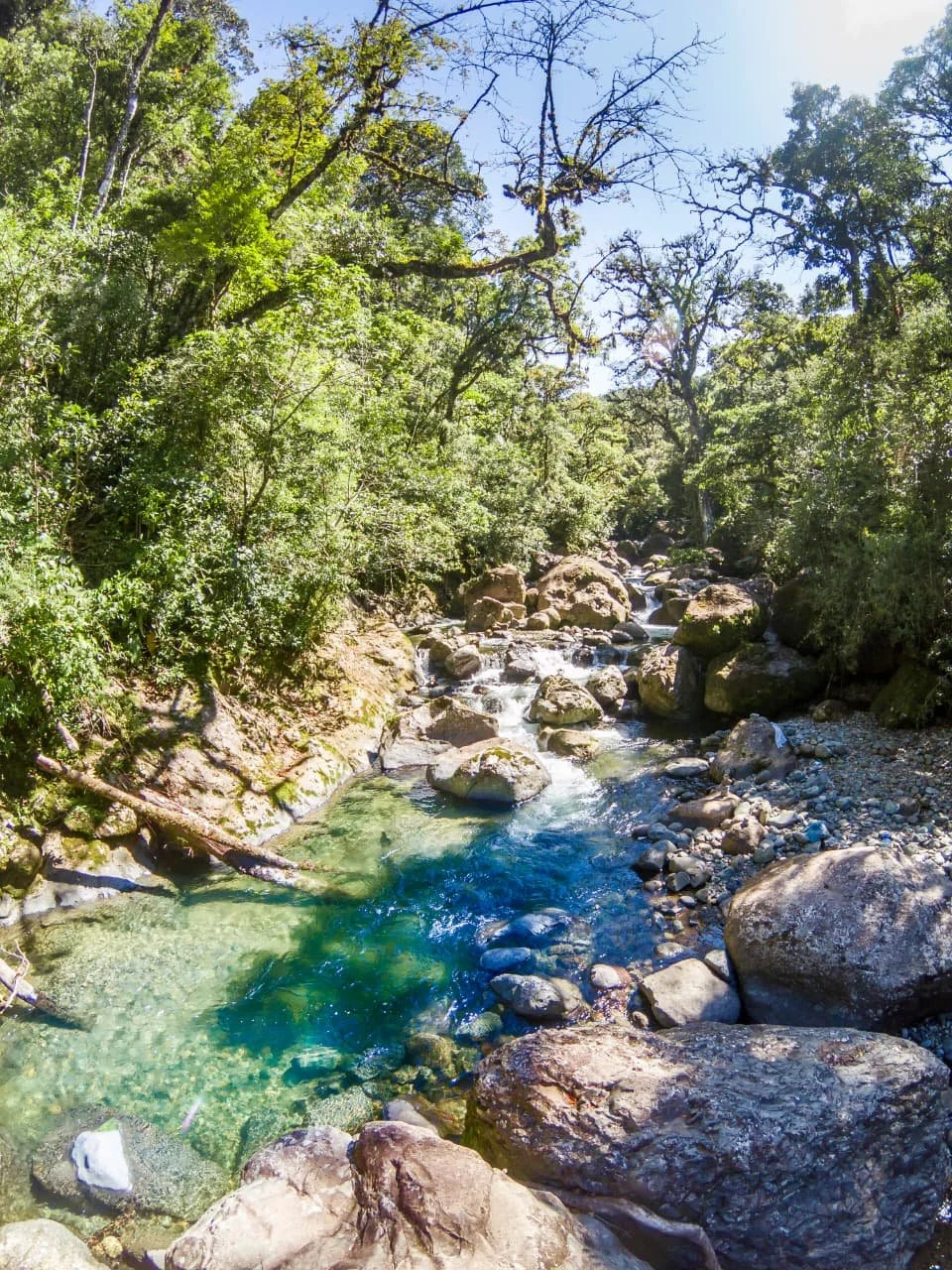
There is a mistake that many travellers make when visiting Panama, particularly those coming from Europe, Canada or the United States. They plan every single day of their trip months in advance. They book every hotel, reserve every tour, arrange every shuttle and create an itinerary so tightly packed that they barely have time to enjoy the country they have travelled thousands of kilometres to see.
Then they arrive in Panama during the low season and discover something rather unexpected. Almost nothing is full.
The hotel they thought they needed to reserve six months in advance has plenty of empty rooms. The beach that looked packed in photographs is practically deserted. The restaurant has tables available everywhere. There are hammocks waiting, empty dorm beds, quiet hostels and tour operators who would be delighted to have a few more customers.
Suddenly, all that planning seems a little unnecessary.
Panama during the green season can be a fantastic place to travel spontaneously, and sometimes the best plan is to have no plan at all. There are, however, a few important exceptions. Some businesses close temporarily, certain tours operate only when enough people sign up, and some shuttle services may not run every day. Understanding the difference between what you can leave until tomorrow and what you should arrange in advance is the secret to travelling Panama without unnecessary stress.
The difference between high season and low season
Panama's main dry season generally runs from December through April on the Pacific side, while the wetter season extends approximately from May through November. The Caribbean coast follows a somewhat different rainfall pattern, with rain possible throughout the year. October and November are particularly wet months in many Pacific regions.
During the busy dry season, popular destinations such as Boquete, Santa Catalina, Bocas del Toro and the San Blas Islands can experience much higher demand. Christmas, New Year, Carnival, Easter and local holidays can make a considerable difference to accommodation availability and transportation.
But once the quieter months arrive, the atmosphere can change dramatically.
Instead of competing with dozens of other travellers for a room, you might be one of only a handful of guests checking into a hotel. Instead of sitting in a crowded restaurant, you may have the entire terrace to yourself. Instead of sharing a beach with hundreds of people, you might spend an afternoon with nothing but the sound of the waves and the occasional dog wandering past.
It is a very different experience of Panama.
And for travellers who enjoy meeting people, exploring nature and discovering places at their own pace, it can be wonderful.
Why you don't need to book every hotel in advance
One of the biggest advantages of travelling in the low season is the flexibility it gives you with accommodation.
Imagine arriving in Panama City and spending three nights exploring Casco Viejo, visiting the Panama Canal, eating your way through local restaurants and enjoying the city's nightlife. You then decide that you would rather spend another day in the mountains than head straight to the beach.
If you have already paid for every hotel for the next two weeks, changing your plans becomes expensive and complicated.
If you have only booked your first few nights, you can simply stay longer.
Perhaps you meet other travellers who tell you about a little beach town you had not considered. Perhaps you discover a hiking trail you want to explore. Maybe you find a hostel with a fantastic social atmosphere and decide that leaving tomorrow suddenly seems like a terrible idea.
These are precisely the sorts of experiences that make independent travel memorable.
During the quieter season, you can often arrange accommodation a day or two ahead, or even on arrival. Naturally, this depends on the destination, the property and the exact dates, but there is generally much less pressure than during the Christmas holidays or the height of the dry season.
The trick is not to confuse flexibility with complete carelessness. Having a general idea of where you want to go next is sensible. Paying for every night of your entire trip months in advance is often unnecessary.
The danger of planning every destination down to the hour
Panama may look small on a map, but travelling around the country can take longer than expected.
Mountain roads wind through the highlands. Buses make multiple stops. Boats depend on sea conditions. Rain can affect roads, trails and connections. A journey that looks straightforward on Google Maps might involve several different forms of transportation.
This is one reason a rigid itinerary can become exhausting.
You might plan to leave Bocas del Toro in the morning, travel to Boquete, spend the afternoon exploring the town and then join a sunset activity. On paper, it looks perfectly reasonable. In reality, transportation delays or a late departure can turn the day into a race against the clock.
Instead, give yourself breathing room.
Spend an extra night somewhere if you like it. Leave a spare day between major destinations. Avoid booking a nonrefundable activity immediately after a long journey. Allow yourself to have an unproductive afternoon in a hammock without feeling guilty about it.
You did not travel to Panama to spend the entire holiday checking your watch.
But there is one important catch: some things close in low season
Here is where a little advance planning becomes important.
Although accommodation is often easier to find, low season can mean fewer services, not simply fewer tourists.
Some small hotels, restaurants, beach bars and tour operators reduce their opening hours or temporarily close during the quieter months. A business that operates seven days a week in January might operate only a few days a week in October.
Some establishments use the quieter period to carry out repairs, renovate rooms, take holidays or give their staff time off.
This is particularly relevant in smaller beach destinations and places that depend heavily on international tourism.
You could arrive somewhere expecting to find five restaurants open, only to discover that two have closed for the week and another opens only in the evening. That does not necessarily ruin the experience, but it is worth knowing beforehand.
The solution is simple: check that the essential services you want are actually operating before committing to a destination for several days.
You do not need to book every meal. You just need to know that you will have somewhere to eat.
Tours may need a minimum number of people
This is probably the most important exception to the rule about travelling spontaneously.
Many tours in Panama are operated by small businesses. During the high season, a tour operator might have enough customers to run excursions every day. During the low season, there may be only one or two people interested in a particular activity.
Some operators will run the tour anyway. Others need a minimum number of participants to make it financially worthwhile.
For example, imagine you arrive in a coastal destination hoping to join a boat trip to nearby islands. The operator may tell you that the excursion will depart on Saturday because that is when enough people have signed up.
If you arrive on Tuesday and expect to leave Wednesday morning, you could miss the opportunity entirely.
The same issue can affect wildlife excursions, guided hikes, diving trips, fishing charters and other activities that require a guide, boat, vehicle or specialised equipment.
The answer is not to book every tour months ahead. Instead, identify the experiences you would be disappointed to miss and contact the operator shortly before you arrive.
Ask whether the tour is running, whether there is a minimum group size and whether you need to reserve a place.
If the answer is yes, book it. If the operator says you can decide when you arrive, enjoy the freedom.
Shuttles can be a different story
Accommodation and transportation are not the same thing.
A hotel can have twenty empty rooms and still be unable to help you get to your next destination if the shuttle you want operates only on certain days.
Tourist shuttles in Panama often follow fixed routes and schedules, but departures, passenger numbers and operating days can vary by provider and season.
During the low season, a shuttle company might consolidate departures, reduce frequency or require advance reservations. A route that operates daily during busy months might have fewer departures during quieter periods.
This matters particularly when travelling between destinations such as Panama City, Santa Catalina, Boquete, Bocas del Toro and other places that attract backpackers.
Public buses can provide an alternative on many routes, but you should not assume that every journey will have a convenient direct connection.
Before leaving your current destination, check three things: the departure day, the departure time and whether the service needs to be booked in advance.
That small amount of planning can save you an entire day of confusion.
Panama's rainy season does not mean it rains all day, every day
Another reason people sometimes overplan is that they become nervous about the weather.
They imagine that visiting Panama in the green season means sitting inside a hotel room watching rain pour down for weeks.
That is not necessarily how it works.
The rainy season is variable, and conditions differ substantially between regions. On the Pacific side, rain often becomes more frequent in the afternoon, although prolonged heavy rainfall can occur. The Caribbean side has a different rainfall pattern, and local conditions can change considerably.
You might wake up to a beautiful sunny morning, spend several hours hiking or exploring, experience a heavy afternoon shower and then enjoy a pleasant evening.
On other days, the rain might continue much longer.
The key is flexibility.
If you wake up to sunshine, take advantage of it. If the weather turns unpleasant, have a relaxed lunch, explore a town, visit a museum, read a book or enjoy the social atmosphere of your accommodation.
And if a particular outdoor activity depends heavily on good weather, check conditions with the local operator rather than deciding weeks beforehand that it will definitely be possible.
Rain can also make the landscape spectacular. Forests become greener, rivers run higher, waterfalls become more impressive and the countryside takes on a completely different appearance.
You may not get the perfect postcard weather every day, but you might experience a side of Panama that visitors during the dry season never see.
Places where you should still plan ahead
Although the low season offers plenty of freedom, a few activities deserve special attention.
San Blas and Guna Yala
Trips to the islands involve transportation arrangements, boats, accommodation and community requirements. Organised trips may have set departure days, and sea conditions can affect travel. Confirm the arrangements before setting off rather than assuming you can organise everything on arrival.
Coiba National Park
Boat trips, guides, park arrangements and sea conditions all matter. If visiting Coiba is one of the main reasons for your trip, contact an operator in advance and leave some flexibility in your schedule in case the weather affects departures.
Volcán Barú
A summit hike or four wheel drive excursion needs more thought than a casual afternoon walk. Weather, visibility, transport arrangements and the physical demands of the activity are worth checking beforehand.
Island transfers and remote destinations
If reaching your accommodation depends on a particular boat, water taxi or infrequent shuttle, verify the last departure and what happens if weather disrupts the service. Missing the connection can be more complicated than simply checking into another hotel.
The general principle is straightforward: the more complicated it is to reach a place, the more important it becomes to confirm the transportation.
The beauty of travelling without a fixed schedule
One of the great pleasures of backpacking is discovering that your favourite destination might be somewhere you had barely considered before arriving.
Perhaps you planned two nights in Boquete but discover a fantastic hiking trail and decide to stay four. Perhaps you arrive in Santa Catalina intending to spend the weekend and end up meeting people who persuade you to join a boat trip. Maybe you travel to Bocas del Toro for the beaches and find yourself enjoying the restaurants, conversations and relaxed atmosphere more than the excursions.
These experiences are difficult to plan in advance because you do not know they will happen.
That is why an open itinerary can be particularly rewarding in Panama's quieter months.
You can follow recommendations from other travellers, ask locals what is happening and change direction without worrying about losing money on a string of prepaid reservations.
You also have more freedom to follow the weather. If it is raining heavily in the mountains, perhaps you spend another day in the city. If the coast is sunny, you might head to the beach earlier than expected.
You are travelling through a country, not completing a checklist.
Why a quiet hostel can be better than a packed one
Low season also changes the social experience of travelling.
During busy months, popular hostels can fill up quickly. Communal kitchens become crowded, dormitories are full and tours can have plenty of participants.
During quieter months, you might have more room to yourself and more opportunities to get to know the other guests.
There is a trade-off, of course. A lively hostel with dozens of backpackers can be great fun, and a very quiet property may not provide the social atmosphere you are looking for.
But low season does not automatically mean that everywhere is empty. Some destinations maintain a steady flow of visitors, while others become noticeably quieter. The experience varies by location and week.
If meeting people is important to you, ask about the atmosphere before booking several nights. Find out whether communal dinners, tours, social activities or other events are taking place.
And remember that a quieter hostel can sometimes become surprisingly social when a few interesting travellers arrive at the same time.
A simple strategy for planning your Panama trip
Rather than booking every night, try dividing your trip into three categories.
Book in advance
Your first few nights, essential transport connections, any fixed international departure, and activities that are important to you or have limited departures.
Arrange a few days ahead
Tourist shuttles, boat trips, guided hikes, diving excursions and accommodation in smaller destinations where services may be limited.
Leave flexible
Extra nights, restaurants, casual sightseeing, beach days, local buses on frequent routes and places you might discover through recommendations.
This approach gives you structure without turning your holiday into a military operation.
You know where you are going next, but you do not have to decide exactly how long you will stay in every place.
The one time you should absolutely plan ahead: national holidays
There is one important exception to the idea that low season means everything is available.
Panama's national holidays can create sudden increases in domestic travel, even when international tourism is relatively quiet.
November is particularly important because the country celebrates several patriotic holidays. Carnival, Easter, Christmas and New Year can also affect transport, accommodation and business opening hours.
During these periods, Panamanians travel to visit family, attend celebrations and spend time at beaches and other popular destinations.
A location that was quiet the previous week can suddenly become much busier.
If your visit overlaps with a major holiday, check the dates and book essential transport and accommodation accordingly. Also check whether restaurants, supermarkets, attractions and other services will operate normally.
The lesson is not that you should always book everything. It is that you should understand the calendar before assuming the country will be quiet.
What about travelling with a fixed budget?
Not overplanning can actually help you manage your money.
When you book everything in advance, you commit yourself to a fixed route regardless of how much you enjoy each destination. You may end up paying for accommodation somewhere you no longer want to be, while missing an opportunity to spend more time somewhere you love.
With a flexible itinerary, you can adjust your spending as you go.
If you find inexpensive accommodation and enjoy cooking occasionally, you may be able to stay longer. If you discover an activity that is genuinely worth the money, you can spend more on that experience rather than paying for a collection of tours you booked months ago simply because they appeared in a travel guide.
However, flexibility should not mean arriving without enough money or a backup plan. Keep an emergency reserve, understand the cost of your longer transport connections and avoid spending your entire budget simply because accommodation seems cheap.
Also remember that a low-season price is not necessarily the same everywhere. Some businesses maintain their normal prices year-round, while others offer discounts or special deals.
The real secret: plan the essentials, not every moment
The biggest advantage of travelling in Panama's low season is that you can allow the country to surprise you.
You can spend an extra morning watching hummingbirds instead of rushing to catch a shuttle. You can stay an additional night because the people you have met are great company. You can change your plans because the weather is better somewhere else. You can discover a small restaurant, a quiet beach or a hiking trail that never appeared on your original itinerary.
You do not need to organise every second of your holiday to have a wonderful experience.
At the same time, a little preparation goes a long way. Check the important transport connections. Confirm the tours you particularly want to do. Make sure the places you plan to visit are open. Leave extra time for long journeys and weather disruptions. Keep a backup option if a boat or shuttle does not operate.
And then relax.
Panama is a country where some of the best experiences happen when you are not rushing to get somewhere else.
Travelling during the low season is not about avoiding all planning. It is about recognising that you do not need the same level of advance booking that might be necessary during the busiest weeks of the year.
Many accommodation options may be readily available. Restaurants may be quiet. Beaches may have very few visitors. You may find yourself with far more freedom than you expected.