
Birdwatching in western Panama reaches another level in the high-elevation forests around the Continental Divide. The mix of Caribbean and Pacific influences creates a migration corridor and year-round habitat for hundreds of species. For travellers already hiking the region, slowing down to watch birds turns every trail into a moving field guide.
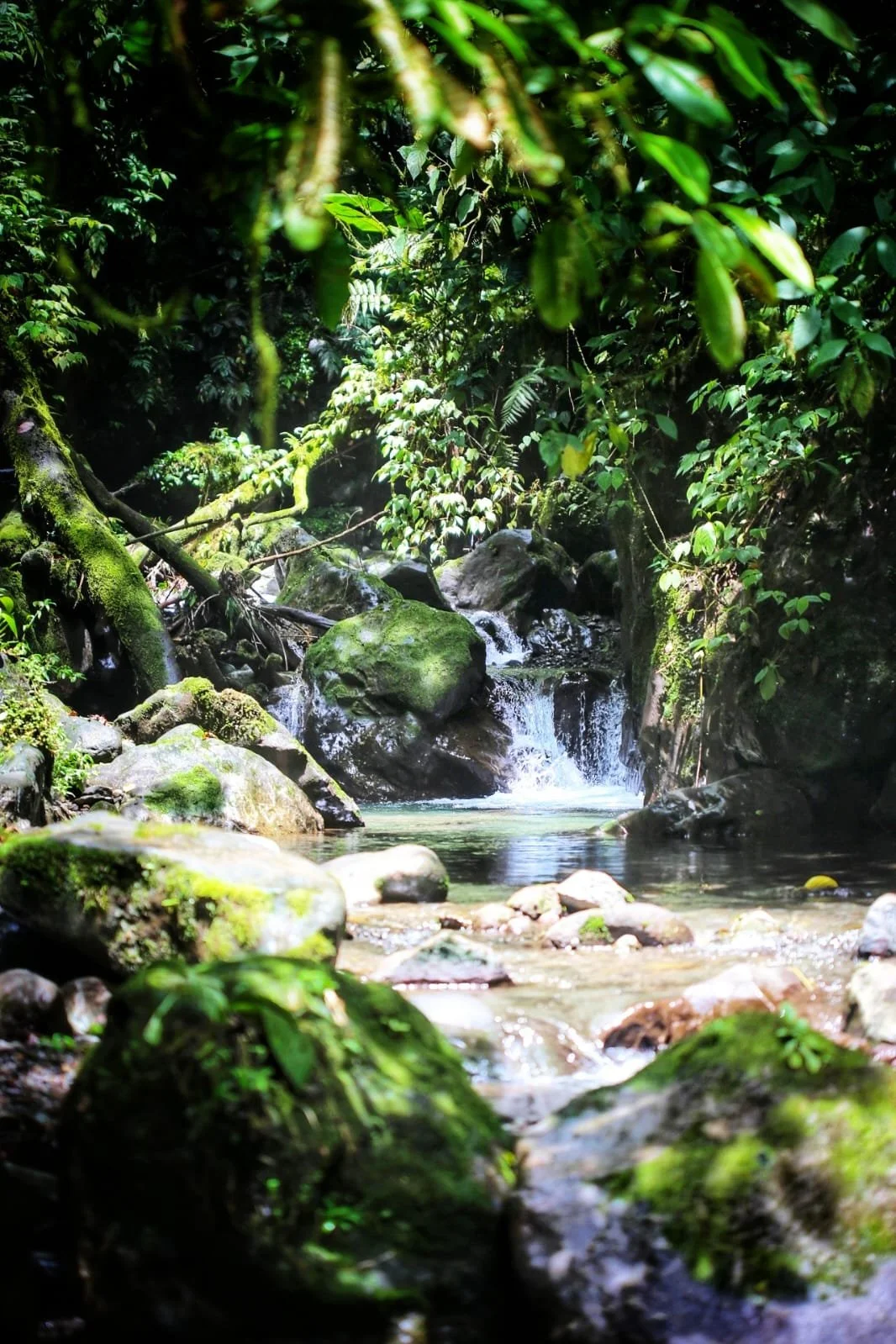
At the heart of this experience is Fortuna Forest Reserve, a protected cloud forest known for cool temperatures, heavy mist, and layered canopy life. The reserve’s elevation creates ideal conditions for species that thrive in mossy, humid environments. Early morning is especially active, when calls echo through the valleys and movement ripples across the treetops.
Birders here often search for highland specialties like trogons, tanagers, and mixed-species feeding flocks that move like living waves through the forest. Even without expert knowledge, you’ll notice the sheer density of birdlife — flashes of color against deep green, sudden wingbeats overhead, and a constant soundtrack of calls.
Adjacent to Fortuna lies Palo Seco Forest Reserve, one of the largest protected areas in the country. Its vast landscape stretches from lowland rainforest up into cooler montane forest, creating exceptional biodiversity. Because of this elevation range, you can encounter very different bird communities within a single day of hiking.
Palo Seco is particularly appealing for patient observers. Trails wind through remote habitat with minimal disturbance, making it possible to witness natural behaviors — feeding, nesting, and territorial displays — rather than just quick sightings. The sense of scale and quiet is part of what makes birdwatching here feel immersive rather than observational.
One advantage of this region is accessibility. Lost and Found Hostel sits strategically between these ecosystems, offering direct proximity to both reserves. For backpackers already drawn by hiking and nature — just like the guests you host — it functions as a practical base for early starts and unhurried exploration.
Beyond proximity, the hostel maintains its own network of forest trails that connect with surrounding wilderness. These paths pass through secondary and mature forest, creating additional habitat corridors where birds forage at eye level. For many travellers, these trails provide their first real bird encounters before venturing deeper into the reserves.
Another advantage for birders is elevation. Cooler temperatures in this mountain zone mean more daytime activity compared to hotter lowland jungles. Misty mornings often produce the best sightings, while afternoon clearing can reveal soaring birds riding thermal currents above the canopy.
Ultimately, birdwatching around Fortuna and Palo Seco isn’t just about species lists — it’s about immersion in a living ecosystem. With protected forests on both sides and trail access right outside the door, the region offers a rare combination of biodiversity and accessibility. For travellers who came for the jungle and stayed for the atmosphere, the birds become part of the memory of the place itself.