
The snake most widely considered the most dangerous in Panama is the fer-de-lance, scientifically known as Bothrops asper. It holds this reputation not because it seeks conflict, but because of its potent venom, excellent camouflage, and the fact that it lives in areas where people commonly hike and explore. In tropical regions of the country, it is responsible for the majority of serious snakebite incidents.
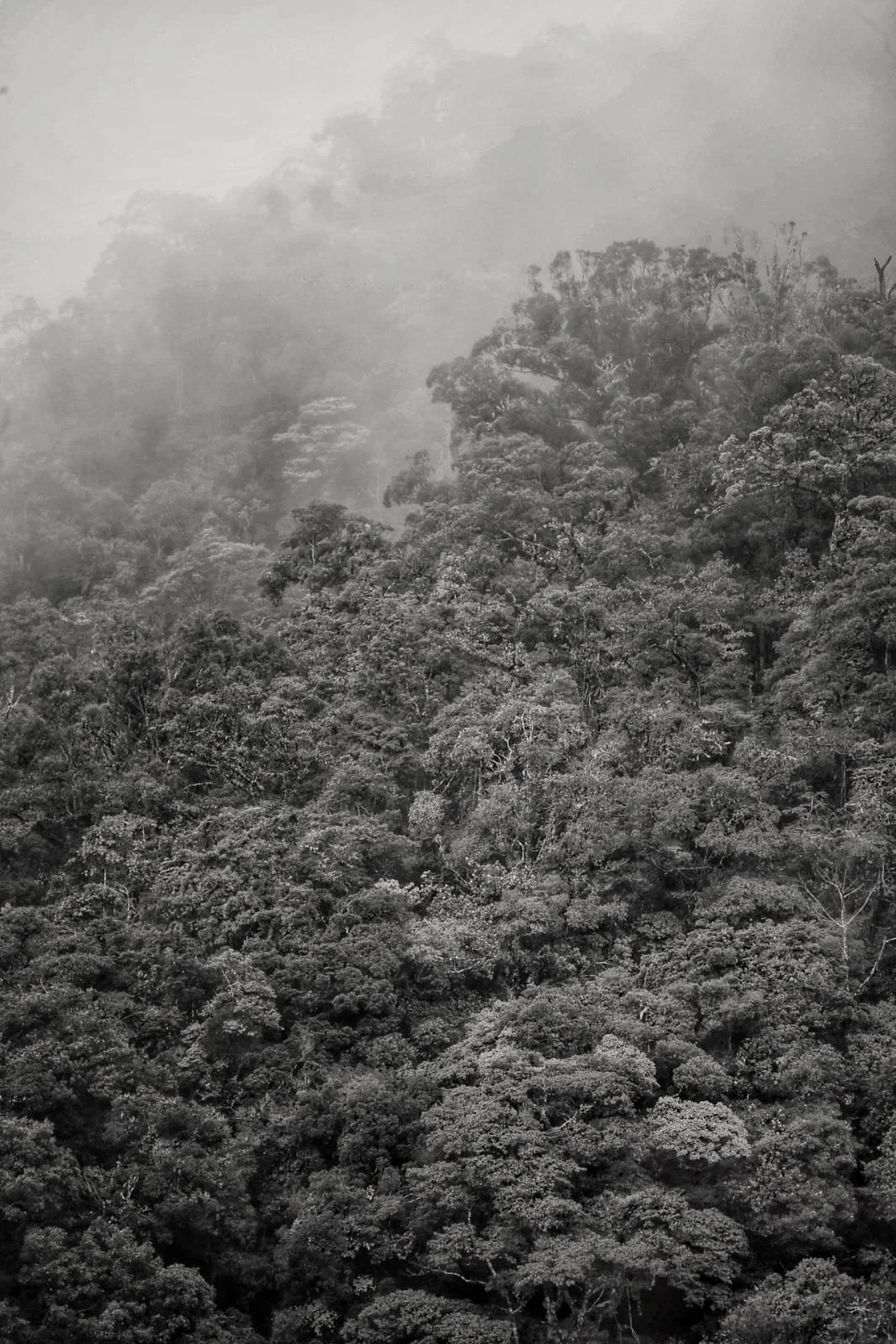
The fer-de-lance thrives in a wide range of habitats, from dense lowland rainforest to cooler foothill forest. Around the highland trails in the Boquete vicinity, the mix of moisture, vegetation, and elevation creates suitable conditions for many rainforest species, including this one. It prefers warm, humid environments with plenty of natural cover like leaf litter, roots, and fallen branches.
One of the snake’s most remarkable traits is its camouflage. Its patterned body blends almost perfectly with the forest floor, making it extremely difficult to see even when nearby. Many encounters happen simply because someone steps close without realizing the snake is present. Its defense strategy is stillness rather than escape, which is why people sometimes feel it appeared out of nowhere.
Fer-de-lance snakes are primarily nocturnal but may be active during cooler parts of the day, especially in shaded forest and cloud forest edges. They hunt small mammals, birds, and amphibians, playing an important ecological role by helping control rodent populations. Despite their intimidating reputation, they are not naturally aggressive and typically avoid confrontation.
The species is considered particularly dangerous because of the effectiveness of its venom combined with how often humans enter its habitat. In forested regions where hiking trails pass through dense vegetation, encounters are more likely than in open landscapes. Distance from medical facilities can also increase the seriousness of incidents in remote environments.
For hikers exploring forest trails around Boquete, awareness is the most important safety measure. Watching the ground carefully, using a flashlight when walking at night, and staying on clear paths significantly reduces risk. Most people who spend time in the region never encounter one, especially when moving attentively through the forest.
Local guides and longtime residents tend to treat the fer-de-lance with calm respect rather than fear. In Panama’s rainforest culture, snakes are viewed as part of the natural system rather than enemies. This attitude encourages caution without panic and helps maintain balance between people and wildlife.
The fer-de-lance is also widely known because its range extends across much of Central America. Many travellers hear about it long before they ever step onto a jungle trail. Its reputation often looms larger than actual encounters, especially for visitors new to tropical environments.
For nature-focused travellers and backpackers staying in mountain forest areas, the practical approach is simple: wear proper footwear, avoid reaching into hidden spaces, and observe wildlife from a distance. With these habits, hiking remains safe and deeply rewarding.
Ultimately, the fer-de-lance represents the raw authenticity of Panama’s ecosystems. It is a highly adapted predator, a master of concealment, and a reminder that tropical forests are vibrant, functioning environments. Understanding this species doesn’t make the jungle more dangerous — it makes the experience richer, more informed, and more respectful of the world you’re walking through.