
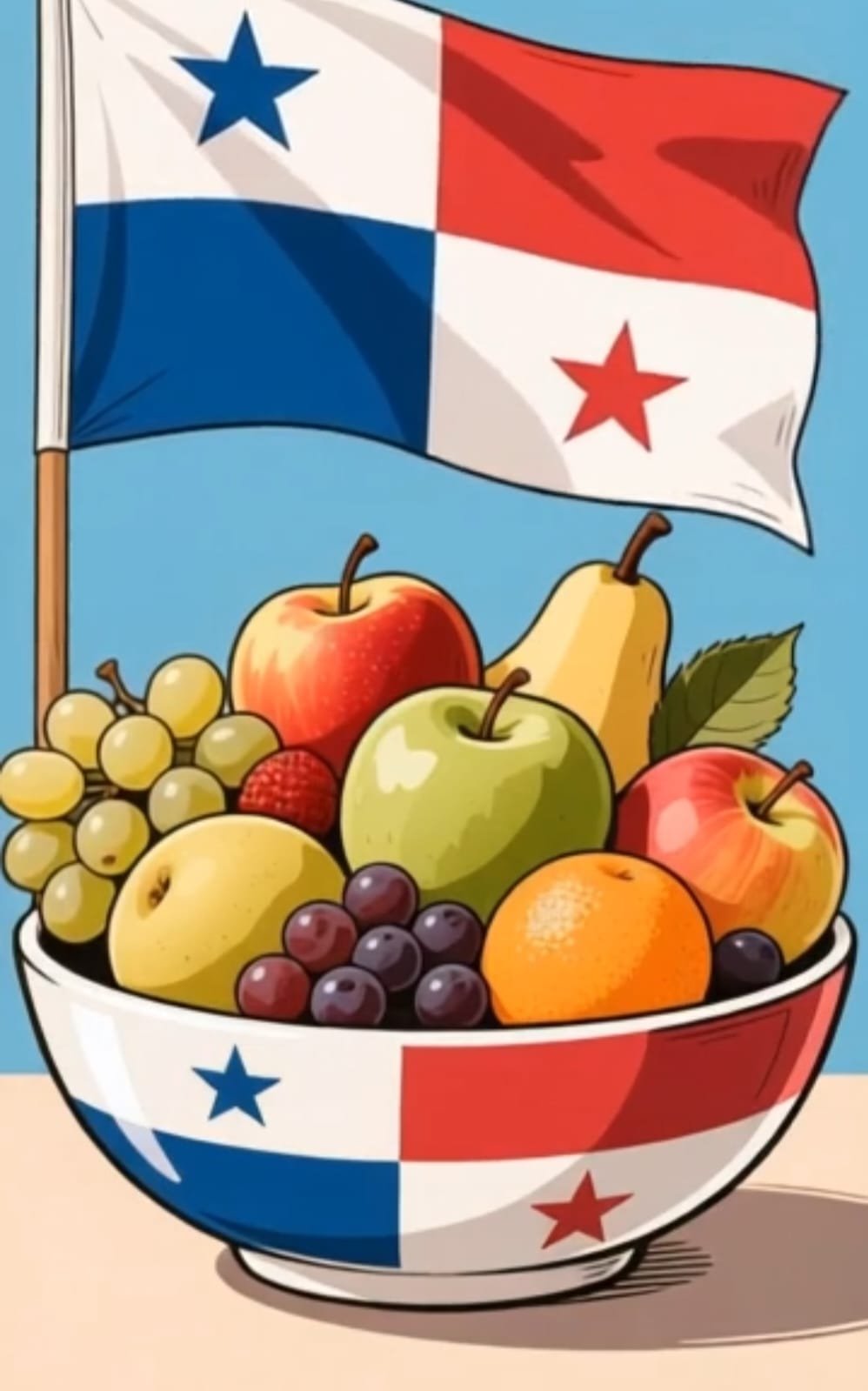
Fruit in Panama is not just food — it’s daily life, roadside culture, and climate made edible. Thanks to year-round warmth and regular rain, fruit grows continuously rather than seasonally, so markets never feel empty. You’ll see piles of color at bus terminals, tiny neighborhood stands, and family kitchens. Many fruits are eaten minutes after harvest. Others become juices, desserts, or savory dishes. For travelers and long-stay nomads, fruit becomes part of the rhythm of living here.
One of the first surprises is how different familiar fruits taste when grown locally. Mangoes drip with juice, pineapples are intensely sweet, and bananas vary widely in size and texture. Ripeness is taken seriously — fruit is often sold ready to eat the same day. Vendors may even cut it for you on the spot. Freshness is the baseline expectation.
Mango (Mango)
Mango season transforms entire neighborhoods. Trees hang over sidewalks, and the scent alone tells you what time of year it is. Ripe mango is eaten fresh, sliced, or blended into juice. A popular snack is green mango sprinkled with salt or chili. Some households make thick mango preserves. Others add it to smoothies for breakfast.
Pineapple (Piña)
Panamanian pineapple is famously sweet and low in acidity. It’s often cut into spears and sold chilled. Fresh juice is common in cafés and small eateries. Pineapple also appears in desserts and occasionally in savory sauces. Because it grows well in warm lowlands, it’s widely available year-round.
Banana and Plantain (Banano y Plátano)
Bananas are everyday fruit, eaten fresh or blended into drinks. Plantains, a close relative, are usually cooked rather than eaten raw. Green plantains become crispy patacones, a staple side dish. Ripe plantains are fried until caramelized and sweet. They appear in breakfasts, lunches, and dinners.
Papaya
Papaya is a breakfast favorite and is valued for its smooth texture. It’s commonly served chilled with lime juice. Many people blend it into milk-based smoothies. Street vendors often sell it pre-cut in cups. Its mild sweetness makes it refreshing in hot weather.
Watermelon (Sandía)
Watermelon is a heat-relief fruit. It’s eaten fresh or blended into chilled juice. You’ll see it served at beaches, parks, and bus stops. Its high water content makes it ideal for the climate. It’s simple but essential.
Passion Fruit (Maracuyá)
Maracuyá is known for its intense aroma and tangy flavor. The pulp is blended with water and sugar for a refreshing drink. It’s also used in desserts and sauces. The seeds are edible and add texture. Many visitors become addicted to maracuyá juice quickly.
Guava (Guayaba)
Guava has a strong fragrance and soft interior. It’s eaten fresh, but more often turned into juice or thick paste. Guava paste appears in pastries and sweets. Its flavor is both floral and tropical. It’s especially popular in traditional desserts.
Soursop (Guanábana)
Guanábana has a creamy, custard-like texture. Because of its fibrous interior, it’s usually blended into juice. The flavor is sweet with a hint of citrus. It’s often served chilled. Many people consider it one of the most distinctive tropical fruits.
Starfruit (Carambola)
Starfruit is crisp and mildly sweet. When sliced, it forms a star shape. It’s eaten fresh or added to fruit salads. Its light flavor makes it refreshing rather than rich. It’s visually striking and commonly used for presentation.
Rambutan
Rambutan looks exotic with its hairy red shell. Inside is a translucent, sweet flesh similar to lychee. It’s eaten fresh by peeling the skin. Vendors sell it in bunches. It’s a favorite seasonal treat.
Fruit is most often consumed fresh in Panama, but juice culture is equally important. Small restaurants serve natural juices made from real fruit rather than concentrates. Water or milk is added depending on the fruit. Sugar levels are adjusted to taste. Juice becomes both hydration and nutrition.
Preparation methods are simple because quality is high. Cutting, chilling, or blending is usually enough. Cooking fruit happens mainly in desserts or preserves. Sweetness is natural rather than heavily processed. Flavor is prioritized over presentation.
Street vendors play a central role in fruit culture. Many carry coolers filled with pre-cut fruit cups. Lime juice, salt, or chili may be offered. Quick preparation makes fruit accessible everywhere. Convenience and freshness go hand in hand.
Markets showcase the widest variety. Regional differences mean some fruits appear only in certain areas or seasons. Vendors often explain how to eat unfamiliar items. Sampling is common. Markets function as informal classrooms for tropical produce.
Fruit also appears in savory dishes. Pineapple and mango can accompany meats. Plantains replace bread or potatoes. Sweet and savory combinations are normal. Balance of flavors is key.
For travelers staying in remote areas, fruit remains abundant. Even in forested highland settings like Lost and Found Hostel, fresh fruit regularly arrives from nearby farms and markets. Meals often include tropical fruit as a staple component. It’s part of daily life rather than a special treat. Access reflects Panama’s agricultural richness.
Seasonality exists but is subtle. Because climates vary by region and elevation, harvests rotate rather than stop. When one fruit fades, another appears. Variety remains constant. This continuous availability shapes eating habits.
Fruit affordability is another notable feature. Locally grown produce is inexpensive compared to imported foods. This encourages regular consumption. Healthy eating becomes practical. Budget travelers benefit naturally.
Culturally, sharing fruit is a social gesture. Families serve sliced fruit to guests. Road trips include fruit stops. Community life incorporates harvest cycles. Food and environment feel closely connected.
Young travelers are often drawn to Panama partly because of this everyday abundance. Eating fresh fruit becomes effortless. It supports active lifestyles and outdoor exploration. Nutrition aligns with climate. Simple pleasures feel elevated.
Ultimately, fruit in Panama reflects the country’s climate, culture, and pace of life. It is immediate, flavorful, and woven into daily routines. Whether eaten from a roadside stand or blended into a morning drink, it represents accessibility and freshness. Experiencing the country through its fruit is both simple and memorable.