
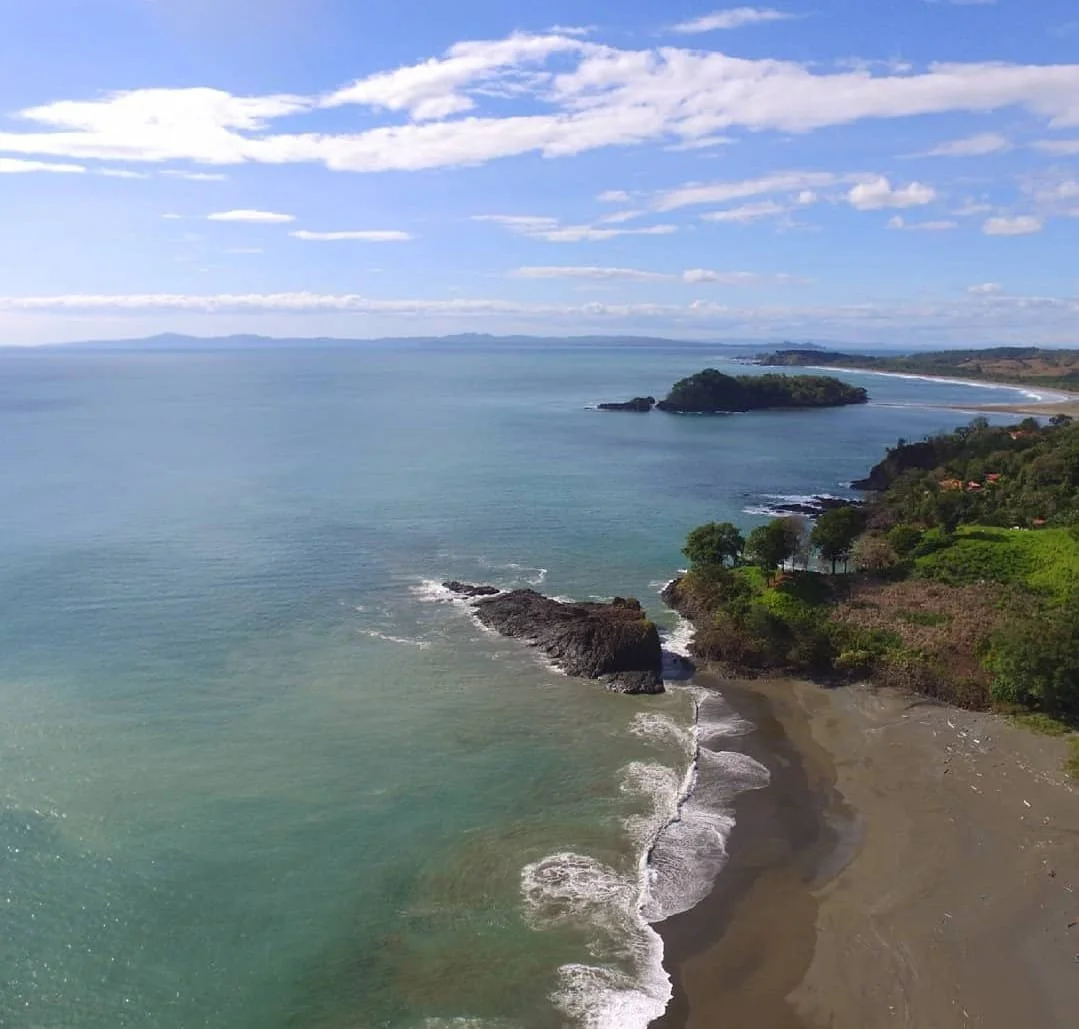
Beach Culture In Panama
Beach culture in Panama is relaxed, social, and deeply tied to nature, but expectations around behavior and clothing are more conservative than many visitors from North America or Europe anticipate. Understanding etiquette helps travelers blend in, avoid awkward moments, and enjoy the coast respectfully. The country has hundreds of beaches across two oceans, yet the unwritten social rules are surprisingly consistent. Respect for community comfort is the guiding principle.
Pacific Coast Beach Culture
On the Pacific side, beaches are social spaces where families gather, children play, and groups spend entire days picnicking. Swimwear is common, but modesty is still the norm. Locals often arrive fully dressed and change near the water. Loud behavior or attention-seeking clothing can stand out. The atmosphere is friendly but observant.
Caribbean Coast Beach Culture
Caribbean beaches feel more international due to tourism, especially around Bocas del Toro. Swimwear styles are more varied here, and visitors may see a broader range of dress. Even so, social norms still lean toward modest presentation. What feels normal in some European destinations may feel out of place here. Visitors usually adjust quickly once they observe local patterns.
Topless sunbathing is one of the most misunderstood topics. In general, it is not common practice on public beaches in Panama. There is no widespread cultural acceptance of topless sunbathing in family-oriented beach environments. While enforcement may vary, social expectations matter more than written rules. What is technically possible is not always socially appropriate.
In busy public beaches, going topless can draw attention or discomfort from others. Families and multigenerational groups share space closely. Community comfort tends to outweigh individual expression. Travelers who want privacy usually seek secluded areas rather than public gathering spots. Awareness of context is essential.
Some remote or lightly visited beaches may feel more relaxed, but this does not automatically mean topless sunbathing is accepted. Even in quieter places, fishermen, families, or local residents may pass through. Panama’s beaches are rarely isolated from community life. The safest approach is to assume modesty unless you clearly observe otherwise.
Private resorts sometimes have different norms depending on their clientele. However, most mainstream resorts still expect standard swimwear. Policies vary, and discretion is usually encouraged. Visitors who prefer minimal tan lines often use private spaces rather than shared areas. Privacy shapes comfort.
Cultural perception plays a major role in beach etiquette. Panama blends Latin American traditions with strong family-centered social values. Public spaces are shared environments rather than individual zones. Respect is expressed through awareness of others. Behavior communicates intention as much as clothing does.
Changing clothes in public is handled modestly. People often use towels or find discreet spots rather than openly changing on the sand. This habit reflects general cultural preferences around privacy. Visitors who follow this pattern fit in naturally. Small adjustments make a big difference.
Photography etiquette is another important consideration. Taking photos of strangers, especially families or children, is not appropriate. This extends to beach environments where people expect personal space. Respectful distance applies both physically and socially. Awareness prevents misunderstandings.
Alcohol is common at beaches, but behavior is expected to remain controlled. Loud or disruptive conduct can attract unwanted attention. Enjoyment is social rather than excessive. The goal is relaxation, not spectacle. Visitors who keep this balance are warmly received.
Environmental respect is a major component of beach etiquette. Littering, damaging vegetation, or disturbing wildlife is taken seriously. Many beaches are near protected ecosystems. Cleanliness is both cultural expectation and legal responsibility. Leave-no-trace behavior is widely valued.
Dress outside the sand also follows modest norms. Walking through nearby towns or shops in minimal beachwear is discouraged. Covering up when leaving the beach shows respect for local communities. The transition between beach and town is socially meaningful. Clothing signals awareness of place.
Body language matters as much as clothing. Calm presence, respectful distance, and friendly demeanor shape interactions. Visitors who observe before acting adapt quickly. Social harmony is valued over individual display. Etiquette is mostly about awareness.
For young travelers, the key takeaway is that Panama is welcoming but not exhibitionist. Beaches are shared cultural spaces rather than personal stages. Comfort comes from blending in rather than standing out. Respect is the baseline expectation. Most visitors find the adjustment easy.
There are no widely recognized nude beaches in Panama. Occasional rumors circulate, but they are not established or culturally mainstream. Travelers seeking clothing-optional environments typically do so in other countries. Panama’s appeal lies in nature, not permissiveness. Expectations align with that identity.
Local advice is always valuable. Residents can indicate which areas are more relaxed and which are family-focused. Observing before deciding how to behave is wise. Cultural awareness prevents uncomfortable situations. Respect earns friendliness in return.
Beach etiquette also reflects Panama’s broader social tone: warm, relaxed, but attentive to community comfort. Visitors who treat beaches as shared environments have the best experience. The country’s beauty invites appreciation rather than display. Simplicity fits the setting.
Ultimately, enjoying Panama’s beaches is easy when guided by respect, modesty, and observation. Standard swimwear is widely accepted, while topless sunbathing is generally outside social norms in public spaces. Travelers who follow local cues feel welcome everywhere. The reward is a relaxed atmosphere shaped by nature and community.