
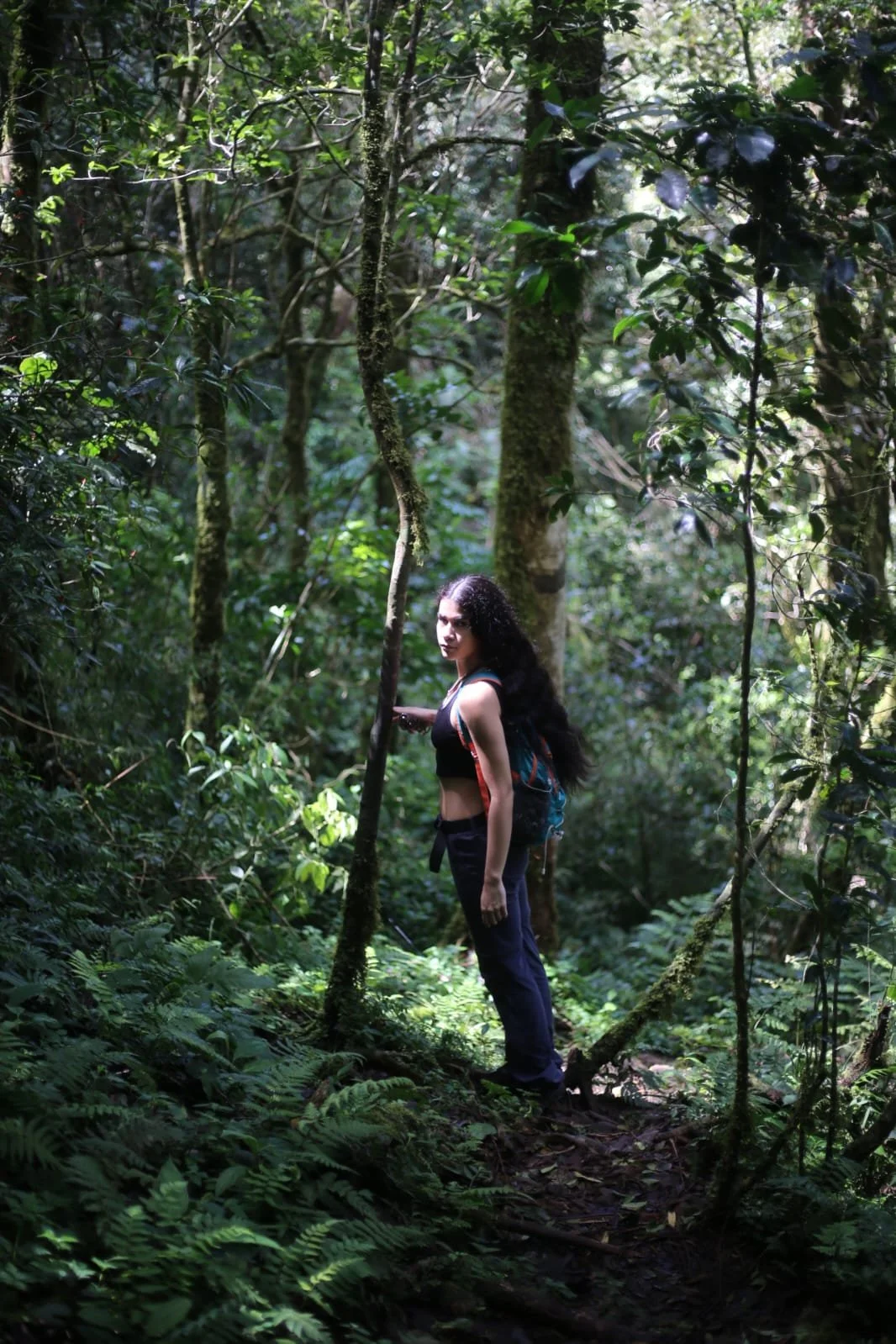
Backpacking through Panama gets easier — and way more fun — when you know a few key Spanish phrases. Even though many people in tourism speak some English, everyday interactions happen in Spanish, especially in buses, markets, and small towns. Using the language shows respect and often unlocks warmer conversations. You don’t need perfect grammar — effort matters more than accuracy. Think of phrases as tools that help you move smoothly through daily life.
A great starting phrase is “Buenos días,” “Buenas tardes,” and “Buenas noches.” These mean good morning, good afternoon, and good evening. In Panama, greetings matter and skipping them can feel abrupt. You’ll use them when entering shops, boarding buses, or approaching someone for help. Starting with a greeting sets a friendly tone. It’s the social key that opens every interaction.
“Por favor” and “Gracias” are essential everywhere. They mean please and thank you, and they are used constantly. Whether ordering food, asking directions, or buying fruit, these words soften requests. Panamanians value polite communication. You’ll notice people use them frequently with strangers. Using them makes interactions smoother instantly.
When navigating, “¿Dónde está…?” means “Where is…?” You can add anything after it: el baño (the bathroom), la parada (the bus stop), el mercado (the market). This phrase becomes your daily survival tool. Use it when exploring towns or trying to find transportation. It’s simple and extremely effective. Locals usually respond helpfully when you try.
Transportation brings one of the most useful questions: “¿Cuánto cuesta?” meaning “How much does it cost?” You’ll use this for buses, taxis, food, and small purchases. Prices aren’t always posted in informal settings. Asking politely avoids confusion. It also shows you understand local norms.
On buses, “¿Este bus va a…?” means “Does this bus go to…?” This is crucial when routes aren’t clearly labeled. Backpackers use it constantly in smaller towns. Drivers or passengers usually answer quickly. It prevents wrong turns in unfamiliar places.
Food culture introduces another helpful phrase: “Sin gluten, por favor,” meaning “Without gluten, please.” Since you’ve been writing about gluten-free travel in Panama, this one will come in handy often. Not everyone will fully understand dietary restrictions, but the phrase starts the conversation. You can also say “No puedo comer trigo” (I can’t eat wheat). Clear communication helps avoid surprises.
At restaurants, “¿Qué recomienda?” means “What do you recommend?” This is a friendly way to order when menus are unfamiliar. Panamanians often enjoy sharing their favorites. You’ll discover local dishes this way. It turns ordering into a conversation rather than a transaction.
When buying fruit or market food, “¿Está maduro?” means “Is it ripe?” Vendors appreciate this question. It shows you care about quality. You’ll use it often with mango, papaya, or pineapple. It’s practical and culturally relevant.
To show appreciation, “Está muy rico” means “It’s very delicious.” Compliments are welcomed warmly in Panama. Saying this after a meal or fresh juice often leads to smiles. It’s a simple way to connect. Food praise travels well across cultures.
If you need help, “¿Me puede ayudar?” means “Can you help me?” This phrase works in nearly every situation. Whether lost, confused, or needing clarification, it invites support. Panamanians are generally helpful when approached politely. It’s a phrase worth memorizing early.
For social interactions, “Mucho gusto” means “Nice to meet you.” Backpacking involves meeting new people constantly. Use it when introduced or when starting conversations. It signals friendliness and respect. First impressions matter everywhere.
When you don’t understand something, “No entiendo” means “I don’t understand.” Pair it with “¿Puede repetir?” (Can you repeat?). These phrases remove pressure and slow conversations down. Locals usually adjust their speech to help. Communication becomes collaborative rather than stressful.
If you need to slow someone down, “Más despacio, por favor” means “More slowly, please.” This is incredibly useful when listening to directions. Panamanian Spanish can be fast for learners. Asking politely helps comprehension. It’s a normal request.
A practical phrase for daily movement is “Voy caminando,” meaning “I’m walking.” Taxi drivers sometimes ask your destination. This phrase politely declines a ride. It’s useful in cities and towns alike. It keeps interactions friendly.
For money matters, “¿Acepta tarjeta?” means “Do you accept card?” Cash is common, especially outside cities. Knowing this before ordering prevents awkward moments. It’s a small phrase with big convenience. Planning payment avoids stress.
A fun and expressive phrase is “¡Qué calor!” meaning “It’s so hot!” You’ll say this often in Panama’s climate. It’s also a conversation starter with locals. Shared weather complaints create instant connection. It’s both practical and social.
Now for a playful surprise: “Estoy lleno como una iguana” means “I’m full like an iguana.” It’s not a standard phrase, but it gets laughs. Use it after a big meal with friendly locals. Humor bridges language gaps. Backpacking is more fun when you play with language.
Another funny one is “Mi español es sobrevivencia,” meaning “My Spanish is survival Spanish.” This phrase is honest and charming. People appreciate the humility. It sets expectations in a lighthearted way. Often it leads to encouragement rather than judgment.
When asking permission, “¿Se puede?” means “Is it allowed?” Use this before entering spaces, taking seats, or joining shared areas. It’s respectful and widely understood. Social awareness is valued in Panama. This phrase keeps you considerate.
If you’re staying in hostels or shared accommodations, “¿Hay Wi-Fi?” means “Is there Wi-Fi?” For digital nomads or remote travelers, this is essential. Connectivity is part of daily planning. The phrase is simple but frequently used. It reflects modern travel needs.
When saying goodbye, “Que le vaya bien” means “May things go well for you.” It’s warmer than a simple goodbye. Panamanians often use friendly farewells. Ending interactions politely leaves good impressions. Small details build positive experiences.
In markets, “Un poquito más, por favor” means “A little more, please.” Vendors often portion food by eye. This phrase helps you negotiate gently. It’s practical and friendly. Tone matters as much as words.
If you want to express amazement, “¡Increíble!” works everywhere. Panama’s landscapes, food, and wildlife inspire this reaction often. Enthusiasm communicates across language barriers. It invites shared appreciation. Emotion is universal.
Finally, remember that tone and attitude matter more than perfect pronunciation. Smiling, greeting first, and trying Spanish transforms interactions. Backpacking becomes richer when language becomes part of the adventure. These phrases are not just tools — they’re bridges to connection.