
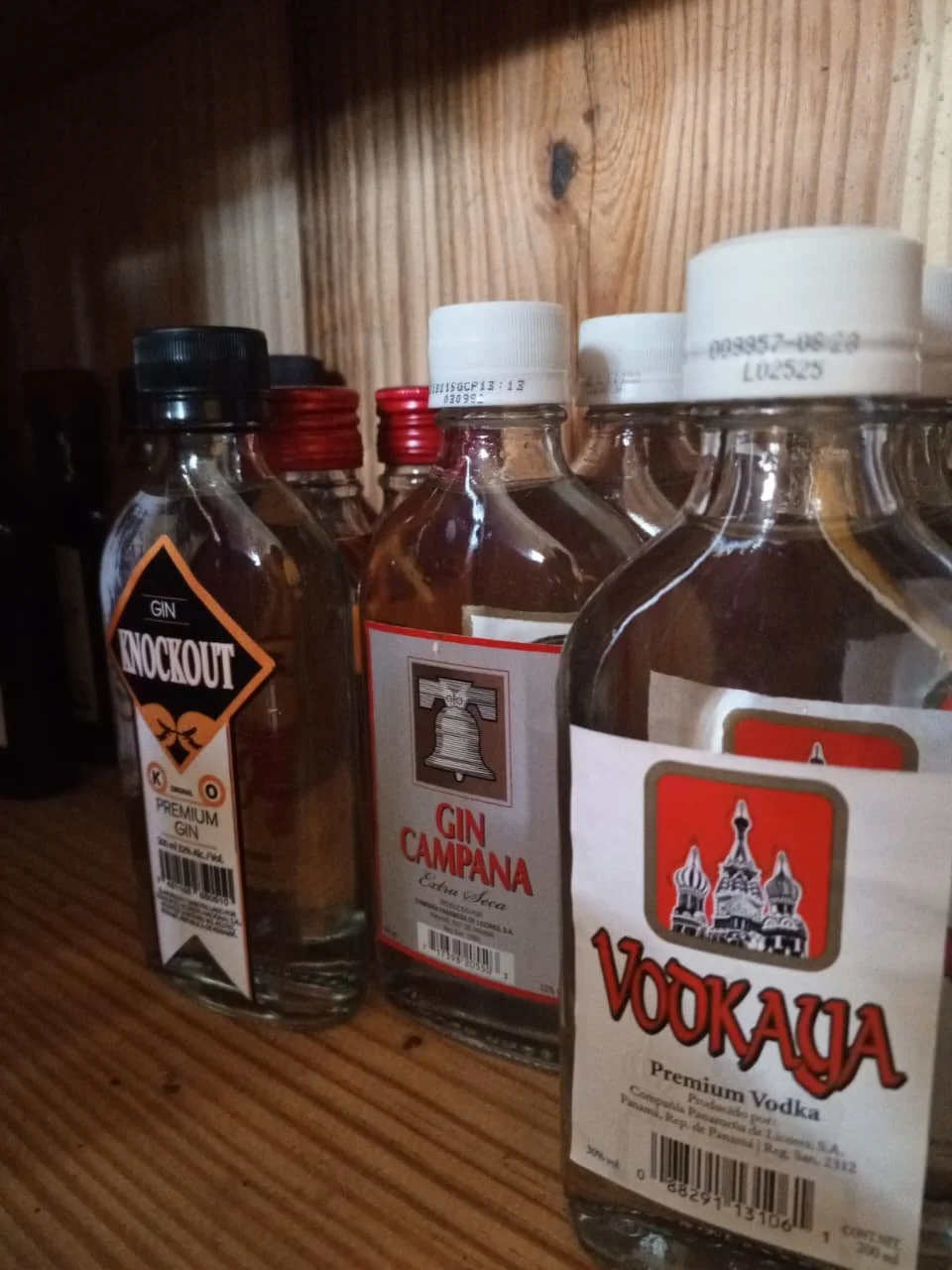
Getting very intoxicated in Panama can carry consequences that are social, legal, and practical. While nightlife exists and alcohol is widely available to adults, public behavior expectations are clear and community comfort matters. Visitors sometimes assume a beach setting means relaxed rules, but that’s not how most public spaces function. Understanding the risks helps you enjoy nights out without unwanted problems the next day.
The legal drinking age in Panama is eighteen, which is lower than in the United States. That difference can create the impression that heavy drinking is more accepted, but enforcement focuses on behavior rather than age alone. Being visibly intoxicated in a way that disturbs others can lead to police attention. Authorities prioritize public order and safety. How you act matters more than how much you drink.
Public intoxication that disrupts the peace can result in fines or being taken to a police station until sober. This is more likely if someone is loud, aggressive, or unable to care for themselves. Enforcement varies by location, but visible disorder in public places is taken seriously. Beach towns, cities, and small communities all expect basic respect. Keeping composure avoids legal trouble.
Another common consequence is vulnerability to theft. People who are heavily intoxicated are easier targets for pickpocketing or scams, especially in crowded nightlife areas. Losing a phone, wallet, or passport copy can complicate travel quickly. Recovery of lost items is not guaranteed. Staying aware protects both your belongings and your plans.
Transportation risks increase with heavy drinking. Driving under the influence is illegal and penalties can be severe. Even as a passenger, choosing unreliable transport late at night can lead to uncomfortable situations. Planning a safe ride before drinking is a simple preventive step. Good decisions earlier in the evening matter later.
Medical risks are also real in a tropical climate. Heat and humidity intensify dehydration and fatigue. Drinking large amounts of alcohol without water can lead to illness more quickly than expected. Medical care is available, but prevention is easier than treatment. Hydration and pacing make a big difference.
Social consequences can be just as significant as legal ones. Panama is generally welcoming, but extremely disruptive behavior can damage relationships with hosts, staff, or local communities. In smaller towns, word travels fast. Respectful conduct supports positive interactions. Reputation matters more in close-knit places.
Accommodation policies can also come into play. Hostels, guesthouses, and hotels often have rules about noise and disruptive conduct. Being severely intoxicated in shared spaces can lead to warnings or removal. These policies are about safety and comfort for everyone. Reading house rules avoids surprises.
Work and volunteer arrangements can be affected too. If you’re in Panama for remote work or a volunteer exchange, repeated disruptive behavior can jeopardize your stay. Hosts expect responsibility from guests. Losing a placement because of alcohol is an avoidable outcome. Consistency builds trust.
Interactions with authorities may feel more direct than some visitors expect. Police may intervene quickly if behavior affects others. Cooperation and calm communication help resolve situations faster. Arguing or resisting escalates problems. Respectful demeanor matters in every interaction.
Financial consequences add up quickly. Fines, lost property, transportation changes, or unexpected accommodation costs can strain a budget. Travel plans can be delayed or altered. Even a single night can have ripple effects. Protecting your budget supports your whole trip.
There are also practical next-day impacts. Severe hangovers reduce your ability to travel, hike, or explore safely. Missing transport connections or scheduled activities wastes time and money. Fatigue can increase accident risk. Moderation protects your itinerary.
Cultural expectations around modest public behavior shape how intoxication is perceived. Beaches and public squares are shared by families and visitors of all ages. Community comfort is valued. Behavior that draws negative attention stands out quickly. Observing local norms helps you blend in.
If you choose to drink, simple precautions reduce risk. Eat beforehand, drink water regularly, and stay with trusted companions. Keep identification secure and know how you’ll get back to your accommodation. Awareness is protective. Planning supports freedom.
Knowing when to stop is an important skill anywhere, and especially in an unfamiliar environment. Pay attention to how alcohol affects you in heat and humidity. What feels manageable at home may feel different here. Self-awareness prevents escalation. Listening to your body is practical, not restrictive.
If a friend becomes dangerously intoxicated, seek help from staff or medical services rather than handling it alone. Quick assistance prevents serious complications. Many venues are accustomed to helping guests safely. Looking out for each other is part of responsible travel. Safety is a shared responsibility.
Ultimately, nights out in Panama can be enjoyable without excess. Music, conversation, food, and scenery are central to the experience. Alcohol is optional, not essential. Visitors who prioritize respect and awareness tend to have the best memories. Enjoyment and responsibility can coexist.
Understanding the possible consequences of heavy intoxication is not about limiting fun — it’s about protecting your time, safety, and relationships while you’re here. Panama rewards travelers who move through it with awareness. Keeping control of your choices keeps your trip on track.