
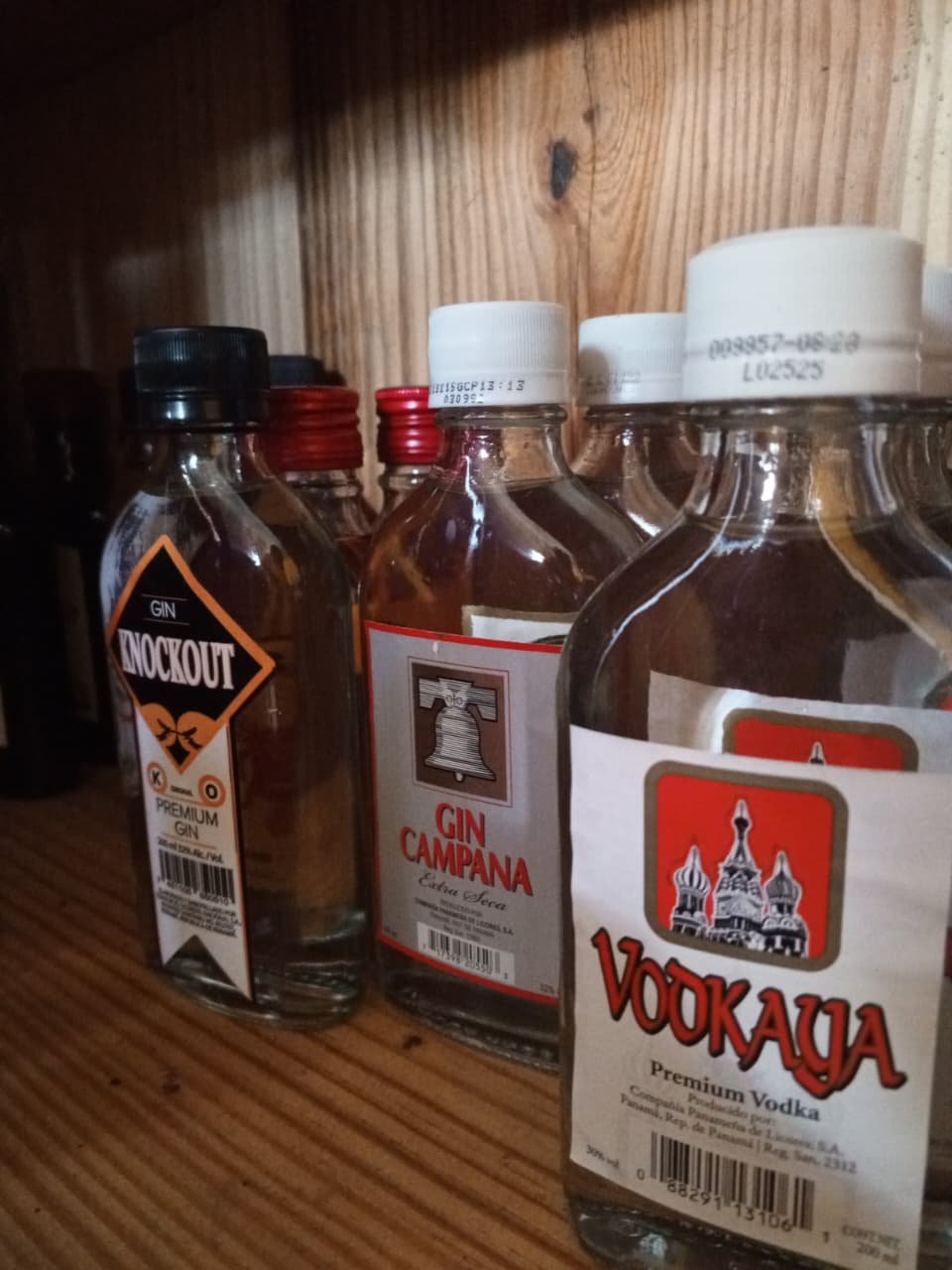
Panama’s identity in the world of spirits is defined by sugarcane. Warm climate, fertile soil, and long agricultural traditions have made the country especially known for rum and cane-based liquors. For travelers exploring the isthmus, tasting locally made hard alcohol becomes another way to understand culture, history, and daily life.
The most internationally recognized producer is Varela Hermanos, a family-run company with roots stretching back to the early twentieth century. Their operations are based in the town of Pesé in the province of Herrera, a region known for agriculture and traditional Panamanian culture. This distillery produces both premium rum and Panama’s iconic national spirit.
Their flagship export is Ron Abuelo, a premium aged rum that has earned international recognition. The rum is made from locally grown sugarcane and aged in oak barrels under tropical conditions. That climate accelerates aging, creating rich flavors with notes often described as caramel, vanilla, and toasted wood. It’s smooth, complex, and widely considered one of Central America’s top rums.
Ron Abuelo offers multiple aging expressions, from younger blends to long-aged reserves. The longer the aging, the deeper the flavor and color. Visitors often notice how the tropical environment intensifies the interaction between spirit and barrel. This is one reason Panamanian rum has such a distinctive character.
Another essential Panamanian spirit is Seco Herrerano. Unlike rum, which is aged, seco is a clear distilled liquor made directly from sugarcane. Its flavor is clean and neutral, making it a popular base for mixed drinks. Locals often combine it with milk, fruit juice, or coconut water.
Seco Herrerano holds a special place in national culture. It’s commonly served at festivals, celebrations, and family gatherings. Many Panamanians consider it a symbol of tradition. For travelers, it’s one of the most authentic local spirits to try.
The distillation process for seco is designed to produce purity rather than complexity. It’s typically unaged, bottled clear, and intended for mixing. The result is a spirit that’s approachable and versatile. Its simplicity is part of its appeal.
Rum production in Panama follows a different philosophy. Aging is central to flavor development. Barrels are stored in warm warehouses where heat and humidity shape the final product. Over time, the spirit absorbs character from the wood and environment.
For visitors interested in seeing this process firsthand, tours are available at the Pesé distillery operated by Varela Hermanos. These visits typically include an overview of sugarcane cultivation, fermentation, distillation, and barrel aging. Guests learn how climate influences flavor and quality.
A highlight of the tour experience is walking through barrel storage areas. The scent of aging rum fills the air, creating a sensory introduction to the craft. Guides explain how time and temperature affect the spirit. It’s both educational and atmospheric.
Tastings are often included in guided visits. Guests sample different expressions and compare their characteristics. This helps visitors understand how aging changes aroma, texture, and taste. It transforms rum from a simple drink into a crafted product.
Beyond Pesé, rum and seco are widely available throughout Panama. Supermarkets, liquor stores, and restaurants all carry local brands. This accessibility makes it easy for travelers to explore flavors without visiting a distillery.
Panama’s rum tradition reflects Spanish Caribbean influence combined with local innovation. Techniques evolved over generations as producers refined fermentation and aging methods. The result is a style that balances smoothness with depth.
While rum dominates the international reputation, smaller producers and artisanal experiments exist as well. These operations are less visible but contribute to the diversity of the country’s spirits culture. They reflect growing interest in craft production.
Spirits in Panama are typically enjoyed socially rather than ceremonially. Drinks accompany meals, celebrations, and relaxed gatherings. The atmosphere is casual and communal. Sharing a bottle is often about connection more than connoisseurship.
Travelers are often surprised by how affordable local spirits can be compared to imported brands. Domestic production keeps prices accessible. This affordability encourages experimentation and discovery.
Climate plays a major role not only in production but also in consumption. Refreshing mixed drinks are common because of the heat. Even aged rum is often served simply or over ice.
For those traveling between the highlands and coastal regions — including remote places where visitors expect only basic amenities — local spirits still find their way into small shops and community gatherings. Panama’s beverage culture reaches far beyond cities.
Touring a distillery provides a structured way to connect with this tradition. Seeing raw ingredients transformed into finished spirits gives context to flavors you taste elsewhere. It adds depth to the travel experience.
Panama’s hard alcohol industry blends agriculture, craftsmanship, and heritage. Sugarcane fields, fermentation tanks, and aging barrels form a continuous chain of production. Each step reflects both environment and human skill.
For curious travelers, exploring Panamanian spirits offers insight into how climate and culture shape taste. Rum and seco are more than drinks — they are expressions of place. Sampling them connects visitors to the country’s rhythm of life.
If you want, I can explain how to get to the Pesé distillery from Panama City using public transport — similar to the routes you’ve been exploring around the country.