
Rabies in Panama is a real but relatively uncommon public health concern, and understanding it helps travelers and residents move through the country with confidence. Like in many tropical regions, the topic comes up most often in conversations about wildlife, pets, and rural living rather than everyday urban life.
Rabies is a viral disease that affects the nervous system of mammals. It is transmitted primarily through saliva, usually via bites or scratches from infected animals. Once symptoms appear, the illness is extremely serious, which is why prevention and early response are emphasized in public health messaging.
In Panama, vaccination programs for domestic dogs and cats have significantly reduced the risk in cities and towns. Urban areas tend to have lower exposure because pet vaccination is widely encouraged. This has made everyday interactions with animals in populated areas generally safe.
The primary wildlife species associated with rabies risk in Panama are bats. In rural and forested regions, certain bat populations can carry the virus. This is particularly relevant in agricultural areas where livestock are present, since bats sometimes feed on animals at night.
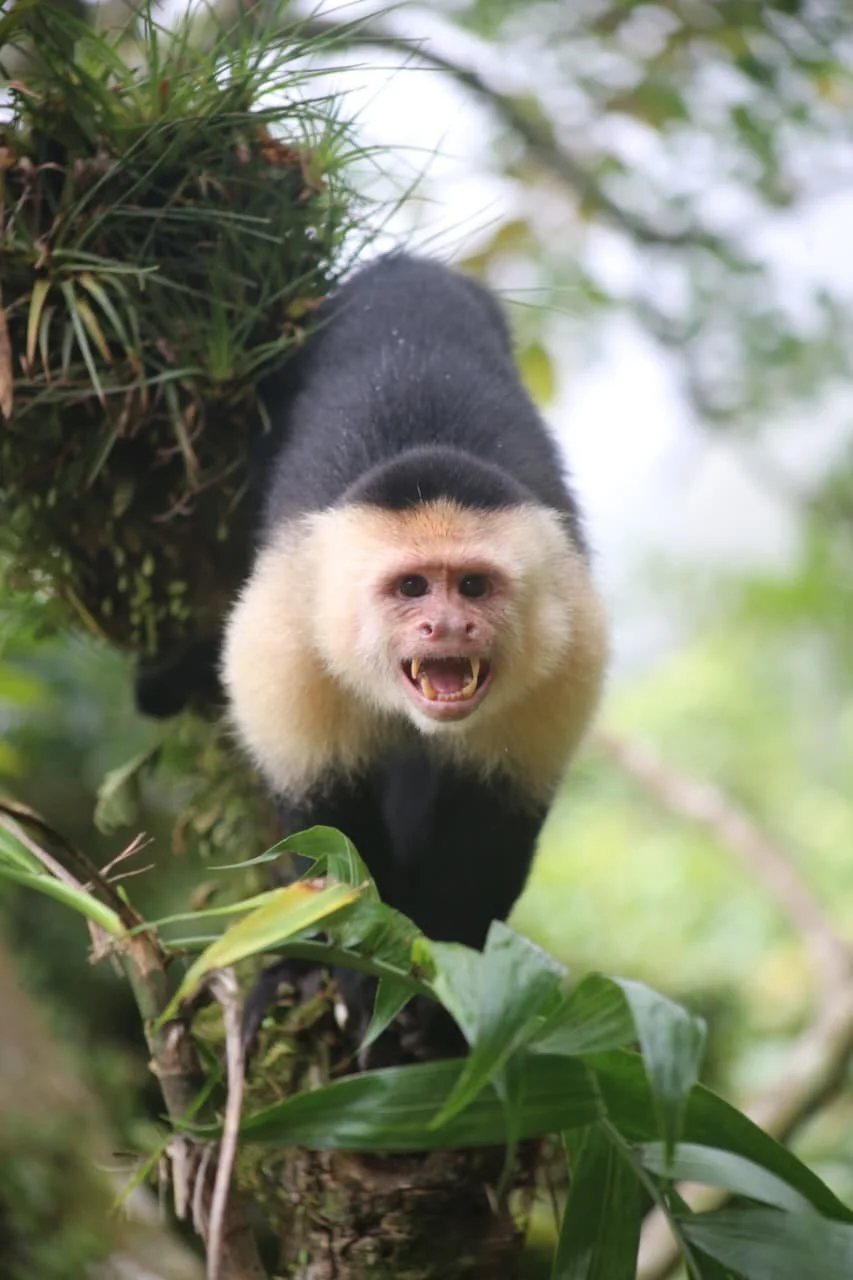
For travelers spending time in nature — especially in cloud forests, jungle environments, or remote eco-lodges — awareness matters more than worry. Observing wildlife from a distance and avoiding contact with animals is the simplest protective measure. Most encounters are harmless when boundaries are respected.
Rabies cases in humans are rare in Panama, but health authorities maintain monitoring systems to detect and respond to potential exposures. Education campaigns focus on recognizing risky situations and seeking prompt medical care if needed. Prevention is always the central message.
One important distinction for visitors is that not all animal bites carry rabies risk. Many bites from vaccinated pets pose minimal danger. However, any bite that breaks the skin should be evaluated by a medical professional to rule out infection and determine whether preventive treatment is appropriate.
The response to potential exposure is straightforward: clean the wound thoroughly and seek medical care as soon as possible. Early treatment is highly effective at preventing illness. This rapid-response approach is standard worldwide.
Panama’s healthcare system is familiar with rabies prevention protocols. Clinics and hospitals know how to assess risk and provide guidance. Travelers do not need specialized knowledge — they simply need to act quickly if an incident occurs.
Rural communities sometimes conduct vaccination campaigns for animals to protect both livestock and people. These programs reflect how public health and agriculture intersect in tropical environments. Protecting animals helps protect humans.
Tourists exploring beaches, islands, and highland regions often notice many friendly dogs in public spaces. Most are accustomed to people and pose no threat. Still, avoiding feeding or touching unfamiliar animals is the safest approach.
Education around rabies in Panama emphasizes awareness without alarm. The disease is taken seriously, but it is not a daily concern for most residents. This balanced approach helps maintain perspective while promoting safety.
Travelers are sometimes surprised that rabies awareness is part of general health advice for tropical travel worldwide. Panama is not unique in this regard. The same basic precautions apply in many countries with diverse wildlife.
For long-term visitors, volunteers, or people working closely with animals, preventive vaccination may be recommended by travel health professionals. This is a personal medical decision based on exposure risk. It is not necessary for most short-term travelers.
Panama’s geography — with forests, farmland, and coastal ecosystems — creates environments where wildlife and human communities coexist closely. This ecological richness is part of what makes the country appealing, but it also explains why public health education includes zoonotic diseases.
Information about rabies is often shared alongside guidance about mosquito-borne illnesses and general outdoor safety. It is part of a broader conversation about living responsibly in a biodiverse environment. Awareness supports safe exploration.
For backpackers and eco-travelers, understanding rabies risk fits naturally with responsible travel habits. Avoiding contact with wild animals, respecting local guidance, and seeking medical advice when needed are standard practices.
Visitors are often reassured by how calmly locals discuss the topic. Rabies is understood, monitored, and managed rather than feared. That sense of perspective reflects experience and effective public health systems.
The presence of veterinary care and vaccination programs in many communities further reduces risk. Protecting domestic animals has become a normal part of community health efforts. These measures quietly support overall safety.
Ultimately, rabies in Panama is best understood as a manageable health consideration rather than a defining danger. With basic awareness and simple precautions, travelers can explore confidently while respecting the natural environment that makes the country so compelling.