
Traveling through Panama rewards awareness more than rigid planning. The country is welcoming, but its rhythm is different from what many visitors expect. Understanding the unspoken rules makes everyday interactions smoother and more enjoyable. The goal isn’t to behave perfectly but to move with the same calm confidence locals carry. Once you pick up that flow, the experience becomes richer and more comfortable.
One of the most important things to do is greet people properly. A simple buenos días, buenas tardes, or buenas is more than politeness; it signals respect. Conversations often begin with a greeting before any practical question. Skipping that step can feel abrupt even if you don’t mean it that way. Small courtesies open doors across the country.
It helps to carry identification or a copy when moving around. Panama is generally relaxed, but identification checks can happen occasionally, especially on long-distance transport routes. Having something available avoids unnecessary stress. Keeping documents safe from humidity is wise too, especially in coastal areas where moisture is constant.
Learning a few Spanish phrases goes a long way. Even basic attempts are appreciated and often change the tone of an interaction. People respond warmly when visitors show effort rather than expectation. Communication becomes less transactional and more human. That shift improves everything from ordering food to asking directions.
Cash is still important in many places outside large commercial centers. Small shops, local transport, and rural communities often prefer it. Carrying smaller bills helps because change isn’t always available. This is especially true when traveling between mountain towns and coastal areas. Practical preparation prevents small inconveniences from stacking up.
Respecting the slower pace of life is essential. Things may not happen exactly on schedule, but they usually happen eventually. Patience is not just polite; it’s practical. Adapting expectations reduces frustration and makes travel feel easier. The country rewards flexibility more than strict timing.
Understanding weather patterns helps you move comfortably. Rain is common on the Caribbean side and in the highlands, sometimes arriving suddenly. A light rain layer is more useful than heavy gear. Planning activities earlier in the day often works best. Weather rarely stops life here, but it shapes daily rhythms.
Transportation operates on a mix of structure and improvisation. Buses, boats, and shared rides run frequently but not always predictably. Confirming departure points and times locally is smarter than relying on assumptions. Movement between regions is usually straightforward once you accept that flexibility is part of the system. Travel becomes easier when you treat timing as approximate rather than fixed.
One important don’t is assuming Western service expectations apply everywhere. Efficiency is valued, but warmth often comes first. Conversations may extend beyond the immediate task. Rushing interactions can create unnecessary friction. A relaxed attitude gets better results than urgency.
Avoid comparing Panama negatively to other countries in conversation. Locals are proud of their culture and independence. Curiosity is welcome, but criticism feels out of place. Asking questions respectfully builds connection instead of distance. Appreciation travels further than judgment.
Another key don’t is underestimating the power of humidity. Mold, rust, and moisture affect everyday life more than many visitors expect. Electronics, clothing, and paper items need protection. Accepting this reality makes adaptation easier. It’s not a problem to solve completely but a condition to manage.
It’s wise to respect local environmental awareness. Panama’s forests and coastlines are central to national identity. Littering is taken seriously in many communities. Responsible behavior in nature reflects well on visitors. Care for the environment is seen as care for the country itself.
When moving between regions like the highlands and Caribbean coast, dress simply and comfortably. Practical clothing blends in more than flashy styles. Panama values neatness but not extravagance. Comfort and appropriateness matter more than fashion statements. This is especially noticeable in smaller towns.
Understanding food culture makes daily life smoother. Meals are often simple, fresh, and filling rather than heavily seasoned. Trying local dishes with openness shows appreciation. Asking for modifications is fine but should be done politely. Food here reflects practicality and tradition rather than trend.
One common mistake is treating every area as if it operates like the capital. Life in Panama City is faster and more international than most of the country. Rural and coastal communities move differently. Adjusting expectations by region prevents misunderstanding. Panama is diverse in pace as well as landscape.
Respecting personal space and tone matters in daily interactions. Conversations are friendly but rarely confrontational. Raising your voice rarely improves a situation. Calm communication earns cooperation. Emotional restraint is considered maturity.
Another helpful practice is confirming prices before services begin. This is standard for taxis, boats, and informal transport. It prevents confusion rather than signaling distrust. Clarity benefits everyone involved. Most transactions are straightforward once expectations are shared.
Avoid assuming English will always be understood. In tourist zones it often is, but not everywhere. Patience in communication shows respect. Nonverbal cues and simple phrases bridge many gaps. Understanding grows through effort on both sides.
Travelers often do well when they adapt to local eating times. Lunch is significant, and dinner may be lighter or later. Aligning with this rhythm feels natural after a few days. Observing rather than imposing habits helps you settle in. Cultural timing shapes daily comfort.
Be mindful of photography in everyday settings. Scenic landscapes are welcome subjects, but people appreciate being asked first. This small courtesy matters in close-knit communities. Respectful curiosity strengthens interactions. Awareness prevents awkward moments.
Safety awareness is practical rather than fearful. Like any country, Panama has areas that require attention, but most daily movement is relaxed. Listening to local advice is more reliable than assumptions. Calm confidence is the norm. Preparation replaces worry.
When using boats and buses, flexibility remains essential. Schedules exist but adapt to demand and conditions. Travelers who expect strict timing often feel unnecessary stress. Those who adjust enjoy the journey more. Movement here is cooperative rather than rigid.
Supporting local businesses builds positive experiences. Small restaurants, markets, and family-run accommodations shape the character of each region. Engagement creates connection beyond simple transactions. It also reflects respect for community life. Travel becomes participation rather than observation.
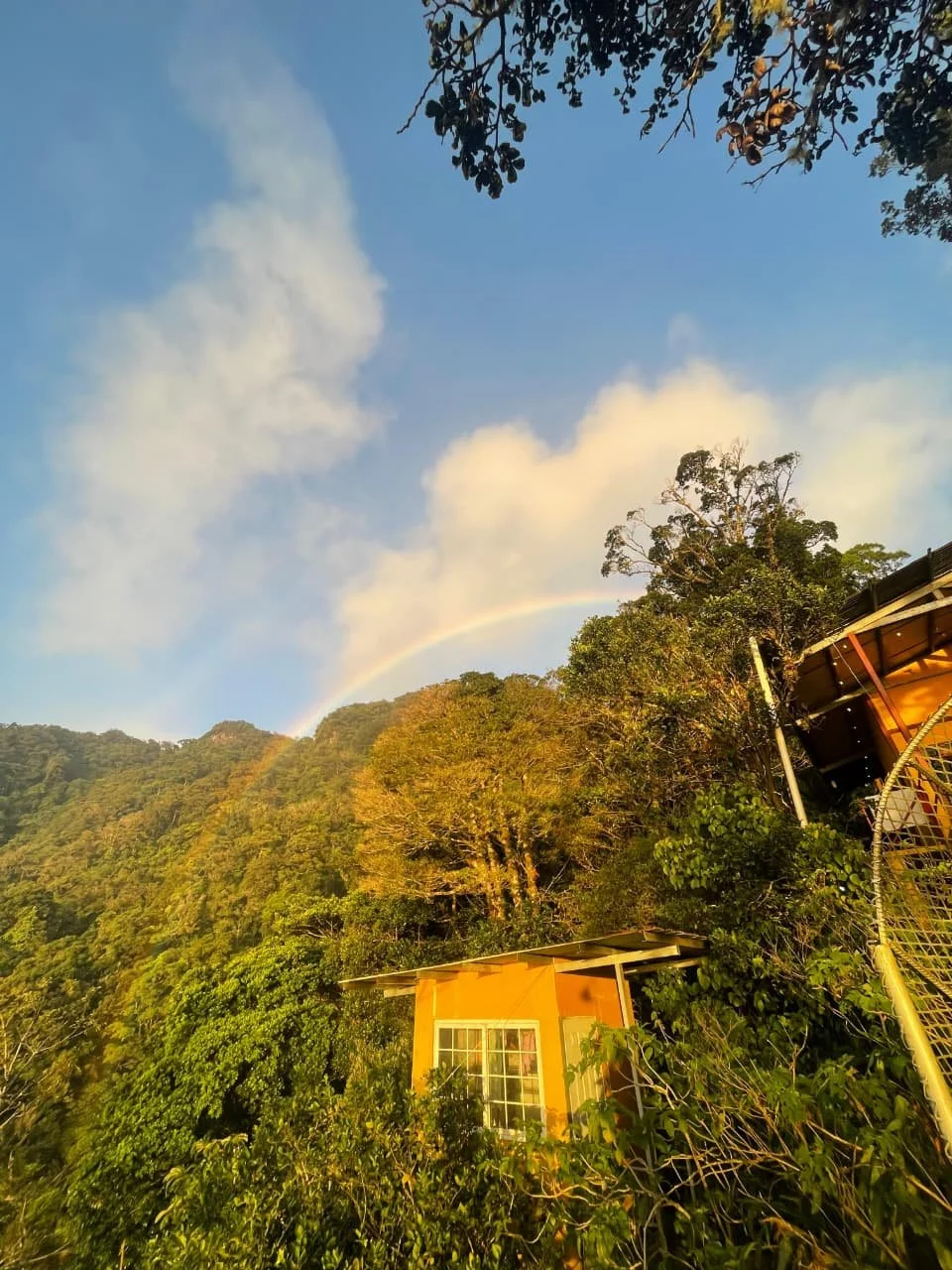
If you spend time in the highlands, especially near places like Lost and Found Hostel, you’ll notice how nature and community intertwine. Trails, shared meals, and conversations happen organically. Embracing that atmosphere is a cultural do in itself. The experience deepens when you match the environment’s calm energy. Movement between mountain and coast then feels like a natural rhythm rather than a logistical task.
Avoid treating Panama as only a destination of convenience. Many travelers pass through quickly because of geography. Slowing down reveals layers of culture and landscape. Time spent observing daily life is never wasted. Depth replaces novelty when you linger.
Respect for elders and authority is noticeable in public behavior. Courtesy in tone and posture communicates awareness of social norms. This respect is subtle but consistent. Visitors who mirror it are received warmly. Social harmony is valued more than assertiveness.
One of the most rewarding things to do is listen. Stories about weather, history, and daily life emerge easily when conversations are unhurried. People often share insights that guide travel decisions better than formal information. Openness invites guidance. The country reveals itself through conversation.
Avoid overplanning every movement. Panama functions well with a balance of intention and spontaneity. Leaving space for adjustments improves experiences. Unexpected opportunities appear frequently. Flexibility is not a compromise but an advantage.
Recognizing regional pride helps interactions feel smoother. Coastal communities, mountain towns, and urban neighborhoods each carry distinct identities. Showing interest in those differences is appreciated. Uniform expectations rarely fit the whole country. Diversity is part of the national character.
Another practical do is caring for belongings thoughtfully. Humidity, rain, and salt air affect materials quickly. Simple protective habits extend the life of travel gear. Preparedness feels natural after a short time. Environment shapes routine more than visitors expect.
Avoid rushing departures and arrivals. Transportation moments often involve informal coordination. Allowing extra time reduces pressure. The system works best when approached calmly. Patience turns waiting into observation rather than frustration.
Ultimately, the most important guidance is to match Panama’s tone. Warmth, patience, and attentiveness create positive experiences across the country. The dos and don’ts are less about strict rules and more about alignment with local rhythm. When visitors move with that rhythm, travel feels effortless. Panama responds generously to those who meet it with respect and curiosity.