
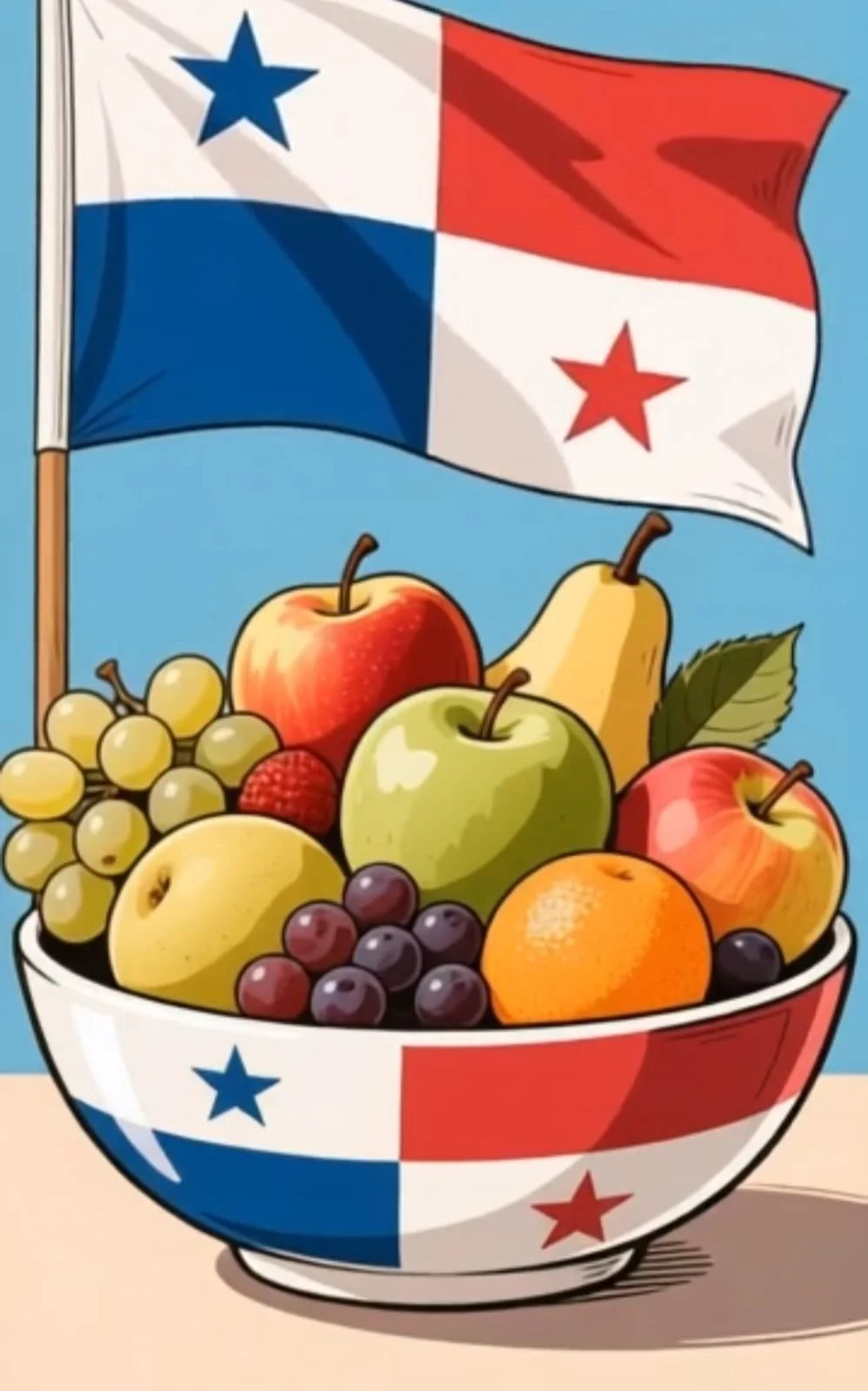
Panama’s traditional cuisine reflects its geography as a bridge between continents and oceans. Indigenous ingredients, Spanish influences, Afro-Caribbean flavors, and regional farming traditions all shape what people eat across the country.
Food in Panama is not defined by a single national dish but by regional specialties that change with climate, culture, and access to ingredients. Coastal communities cook differently from mountain towns, and urban kitchens blend influences from every province.
Rice, corn, plantains, and root vegetables form the foundation of many meals. These staples appear in different forms depending on region and tradition.
Fresh seafood dominates coastal cooking, while inland areas rely more heavily on poultry, pork, and agricultural produce.
Traditional Panamanian meals are often simple in preparation but rich in flavor, emphasizing freshness and balance rather than heavy seasoning.
One of the country’s most beloved dishes is sancocho, a hearty chicken soup flavored with culantro and root vegetables. It is especially associated with home cooking and family gatherings.
Sancocho varies slightly by region, but its comforting nature remains constant. In many homes, it represents nourishment and tradition.
Corn-based foods appear throughout Panama’s culinary landscape. Tortillas made from corn dough serve as breakfast staples in many provinces.
Tamales wrapped in banana leaves combine corn dough with meat, vegetables, and spices, creating a festive dish often prepared for special occasions.
In the capital, Panama City, traditional foods from across the country converge. Markets and street vendors offer regional specialties side by side.
Urban cuisine reflects Panama’s diversity, blending Caribbean, interior, and international influences into everyday meals.
Street food culture plays an important role in preserving traditional flavors. Quick snacks often represent deeply rooted culinary practices.
Empanadas filled with meat, cheese, or chicken are widely available and vary slightly depending on region.
Carimañolas, made from yuca dough stuffed with meat, represent Afro-Caribbean influence and remain popular breakfast or snack items.
Fried plantains known as patacones appear on tables across the country. Green plantains are flattened, fried, and served with meat, seafood, or sauces.
Hojaldres, a fried bread often eaten at breakfast, reflect Spanish culinary influence and are commonly paired with cheese or eggs.
Along the Caribbean coast in Bocas del Toro, food incorporates coconut milk and seafood more heavily than inland cuisine.
Rice cooked in coconut milk accompanies fish and shellfish in many Caribbean-style dishes. The flavors are richer and slightly sweeter than Pacific coast cooking.
Afro-Caribbean traditions contribute dishes featuring spices, stews, and slow-cooked meats that differ from interior cooking styles.
In Colón, Caribbean influence shapes both ingredients and preparation methods. Seafood soups and coconut-based rice dishes are common.
Festival foods in Caribbean regions often feature fried snacks, seafood, and tropical fruits prepared in simple but flavorful ways.
Pacific coastal provinces emphasize fresh fish grilled or stewed with local herbs. Simplicity highlights the natural flavor of the ocean.
In Chiriquí, highland agriculture shapes traditional cooking. Cooler temperatures support vegetables rarely grown in lowland areas.
The highland town of Boquete is known for coffee production, and locally grown coffee plays an important cultural role alongside food traditions.
Mountain cuisine includes soups, roasted meats, and dishes prepared with fresh vegetables grown in fertile volcanic soil.
Interior provinces such as Los Santos and Herrera preserve some of the country’s most traditional cooking methods.
These regions emphasize corn-based foods, stews, and roasted meats prepared using long-standing family techniques.
Arroz con pollo, a seasoned rice dish with chicken and vegetables, is widely associated with celebrations and gatherings.
Chicharrón, fried pork with crispy texture, is especially popular in interior regions where livestock farming is common.
In Veraguas, rural traditions influence food preparation, with many dishes centered on locally grown ingredients.
Root vegetables such as ñame and otoe appear frequently in soups and stews.
Bananas and plantains are used both ripe and green, demonstrating versatility in traditional cooking.
Fresh tropical fruits are consumed throughout Panama, often served simply or turned into juices.
Mango, papaya, pineapple, and passion fruit play an essential role in daily diet and refreshment.
Desserts in Panama tend to be modest but meaningful, often tied to regional ingredients and family recipes.
Rice pudding, coconut sweets, and corn-based desserts appear during holidays and community events.
Traditional beverages include fresh fruit juices and locally grown coffee, reflecting agricultural abundance.
Across all regions, food remains closely tied to family and community gatherings.
Cooking techniques are often passed down through generations rather than learned formally.
Meals emphasize sharing, reinforcing social connections as much as nourishment.
Panama’s culinary identity emerges from geography as much as culture.
Coastal waters, fertile valleys, and tropical climate all shape what appears on the table.
Exploring traditional food across regions reveals a country defined by diversity and continuity.
Every province contributes distinct flavors while maintaining shared foundations.
Together, these regional traditions create a cuisine that reflects Panama’s landscape, history, and people.