
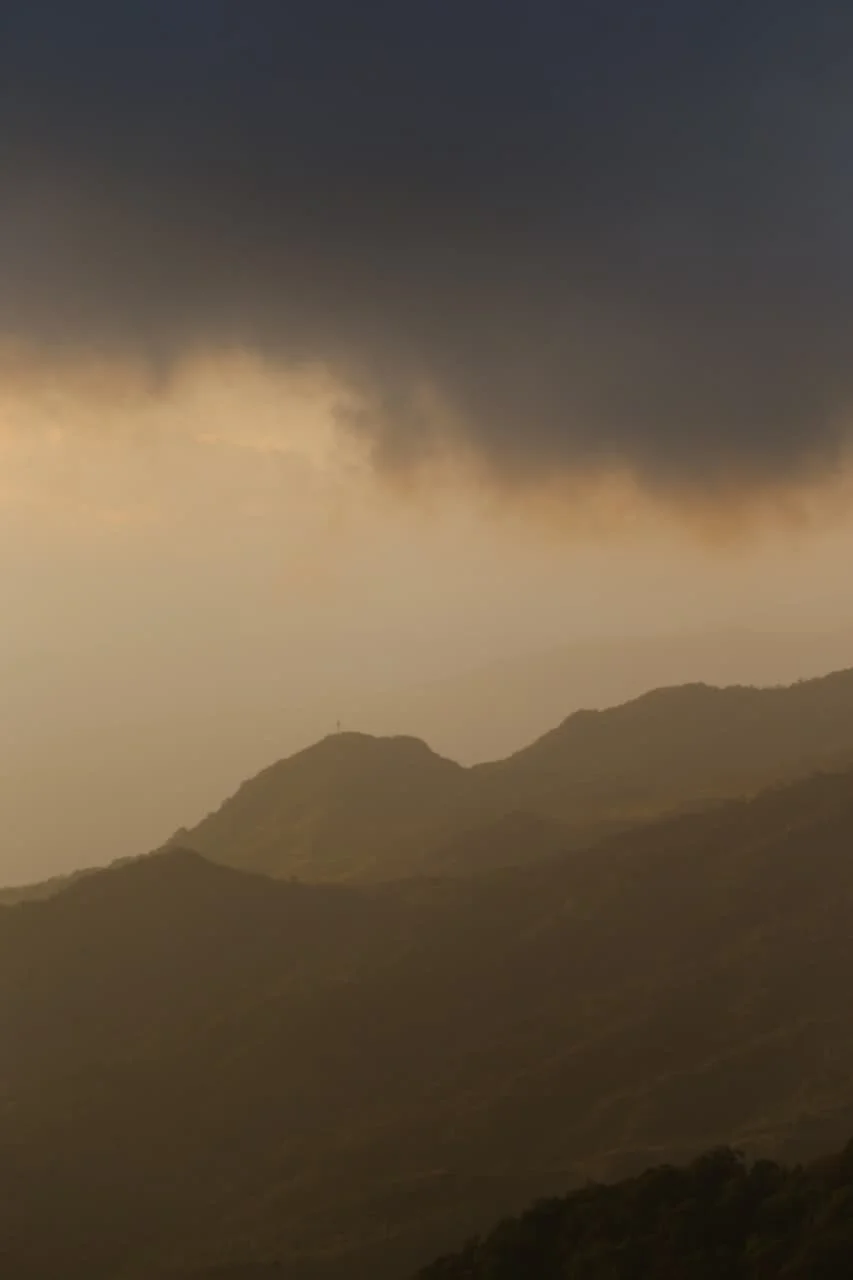
Panama rewards curiosity. While many travelers visit famous beaches or pass quickly through major hubs, the country’s most meaningful experiences often unfold in places that require a little extra effort to reach. These lesser-known destinations reveal landscapes, traditions, and rhythms of life that remain hidden from typical itineraries.
Traveling beyond the usual routes transforms tourism into discovery. Instead of observing a destination from a distance, visitors become participants in environments where nature and community remain central. In Panama, this shift is especially powerful because of the country’s dramatic geographic diversity.
Panama’s compact size makes it possible to experience multiple ecosystems within a single journey. Yet many travelers unknowingly limit themselves to only one slice of the country. Exploring lesser-visited regions opens the door to the full spectrum of landscapes that define Panama.
Off-the-beaten-track travel encourages slower movement and deeper connection. Rather than rushing between attractions, travelers begin to notice sound, climate, and terrain. Subtle environmental changes become part of the experience.
Another reason these destinations matter is authenticity. Smaller communities maintain traditions and daily rhythms that larger tourist centers often lose. Local culture remains visible in everyday life rather than curated for visitors.
Traveling outside major tourist corridors also redistributes economic benefit. Smaller communities gain support when visitors choose to stay, eat, and explore locally. This helps sustain regional livelihoods tied to land and tradition.
Nature itself often remains more intact in remote regions. Forests feel denser, wildlife behaves more naturally, and landscapes retain their original character. The environment becomes the main attraction rather than an accessory.
One of the most compelling examples is the mountain community of Santa Fé, located in Veraguas Province. The journey there introduces travelers to a quieter side of Panama where waterfalls, forest trails, and rural life define the experience.
Santa Fé demonstrates how elevation transforms climate and culture. Cooler air replaces coastal heat, and agricultural life shapes the landscape. Visitors experience a mountain environment that feels immersive rather than developed.
Time moves differently in Santa Fé. Conversations last longer, nature surrounds daily life, and the absence of large crowds allows visitors to connect more deeply with place.
Another remarkable highland destination is Cerro Punta, one of the highest inhabited areas in the country. Its environment reflects a unique ecological zone rarely experienced by travelers who remain at lower elevations.
Cerro Punta reveals a side of Panama defined by cool temperatures, agricultural valleys, and cloud-covered ridges. The landscape feels expansive yet quiet, shaped more by weather and terrain than tourism.
Exploring highland environments like Cerro Punta highlights how dramatically Panama changes with altitude. This awareness deepens appreciation for the country’s ecological diversity.
In contrast to mountain settings, remote coastal areas offer entirely different forms of discovery. The wild peninsula of Punta Burica represents one of the least visited coastal environments in the country.
Punta Burica’s isolation preserves a coastline shaped primarily by natural forces. Beaches remain undeveloped, wildlife presence is noticeable, and the horizon feels vast and uninterrupted.
Remote coastal environments like Punta Burica remind travelers that not every beautiful place is easily accessible — and that effort often enhances experience.
Between coast and highlands, hidden environments exist within dense forest landscapes. High above Boquete sits Lost and Found Hostel, surrounded by cloud forest that illustrates the power of immersion in nature.
This mountain jungle setting allows travelers to experience forest ecosystems directly rather than from a distance. Trails begin at the doorstep, and wildlife activity becomes part of daily life.
Staying in environments surrounded by nature changes how travelers perceive distance, time, and comfort. The experience becomes participatory rather than observational.
Off-the-beaten-track destinations also create stronger social connections. Smaller places encourage interaction between travelers and local communities.
Shared experiences in remote settings often feel more meaningful because they require intentional effort to reach.
Traveling beyond popular routes fosters independence and confidence. Navigating new environments encourages adaptability and awareness.
These destinations also provide perspective. When travelers encounter landscapes that remain largely unchanged, they gain insight into how geography shapes culture.
Environmental appreciation deepens when ecosystems are experienced firsthand rather than viewed as scenery.
Exploring lesser-known regions helps preserve diversity in travel itself. When visitors spread out, destinations avoid becoming uniform or overdeveloped.
Panama’s identity cannot be fully understood through major cities alone. Its essence lives in mountain villages, forest trails, and remote coastlines.
Off-the-beaten-track travel invites reflection. Without constant stimulation, visitors notice subtle details — sound, temperature, and light.
This slower awareness often becomes the most memorable part of a journey.
Unique places challenge expectations of what travel should be. Instead of entertainment, they offer experience.
They remind travelers that discovery still exists in a connected world.
Panama remains one of the few countries where dramatic landscape variety is accessible within short travel distances.
Choosing lesser-visited destinations reveals this diversity most clearly.
Ultimately, exploring beyond familiar routes transforms travel from sightseeing into understanding.
It allows visitors to encounter Panama not just as a destination, but as a living landscape shaped by geography, culture, and community.
And for those willing to venture further — into mountain towns like Santa Fé, highland valleys like Cerro Punta, wild coasts like Punta Burica, and forest environments above Boquete — Panama reveals its most authentic and memorable self.