
Chiriquí Province is one of the most biologically diverse regions in Panama, where dramatic elevation changes create a mosaic of ecosystems packed into a relatively small area. Within a few hours, the landscape rises from Pacific coastal wetlands to cool cloud forests draped over mountain ridges. This vertical geography shapes wildlife distribution more strongly than distance, meaning each altitude band hosts distinct species and ecological communities. The result is a province where travelers can encounter completely different forms of life simply by changing elevation.
At the heart of Chiriquí’s wildlife richness lies the highland environment surrounding Boquete. Here, cool temperatures, constant moisture, and dense vegetation support species rarely seen elsewhere in Panama. The cloud forest ecosystem functions as a living sponge, capturing moisture from passing clouds and feeding countless plant and animal species. Mosses blanket tree trunks, epiphytes hang from branches, and the forest canopy forms multiple layers that provide habitat for birds, mammals, reptiles, and insects.
Birdlife in Chiriquí’s highlands ranks among the most impressive in Central America. The region supports hundreds of bird species, many of which are adapted specifically to cloud forest conditions. One of the most celebrated is the resplendent quetzal, a bird whose presence signals a healthy highland ecosystem. Birdwatchers travel from around the world hoping for a glimpse of its vivid coloration moving through misty forest light. Even casual hikers frequently encounter toucans, hummingbirds, tanagers, and raptors gliding above valley slopes.
Hummingbirds represent one of the most visible and active wildlife groups in Boquete’s environment. Dozens of species feed on flowering plants throughout the year, their rapid wingbeats producing a soft, constant hum in the forest. These birds play an essential ecological role as pollinators, linking plant reproduction to wildlife survival. Their ability to hover, dart, and change direction instantly makes them uniquely suited to dense vegetation.
Mammals in the cloud forest tend to remain elusive, yet their presence is unmistakable. Howler monkeys can often be heard long before they are seen, their deep calls echoing through valleys at dawn and dusk. White-nosed coatis move in social groups across the forest floor, searching for fruit and insects. Sloths inhabit canopy layers where they move slowly among branches, blending almost perfectly with surrounding vegetation.
Higher elevations near the slopes of Volcán Barú introduce cooler conditions that support species adapted to lower temperatures. Here, vegetation becomes shorter and more wind-shaped, creating a transition zone between dense cloud forest and highland shrub habitat. This zone supports specialized bird species that rarely descend into warmer environments. The landscape itself feels different — open, quiet, and shaped by altitude.
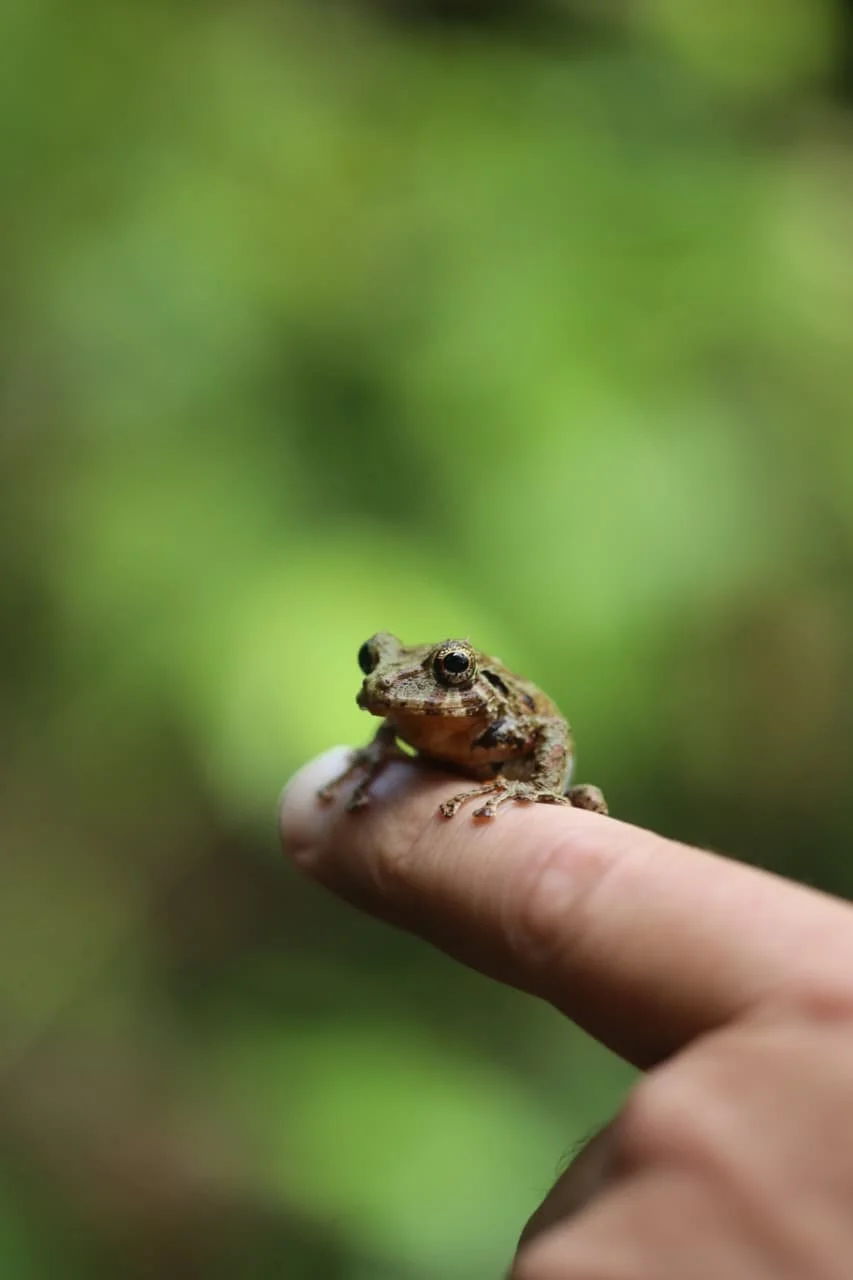
Chiriquí’s rivers and waterfalls create additional microhabitats that support amphibians and aquatic species. Frogs thrive in moist environments where clean water flows continuously. These amphibians play an essential role in the ecosystem by controlling insect populations and serving as prey for larger animals. Their sensitivity to environmental change also makes them indicators of ecosystem health.
Insect diversity in the province is extraordinary and often underappreciated. Butterflies move through forest clearings in bursts of color, while beetles, ants, and moths form complex ecological networks. Many plant species rely entirely on specific insects for pollination. The forest’s health depends heavily on these small but essential organisms.
Reptiles inhabit both forest floor and canopy environments. Lizards bask in filtered sunlight along trails, while snakes remain hidden among leaf litter and vegetation. Most species avoid human interaction entirely, contributing quietly to ecosystem balance. Their presence reflects the richness of prey species available throughout the forest.
The Pacific lowlands of Chiriquí support a completely different wildlife community shaped by heat and seasonal rainfall. Mangroves, estuaries, and coastal wetlands provide habitat for fish nurseries, wading birds, and crustaceans. These environments serve as transition zones between ocean and land, supporting biodiversity that depends on both.
Marine wildlife along Chiriquí’s Pacific coast includes dolphins, sea turtles, and diverse fish species. Seasonal migrations bring additional marine life into coastal waters. Mangrove forests provide shelter for juvenile fish, demonstrating how coastal ecosystems function as essential nurseries for ocean biodiversity.
Forest corridors connecting coastal lowlands to mountain environments allow species movement between ecosystems. These corridors are vital for maintaining genetic diversity and long-term population stability. Without them, many species would struggle to adapt to environmental change.
Within the forest above Boquete, wildlife activity changes throughout the day. Dawn brings bird calls that fill the canopy with sound, while afternoon warmth increases insect activity. Evening introduces nocturnal species that move through the forest under cover of darkness. Each period reveals different ecological interactions.
High in the cloud forest above Boquete sits Lost and Found Hostel, surrounded by habitat that supports diverse wildlife communities. Because the location is immersed directly in forest rather than built around open development, wildlife activity remains visible and audible throughout the day. Trails beginning at the property lead into dense vegetation where birds, insects, and mammals share the environment.
The surrounding jungle supports numerous bird species that move through canopy and understory layers. Early mornings often reveal the greatest activity as birds forage and communicate across the landscape. The forest’s layered structure allows multiple species to occupy the same area without direct competition.
Water features in the region — including streams and river canyons — support amphibians and aquatic insects that depend on clean, flowing water. These environments create additional biodiversity hotspots within the forest matrix. The constant sound of moving water forms part of the ecological atmosphere.
Community conservation efforts throughout Chiriquí aim to protect wildlife habitats while supporting sustainable tourism. Protected areas, biological reserves, and private conservation lands help maintain ecological continuity across elevations. These efforts recognize that biodiversity depends on landscape-scale protection rather than isolated reserves.
Coffee farms in the Boquete region also contribute to wildlife habitat when managed sustainably. Shade-grown coffee supports bird populations by preserving tree cover and plant diversity. Agricultural landscapes and natural forest often exist side by side, creating a mixed environment that supports varied species.
Seasonal weather patterns influence wildlife behavior significantly. Rainy season increases plant growth, insect populations, and amphibian activity. Dry season concentrates animals around water sources, making sightings more frequent in certain areas.
Predator species, though rarely seen, play an essential ecological role in maintaining balance. Birds of prey patrol open spaces and forest edges, controlling populations of smaller animals. Their presence indicates a functioning food web.
Nocturnal wildlife adds another dimension to Chiriquí’s biodiversity. Owls hunt silently through the canopy, while small mammals forage under cover of darkness. Nighttime forest environments reveal species rarely encountered during daylight hours.
Cloud forest vegetation itself forms a critical component of wildlife habitat. Epiphytes provide shelter, flowering plants supply nectar, and large trees support nesting sites. Plant diversity directly supports animal diversity.
The interplay between climate, elevation, and vegetation creates a layered ecosystem unlike lowland rainforest environments. Cooler temperatures slow decomposition and support unique plant communities that in turn sustain specialized wildlife.
Human presence in these environments must remain balanced to preserve ecological integrity. Responsible travel practices help ensure that wildlife remains protected while still observable.
Visitors exploring Chiriquí’s forests often remark on how alive the environment feels even when animals remain hidden. Sound, movement, and vegetation create constant evidence of ecological activity.
Migration patterns bring temporary species into the region during certain times of year, adding seasonal variation to wildlife encounters. These migrations connect Chiriquí to broader continental ecological systems.
The province’s biodiversity exists not as isolated species but as interconnected relationships between plants, animals, climate, and terrain. Each component supports the others.
Even small environmental changes can influence wildlife distribution, demonstrating the sensitivity of these ecosystems.
Conservation awareness among local communities has increased in recent years, strengthening long-term protection efforts.
Wildlife tourism contributes economically while encouraging environmental stewardship when practiced responsibly.
Chiriquí’s ecological diversity reflects Panama’s broader identity as a biological bridge between continents.
Travelers who explore both coastal and highland environments experience the full spectrum of regional biodiversity.
The province’s wildlife richness emerges from its vertical geography more than any single landmark.
Every trail, river, and forest clearing reveals a different aspect of ecological life.
Ultimately, wildlife in Chiriquí is defined by coexistence — between elevation zones, ecosystems, and species.
For visitors, observing this living network becomes one of the most memorable aspects of traveling through western Panama.