
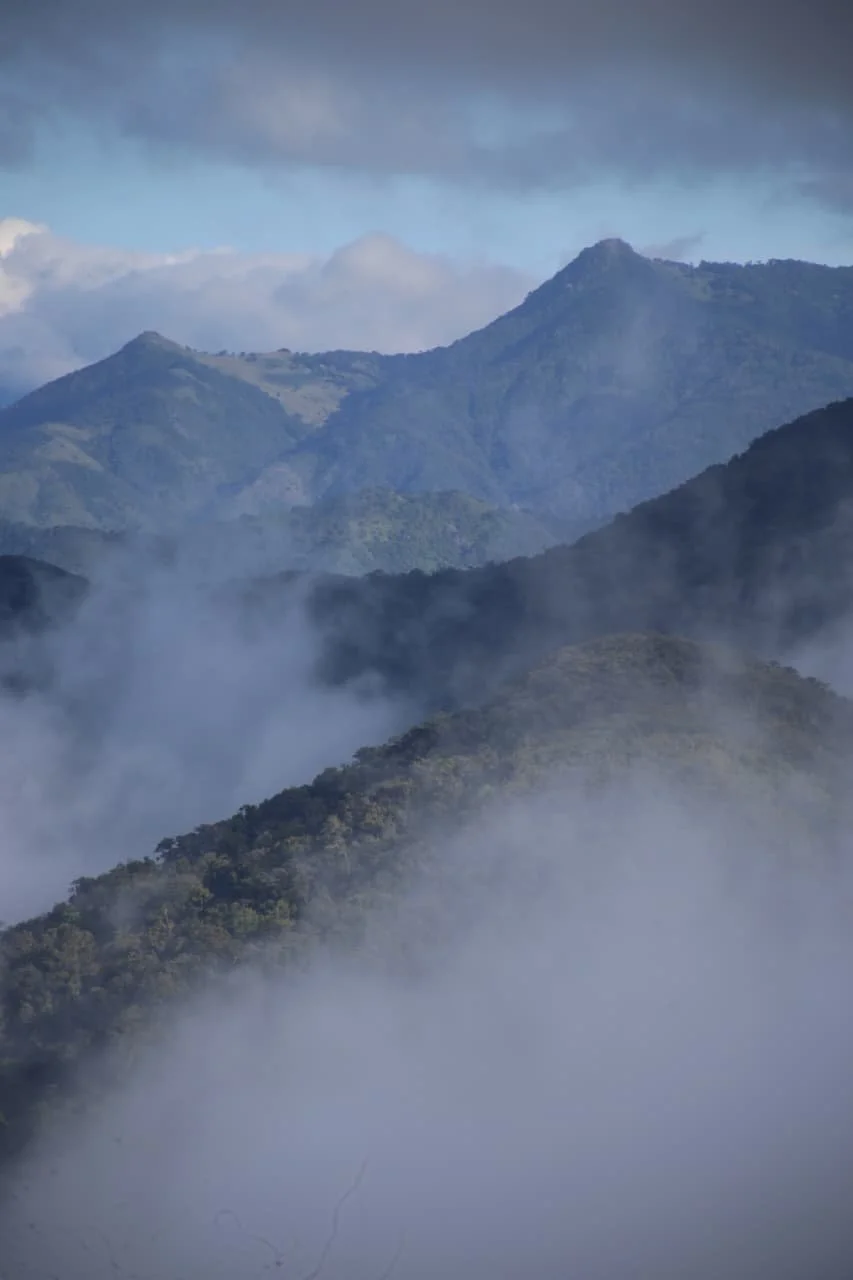
The Darien Gap is one of the most remote and mysterious regions in the Americas. Stretching along the border between Panama and Colombia, it is a dense swath of rainforest, swamps, and rivers that has long resisted human settlement.
Geographically, the Darien Gap connects Central and South America. It marks the break in the Pan-American Highway, a road network that spans from Alaska to Argentina. This interruption has earned it a reputation as an impassable barrier.
The Gap covers roughly 10,000 square kilometers of rugged terrain. Its swamps, rivers, and dense jungle create extremely challenging conditions for travelers, settlers, and infrastructure projects alike.
Historically, the region was home to indigenous peoples, including the Emberá, Wounaan, and Kuna, who adapted to its harsh environment. They hunted, fished, and farmed in small, sustainable communities.
During the Spanish colonial era, the Darien Gap was largely avoided by explorers and settlers. Its challenging terrain and tropical diseases made it nearly impossible to traverse safely.
In the early 16th century, the Darien Scheme, a failed Scottish colonization attempt, highlighted the region’s difficulties. Hundreds of settlers perished due to disease, hunger, and conflicts with indigenous groups, leaving the project a historical cautionary tale.
For centuries, the Darien Gap remained largely untouched by modern development. Its dense rainforest and extensive wetlands made building roads or settlements extremely difficult.
The region is home to rich biodiversity. Jaguars, tapirs, giant anteaters, and countless bird species thrive in the Darien Gap, along with unique plant species found nowhere else. Its ecological significance is immense.
Several rivers, including the Tuira and Chucunaque, crisscross the Darien, serving as transportation routes for local communities but presenting hazards for outsiders attempting to traverse the area.
The Darien Gap has long served as a natural barrier to migration and trade between Central and South America. Its lack of roads has preserved both its ecosystems and the cultural traditions of its indigenous peoples.
In modern times, the Darien Gap has drawn attention for more troubling reasons. Migrants traveling from South America to North America often attempt the crossing, facing extreme dangers along the way.
Humanitarian organizations report that migrants navigating the Gap face threats from wildlife, treacherous terrain, flooding, disease, and criminal groups, making it one of the most dangerous land routes in the world.
The Pan-American Highway abruptly stops at the town of Yaviza in Panama, leaving the Gap impassable by conventional vehicles. On the Colombian side, the highway resumes near Turbo, but the 100+ kilometer jungle in between remains roadless.
Efforts to build roads through the Darien Gap have been met with ecological concerns. Constructing highways could disrupt habitats, threaten biodiversity, and harm indigenous communities. As a result, governments have largely avoided such projects.
The Gap also acts as a natural buffer against illegal activity, including drug trafficking. Its remote terrain makes law enforcement difficult but also protects Panama and Colombia from easy access by outsiders.
Tourists rarely venture into the Darien Gap, though eco-adventurers and researchers occasionally explore the area with local guides. Travel requires careful planning, respect for indigenous territories, and awareness of natural hazards.
Conservation efforts in the Darien Gap focus on protecting its forests, rivers, and wildlife. National parks and indigenous reserves help maintain the balance between human activity and environmental preservation.
Climate change and deforestation pose threats to the Darien Gap. While relatively intact compared to other rainforests, illegal logging and agricultural expansion could disrupt the region’s ecosystems over time.
The Darien Gap represents a unique convergence of history, culture, and nature. From its indigenous heritage to failed colonial expeditions, it has remained a region of mystery and danger for centuries.
Today, the Gap remains both a natural barrier and a symbol of Panama’s wilderness. Its dense jungles, rich biodiversity, and historical significance make it one of the most fascinating and challenging landscapes in the Americas.
For travelers and scholars, the Darien Gap is a reminder of nature’s power, human limitations, and the delicate balance required to preserve one of the last true wild regions of Central America.