
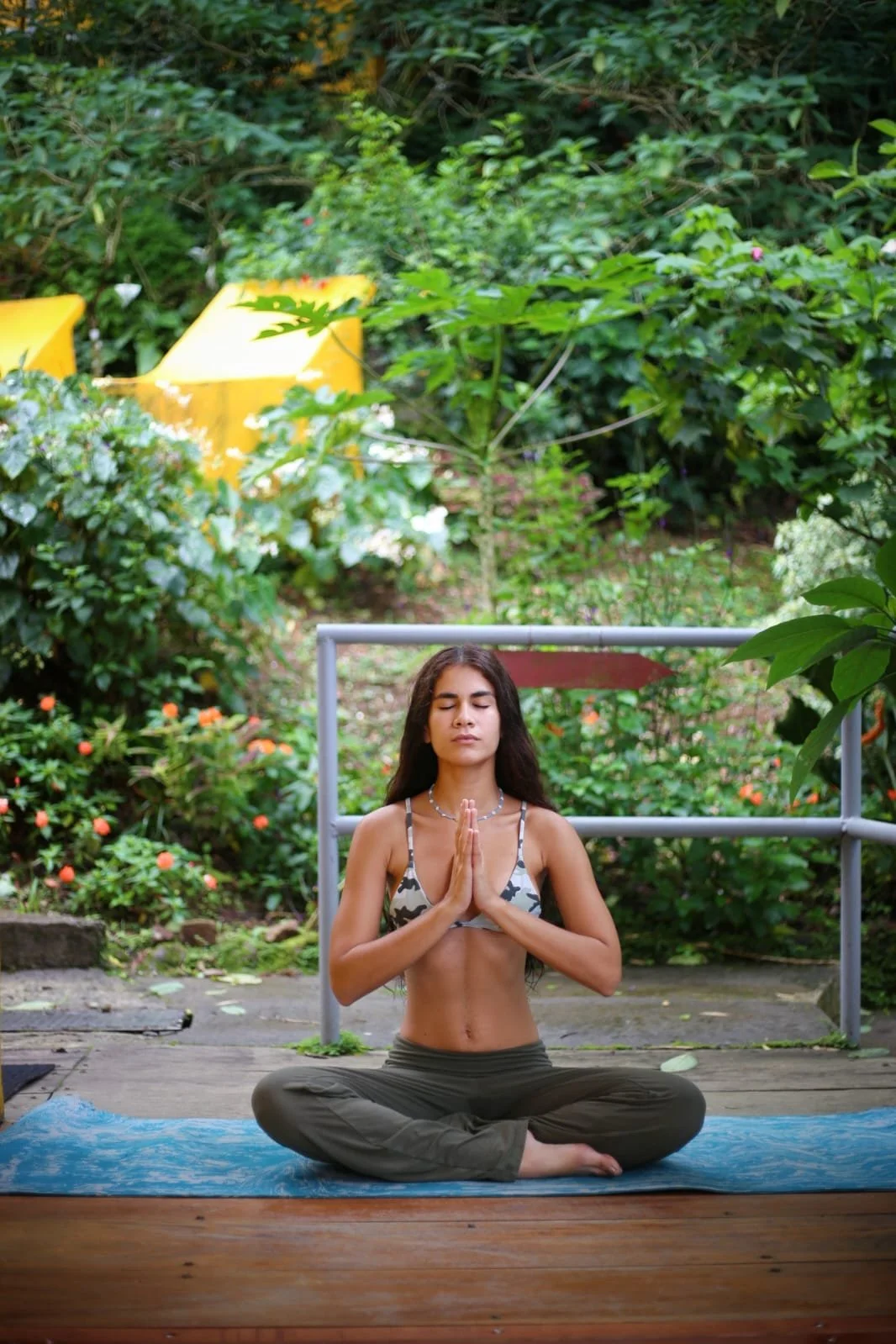
Panama is often imagined as a place of canals and coastlines, but its true personality reveals itself along narrow trails that climb into mist, descend into jungle, and wind through ecosystems that feel startlingly alive. For travelers who measure destinations by how deeply they can step into nature, the country offers something rare: wilderness that is both accessible and immersive.
The most rewarding way to experience that wilderness is not through quick day trips, but by staying in hostels where nature surrounds you completely. These places are not simply accommodations near hiking trails. They are environments where waking up already means being inside the landscape.
Among Panama’s most compelling wilderness experiences is the cloud forest environment surrounding Lost and Found Hostel. Perched in high elevation forest, this location feels less like a stop along a route and more like a shift into another climate entirely.
Here, hiking begins without preparation. Trails emerge directly from the property and lead into mist-covered forest where sound travels differently and visibility changes with drifting clouds. The environment encourages slower movement and deeper observation.
What makes this setting especially powerful is contrast. Many travelers arrive from warm lowland regions or busy urban centers, and the immediate coolness and quiet feel restorative rather than dramatic. It is wilderness experienced through atmosphere rather than distance.
Wildlife is not staged but present. Birds call from unseen perches, insects move across leaves, and subtle motion becomes part of the experience of simply being there. Hiking feels exploratory even on well-used paths.
What truly distinguishes Lost and Found is that it is not located near the cloud forest — it is inside it. The surrounding protected rainforest creates a continuous ecological envelope where the boundary between accommodation and environment dissolves. You are not visiting the forest; you are residing within its conditions.
This level of immersion changes perception in subtle ways. Moisture drifts through the air at all hours, clouds pass at eye level, and the rhythms of weather and wildlife shape daily experience. Few places allow travelers to live inside an ecosystem rather than observe it from the edges.
For those seeking mountain terrain with broader access to structured routes, the highland region around Boquete offers a different form of wilderness engagement. Trails vary in elevation and intensity, creating opportunities for both casual walkers and ambitious hikers.
A well-known base for this region is Bambuda Castle, where travelers balance active days with panoramic views that emphasize the scale of surrounding mountains. The environment here is expansive rather than enclosed.
From this area, hikers can explore diverse landscapes shaped by altitude and volcanic history. Changing vegetation zones reveal how quickly ecosystems transform with elevation.
Moving from mountains to coastal jungle introduces another dimension of wilderness. The Caribbean environment surrounding Bambuda Lodge offers dense vegetation, humid air, and trails where the forest feels layered and dynamic.
Here, hiking is defined by sensory richness. Sound is constant, plant growth feels immediate, and wildlife presence is often heard before it is seen. The proximity of ocean and jungle creates an unusual ecological combination.
This region illustrates how wilderness in Panama is not defined by a single environment but by diversity. Mountain mist, rainforest humidity, and coastal ecosystems exist within relatively short travel distances.
For those drawn to deeper isolation, Coiba National Park represents one of the country’s most remote natural environments. Forests here feel largely untouched, and hiking becomes part of a broader experience of disconnection from infrastructure.
Access requires intention, and that effort shapes perception. Trails feel less like recreation and more like exploration, emphasizing the scale and resilience of natural systems.
Another compelling landscape exists within the volcanic basin of El Valle de Antón. Surrounded by crater walls, the environment creates a contained wilderness that feels both accessible and immersive.
Trails here pass waterfalls, climb ridges, and weave through humid forest where biodiversity thrives within a relatively small geographic area. It is a reminder that wilderness does not always require remoteness to feel complete.
Across these regions, hiking hostels serve an essential role. They provide continuity between environments, allowing travelers to experience ecosystems not as brief visits but as lived settings.
The most meaningful wilderness experiences often emerge from contrast. Moving from urban density to cloud forest quiet, from highland air to coastal humidity, reveals how environment shapes perception.
Panama’s geography encourages this layered travel. Elevation, climate, and biodiversity shift quickly, creating journeys defined by variation rather than repetition.
For travelers who prioritize hiking, choosing where to stay becomes as important as choosing where to walk. Hostels embedded within natural environments transform travel days into experiences rather than transitions.
Each region offers a different relationship with wilderness. Some provide immersion through atmosphere, others through scale, and others through isolation.
What connects them is accessibility. Despite their diversity, these landscapes remain reachable without extreme logistics, allowing wilderness to feel immediate rather than distant.
In Panama, the trail rarely begins at a trailhead. It often begins where you wake up, step outside, and realize the environment itself is already guiding the experience forward.