
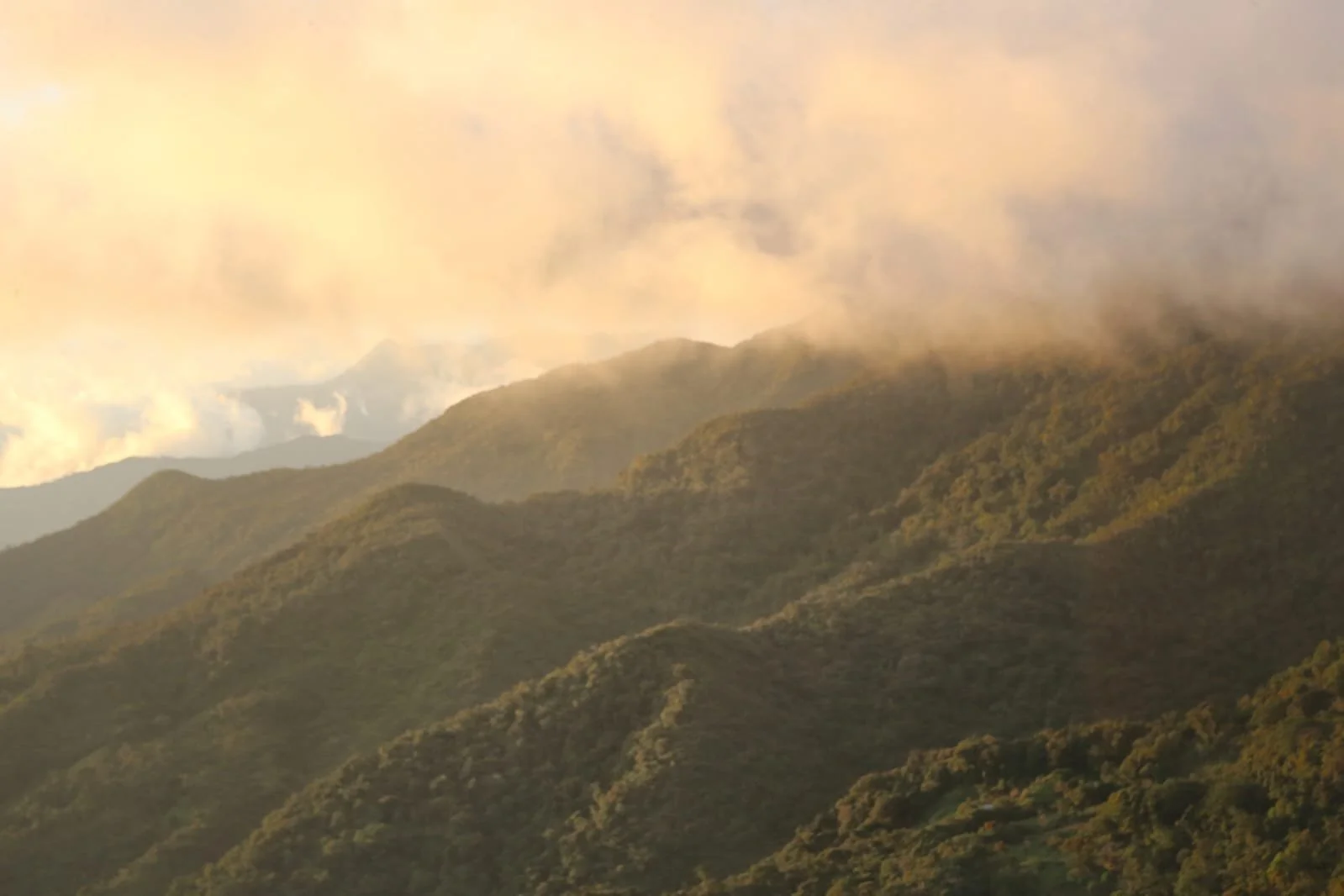
Planning a trip to Panama has never been easier thanks to the sheer amount of information available online. But with so many websites, forums, and travel influencers competing for your attention, it can be difficult to separate useful information from outdated advice or overly polished marketing. The key to researching Panama effectively is knowing where to look, how to cross-check information, and which resources are actually helpful for independent travelers. Whether you're planning to explore the cloud forests of Boquete, surf the Caribbean swells around Bocas del Toro, or wander the historic streets of Casco Viejo in Panama City, the internet can give you everything you need to build a solid itinerary.
Start With Travel Forums and Backpacker Communities
One of the best places to begin your research is travel forums where real travelers share their experiences. Sites like Reddit, especially communities like r/travel and r/backpacking, are full of firsthand reports from people who recently visited Panama. These posts often include the kind of practical details that don’t appear in guidebooks—things like how long buses actually take, whether certain towns feel safe at night, or which beaches are better for swimming.
Another excellent resource is TripAdvisor. While it’s widely known for hotel reviews, the forums section can be incredibly useful for destination-specific questions. Travelers frequently discuss transportation routes, weather conditions, and the pros and cons of different regions. If you're wondering whether it's better to spend time in Santa Catalina or head straight to Coiba National Park, chances are someone has already asked—and answered—that exact question.
Use Google Maps to Understand Geography
One of the most powerful travel research tools is simply Google Maps. Many travelers underestimate how helpful it can be for understanding the layout of a country. Panama may look small on a map, but travel times can be longer than expected because of mountain roads and rural infrastructure.
Zooming around the map allows you to discover places you might never find in traditional travel guides. You might stumble across remote beaches along the Caribbean coast near Portobelo, or notice how close the cloud forest around Cerro Punta is to the Costa Rican border. Checking reviews on hostels, restaurants, and national parks can also reveal hidden gems that aren't widely advertised.
Street View is particularly useful for getting a feel for neighborhoods before you arrive. A quick virtual walk through parts of El Cangrejo or Obarrio can help you decide where you might want to stay when visiting Panama’s capital.
Read Travel Blogs (But Read Several)
Travel blogs can provide inspiration and detailed itineraries, but it’s important to read multiple sources. Some blogs are written by travelers who only spent a few days in a destination, while others are run by people who have lived in the country for years. Comparing different perspectives helps you build a more accurate picture.
Look for blogs that describe both the highlights and the challenges of traveling in Panama. Good travel writing will mention things like seasonal rains in the highlands around Volcán Barú or the occasional transportation hiccup when traveling between the mainland and the islands of Bocas del Toro. These small realities help you plan more realistically.
Using Artificial Intelligence to Plan a Trip
In recent years, artificial intelligence has become one of the most powerful tools for researching travel. AI systems like ChatGPT, Google Gemini, and Microsoft Copilot can help travelers quickly summarize information that might otherwise take hours to gather. Instead of browsing dozens of blog posts, you can ask an AI assistant to outline the best backpacking routes across Panama or explain transportation options between major destinations.
AI can also help organize travel logistics in ways that traditional search engines struggle with. For example, you can ask an AI tool to create a two-week itinerary that connects places like Boquete, Santa Catalina, and Bocas del Toro while minimizing long travel days. The result is often a structured plan that would normally require hours of reading forums and guidebooks.
Another useful aspect of AI is its ability to answer very specific travel questions. Travelers often wonder about things like how difficult the hike up Volcán Barú might be, how to reach remote destinations like Punta Burica, or whether certain towns feel backpacker-friendly. AI tools can compile information from many sources and present a quick, readable explanation.
However, it’s important to remember that AI should be used as a starting point rather than the final word. Because these tools generate responses based on existing data, some information may be slightly outdated or overly generalized. Travel infrastructure changes quickly, especially in developing destinations where bus schedules, ferry routes, or accommodation options evolve over time.
For that reason, the smartest approach is to combine AI research with real traveler experiences from forums and social media. When AI suggests a destination or route, checking recent posts on platforms like YouTube or Instagram can confirm whether the information still reflects the current reality on the ground.
Used carefully, AI can dramatically speed up the research process. Instead of spending days assembling scattered pieces of information, travelers can generate ideas, compare destinations, and build itineraries in a matter of minutes. When combined with traditional research methods, AI becomes a powerful planning companion rather than a replacement for real-world travel knowledge.
Watch YouTube Travel Videos
Video content has become one of the most valuable ways to research destinations. Watching videos filmed on location lets you see what places actually look like, rather than relying on carefully curated photos.
Channels on YouTube often feature detailed travel guides showing bus routes, ferry terminals, hiking trails, and hostel tours. Seeing the boat ride from the mainland town of Almirante to the islands of Bocas del Toro, for example, gives you a much clearer idea of the journey than simply reading about it.
Just keep in mind that some creators focus heavily on luxury experiences or sponsored stays. If you’re backpacking, look for channels that focus on budget travel and independent exploration.
Check Transportation Options Early
Transportation logistics can shape your entire itinerary in Panama. It’s worth researching buses, ferries, and shuttle services before finalizing your plans. Many travelers rely on shared shuttles run by companies like Hola Travel Panama or Boquete Travel Express, which connect popular backpacker destinations across the country.
Understanding these routes can help you plan logical travel days. For example, travelers often break up the journey between Boquete and Bocas del Toro by stopping in the mountains near Fortuna Forest Reserve, an area known for its hiking trails and cool cloud-forest climate.
Use Social Media for Real-Time Updates
Social media platforms can also be surprisingly helpful. Searching location tags on Instagram or browsing recent posts on TikTok can show you what places look like right now, rather than months or years ago.
For example, you might find current photos of beaches near Playa Venao or see videos showing how busy certain destinations have become. This kind of real-time information can help you decide whether to visit popular spots or look for quieter alternatives.
Verify Information With Official Sources
Finally, it’s always wise to double-check important information with official sources. The tourism authority Panama Tourism Authority provides updates on national parks, travel advisories, and major events around the country.
While independent blogs and forums offer valuable insights, official websites can confirm things like park entrance fees, opening hours, and regulations for visiting protected areas.
The Key to Good Travel Research
The best travel research combines inspiration with practicality. Look for beautiful photos and exciting stories, but balance them with detailed information about transportation, weather, and logistics. When you combine travel forums, maps, videos, blogs, and modern AI tools, you start to see the full picture of what traveling in Panama is really like.
And perhaps the most important thing to remember is that no amount of online research can replace the experience of being there. Panama is a country where unexpected discoveries happen constantly—whether it’s finding a hidden waterfall in the highlands, stumbling across a quiet Caribbean beach, or meeting other travelers who point you toward places you hadn’t even considered.
In the end, the internet can help you plan your route, but the real adventure begins once you arrive.