
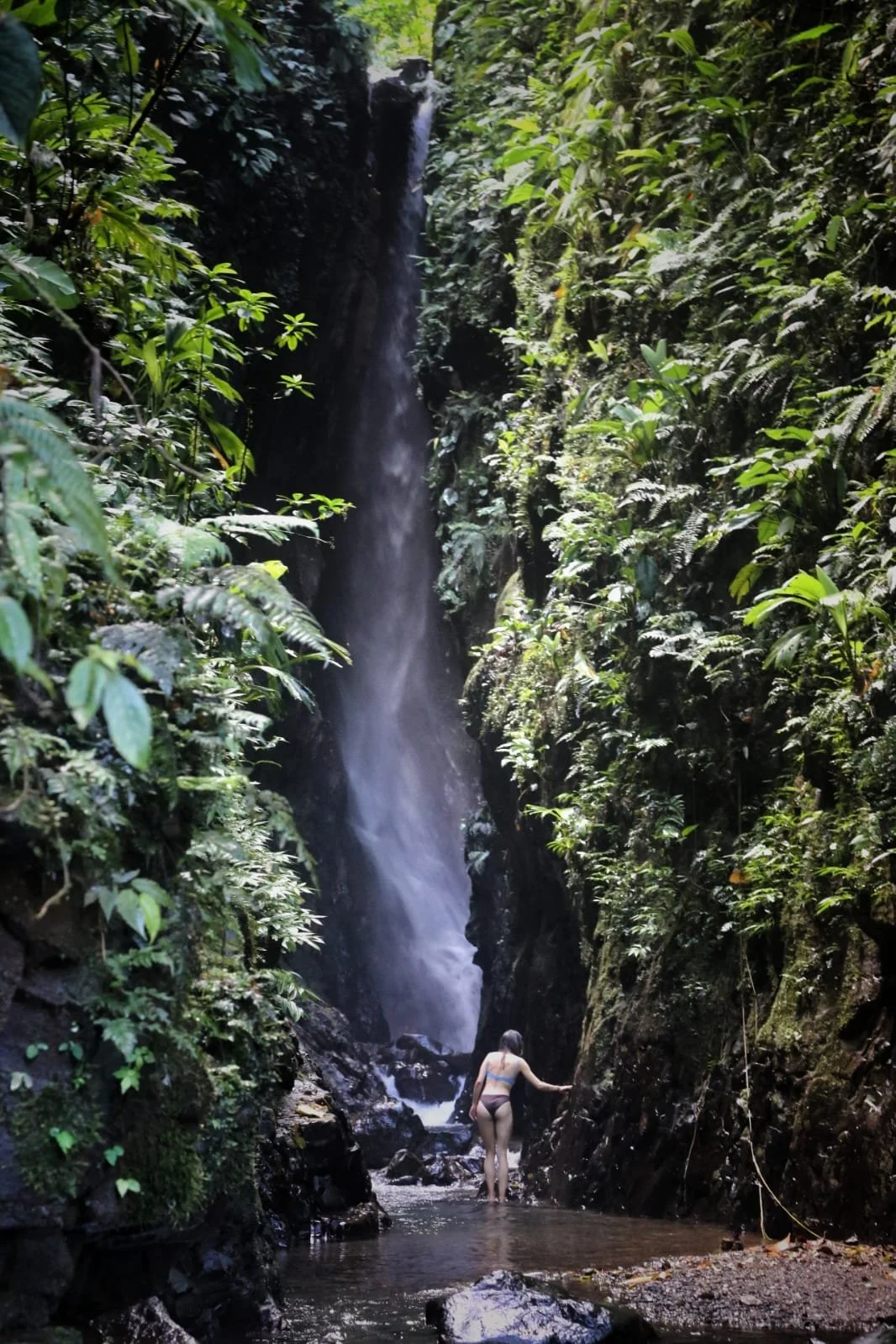
Traveling through Panama is an incredible experience for anyone interested in nature. The country sits between two oceans and contains rainforests, cloud forests, coral reefs, and mangroves, making it one of the most biodiverse places in Central America. Visitors exploring areas like Boquete, the Caribbean islands of Bocas del Toro, or jungle regions throughout the country will quickly realize that wildlife is everywhere.
But with that biodiversity also comes a responsibility. While Panama has a rich culinary culture that includes seafood, chicken, beef, and traditional dishes, there are also certain animals that travelers may encounter that should never be eaten. Some are protected species, some are dangerous to consume, and others play critical roles in fragile ecosystems.
For travelers interested in responsible tourism in Panama, understanding which animals should be left alone is an important part of protecting the country’s natural environment.
Sea Turtles
Sea turtles are among the most iconic animals found along the coasts of Panama. Species such as the Green sea turtle and the Hawksbill sea turtle nest on beaches across the country, especially on the Caribbean side.
Unfortunately, sea turtles have historically been hunted for both their meat and their eggs. Today many turtle species are endangered, and hunting them is illegal in Panama. Turtle eggs may occasionally be offered quietly in rural areas, but travelers should always refuse them.
Sea turtles grow slowly and take decades to reach maturity. Removing even a small number from the population can have long-term impacts on their survival.
Parrots and Tropical Birds
Panama’s forests are filled with colorful birds, including parrots and macaws that flash across the sky in bright greens, reds, and blues. Species like the Scarlet macaw are among the most spectacular animals in the region.
In some parts of Latin America, wild birds have historically been hunted or captured for food or trade. However, these birds are vital for forest ecosystems because they spread seeds and help regenerate rainforest plants.
Eating or purchasing wild parrots not only harms wildlife populations but also supports illegal wildlife trade networks. Travelers exploring forests around Boquete or coastal jungles should appreciate these birds with a camera rather than a fork.
Monkeys
Monkeys are some of the most charismatic animals travelers encounter in Panama’s forests. Species such as the White‑headed capuchin are especially common in tropical areas and are known for their curiosity and intelligence.
Although monkey hunting has occurred historically in parts of Central America, these animals are protected in Panama and play an important role in maintaining healthy forest ecosystems. Monkeys disperse seeds, maintain forest diversity, and act as indicators of a healthy jungle.
For travelers, monkeys are one of the highlights of hiking in tropical forests—but they should always be admired from a distance and never hunted or eaten.
Sloths
Few animals represent the relaxed pace of tropical life better than the Three‑toed sloth. Sloths spend most of their lives slowly moving through the canopy, feeding on leaves and blending into the forest.
Because of their slow movements and gentle nature, sloths are extremely vulnerable to human threats. Hunting them or disturbing their habitat can have devastating effects on local populations.
While sloth meat is not commonly consumed today, travelers should remember that these animals are protected wildlife and an important part of Panama’s rainforest ecosystem.
Poisonous Reef Fish
Not all animals you shouldn’t eat are protected—some are simply dangerous. Along the Caribbean coast near Bocas del Toro, certain reef fish can carry toxins that cause ciguatera poisoning, a form of food poisoning that occurs when toxins accumulate in fish.
Predatory reef fish such as the Barracuda can sometimes carry these toxins in certain regions. While not all barracuda are dangerous, travelers should be cautious about eating large reef predators unless they are prepared by experienced local fishermen who understand the risks.
Ciguatera poisoning can cause symptoms ranging from nausea and dizziness to neurological problems, so it’s best to stick with commonly served seafood like snapper or tuna.
Sharks
Sharks are occasionally eaten in some parts of the world, but in many cases shark populations have declined dramatically due to overfishing. Species such as the Hammerhead shark are especially vulnerable.
Panama’s waters are home to many shark species, and they play a crucial role as top predators in marine ecosystems. Removing sharks from the ocean disrupts the balance of marine food chains and can lead to long-term ecological damage.
Travelers interested in marine life are far better off seeing sharks while diving or snorkeling rather than eating them.
Why Responsible Food Choices Matter
One of the best parts of traveling in Panama is experiencing the country’s food culture. Fresh seafood, tropical fruits, and traditional dishes like rice, beans, and plantains are widely available and delicious.
At the same time, travelers have an important role in protecting the wildlife that makes Panama such a unique destination. Choosing not to consume protected animals helps support conservation efforts and encourages sustainable tourism.
Panama’s rainforests, oceans, and islands are home to an incredible variety of species, many of which are found nowhere else in the world. By appreciating wildlife without exploiting it, travelers can help ensure that future visitors will also have the chance to experience the country’s extraordinary natural beauty.
And when you’re hiking through the jungle or relaxing on a beach and spot a monkey, turtle, or colorful bird nearby, it’s far more rewarding to watch it alive in its natural habitat than to see it on a plate. 🐢