
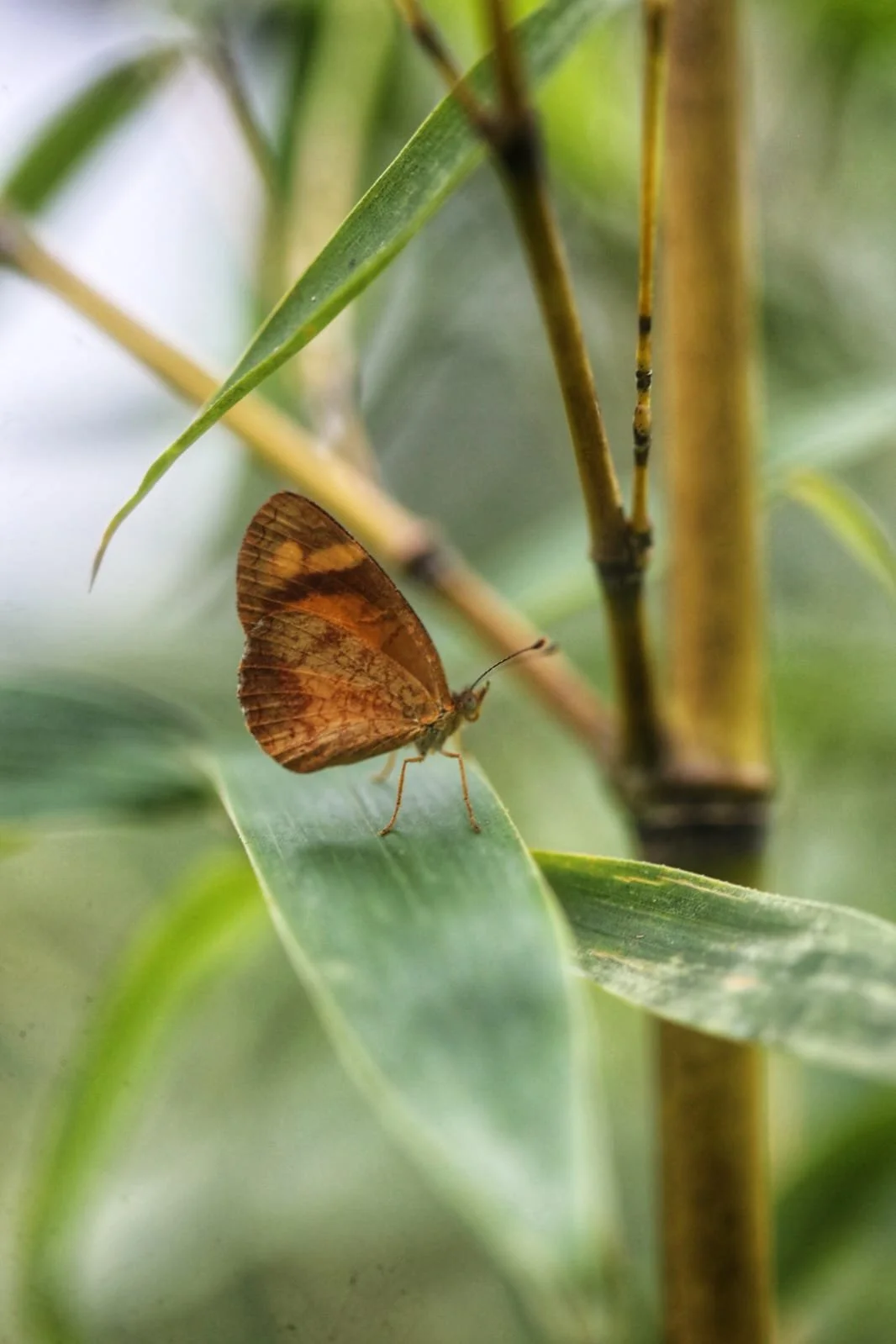
In Panama, protected areas are not always vast jungles stretching for hundreds of kilometers—some of the country’s most ecologically important spaces are surprisingly small, yet incredibly rich in biodiversity and cultural value. These compact reserves, parks, and conservation zones play a crucial role in preserving fragile ecosystems, protecting endangered species, and offering accessible ways for people to connect with nature. From dense urban forests to rare dry landscapes and coastal sanctuaries, Panama’s smaller protected areas reveal just how diverse and layered this country truly is.
One of the most well-known examples is Metropolitan Natural Park, located within Panama City. Despite its relatively small size, this park is an ecological gem, preserving tropical dry forest within a bustling metropolitan area. It is one of the few places in the world where you can walk through lush jungle and spot wildlife like sloths, monkeys, toucans, and coatis just minutes from skyscrapers. The park’s well-maintained trails lead to elevated viewpoints overlooking the city skyline and the Panama Canal, creating a striking contrast between urban development and natural wilderness. Its importance lies not only in conservation, but also in environmental education and providing city residents with access to green space.
Another highly significant area is Soberanía National Park, which, while not the smallest in absolute terms, contains some of the most compact and accessible rainforest ecosystems in the country. Located along the Panama Canal, it serves as a vital biological corridor connecting different habitats. Trails like Pipeline Road are world-renowned among birdwatchers, offering the chance to see hundreds of species in a single day. This park demonstrates how even relatively small stretches of protected forest can support enormous biodiversity and contribute to scientific research and conservation efforts.
On the Pacific side, Cerra Hoya National Park stands out as one of Panama’s smallest national parks. Located on the Azuero Peninsula, it protects dry tropical forest—a rare and increasingly threatened ecosystem. Unlike the lush, humid jungles commonly associated with Panama, this region experiences a much drier climate, especially during the dry season when vegetation becomes sparse and golden. This “dry forest” environment supports specialized plants and animals that are adapted to lower rainfall, making it an ecological treasure despite its limited size. Its conservation is essential to maintaining ecological diversity within the country.
Further adding to Panama’s network of small but significant protected areas is El Nispero Zoo and Botanical Garden, located in the scenic crater town of El Valle de Antón. While not a traditional national park, it functions as a compact conservation and education center, protecting native species and showcasing Panama’s wildlife in a controlled environment. Visitors can encounter animals such as jaguars, monkeys, and exotic birds, while also learning about local flora. Its smaller footprint allows it to serve as both a sanctuary and a bridge between humans and nature.
Another important mention is the coastal and wetland-focused conservation efforts like Punta Patiño Nature Reserve, a protected area in the remote Darién region. While it includes larger wilderness zones, many of its most critical habitats—such as mangroves and nesting sites—exist in relatively small, concentrated spaces. These ecosystems are vital for marine life, migratory birds, and coastal stability. The reserve highlights how even small, delicate ecosystems can have global ecological importance, particularly in supporting biodiversity along migratory routes.
One of the most fascinating and often overlooked protected environments in Panama is the so-called “manatee park,” referring to areas where manatees are protected and studied, particularly within or near wetland systems like those in the Caribbean lowlands and coastal lagoons. A key species here is the West Indian manatee, scientifically known as West Indian Manatee. These gentle marine mammals inhabit slow-moving rivers, estuaries, and coastal waters, feeding on seagrass and aquatic vegetation. While there is no single massive “manatee national park,” there are designated protected zones and conservation efforts aimed at safeguarding these animals, especially in regions near the Caribbean coast.
These manatee habitats are often small, sensitive areas where human activity is carefully managed to prevent disturbance. They are incredibly important because manatees are vulnerable to threats such as boat collisions, habitat loss, and water pollution. Conservation programs in Panama focus on monitoring populations, educating the public, and protecting the calm waters where manatees feed and breed. Observing a manatee in the wild is a rare and special experience, as they are shy, slow-moving, and tend to surface quietly for air.
Panama also has unique semi-arid or “desert-like” environments, particularly in the Azuero Peninsula, where dry tropical conditions create landscapes that resemble arid regions during the dry season. While Panama does not have a true desert, these areas experience significantly less rainfall than the rest of the country. Vegetation becomes sparse, and the land takes on a more open, sun-exposed character. These ecosystems are extremely important because they represent one of the few dry forest environments in Central America, and they require protection to prevent degradation from agriculture and development.
What makes all these smaller protected areas so important is their strategic role in conservation. Many are located near urban centers, coastal regions, or agricultural zones, acting as buffers that protect biodiversity while allowing people to interact with nature. They serve as biological corridors, educational spaces, and refuges for endangered species. Despite their size, they often support a disproportionate amount of biodiversity relative to their footprint.
For travelers exploring Panama, these smaller parks and reserves offer some of the most accessible and rewarding nature experiences. Whether you are walking through the forest in Metropolitan Natural Park, birdwatching in Soberanía, exploring dry landscapes in Cerra Hoya, or learning about wildlife in El Valle de Antón, each destination reveals a different side of Panama’s ecological identity. Even coastal areas where manatees live provide a glimpse into the delicate balance between marine and terrestrial ecosystems.
In the end, Panama’s smallest protected areas prove that conservation is not about size—it’s about impact. These compact yet vital spaces protect unique habitats, preserve endangered species, and provide a bridge between humans and the natural world. Together, they form a mosaic of ecosystems that make Panama one of the most biodiverse and ecologically fascinating countries in the world.