
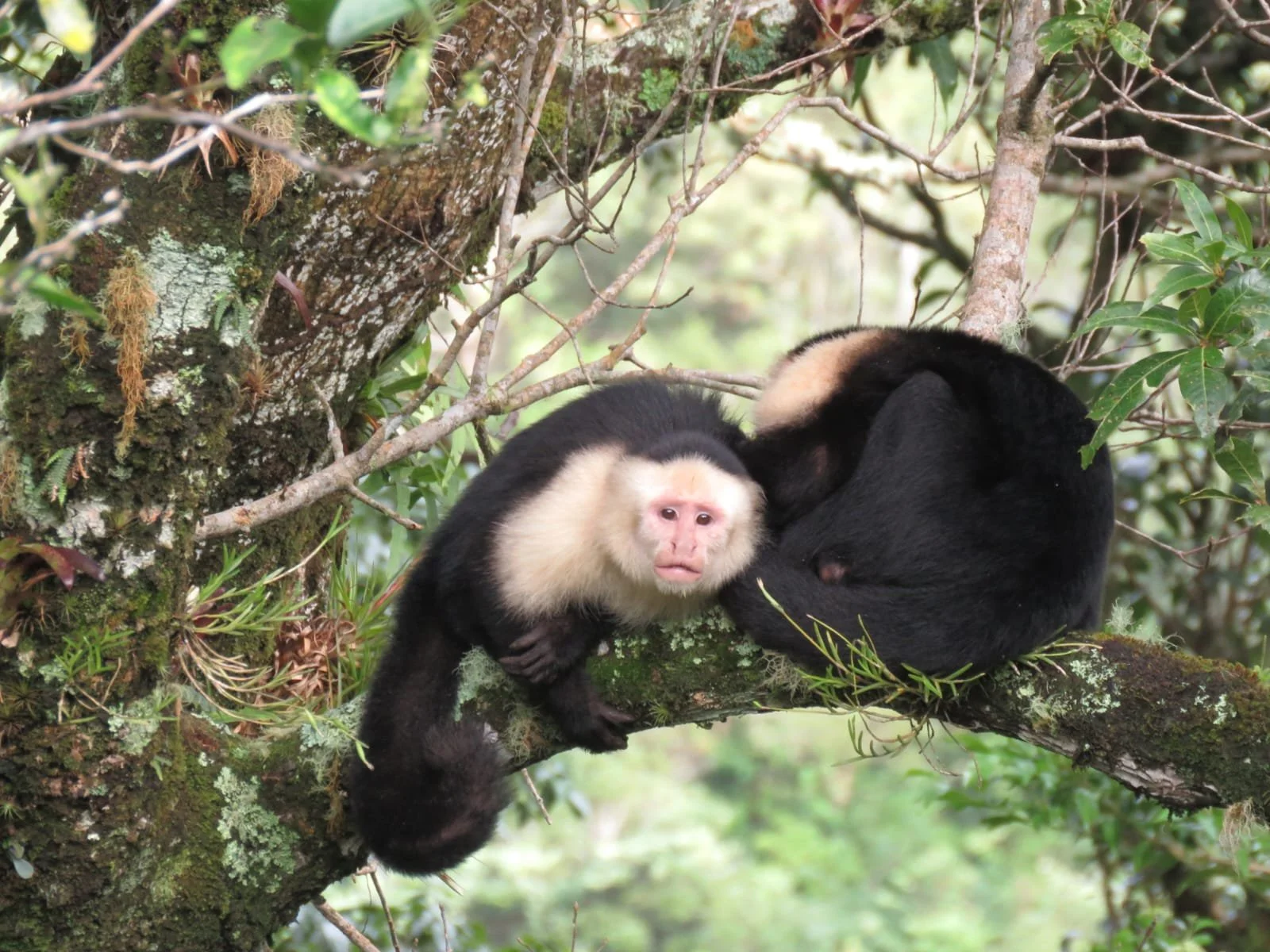
The smallest monkeys you can find in Panama are among the most fascinating and charming creatures in the rainforest, often capturing the attention of travelers, photographers, and wildlife enthusiasts alike. The main species that holds this distinction is the pygmy marmoset, known scientifically as Pygmy Marmoset, which is widely recognized as the smallest monkey in the world. Although sightings in Panama are rare compared to other countries in South America, related small primates such as tamarins can occasionally be encountered in certain forested regions, especially in remote, undisturbed habitats.
The pygmy marmoset is incredibly small—typically weighing only around 100 grams and measuring just a few inches long, not including its tail. Despite its size, it is perfectly adapted to life in the treetops. Its sharp claws (rather than flat fingernails like larger monkeys) allow it to cling tightly to tree bark, enabling it to move quickly and efficiently through dense vegetation. Its diet is highly specialized, consisting mainly of tree sap, gum, and small insects, which it extracts using its strong, chisel-like teeth to create holes in tree bark. This feeding behavior plays a unique ecological role, as the marmoset helps stimulate tree health and sap flow, contributing to the broader ecosystem.
In Panama, however, the more commonly observed small monkeys are species like tamarins, particularly those from the genus Tamarin. One example is the Panamanian tamarin, also known as the Geoffroy’s tamarin (Saguinus geoffroyi), which is native to the region and can sometimes be spotted in forested areas, including national parks and protected reserves. These monkeys are small, typically weighing around 500 to 700 grams, and are easily recognized by their expressive faces, long tails, and active, social behavior. They often move in small family groups, leaping gracefully from branch to branch in search of fruit, insects, and small invertebrates.
Tamarins are highly social and communicate through a variety of vocalizations, facial expressions, and body language. Their cooperative behavior extends to raising young, where not only the mother but also other group members help carry and care for infants. This social structure increases their survival chances and is one of the reasons they thrive in the wild. Unlike some larger primates, tamarins are extremely agile and spend almost all of their time in the trees, rarely descending to the ground.
In Panama, spotting these small monkeys requires patience and a bit of luck, as they are naturally elusive and tend to stay hidden in the dense canopy. Areas with healthy forest ecosystems—such as protected parks, reserves, and remote jungle regions—offer the best chances. Locations like the cloud forests and tropical lowlands can sometimes yield sightings if you are quiet, observant, and guided by local knowledge. Early mornings are often the best time to look, as monkeys tend to be more active during cooler parts of the day when they forage and travel.
What makes these small monkeys so special is not just their size, but their incredible adaptation to life in the jungle. Their survival depends on intricate relationships with their environment, from the trees they feed on to the social bonds within their groups. They are a reminder of the complexity and richness of Panama’s biodiversity, and how even the smallest creatures play a vital role in maintaining the balance of nature.
For travelers exploring Panama’s rainforests, encountering these tiny monkeys—whether a rare glimpse of a pygmy marmoset in theory or a lively group of tamarins in the wild—is an unforgettable experience. Their quick movements, curious nature, and playful interactions bring the jungle to life in a way that is both magical and deeply connected to the natural world.