
Travel in Panama is evolving fast. Not long ago, planning a backpacking route meant hours of blog reading, outdated forum threads, and vague recommendations passed between travelers. Now, with tools like ChatGPT, you can build a detailed itinerary in minutes—complete with routes, transport tips, hidden gems, and optimized timelines.
It’s efficient. It’s smart. And for many people, it’s become the default way to plan.
But once you actually arrive in Panama, something interesting starts to happen.
The plan begins to loosen.
The Rise of Perfect Planning
There’s a certain confidence that comes with landing in a new country with everything mapped out. You know where you’re going next. You’ve already booked your hostels. You’ve calculated your bus routes. You’ve even got backup plans in case something changes.
In theory, it removes stress.
And to a degree, it does.
But there’s a trade-off hiding underneath that structure—one that many travelers don’t notice until they’re already on the road.
When everything is planned in advance, you’re not just organizing your trip—you’re limiting how much it can evolve.
Panama isn’t a country that fits neatly into a fixed schedule. It’s not just about ticking off destinations like Boquete, Bocas del Toro, or Panama City. It’s about the space in between them—the unplanned stops, the slow days, the unexpected detours that end up becoming the highlight of the entire trip.
And those moments don’t always fit into a pre-booked itinerary.
Word of Mouth: The Original Algorithm
For all the power of AI, there’s something it still can’t replicate: the real-time flow of information between travelers.
In hostels, on buses, over shared meals—this is where plans actually change.
Someone mentions a place you hadn’t heard of.
Someone tells you to stay longer somewhere you only gave two nights.
Someone warns you that a destination isn’t worth the hype—and suggests a better alternative.
This is especially true along the backpacker trail running through the highlands and down toward the Caribbean. Conversations carry more weight than any blog or itinerary because they’re immediate and personal. They come with context, emotion, and nuance.
It’s not just what people recommend—it’s why.
And often, those recommendations lead you somewhere better than what you originally planned.
The Illusion of “Missing Out”
One of the main reasons people over-plan is fear.
Fear of missing out.
Fear of things being fully booked.
Fear of making the wrong choice.
So they lock everything in.
But here’s the reality: in doing that, you often miss out on something else—the ability to change your mind.
Panama is full of places where travelers wish they had more time. You’ll hear it constantly:
“I should have stayed longer.”
“I didn’t expect to like this place so much.”
“I wish I hadn’t booked my next stop already.”
When your next three destinations are prepaid and fixed, you don’t have the freedom to follow those instincts.
You move on because you have to—not because you’re ready.
What If You Fall in Love With a Place?
This happens more often than people expect.
You arrive somewhere planning to stay two nights. It feels like a stopover. A checkpoint between bigger destinations.
And then something shifts.
Maybe it’s the environment. Maybe it’s the pace. Maybe it’s the people you meet.
Places like Lost and Found Hostel are known for this. Tucked into the cloud forest, it’s not a place people just pass through—it’s a place people pause.
Travelers show up with a plan to continue on toward the coast.
Then they extend.
And extend again.
Because the experience isn’t just about location—it’s about how it feels to be there. The conversations, the atmosphere, the sense of disconnection from the outside world.
These are things you can’t fully understand until you arrive. And once you do, rigid plans start to feel like limitations.
And Sometimes… You Meet Someone
There’s another layer to all of this that people don’t always talk about—but it’s real.
Connection.
When you travel, especially in a place like Panama, the usual barriers disappear. You’re out of your routine, meeting new people constantly, sharing time and experiences in a way that’s more immediate than at home.
Conversations go deeper, faster.
And sometimes, you meet someone who changes the direction of your trip.
It might be:
Someone you travel with for a few days
Someone who shifts your perspective
Or, occasionally, someone you form a real relationship with
Hostels like Lost and Found have quietly built a reputation over the years as places where people connect—not just socially, but sometimes romantically. There are countless stories of travelers who met there and stayed in touch long after leaving Panama.
Some even built relationships that continued beyond the trip.
That’s not something you can plan for.
And if your schedule is too tight, you might not give it the time to unfold.
The Value of Staying Flexible
Flexibility doesn’t mean having no plan. It means having a plan that can change.
A good approach in Panama is simple:
Book your first few nights
Outline a rough route
Keep your next steps open
This way, you still have direction—but you also have freedom.
Freedom to:
Stay longer somewhere unexpected
Skip a place that doesn’t feel right
Travel with people you meet along the way
Follow recommendations that don’t exist online
It’s a balance between structure and spontaneity.
Why Panama Rewards the Unplanned
Panama isn’t just about its destinations—it’s about its transitions.
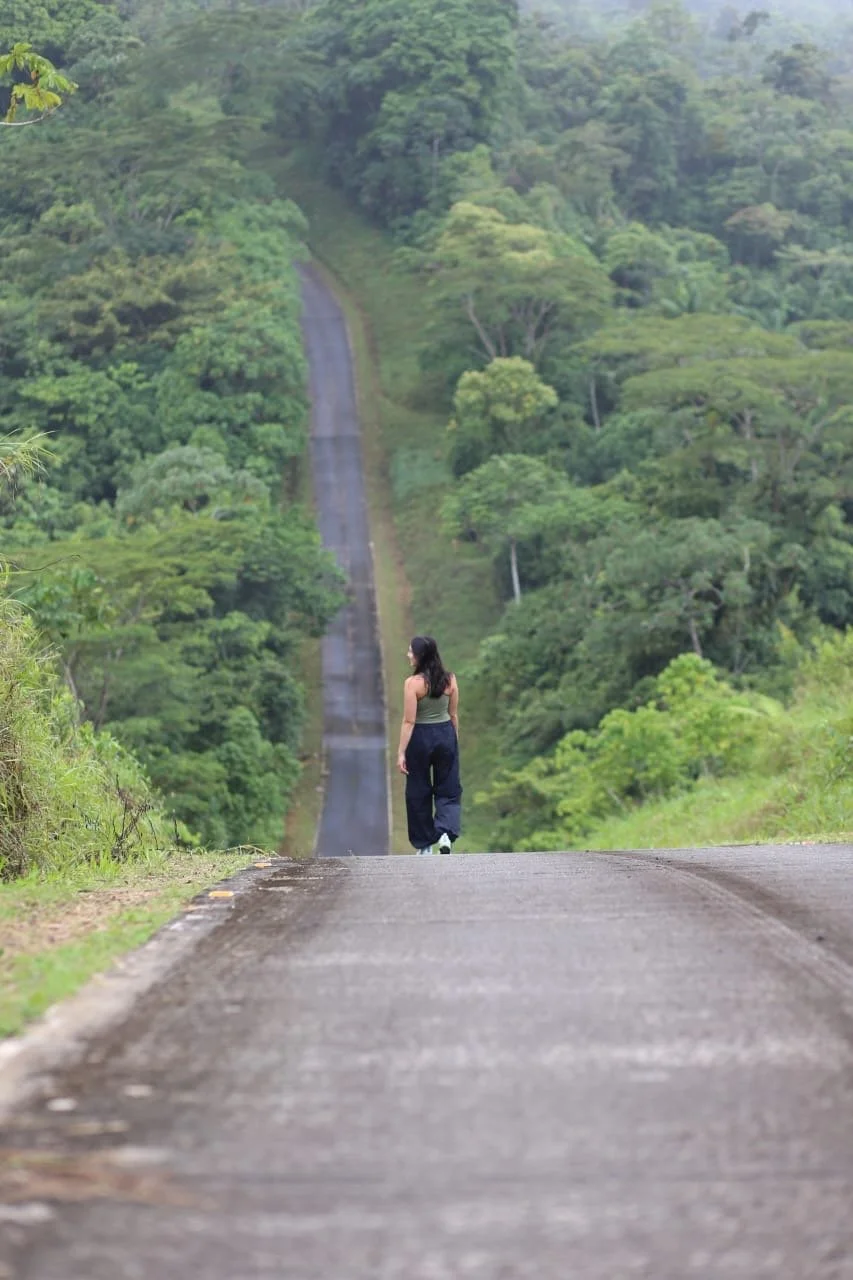
The mountain roads.
The jungle trails.
The conversations between stops.
It’s a country where things aren’t always perfectly organized or predictable. Transport can change. Weather can shift. Plans can fall apart.
And instead of ruining the experience, those moments often create it.
You adapt. You slow down. You pay attention.
And that’s when the trip starts to feel real.
The Subtle Influence of a Changing World
Even travel itself is becoming less predictable. Weather patterns shift. Seasons don’t behave exactly how they used to. Routes evolve. Places change.
The idea that you can perfectly plan a trip months in advance is becoming less realistic—not just in Panama, but everywhere.
Which makes flexibility even more valuable.
Because the more the world changes, the more important it is to leave room for it.
The Moments You Don’t Plan
Ask anyone who’s spent time traveling through Panama what they remember most, and it’s rarely the things they booked in advance.
It’s:
The place they almost skipped
The extra days they didn’t expect to stay
The people they met by chance
The decisions they made without overthinking
These moments don’t show up in itineraries.
They happen because there was space for them to happen.
Because in Panama, the best parts of travel aren’t always the ones you plan.
They’re the ones you allow.
Planned by AI, Powered by People: Why the Best Trips in Panama Still Leave Room for the Unexpected