
If you ask around before coming to Panama, you’ll hear the same warning over and over: “Don’t come in rainy season—it rains every day.”
That sounds dramatic. And it’s also not really true.
The Reality: It’s Predictable… Until It Isn’t
Panama’s rainy season typically runs from May to November, and yes—rain becomes a regular part of life. But the key thing most people misunderstand is how it rains.
It’s not constant, all-day rain like in some parts of the world.
Instead, the pattern is usually:
Mornings: Sunny, hot, and clear
Afternoons: Clouds build
Late afternoon / evening: Short, intense rain (often 1–3 hours)
Night: Clears up again
You still get plenty of sunshine. In fact, many days feel mostly dry until mid-afternoon.
So… Will It Rain Every Day?
Statistically? Close.
Realistically? Not in a way that ruins your day.
You might experience:
A quick downpour that passes in 30 minutes
A dramatic thunderstorm that cools everything down
Occasional full rainy days (more common later in the season)
But you can still:
Hike in the morning
Swim, explore, and travel
Enjoy sunsets (yes, they still happen)
Rain becomes part of your schedule—not something that cancels it.
It Depends Where You Are
Panama’s geography changes everything.
Pacific side (like Panama City): More predictable afternoon rain
Caribbean side (like Bocas del Toro): Rain can be more frequent and less predictable
Highlands (like Boquete): Cooler, misty, and often cloud-covered with bursts of rain
You can literally drive a few hours and experience completely different weather patterns.
The Upside: Why Rainy Season Is Actually Amazing
This is where things flip.
Rainy season is when Panama feels most alive.
1. Everything Turns Green The dry season can leave parts of the country dusty and brown. Rain transforms the landscape into deep jungle green—lush, thick, and vibrant.
2. Waterfalls Are at Their Best If you’re chasing waterfalls, this is the time. They’re stronger, fuller, and more dramatic.
3. Cooler Temperatures Rain cools things down. Afternoons feel fresher compared to the intense dry-season heat.
4. Fewer Tourists You get:
Better prices
Less crowded hostels
More authentic experiences
5. Wildlife Activity Increases Animals are more active, especially amphibians, insects, and nocturnal species. Forests feel louder, busier, and more alive.
When It Gets Heavier
Toward September–November, rain can become more intense and prolonged. This is when you’re more likely to get:
Full days of rain
Flooded roads in rural areas
Travel delays
But even then, it’s rarely nonstop for weeks. There are still breaks—it just becomes less predictable.
The Global Warming Factor
Here’s where things get less reliable.
Weather patterns in Panama have become less predictable in recent years. Traditional expectations—like “rain starts in May” or “it always rains at 4pm”—don’t always hold anymore.
You might see:
Rainy season starting late
Dry season stretching longer than usual
Sudden heavy storms outside typical months
Unusual dry gaps during peak rainy season
This is part of broader shifts linked to Climate Change. Locals will often tell you the same thing: “It’s not like it used to be.”
So while general patterns still exist, flexibility is key.
What Rain Feels Like in Panama
One thing worth understanding—it’s not miserable rain.
It’s:
Warm
Heavy
Often short-lived
Sometimes dramatic (thunder, lightning, intense bursts)
You don’t freeze—you just get wet. And then, usually, it passes.
The Mindset Shift
The biggest difference between people who love rainy season and those who don’t is expectation.
If you expect:
Constant gray skies → you’ll be pleasantly surprised
If you expect:
Daily short storms → you’ll adapt easily
In Panama, rain isn’t a disruption—it’s part of the rhythm.
The Bottom Line
Rainy season in Panama is real, but it’s not what most people imagine.
It doesn’t rain all day. It doesn’t ruin your trip. And in many ways, it’s actually the best time to experience the country at its most natural, green, and alive.
If anything, the rain adds something.
It slows things down, cools the air, and reminds you that you’re not just visiting a destination—you’re inside a living, breathing tropical system that doesn’t run on a schedule.
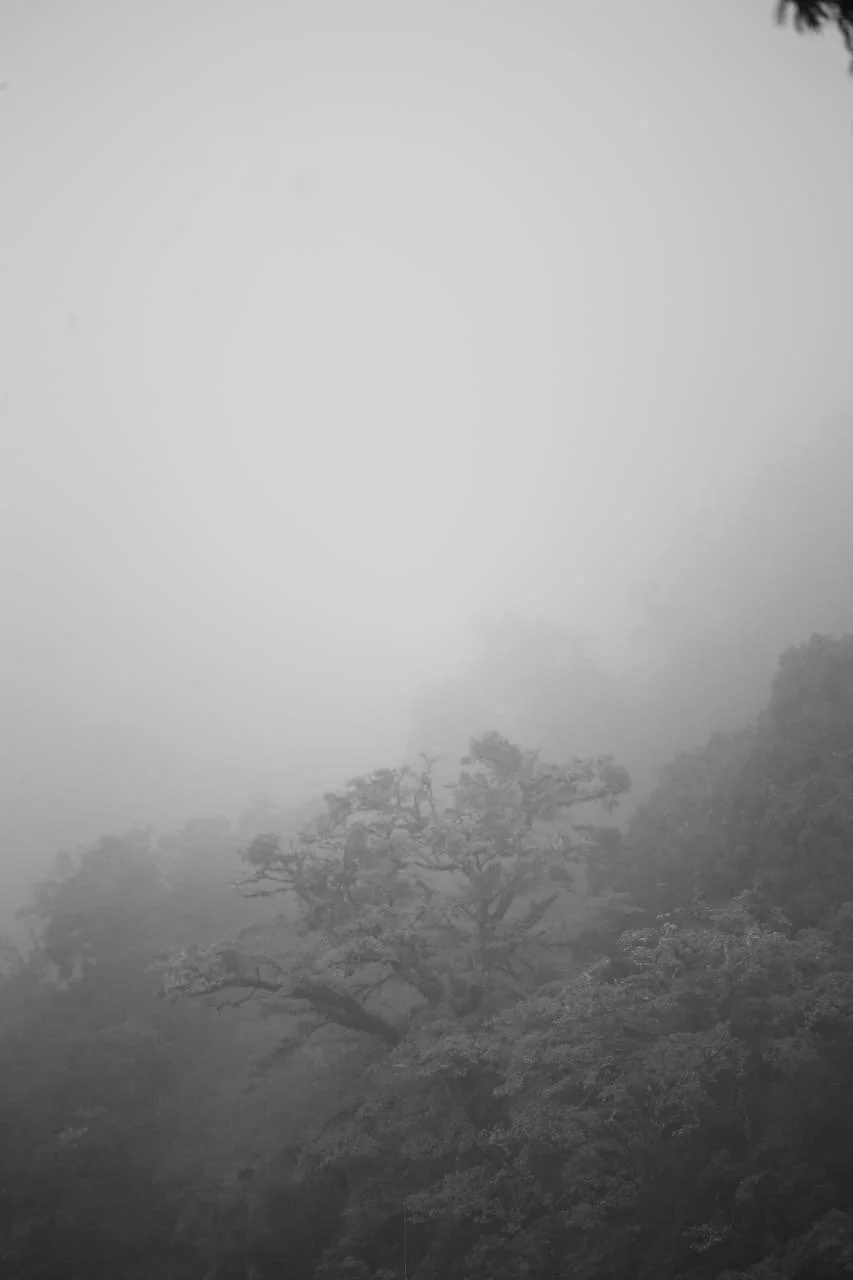
Rainy Season in Panama: Does It Really Rain All the Time?