
Backpacking has a funny way of turning into a race. A race to the next bus, the next waterfall, the next country stamp. Somewhere between the airport and your third overnight shuttle, the original dream of “freedom” quietly morphs into a color-coded itinerary that would intimidate a military strategist.
Slowing down is not laziness. It is rebellion. It is the bold decision to value depth over distance.
Modern travel culture celebrates speed. Ten countries in two weeks. Sunrise hike. Sunset party. Midnight transfer. But the nervous system was not designed to process that much novelty without pause. Your brain needs white space the way a forest needs clearings.
When you slow down, you begin to notice what rushing hides. The smell of wet earth after rain. The way sunlight filters through leaves. The sound of laughter drifting from a communal kitchen. These are the moments that stitch a trip into memory rather than just documentation.
Mindfulness on the road is surprisingly simple. It starts with attention. Drinking your coffee without scrolling. Walking without headphones. Listening to a story without planning your reply. Backpacking becomes richer when you are fully in it instead of already on the bus to the next town.
Health plays a quiet but central role in this. Constant movement elevates stress hormones. Early alarms, unfamiliar beds, long travel days — they accumulate. Slowing down allows your body to recalibrate. Sleep deepens. Digestion improves. Even your posture softens.
The immune system loves stillness. A few days in one place can do more for your resilience than another adrenaline-fueled excursion. Your body shifts from survival mode into restoration mode.
Laughter, interestingly, increases when you slow down. When you aren’t rushing off to catch a shuttle, you linger at the breakfast table. Stories unfold. Jokes build. Inside humor forms between strangers who, hours ago, were just names on bunk assignments.
Community is hard to cultivate when you’re always leaving tomorrow. Staying longer creates shared experiences. Cooking together. Watching a storm roll in. Debating travel philosophies over cheap rum. These moments are impossible to schedule — they happen only when there is space.
Slowing down also gives you permission to choose your social energy. Some hostels are built for constant noise and movement. Others offer balance — lively communal spaces alongside quiet corners where you can retreat with a book or your own thoughts.
This choice is powerful. It reminds you that you control your experience. You can engage deeply in conversation one evening and wake early the next morning for solitude.
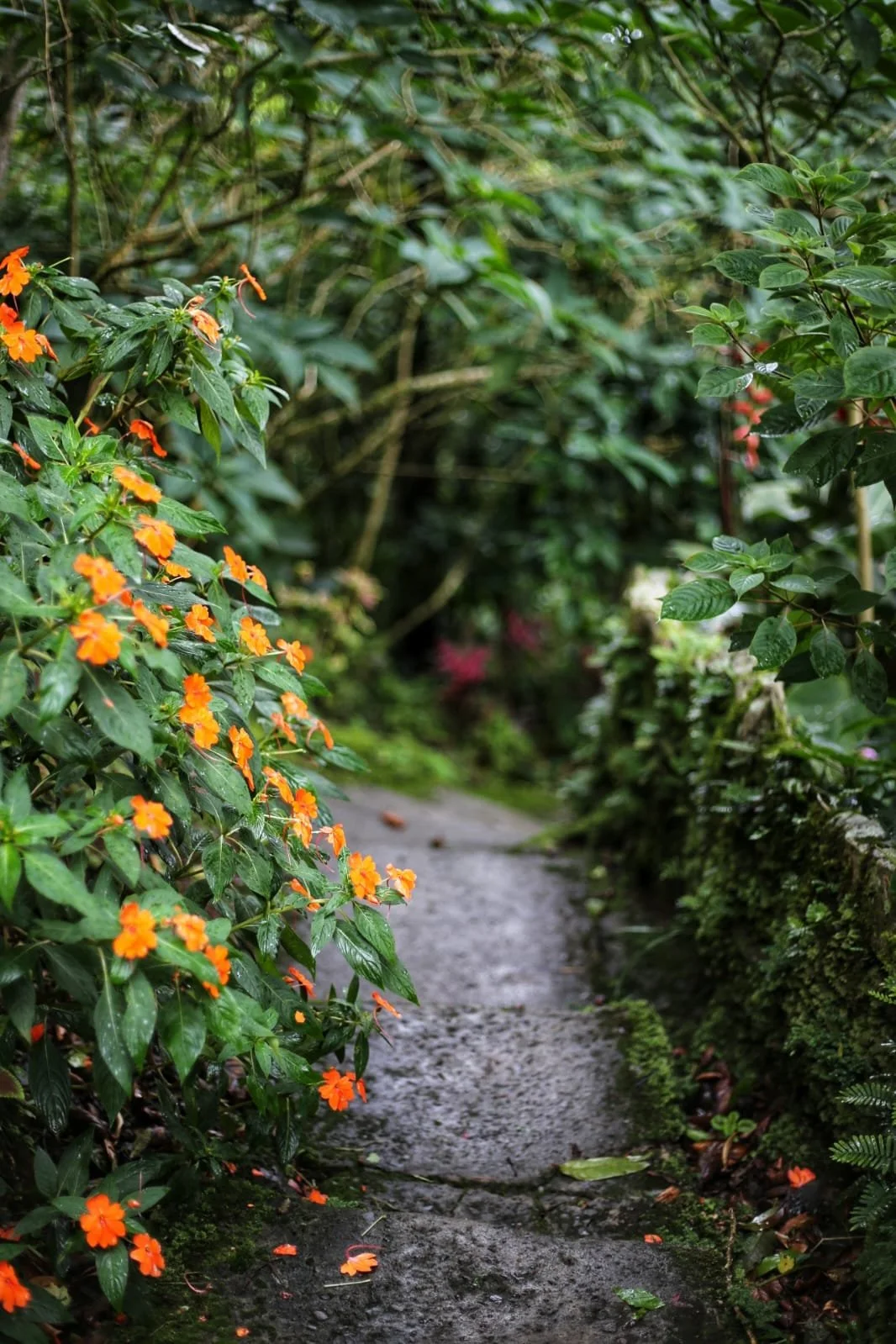
In places surrounded by nature, mindfulness becomes almost effortless. Forest paths invite wandering without destination. Rivers encourage stillness. Mountains slow your breathing to match their scale.
In the highlands of Panama, for example, there are pockets of wilderness where the air feels different — cooler, cleaner, textured with birdsong and mist. When you linger in these environments, your mind follows the rhythm of the landscape.
One such place is Lost and Found Hostel, tucked into the cloud forest above Boquete. It isn’t just a bed for the night. It is a pause button disguised as a hostel.
Perched above the valley, surrounded by trails and mist, it invites you to stay longer than planned. The journey there already signals a shift — winding roads, dense greenery, distance from the rush of transit hubs.
Here, mornings stretch slowly. Coffee tastes fuller when sipped with a view of layered mountains dissolving into clouds. You might plan a quick stop and find yourself rearranging your itinerary.
The social atmosphere flows naturally. Conversations spark in the common area without force. Travelers share hiking stories, life transitions, career doubts, relationship reflections. There is room for depth because no one feels rushed.
Yet just beyond the chatter are quiet trails. You can wander alone beneath towering trees, letting thoughts surface without interruption. The forest does not demand performance. It simply exists, and you are invited to do the same.
Healing on the road often arrives unexpectedly. It might be processing a breakup while sitting on a wooden deck overlooking jungle canopy. It might be realizing you’re stronger than you thought after navigating foreign bus systems. It might be laughing until your stomach hurts with people you met yesterday.
Slowing down creates the conditions for that healing. When you are sprinting from landmark to landmark, emotions get postponed. When you stay still, they catch up — and that can be transformative.
There is also courage in rest. In a culture that glorifies productivity, choosing to sit in a hammock feels almost radical. Yet those quiet hours are often when clarity emerges.
Journaling becomes richer when not squeezed between departures. Conversations deepen when not interrupted by checkout times. Even your photos improve because you’re no longer snapping and running.
The art of smelling the flowers is literal as well as metaphorical. In tropical regions, blossoms open intensely after rain. Pausing to notice their scent anchors you to the present in a way that no itinerary ever could.
Backpacking does not need to be measured by mileage. It can be measured by meaning. By the number of genuine laughs. By the depth of a single conversation. By the calm you feel when you wake without an alarm.
Hostels that balance energy and tranquility make this easier. A place where you can join a group hike one day and sit alone with your thoughts the next supports the full spectrum of travel experience.
In mountain retreats, sunsets stretch long and unhurried. Watching the sky change color without checking the time recalibrates your internal clock. You remember that days are not boxes to tick but experiences to inhabit.
The nervous system relaxes in these environments. Shoulders drop. Breathing slows. Sleep becomes restorative rather than reactive.
Laughter, too, becomes less frantic. It shifts from loud bar-crawl chaos to warm, shared amusement. The kind that lingers. The kind you remember years later.
When you leave a place where you truly slowed down, you carry something different with you. Not just photos, but perspective. Not just stories, but insight.
Backpacking at its best is not about escape. It is about engagement — with landscapes, with strangers, with yourself.
Slowing down is how that engagement deepens. It is how travel transforms from movement into meaning.
And sometimes, high above the clouds in a forest hostel where conversation and solitude coexist, you discover that the most important destination was never on the map.
It was the version of yourself that finally had time to breathe.