
Panama is often marketed for its canal, its beaches, and its biodiversity. But beneath the tropical gloss lies something even more compelling — layers of history that shaped global trade, colonial empires, indigenous resilience, and modern geopolitics.
To travel through Panama is to walk through centuries. Spanish conquistadors, Indigenous civilizations, pirates, railroad tycoons, canal engineers — they all left their imprint here. The country is small, but its historical gravity is immense.
Let’s explore the most fascinating historical sites across Panama — and then head into the highlands for a closer look at the quietly intriguing district of Volcán.
Casco Viejo – Where Colonial Elegance Meets Revolution
Founded in 1673 after the original Panama City was destroyed by pirates, Casco Viejo (also called San Felipe) is a maze of cobblestone streets and pastel facades. Walking here feels cinematic — wrought-iron balconies, hidden courtyards, cathedral towers rising above tiled rooftops.
The district was built following the catastrophic attack by Henry Morgan on the original settlement. Determined to prevent another invasion, the Spanish Crown relocated the city to a more defensible peninsula and surrounded it with protective walls.
One of its most famous landmarks is the Church of San José, home to the legendary Golden Altar, which — according to local lore — was saved from pirates by being painted black to disguise its value.
Today, Casco Viejo balances elegance and authenticity. You can wander through plazas that once hosted colonial ceremonies, then step into museums that tell the story of Panama’s independence from Spain and later separation from Colombia.
Panamá Viejo – The Ruins That Started It All
Before Casco Viejo, there was Panamá Viejo — the original city founded in 1519. It became the launching point for Spanish expeditions to Peru and a key hub for transporting gold and silver across the isthmus.
Standing among its ruins, you can feel the scale of what once existed. The skeletal cathedral tower still rises dramatically against the modern skyline, symbolizing Panama’s unique blend of past and present.
When pirate Henry Morgan attacked in 1671, much of the city was burned and abandoned. The remaining stone structures — churches, convents, homes — now form a haunting open-air museum.
Panamá Viejo reminds visitors that Panama was central to global trade centuries before the canal.
Portobelo – Forts, Treasure, and Caribbean Strategy
On the Caribbean coast, Portobelo once stored vast quantities of Spanish treasure awaiting shipment to Europe. Its fortifications were designed to defend unimaginable wealth.
Massive cannons still point toward the sea, rusted but resolute. Moss creeps over stone walls that once guarded gold destined for Spain. British forces attacked repeatedly, recognizing the town’s strategic importance.
Beyond military history, Portobelo is also known for the Black Christ statue, a powerful religious symbol that draws pilgrims from across the country each October.
The town’s layered identity — colonial fortress, Afro-Caribbean cultural center, spiritual pilgrimage site — makes it one of Panama’s most textured historical destinations.
Panama Canal – Engineering That Changed the World
No discussion of Panama’s history is complete without the canal. Completed by the United States in 1914 after an earlier French attempt failed, it transformed global commerce.
The canal is more than machinery. It represents diplomacy, labor struggles, disease battles, and geopolitical tension. Thousands of workers from the Caribbean, Europe, and Asia contributed to its construction.
Visiting the Miraflores Locks, you can watch enormous ships rise and fall in chambers of water — a mechanical ballet that still feels astonishing more than a century later.
The canal also shaped Panama’s political evolution, culminating in full Panamanian control in 1999. It remains both a symbol of sovereignty and a cornerstone of the national economy.
A Dedicated Look at Volcán: History Beneath the Highlands
Volcán
Tucked into the western highlands near the Costa Rican border, Volcán feels worlds away from colonial plazas and canal locks. Yet its history runs deep — both geologically and culturally.
The town sits near the slopes of Volcán Barú, Panama’s highest peak. This dormant volcano shaped the region’s fertile soil, making it ideal for agriculture. Today, Volcán is known for its farms and cool mountain climate, but the land’s significance predates modern settlement.
Long before Spanish arrival, Indigenous groups inhabited this region. Archaeological findings in Chiriquí province reveal advanced pre-Columbian societies known for intricate goldwork and stone carvings. Petroglyphs and burial sites hint at spiritual and trade networks that connected the highlands to broader Central American cultures.
Unlike the coastal cities shaped by pirate attacks and colonial fortifications, Volcán’s history is quieter and rooted in land stewardship. The rhythm here has always been agricultural and communal.
In the late nineteenth and early twentieth centuries, waves of European immigrants, particularly from Switzerland and other parts of Europe, settled in the highlands. Their influence is still visible in architectural styles and farming practices.
Volcán’s setting near the Costa Rican border also gave it strategic importance during regional conflicts, though it remained largely rural and insulated from large-scale violence.
Today, exploring Volcán means engaging with layered history: volcanic geology millions of years old, Indigenous heritage stretching back centuries, and agricultural traditions that shaped modern Chiriquí.
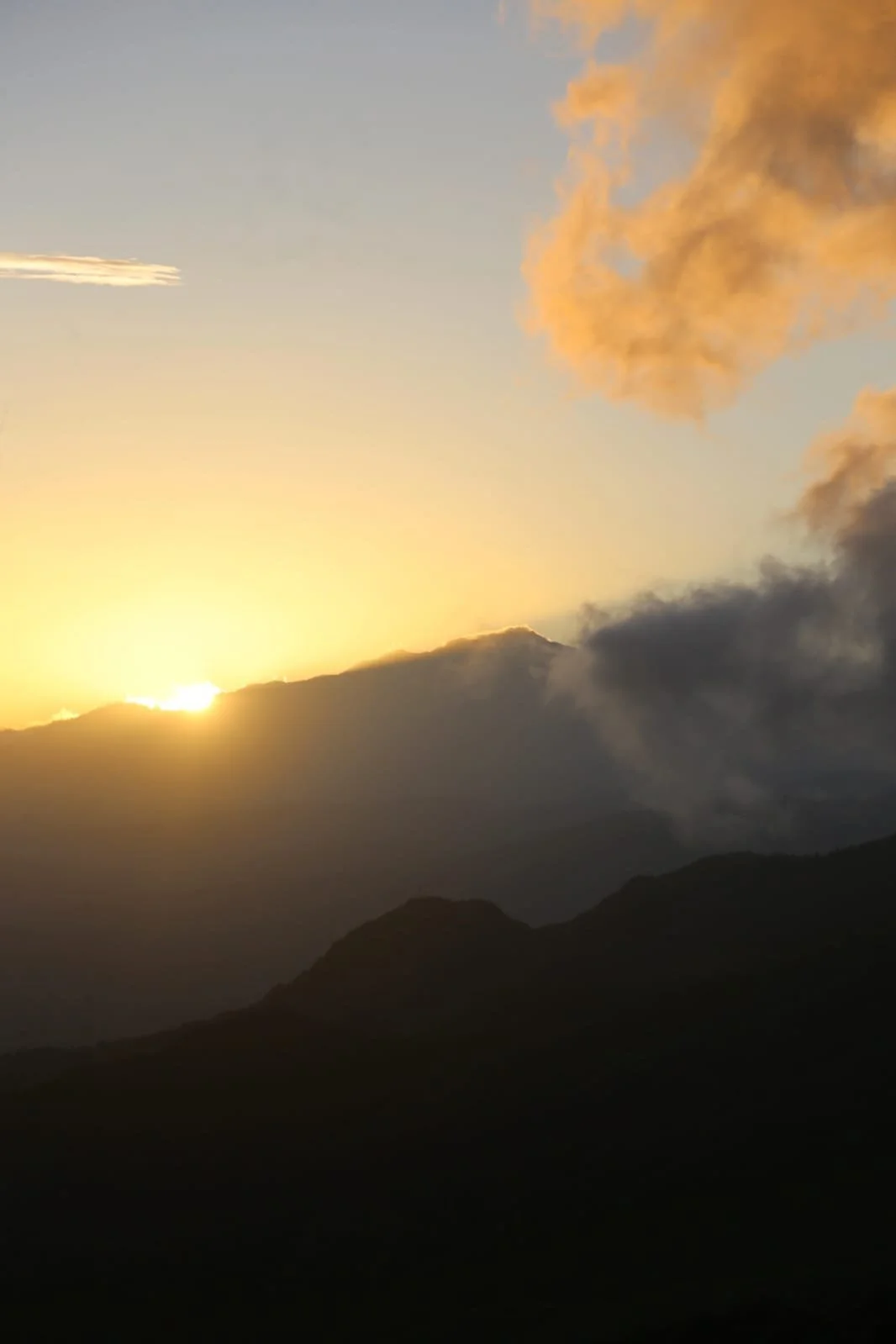
The surrounding landscapes — rolling fields, misty peaks, distant forests — provide a contemplative space to reflect on how geography shapes destiny. Here, history is not confined to ruins. It is embedded in soil, weather, and horizon lines.
Panama as a Living Timeline
From the stone towers of Panamá Viejo to the Caribbean cannons of Portobelo, from Casco Viejo’s plazas to the engineering marvel of the canal, Panama compresses global history into a single isthmus.
Then, in places like Volcán, the story slows. The drama of empire gives way to the quiet endurance of land and community.
Traveling through Panama is not just sightseeing. It is time travel. It is walking where treasure fleets once departed, where revolutionaries debated independence, where engineers reshaped oceans — and where volcanic earth continues to nurture life.
Few countries offer such concentrated historical diversity within such short distances. In Panama, you can explore pirate ruins in the morning and stand on volcanic highlands by afternoon.
And in doing so, you begin to understand why this narrow strip of land has always held outsized importance in the story of the world.