
Panama may be best known for its tropical beaches, rainforests, and the famous canal that connects two oceans, but the country is also home to a surprisingly rich collection of museums that tell the story of its history, culture, biodiversity, and global importance. From world-class institutions in Panama City to small regional museums scattered throughout the country, these places offer travelers a deeper understanding of Panama beyond its natural beauty. Visiting museums in Panama can add an entirely new dimension to a trip, helping travelers understand how the country evolved from indigenous societies to a Spanish colonial outpost and eventually into one of the most important crossroads of global trade.
One of the most famous museums in the country is the Biomuseo. Designed by renowned architect Frank Gehry, the museum is instantly recognizable for its bold, colorful architecture along the Amador Causeway. The Biomuseo focuses on the incredible biodiversity of Panama and explains how the formation of the Isthmus of Panama millions of years ago changed the entire planet. When the land bridge formed, it connected North and South America, allowing animals and plants to migrate between the continents. This event dramatically reshaped global ecosystems and ocean currents. Inside the museum, visitors experience immersive exhibits, interactive displays, and striking visual installations that highlight why Panama is one of the most biologically diverse places on Earth.
Another fascinating stop is the Panama Canal Museum located in the historic district of Casco Viejo. The museum explores the long and complex history behind the construction of the Panama Canal. Through photographs, historical artifacts, and detailed exhibits, visitors learn about the early French attempts to build the canal, the engineering challenges faced by the United States, and the enormous human effort required to complete the project. The museum also tells the stories of the thousands of workers from around the world who came to Panama to help build the canal, many of whom played a crucial role in shaping the country’s multicultural society.
For travelers interested in archaeology and indigenous history, the Museo del Oro Precolombino is another remarkable museum worth visiting. This museum focuses on the cultures that lived in Panama long before European explorers arrived. It displays beautiful gold artifacts, ceremonial objects, jewelry, and pottery created by indigenous civilizations centuries ago. These intricate pieces show the advanced craftsmanship and artistic traditions that existed in the region long before colonial times. The museum provides valuable insight into Panama’s deep cultural roots and highlights the importance of indigenous communities that continue to exist throughout the country today.
History lovers will also appreciate the Panama Viejo Visitor Center and Museum, which sits beside the ruins of the original colonial city of Panama Viejo. This site marks the location of the first European settlement on the Pacific coast of the Americas. The city was founded in 1519 and quickly became one of the most important trade hubs in the Spanish Empire. However, in 1671 the infamous privateer Henry Morgan attacked and destroyed the city during a dramatic pirate raid. The museum provides historical context for the ruins, explaining how the city functioned as a center of commerce and how its destruction led to the relocation of Panama City to what is now Casco Viejo.
Another intriguing museum is the Afro-Antillean Museum of Panama, which highlights the important contributions of Afro-Caribbean communities in Panama. Many workers from the Caribbean islands came to Panama during the construction of the Panama Canal, bringing with them their culture, music, cuisine, and traditions. This museum tells their story through photographs, personal accounts, and cultural artifacts, helping visitors understand how Caribbean influences became an essential part of modern Panamanian identity.
Outside the capital, travelers will find smaller museums that provide unique insights into local history and culture. In the mountain town of Boquete, the Boquete Community Players Theater and Event Center often hosts exhibitions related to the region’s coffee culture and local heritage. In coastal towns like Portobelo, historic forts and small museums tell the story of Spanish treasure fleets and pirate attacks that once shaped the Caribbean coast.
Museums in Panama also frequently blend indoor exhibits with outdoor exploration. For example, visiting Panama Viejo allows travelers to walk through centuries-old stone ruins while learning about colonial life. Similarly, many museums are located in historic buildings themselves, adding another layer of authenticity to the experience.
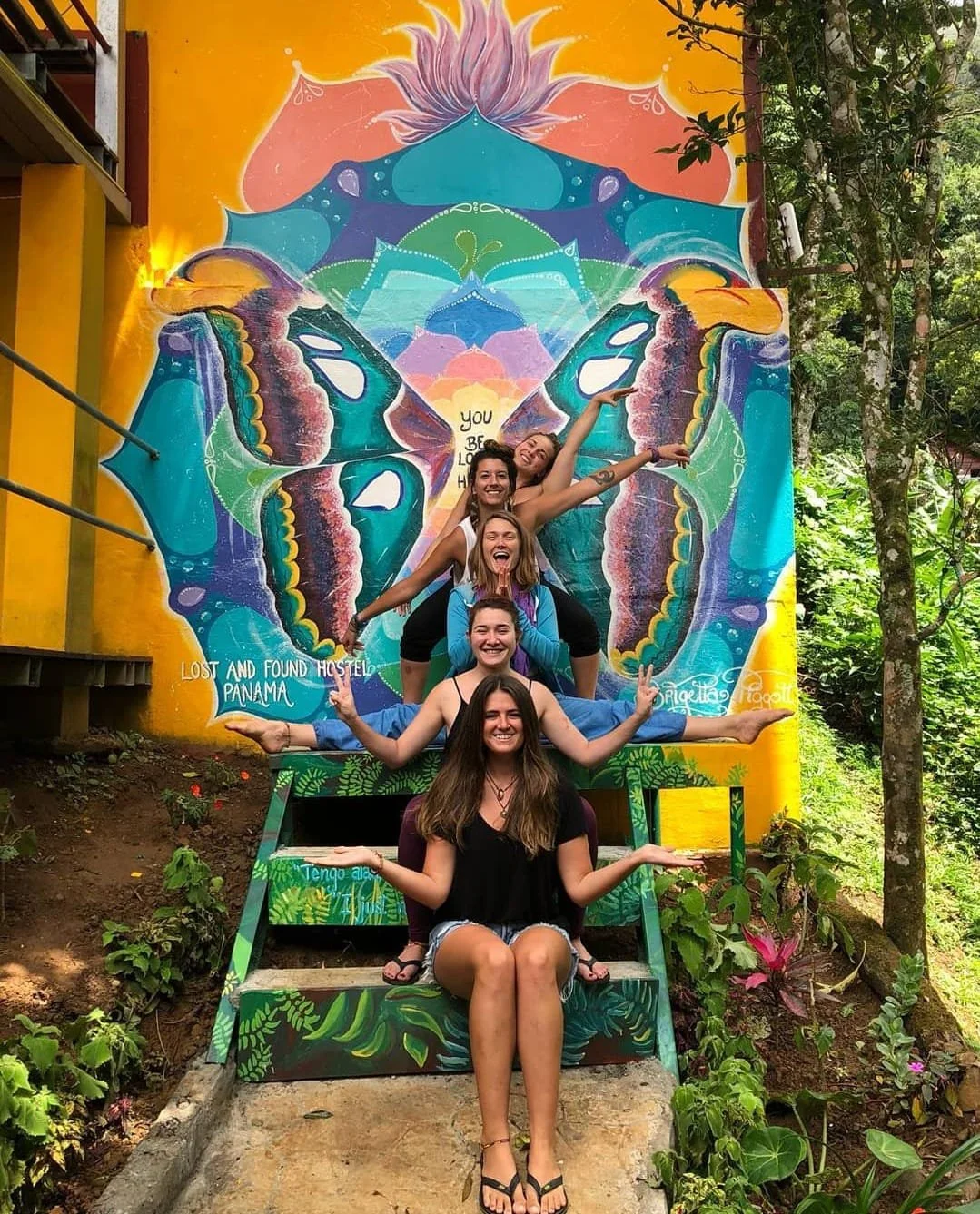
For travelers exploring the country beyond the capital, cultural experiences often continue even outside formal museums. In rural areas and small towns, traditions, crafts, and local stories are often shared directly by communities themselves. Places like Santa Fe in Veraguas Province offer travelers a chance to learn about rural Panamanian culture while exploring surrounding forests and waterfalls. Adventurous travelers staying in jungle lodges or mountain hostels sometimes find that the natural environment itself becomes a kind of living museum filled with wildlife and ecological diversity. Locations such as Lost and Found Hostel near Santa Fe are surrounded by cloud forest ecosystems where guests frequently encounter wildlife and learn about the incredible biodiversity that makes Panama so special.
What makes Panama’s museums particularly interesting is that they cover such a wide range of topics—from ancient indigenous civilizations and colonial pirate attacks to modern engineering marvels and global ecological history. Together, they tell the story of a country that has always been a crossroads of cultures, continents, and oceans.
For travelers who take the time to explore them, Panama’s museums offer a deeper appreciation for the country’s past and present. They reveal the layers of history hidden beneath the modern skyline of Panama City, the cultural influences brought by people from around the world, and the natural forces that helped shape one of the most biologically diverse regions on the planet.