
For many travelers, Panama turns out to be very different from what they expected before arriving. People often imagine a small tropical country with a few beaches and the famous canal, but once they start exploring, they quickly realize there is much more going on. From the modern skyline of Panama City to the wildlife-filled rainforests and quiet mountain villages, Panama has a way of surprising visitors in ways they didn’t anticipate. Some of these surprises are cultural, others are practical, and some simply come from how unique the country is compared to the rest of Central America.
One of the biggest shocks for first-time visitors is how modern Panama City is. Many travelers arrive expecting a laid-back tropical capital similar to other cities in the region, but instead they find a skyline filled with tall glass skyscrapers that would look perfectly at home in cities like Miami or Dubai. The city has luxury shopping malls, high-end restaurants, rooftop bars, and a modern metro system. This level of development often surprises travelers who assumed Panama would feel more like a typical developing country.
Another surprising detail is the currency. Panama technically has its own currency called the balboa, but in everyday life the country uses the U.S. dollar almost everywhere. All paper bills are American dollars, while the coins are sometimes Panamanian balboas that are nearly identical to U.S. coins. For American travelers this makes things extremely convenient, but for visitors from other parts of the world it can feel unusual to be using U.S. money throughout an entire foreign country.
Travelers are also often shocked by how much wildlife exists in Panama and how easy it can be to see it. In many countries, spotting animals requires long trips deep into remote jungles, but in Panama wildlife often appears in surprisingly accessible places. Monkeys can sometimes be seen in trees near roads, sloths quietly hang from branches in city parks, and colorful birds seem to be everywhere. In rural regions and near national parks, these encounters become even more common, making the country feel like a living nature documentary.
The geographic diversity of Panama is another thing that surprises visitors. The country is relatively small, yet it contains an incredible range of landscapes. In just a few hours, travelers can move from the Pacific Ocean to the Caribbean Sea. Along the way they might pass through dense jungle, cool cloud forests in the mountains, and wide agricultural valleys. This variety means that a trip to Panama can include island hopping, surfing, hiking, wildlife watching, and cultural exploration all within the same itinerary.
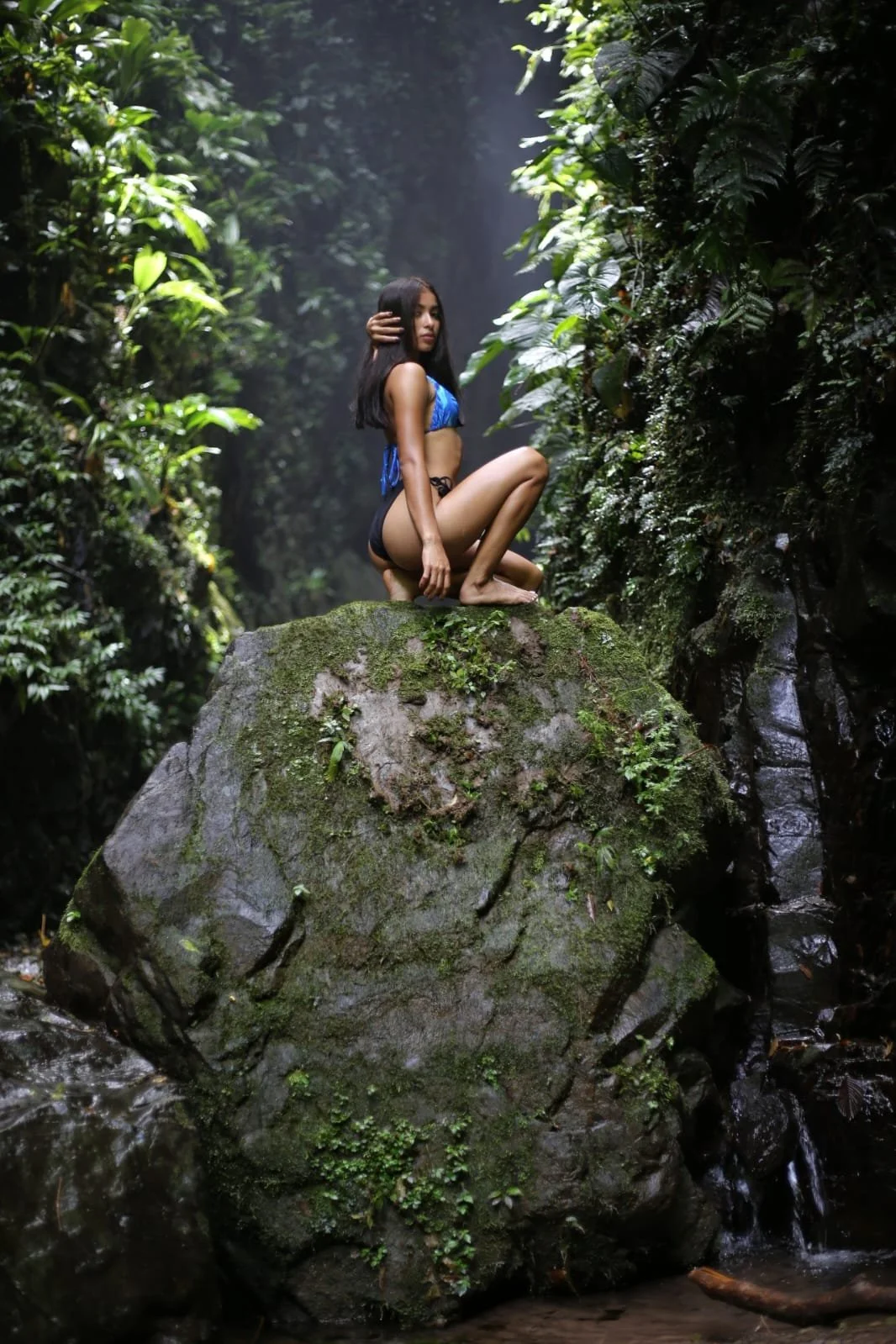
Another shock for some travelers is how green and lush the country is. Even during the rainy season, Panama’s forests remain vibrant and full of life. Rain usually comes in short bursts rather than all-day storms, often in the afternoon, leaving mornings bright and perfect for exploring. The constant moisture feeds the country’s dense jungles, waterfalls, and rivers, making the landscapes look incredibly alive compared to drier tropical destinations.
Visitors are also sometimes surprised by the slower pace of life in smaller towns. Outside of Panama City and a few major tourist areas, things tend to move at a relaxed rhythm. Buses may leave when they are full rather than on a strict schedule, small restaurants may close earlier than expected, and businesses sometimes take long breaks during the day. While this can feel confusing at first, many travelers eventually grow to appreciate the more laid-back lifestyle.
Food is another area where expectations shift. Some visitors arrive expecting extremely spicy Latin American dishes, but Panamanian cuisine is generally milder and comforting. Rice, beans, plantains, soups, and fresh seafood form the base of many meals. Simple roadside restaurants and local eateries often serve some of the most delicious and authentic food in the country, usually at very reasonable prices.
Transportation can also feel surprising to newcomers. While Panama City has a modern metro system and organized bus networks, rural areas still rely heavily on minibuses, shared taxis, and boats to connect communities. Colorful old school buses, known as “Diablos Rojos,” were once famous throughout the country and can still be seen in some regions. Traveling around Panama can sometimes feel unpredictable, but it also adds to the sense of adventure.
Another unexpected surprise is how uncrowded many of Panama’s best places still are. Despite its natural beauty and accessibility, large parts of the country remain relatively untouched by mass tourism. Travelers can often find empty beaches, quiet hiking trails, and small mountain towns where tourism feels secondary to everyday life. This sense of discovery makes exploring Panama feel more authentic than in many heavily visited destinations.
For nature lovers and backpackers, the country’s hidden eco-lodges and jungle hostels can be particularly surprising. In the mountains of western Panama near Santa Fe, for example, places like Lost and Found Hostel sit deep in the rainforest where wildlife is part of daily life. Guests often see animals such as agoutis, coatimundis, monkeys, and colorful birds wandering through the surrounding forest. Waking up in the middle of a cloud forest filled with wildlife is an experience that many travelers never expected to have in Panama.
Perhaps the biggest shock of all is simply how diverse the country is. Panama manages to combine modern cities, indigenous cultures, remote islands, mountain forests, and wildlife-rich jungles within a relatively small area. Many visitors arrive with only a vague idea of what Panama offers, but they leave realizing the country is far more interesting, varied, and adventurous than they ever imagined.
In the end, these surprises are part of what makes traveling in Panama so memorable. The country constantly challenges expectations and rewards curiosity. What begins as a simple trip to see the canal often turns into an exploration of islands, mountains, jungles, and cultures that few travelers fully anticipate before they arrive.