
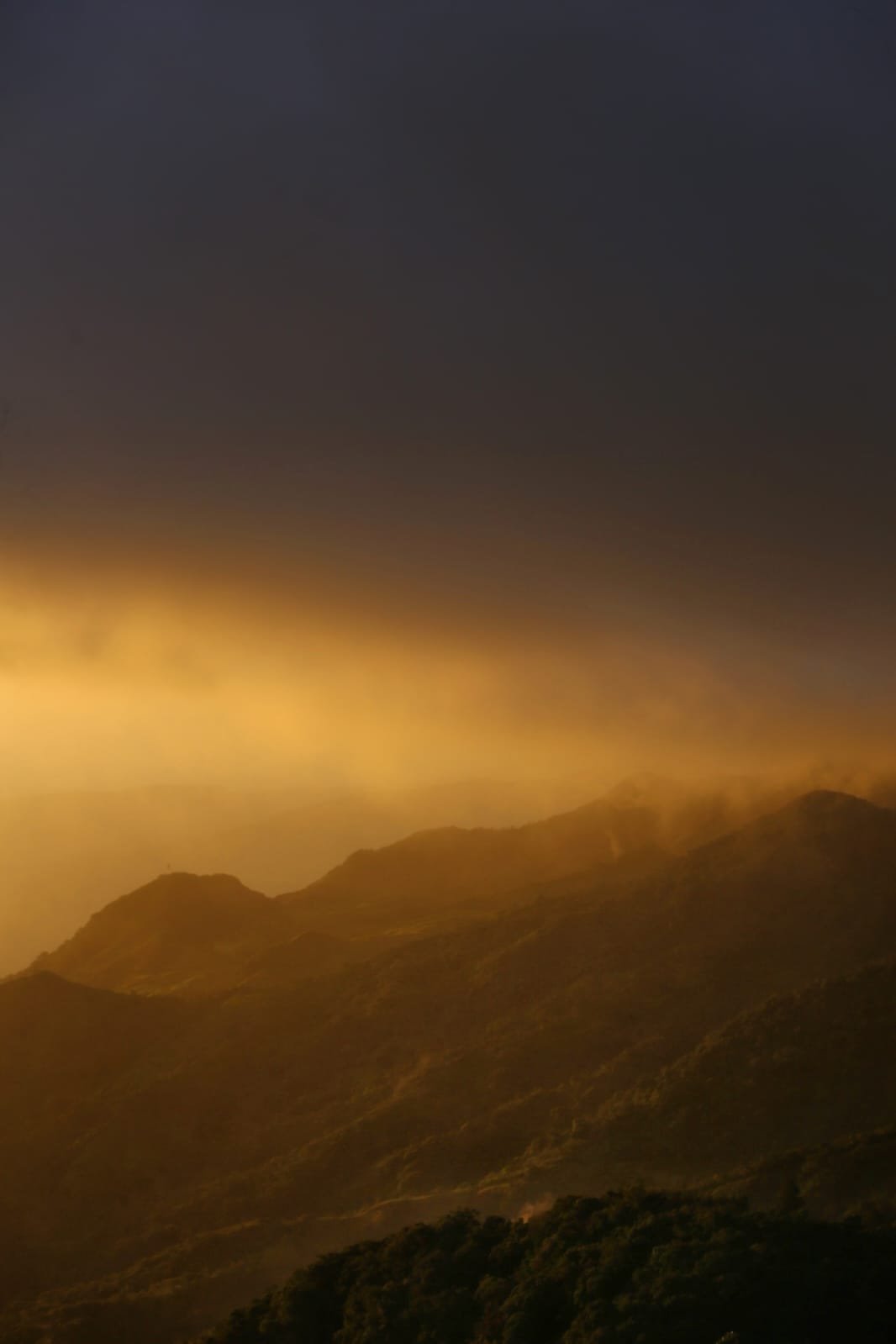
Panama may appear to be a small country on the map, but its geographic position has shaped the natural history of an entire hemisphere. Long before humans arrived in the Americas, the land that would become Panama played a crucial role in connecting two massive continents. When the narrow strip of land between North and South America formed, it allowed animals to migrate between ecosystems that had been isolated for tens of millions of years. This single geological event helped transform the wildlife of both continents and turned Panama into one of the most biologically important regions on Earth.
Scientists refer to this historic migration as the Great American Biotic Interchange. It represents one of the most significant moments in the evolution of mammals in the Western Hemisphere. Before the land bridge existed, North and South America developed completely separate ecosystems. Each continent evolved its own strange and unique animals, many of which had no close relatives anywhere else in the world.
For most of prehistoric time, South America functioned almost like a giant isolated island. Without land connections to other continents, its animals evolved in unusual directions. The continent was once home to enormous ground sloths that could stand taller than modern elephants, heavily armored herbivores resembling giant armadillos, and predators that were not mammals at all but large flightless birds. These ecosystems were unlike anything that existed in North America.
Meanwhile, North America was developing its own set of mammals, many of which looked more familiar to modern observers. Wolves, bears, horses, deer, and big cats evolved in northern ecosystems that had connections to Eurasia through ancient land bridges in the Arctic. These animals were adapted to competing with other advanced predators and surviving colder climates.
For tens of millions of years, a wide ocean separated these two very different worlds. Marine waters flowed freely between the Pacific and Atlantic oceans where Panama exists today. But deep beneath the surface, powerful geological forces were slowly reshaping the planet. The movement of tectonic plates pushed pieces of the ocean floor upward, creating chains of volcanic islands that gradually rose above the sea.
Over millions of years, these islands continued to grow and shift until they eventually formed a continuous strip of land. This landmass became the Isthmus of Panama, which scientists estimate fully formed around three million years ago. Once this bridge existed, animals from both continents suddenly had the ability to move into entirely new environments.
The result was one of the largest animal migrations in Earth’s history. Species began traveling north and south across the newly formed land corridor. Some migrations happened slowly over thousands of years as animals gradually expanded their ranges. Others occurred more quickly as certain species adapted rapidly to new habitats.
Animals from North America were particularly successful moving south. Predators such as jaguars, mountain lions, and ancestors of modern wolves entered South American ecosystems where many native animals had never faced similar hunters before. Large herbivores like deer and horses also spread southward, competing with native species for food and territory.
At the same time, animals from South America began traveling north. Creatures like armadillos, porcupines, opossums, and ground sloths migrated into Central and North America. Some of these species adapted successfully and spread across large areas. For example, opossums are now found throughout much of North America, even reaching regions far north of their original habitats.
However, the migration was not equally successful for all animals. Many native South American species struggled to compete with the new predators arriving from the north. Over time, some of these unique creatures disappeared entirely. Fossil records show that many of the strange mammals that once dominated South America gradually declined after northern predators arrived.
Despite these extinctions, the mixing of wildlife created incredibly rich ecosystems in the regions where the migrations occurred. Panama, located directly in the middle of this new land bridge, became one of the most biologically diverse places on the planet. Today, animals with origins on both continents share the same forests.
For example, monkeys, sloths, and many tropical rodents trace their ancestry to South America. Meanwhile, animals such as deer, certain cats, and some rodents have evolutionary roots in North America. Walking through a rainforest in Panama means encountering species whose distant ancestors once traveled across the land bridge millions of years ago.
Some of the best places to experience this incredible biodiversity today are Panama’s protected wilderness areas. Vast tropical forests such as Darién National Park remain largely untouched and contain ecosystems similar to those that existed during the time of these migrations. The park is so remote that many areas have never been fully explored by scientists, making it one of the most important wildlife refuges in Central America.
Another remarkable conservation area is La Amistad International Park, which spans the mountains between Panama and Costa Rica. This region contains cloud forests, highland ecosystems, and tropical valleys that support thousands of species of plants and animals. Scientists studying these areas often discover new species, showing that the region’s biodiversity is still not completely understood.
The formation of Panama’s land bridge did more than reshape wildlife. It also transformed the world’s oceans. Before the isthmus formed, water flowed freely between the Atlantic and Pacific oceans through the tropical seaway. Once the land bridge closed this passage, ocean currents were forced to change direction.
These changes altered global climate patterns. Some researchers believe the shift in ocean circulation strengthened the Gulf Stream, which carries warm water toward Europe. This may have contributed to the cooling of the Northern Hemisphere and the eventual development of ice ages during the last several million years.
In other words, the rise of Panama did not just affect local ecosystems—it influenced climate systems across the entire planet. Few geographic events in Earth’s history have had such wide-ranging effects.
Today, Panama remains a biological crossroads where species from two continents coexist. The country contains more bird species than the United States and Canada combined, along with hundreds of mammals, reptiles, amphibians, and insects. Dense rainforests, cloud forests, rivers, and coastal habitats create a mosaic of ecosystems that support extraordinary levels of biodiversity.
For travelers exploring Panama’s jungles, this history adds a deeper layer of meaning to every wildlife encounter. A monkey swinging through the trees or a sloth resting high in the canopy represents millions of years of evolutionary history and migration. Each species carries the story of how continents once separated by oceans eventually became connected through this narrow strip of land.
Panama is often described as a bridge between oceans, cultures, and global trade routes. But long before ships passed through the famous canal, the country served as something even more significant: a bridge for life itself.
It is one of the rare places on Earth where the ancient journeys of animals shaped entire continents—and where that extraordinary story is still alive in the forests today. 🌎🐒🦥