
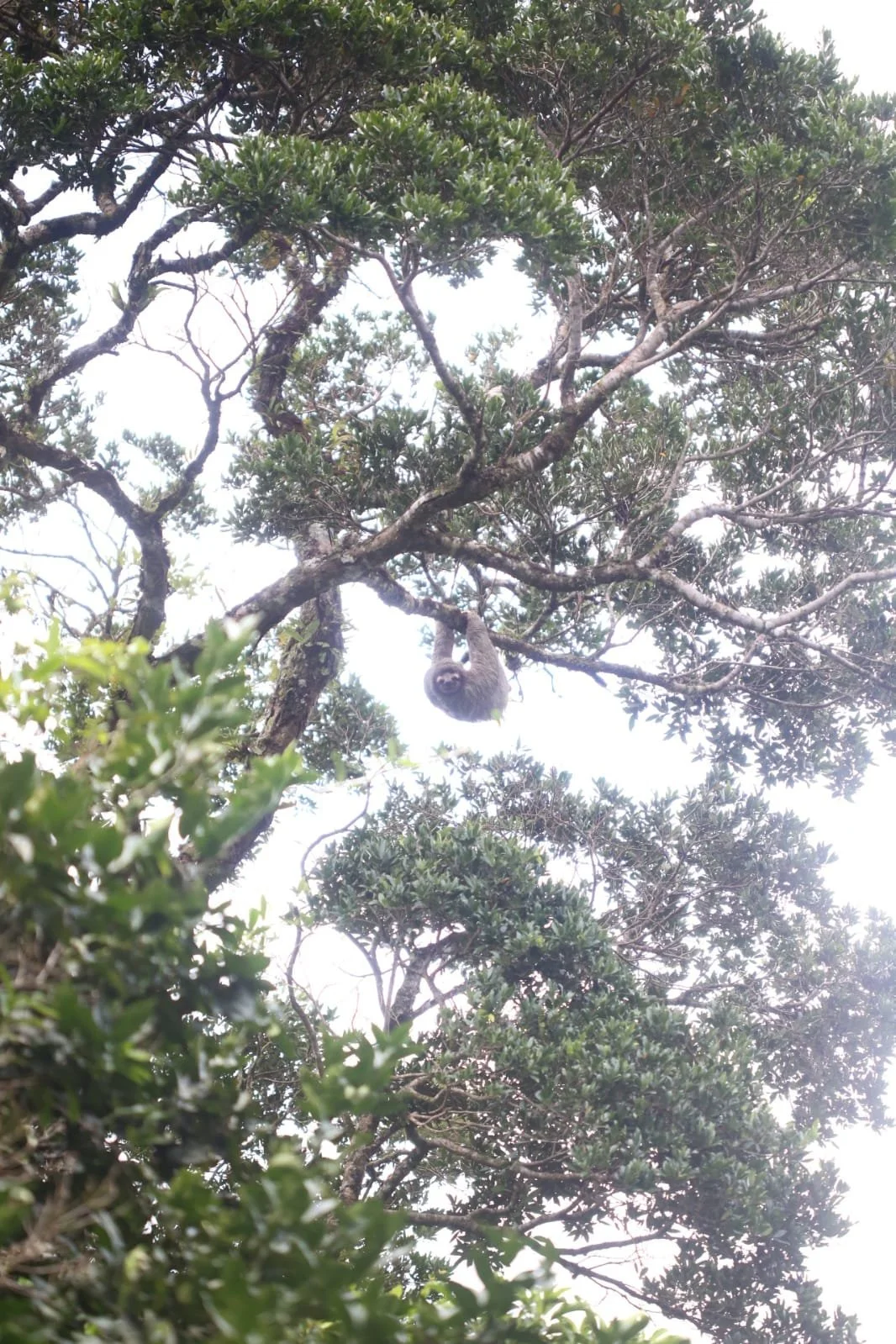
When the sun sets in Panama’s forests, an entirely different world begins to wake up. The sounds change, the temperature cools slightly, and creatures that spent the day hidden in trees, caves, or under leaves suddenly emerge. For travelers walking through the jungle at night, the experience can feel almost surreal. The darkness hides most movement, but the forest is alive with calls, rustling branches, and glowing eyes reflecting flashlight beams. Panama’s tropical ecosystems are especially rich in nocturnal wildlife, meaning the jungle becomes just as active at night as it is during the day.
One of the most noticeable night creatures in Panama’s forests is the owl. Several species live throughout the country, silently gliding through the trees while hunting for insects, rodents, and small reptiles. Their ability to fly almost silently allows them to move through dense forest without alerting prey. In places like La Amistad International Park, hikers sometimes hear the haunting calls of owls echoing across valleys after dark. Spotting one perched quietly on a branch can feel like discovering a hidden guardian of the forest.
Bats are another major part of Panama’s nighttime ecosystem. As darkness falls, they pour out of caves and hollow trees, filling the sky as they search for food. Some species feed on insects, while others eat fruit or nectar, helping pollinate plants and disperse seeds throughout the forest. Areas around Bocas del Toro are especially active with bats at night because the warm climate and tropical vegetation provide abundant food. Watching them dart and twist through the air during twilight reveals just how important they are to maintaining the balance of the ecosystem.
Frogs also dominate the nighttime soundscape of Panama’s jungle. As evening arrives, their calls begin echoing from ponds, streams, and hidden pools of water. Many species remain nearly invisible during the day but become active after dark when temperatures drop slightly. One of the most recognizable is the red-eyed tree frog, whose bright colors stand out when illuminated by a flashlight beam. In the cloud forests around Boquete, night walks often reveal frogs perched on leaves above small streams, their eyes glowing brightly in the darkness.
A Night Walk Many Backpackers Remember
For travelers staying high in the mountains near Lost and Found Hostel, nighttime wildlife becomes part of the experience. The hostel regularly organizes guided night walks through the surrounding cloud forest trails. Armed with headlamps and flashlights, small groups step into the darkness while guides point out creatures that most people would walk right past during the day. Tiny frogs cling to wet leaves, spiders reflect light with glowing eyes, and strange insects appear on tree trunks and branches.
The atmosphere on these walks is part of what makes them memorable. The forest is quiet except for the constant hum of insects and the occasional distant call of an owl. Sometimes hikers hear movement in the trees or leaves nearby, reminding everyone that the jungle is active even when you can’t see everything around you. For many backpackers, this is the first time they truly experience the rainforest at night—and it often becomes one of the highlights of their trip.
Insects may be the most numerous night creatures of all. As soon as the sun disappears, the jungle fills with the buzzing, chirping, and clicking sounds of countless insects. Fireflies occasionally blink through the trees, creating brief flashes of light in the darkness. Large moths, beetles, and stick insects also emerge, many of them perfectly adapted to camouflage against bark and leaves. The diversity of insects in Panama is enormous, and scientists are still discovering new species hidden within the forests.
Mammals also become more active after sunset. Small nocturnal animals like opossums and kinkajous climb through the trees searching for fruit, insects, and small prey. Because they are well adapted to darkness, they are rarely seen during the day. In protected wilderness areas such as Darién National Park, larger nocturnal animals may also roam the forest after dark, moving quietly through dense vegetation while avoiding human activity.
For travelers, night hikes in Panama can be some of the most fascinating wildlife experiences available. Guided walks with local experts often reveal creatures that would otherwise remain hidden. With a flashlight and careful observation, visitors may notice glowing spider eyes, sleeping birds tucked into branches, or tiny frogs perched on leaves near water.
What makes these experiences especially powerful is the realization that the jungle never truly sleeps. While daytime animals rest and the forest appears calm, an entire community of nocturnal creatures is just beginning its day. Each call, rustle, or flash of movement is a reminder that Panama’s ecosystems are constantly alive, even when most people are asleep.
For anyone willing to explore the forest after sunset, Panama reveals a completely different side of nature. The darkness hides many secrets—but with patience and curiosity, the night jungle slowly reveals the incredible creatures that only come out after dark. 🌙🐸🦇