
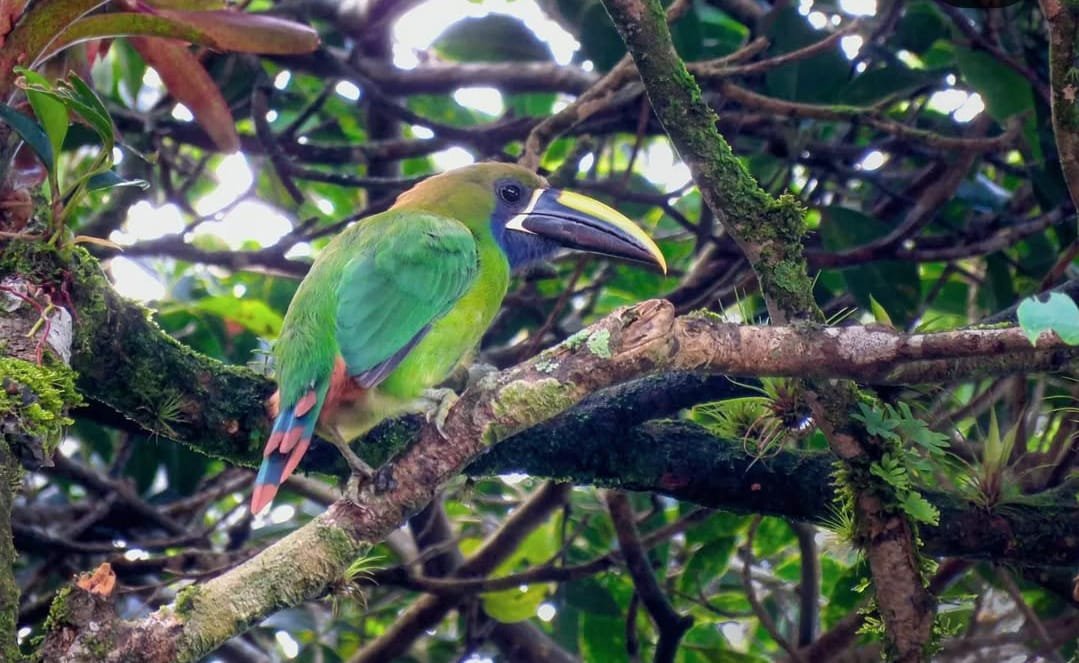
Travelers are often surprised by how much variety they encounter when exploring Panama. Although the country is relatively small—you can cross it in just a few hours by car—it contains an incredible range of landscapes, cultures, and lifestyles packed into a narrow strip of land. In a single trip, visitors might experience tropical islands, misty mountain forests, modern cities, and remote jungle communities that feel far removed from the modern world. This constant change in scenery and atmosphere gives Panama a sense of depth that many larger countries struggle to match. Instead of feeling like one uniform destination, Panama reveals itself in layers, each region offering something that feels distinct and unexpected.
One of the most striking contrasts appears between Panama’s urban areas and its rural regions. The capital, Panama City, stands out as one of the most modern cities in Latin America. Its skyline rises dramatically along the Pacific coast, filled with glass skyscrapers, luxury apartments, international hotels, and busy commercial districts. Walking through parts of the city can feel similar to visiting major financial centers around the world, with modern infrastructure, large shopping malls, and a thriving international business community. Yet the moment you leave the city limits, the environment changes quickly. Within a short drive, busy highways give way to quiet roads lined with small houses, farmland, and patches of tropical forest. This rapid transition from global metropolis to rural countryside makes the country feel surprisingly dynamic.
Another reason Panama feels so diverse is its geography. The country forms a narrow land bridge between North and South America, with the Pacific Ocean on one side and the Caribbean Sea on the other. This unique location has created a wide range of coastal environments, each with its own atmosphere. On the Caribbean side, the water tends to be calmer and the culture more relaxed, giving many places a distinctly island-like feeling. In areas such as Bocas del Toro, brightly colored wooden houses stand on stilts above the water, small boats replace cars as everyday transportation, and life revolves around the sea. On the Pacific side, the coastline often feels more rugged and expansive, with long beaches, rocky shorelines, and fishing communities that have existed for generations.
The mountainous interior of Panama introduces yet another environment that feels completely different from the coast. In the western highlands near Boquete, the climate becomes cooler and more refreshing compared to the tropical heat found in lowland regions. Coffee farms cover the hillsides, rivers carve their way through green valleys, and the surrounding cloud forests create a misty, almost magical atmosphere. Travelers who arrive here after visiting the beaches are often surprised by the dramatic change in temperature and scenery. Mornings can feel crisp and fresh, and evenings sometimes require a light jacket. The highlands offer hiking trails, waterfalls, and coffee plantations that make the region feel almost like a completely different country.
Moving eastward across Panama reveals yet another side of the country. The remote jungles of Darién Province are among the most untouched wilderness areas in Central America. Dense rainforest stretches across vast regions where roads are scarce and rivers serve as the main transportation routes. Wildlife thrives in these forests, and the region is known for its incredible biodiversity. Many Indigenous communities live here as well, maintaining traditions and lifestyles that have existed for centuries. Traveling through Darién can feel like stepping into a world where nature still dominates the landscape and modern development has had limited impact.
Cultural diversity is another reason Panama feels like several countries in one. The population reflects a complex mixture of Indigenous heritage, Spanish colonial history, Afro-Caribbean traditions, and international influences that arrived through trade and migration. Each region has developed its own identity shaped by these influences. In some areas Indigenous languages are spoken alongside Spanish, while in others the cultural influence of Caribbean communities is strong. Music, festivals, clothing, and daily customs can vary widely depending on where you travel in the country.
Food is another place where this diversity becomes especially noticeable. The cuisine in Panama changes from region to region, reflecting local ingredients and cultural influences. In Caribbean areas, dishes often feature coconut milk, seafood, and bold spices that reflect Afro-Caribbean cooking traditions. In the highlands, hearty meals and locally grown coffee dominate daily life, with farms producing some of the most famous coffee in the world. Along the Pacific coast, fishing communities rely on the ocean for fresh ingredients, creating simple yet flavorful meals centered around fish and shellfish. Traveling across Panama becomes a culinary journey where each destination introduces new flavors and cooking styles.
Even the pace of life shifts depending on where you are. In large cities, life moves quickly with busy traffic, crowded streets, and constant activity. In smaller towns and villages, the atmosphere becomes slower and more relaxed. People spend time socializing in parks or small cafés, and daily routines often revolve around family and community life. On the islands, life tends to follow the rhythm of the ocean, with fishing, boating, and beach life shaping the day. These different rhythms create the feeling that each region operates according to its own lifestyle.
For travelers, this variety is one of Panama’s greatest advantages. Few countries allow visitors to experience such dramatic changes in scenery and culture within such short distances. A traveler could spend the morning exploring a modern city, the afternoon relaxing on a tropical beach, and the next day hiking through cool mountain forests. Because travel distances are relatively short, it is possible to see multiple sides of the country without spending weeks on the road.
That is why many people say Panama feels like several countries combined into one. The landscapes, cultures, and lifestyles shift constantly as you move across the map, creating an experience that always feels fresh and surprising. For visitors willing to explore beyond the obvious destinations, Panama reveals itself as a country of contrasts—where modern cities, remote jungles, peaceful mountains, and vibrant coastal communities all exist within a remarkably small space.