
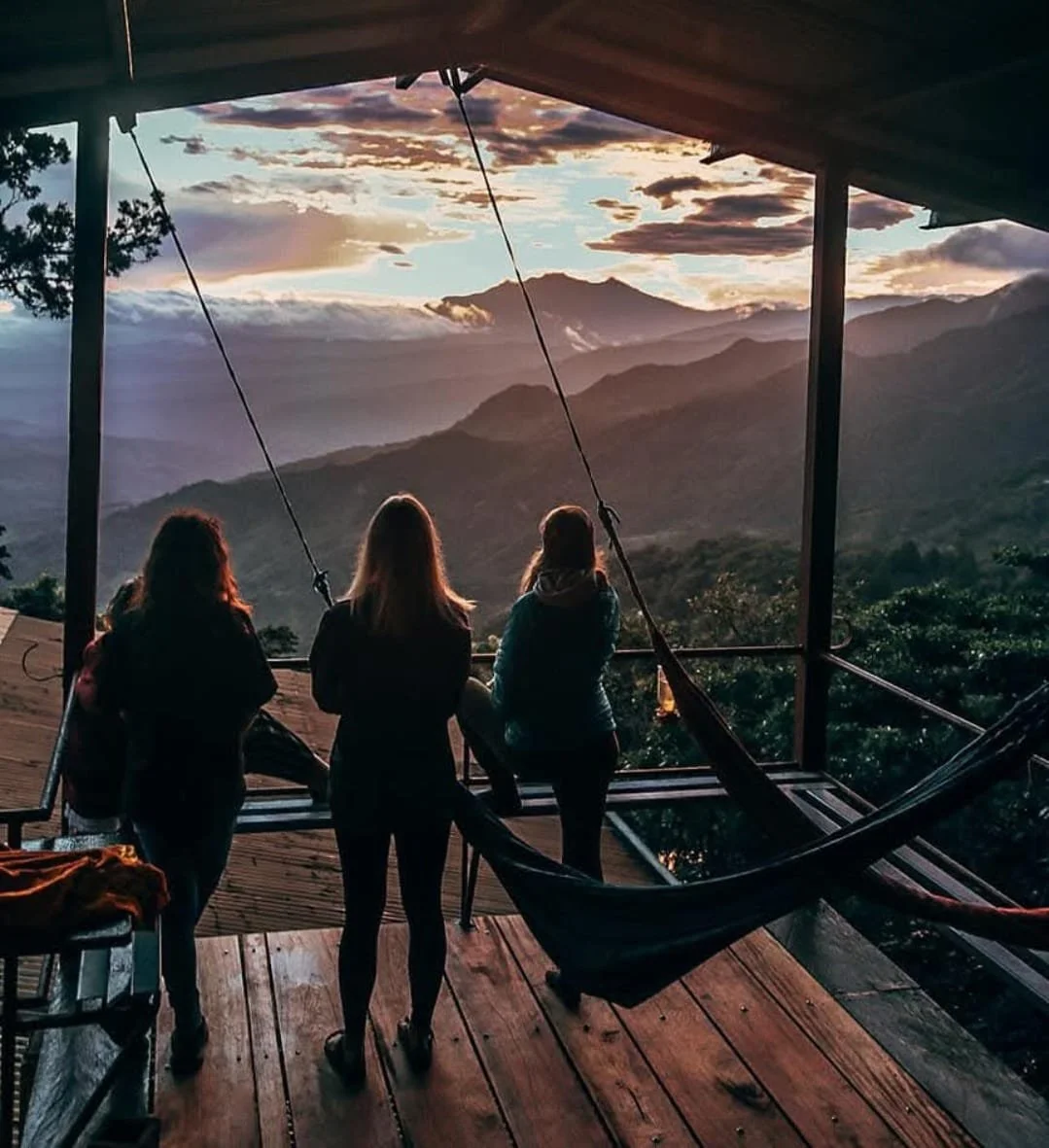
One of the first things many travelers notice when they arrive in Panama is that time seems to move differently. Life does not feel rushed in the same way it often does in large cities in North America or Europe, where schedules and punctuality are treated almost like rules that must always be followed. In Panama, the rhythm of daily life often feels slower, calmer, and more flexible. Buses might not leave at the exact minute listed, meetings might start later than expected, and people rarely appear stressed about being a few minutes behind schedule. To someone who is used to strict timing and fast-moving routines, this can feel surprising at first. Yet after spending some time in the country, many visitors begin to realize that Panama is not disorganized—it simply follows a different cultural relationship with time.
Part of this slower sense of time comes from the culture itself and the way people prioritize relationships and social interaction. In Panama, daily life often revolves around human connection rather than rigid productivity. It is common for people to stop and greet friends in the street, have spontaneous conversations, or sit and talk for long periods at a café or roadside stand. Even in busy towns, people rarely rush past one another without acknowledging each other. Social interaction is viewed as an important part of life, not as something that should be squeezed into a limited time slot between other tasks. Because of this, arriving somewhere slightly late is often seen as normal rather than disrespectful. The focus is less on exact timing and more on maintaining positive relationships and enjoying the moment.
Another major influence on Panama’s relaxed pace of life is the tropical environment. The country’s climate is warm and humid throughout much of the year, especially in lowland areas and along the coasts. Living in this kind of environment naturally encourages people to move at a slower, more comfortable pace. During the hottest parts of the afternoon, rushing around simply becomes exhausting. Instead, many people adapt their routines by slowing down, resting, or taking breaks before continuing with their work later in the day. This rhythm can be seen across many tropical cultures around the world, where mornings and evenings are often the most active times while the middle of the day is reserved for lighter activity.
Travelers often experience this different relationship with time when using transportation or arranging services. Buses may not always depart exactly when a schedule suggests they will, and shared transportation sometimes waits until enough passengers have boarded before leaving. In small towns, shops may close unexpectedly for lunch or reopen later in the afternoon. While this might seem unpredictable to visitors who expect strict reliability, locals generally view these small variations as completely normal. People build flexibility into their plans and allow extra time for travel or errands. Instead of seeing delays as frustrating obstacles, many simply treat them as part of everyday life.
For visitors who are used to punctuality being extremely important, this adjustment can feel frustrating at first. Waiting longer than expected or dealing with flexible schedules can test the patience of travelers who are accustomed to precise organization. Yet something interesting often happens after a few days or weeks in Panama: many travelers begin to relax into the slower rhythm themselves. Without the constant pressure of rushing from one place to another, people often feel less stressed and more aware of their surroundings. It becomes easier to enjoy a conversation, watch daily life unfold around you, or simply sit and take in the atmosphere of a place.
This relaxed approach to time is sometimes described casually as “island time” or “Latin time,” although the concept goes deeper than a simple stereotype. It reflects a broader cultural perspective about balance and priorities. While work and responsibilities still exist, they are often integrated into a lifestyle that leaves space for family, social life, and relaxation. In Panama, efficiency does matter, but it rarely overrides the importance of maintaining a healthy and enjoyable daily routine. This balance between work and life helps create the laid-back atmosphere that many visitors notice almost immediately after arriving.
For travelers exploring the country, adjusting to this rhythm can become one of the most rewarding parts of the experience. Instead of trying to force Panama into a tightly controlled schedule, it often works better to embrace the flexibility of the local lifestyle. Leaving extra time between activities, staying patient when plans shift, and allowing for unexpected moments can transform what might initially feel inconvenient into something memorable. Some of the best travel experiences in Panama happen when plans change unexpectedly and new opportunities appear.
In many ways, this different relationship with time is part of what makes Panama so appealing to visitors. The country reminds people that life does not always have to be rushed or measured by strict schedules. Moments spent watching a sunset, talking with new friends, or wandering slowly through a town can become the highlights of a trip. In Panama, time still moves forward like anywhere else in the world—but it moves with a little more space to breathe, allowing people to experience life at a pace that feels more human. 🌴⏳