
At first glance, Panama feels like a place where smoking might still drift casually through daily life, warm air, open terraces, late nights, and social gatherings that stretch for hours. But look a little closer, and you will notice something surprising. Compared to many countries in the region, Panama has taken a firm and deliberate stance against smoking, shaping not just laws but public attitude in a way that often catches visitors off guard.
Panama is considered one of the stricter countries in Latin America when it comes to tobacco control. The shift began in a serious way with the passage of Law 13 of 2008, which dramatically changed where and how people could smoke. This law banned smoking in all enclosed public spaces, including bars, restaurants, offices, public transport, and even many outdoor areas that are considered shared spaces. Over time, enforcement has remained relatively strong, especially in Panama City, where you will rarely see people lighting up indoors.
Walking into a restaurant or bar, even in lively districts like Casco Viejo or along the waterfront at Cinta Costera, you will notice clean air is the norm. If someone wants to smoke, they usually step outside, often a fair distance from entrances. Designated smoking areas exist in some places, but they are clearly separated and not always convenient. This is not accidental, it is part of a broader effort to make smoking less visible and less socially integrated into everyday life.
Public opinion has gradually followed the law. Among younger Panamanians especially, smoking is often seen as outdated rather than stylish. Health awareness campaigns, combined with strict regulations, have shifted the image of smoking away from something glamorous to something more associated with health risks and inconvenience. That said, smoking has not disappeared. You will still find people smoking in social settings, particularly in nightlife scenes or more relaxed, open air environments. It just feels more contained, less central to the experience.
Another major factor shaping attitudes is cost. Cigarettes in Panama are heavily taxed, making them relatively expensive compared to other everyday items. This has had a noticeable impact, especially among younger people, who may be less inclined to pick up the habit. At the same time, it has contributed to a small but persistent black market, where cheaper, often imported cigarettes circulate quietly.
Advertising restrictions are also strict. Tobacco advertising is heavily limited, and you will not see flashy cigarette promotions or branding in the way you might in less regulated countries. Packaging often includes prominent health warnings, reinforcing the government’s stance every time someone reaches for a pack. These measures align Panama with global anti smoking efforts, including those promoted by organizations like the World Health Organization.
One interesting cultural detail is how smoking intersects with Panama’s social rhythm. In a country where people enjoy long conversations, outdoor dining, and a slower pace of life, smoking could easily have remained a central habit. Instead, it has been pushed to the edges. Smokers adapt by stepping away briefly, then returning to the table, creating a kind of rhythm where smoking becomes a pause rather than a constant presence.
There are also clear rules about who can buy cigarettes. The legal age for purchasing tobacco is 18, and enforcement is generally taken seriously in formal businesses. You will not typically see cigarettes sold openly to minors in established shops or supermarkets. Vending machines, common in some countries, are rare or nonexistent, further limiting easy access.
For travelers, the experience is straightforward but different from what some might expect. You can smoke in Panama, but you need to be aware of where. Lighting up inside a bar or restaurant is almost always a no go, and doing so can lead to fines or being asked to leave. Outdoor areas are usually fine, but even then, it is best to be mindful of those around you and any posted signs.
Interestingly, vaping and electronic cigarettes exist in a bit of a gray area. Panama has taken a cautious approach, with restrictions on the sale and importation of e cigarettes at various times. This reflects a broader skepticism toward new nicotine products, rather than an open embrace of them as alternatives.
In the end, Panama’s relationship with smoking is defined by contrast. The setting feels relaxed, tropical, and social, the kind of place where cigarettes might once have been everywhere. But the reality is more controlled, more health conscious, and more regulated. Smoking has not vanished, but it has been reshaped, pushed into specific spaces and stripped of much of its old cultural presence.
So while you might still catch the occasional curl of smoke rising into the humid evening air, it feels different here. Less like a defining feature of the scene, and more like a quiet exception in a country that has, quite deliberately, chosen to clear the air.
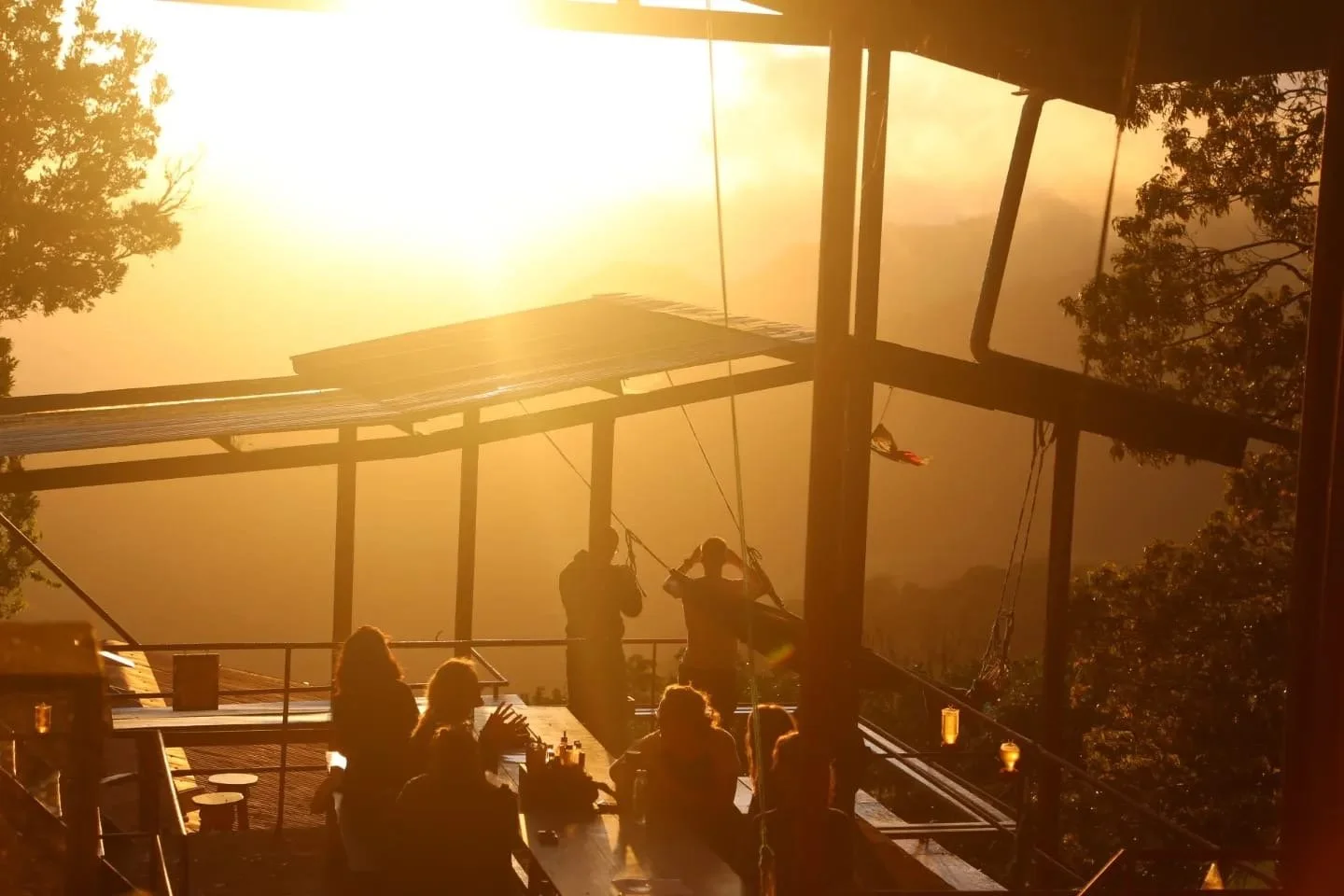
Smoke in the Tropics, Panama’s Love Hate Relationship with Cigarettes