
In Panama, medicine is not just something you find in a pharmacy. It grows in the jungle, simmers in kitchen pots, gets passed down by grandmothers, and is whispered through generations of Indigenous knowledge. At the same time, it sits alongside acupuncture clinics, herbal tincture shops, and modern wellness centers. The result is a fascinating blend, one where ancient plant wisdom and global alternative therapies coexist, sometimes quietly, sometimes boldly.
Panama’s alternative medicine scene is not a fringe movement. It is deeply woven into everyday life, especially outside major urban centers, and increasingly popular even in cities. In many ways, it reflects the country itself, a crossroads of cultures, traditions, and influences.
The Roots, Indigenous Plant Medicine and Jungle Knowledge
At the heart of alternative medicine in Panama is traditional Indigenous healing. Long before hospitals and pharmacies, communities relied on the rainforest as their pharmacy, and that knowledge is still alive today.
Panama is incredibly biodiverse, with hundreds of plants used for medicinal purposes. In fact, researchers have documented over 900 plant species used medicinally in the country. These plants are used to treat everything from digestive issues and respiratory problems to inflammation and infections.
Indigenous groups such as the Ngöbe Buglé, Guna, Emberá, and Naso have long traditions of healing using leaves, roots, bark, and resins. Remedies are often prepared as teas, poultices, or infusions.
Some common traditional practices include
Herbal teas for stomach issues, colds, and stress
Plant based poultices applied to wounds or sore muscles
Steam baths and plant infusions for respiratory relief
Natural anti inflammatory remedies made from local plants
In rural areas, especially where access to modern healthcare is limited, these methods are not “alternative” at all. They are the primary form of medicine. Even in cities, many Panamanians still trust these remedies, often using them alongside conventional treatments.
The figure of the curandero, or traditional healer, still exists. These practitioners combine herbal knowledge with spiritual elements, offering treatments that address both physical and emotional well being. Their role is less about replacing doctors and more about restoring balance.
The Everyday Herbal Culture, Teas, Roots, and Kitchen Medicine
Beyond formal healing traditions, Panama has a strong culture of everyday herbal remedies. This is where alternative medicine becomes casual, practical, and deeply personal.
Walk into a local home and you might find
Ginger and honey tea for sore throats
Boiled leaves for fever or digestion
Fresh herbs steeped into calming nighttime drinks.
Herbal remedies are often the first line of defense for minor illnesses. They are cheap, accessible, and trusted. This culture is so widespread that even people who rely on modern medicine often turn to herbs for prevention or mild symptoms.
There is also a growing market for packaged herbal products, tinctures, and natural supplements. Many are inspired by traditional recipes but adapted into modern formats like drops, capsules, or concentrated extracts. These often include ingredients like turmeric, peppermint, and adaptogenic herbs used for stress and digestion.
The Rise of Modern Alternative Therapies
Panama is not just looking backward, it is also absorbing global wellness trends. In urban areas, you will find a growing number of alternative therapies that feel more international than traditional.
These include
Acupuncture, based on traditional Chinese medicine
Homeopathy, using highly diluted substances
Naturopathy and holistic healing centers
Massage therapies and bodywork techniques
While some of these practices are still relatively niche, they are becoming more visible, especially among expats and wellness focused communities.
There is also a noticeable rise in holistic wellness spaces, where herbal medicine, meditation, and nutrition are combined into a lifestyle approach. These places often emphasize long term balance rather than quick fixes, echoing the philosophy of traditional healing but with a modern aesthetic.
A Culture of Blending, Not Choosing
One of the most interesting things about Panama is that people rarely see alternative medicine and modern medicine as opposites. Instead, they blend them.
Someone might
Drink herbal tea for a cold
Visit a doctor if symptoms persist
Use both prescribed medicine and natural remedies together
This hybrid approach is common. It reflects practicality rather than ideology. People are not necessarily rejecting science, they are simply expanding their options.
Even the healthcare system reflects this overlap. Herbal and natural products are regulated and have increasingly been incorporated into broader health frameworks.
Regulation, Between Tradition and Modern Law
Alternative medicine in Panama exists in an interesting regulatory space. Traditional Indigenous remedies are recognized culturally, but not always formally regulated. Meanwhile, herbal products with therapeutic claims must meet standards similar to pharmaceuticals.
There are also specific laws addressing traditional medicine, acknowledging its importance while attempting to ensure safety and quality. However, informal practices, especially in rural areas, often operate outside strict oversight.
This creates a landscape where both ancient knowledge and modern regulation coexist, sometimes smoothly, sometimes imperfectly.
The Experience for Travelers
If you travel through Panama, you will encounter alternative medicine in subtle ways.
You might be offered
A fresh herbal tea instead of over the counter medicine
A natural remedy recommendation from a local
A juice or tonic marketed for health benefits
A wellness retreat offering plant based healing experiences
In places like Boquete or coastal retreats, you may even find workshops teaching how to make your own herbal tinctures or natural remedies, blending education with experience.
The Soul of It All, Nature as Medicine
What makes Panama’s alternative medicine scene so compelling is not just the treatments themselves, but the philosophy behind them. There is a deep belief that nature provides what the body needs, if you know how to use it.
This belief is not rigid or dogmatic. It exists alongside modern healthcare, not necessarily in opposition to it. It shows up in small ways, a cup of tea, a handful of leaves, a quiet trust in something that has worked for generations.
Panama does not force you to choose between science and tradition. Instead, it invites you into a space where both exist, where the jungle meets the clinic, where healing can come from a prescription, a plant, or sometimes, a little bit of both.
And once you notice it, you start to see it everywhere, in markets, in homes, in conversations. Medicine here is not just something you take. It is something you live.
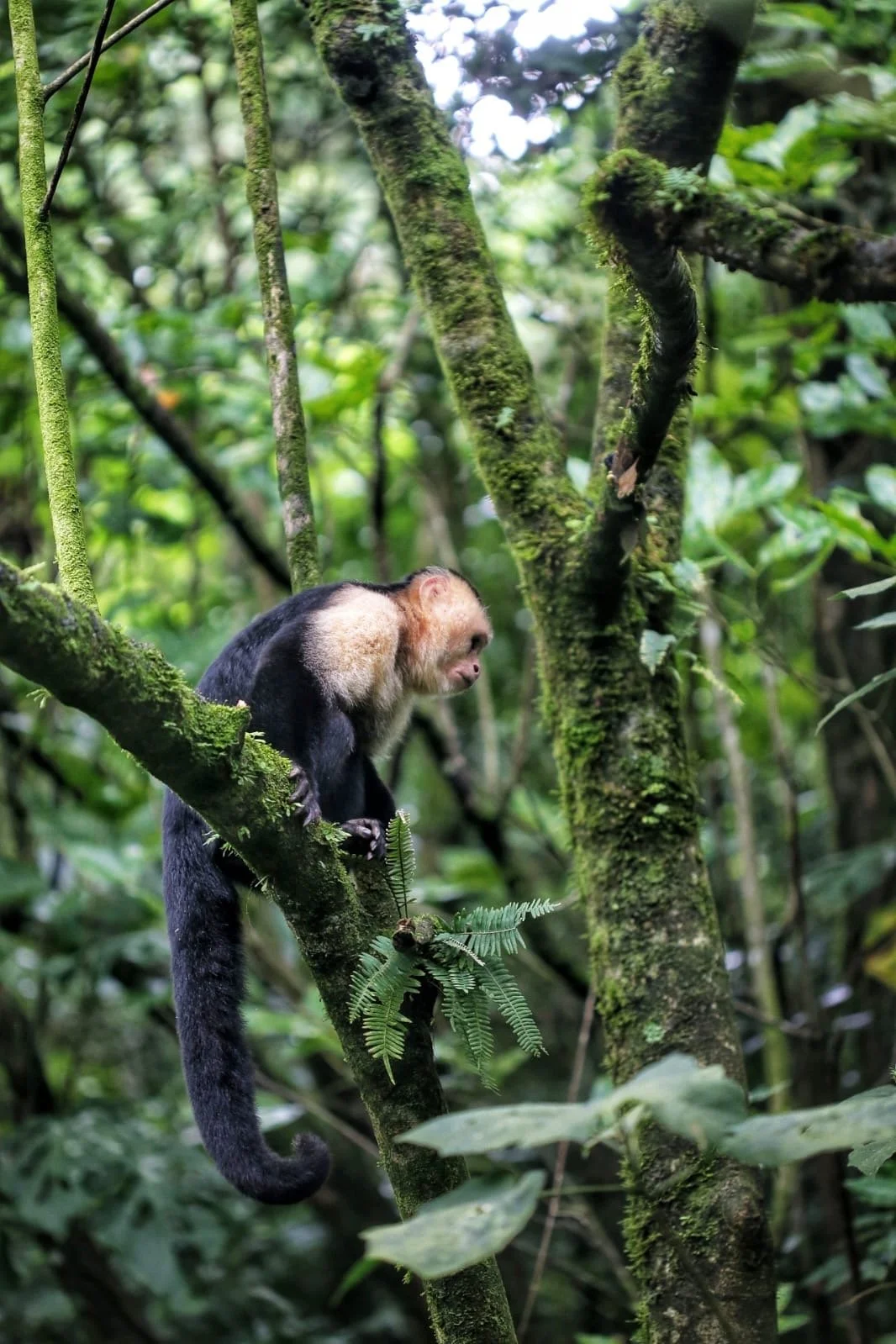
Jungle Remedies and Modern Rituals, Inside Panama’s World of Alternative Medicine