
Panama is one of those rare places where the deeper you go, the more it gives back. Beyond the skyline of Panama City and the postcard islands of San Blas lies a completely different country, one filled with misty highlands, empty surf beaches, forgotten forts, wild islands, and jungle villages where time moves slower. This is the Panama most travelers miss, and once you discover it, it becomes hard to settle for anything less.
What follows is not just a list, but a true guide into Panama’s hidden side. Each place deserves more than a quick visit, and if something catches your interest, you should absolutely dive deeper, search it on Google, explore it through maps, or even ask AI for routes, local stays, and seasonal tips. These are the places where the real magic hides between the lines.
In the cool highlands of Chiriquí, Volcán and Cerro Punta feel like a completely different country. The air is crisp, the landscape is green and rolling, and instead of palm trees you will find farms, strawberry fields, and cloud forest trails. This region sits near the slopes of Volcán Barú, and it is one of the most fertile agricultural zones in Panama. It is quiet, almost sleepy, but that is exactly the point. You wake up to fog rolling through the hills, drink locally grown coffee, and spend your days hiking, exploring waterfalls, or simply driving through landscapes that feel more like Costa Rica or even parts of Europe than tropical Panama. Cerro Punta, in particular, is known for its altitude and cooler climate, making it one of the few places in the country where you might actually want a sweater.
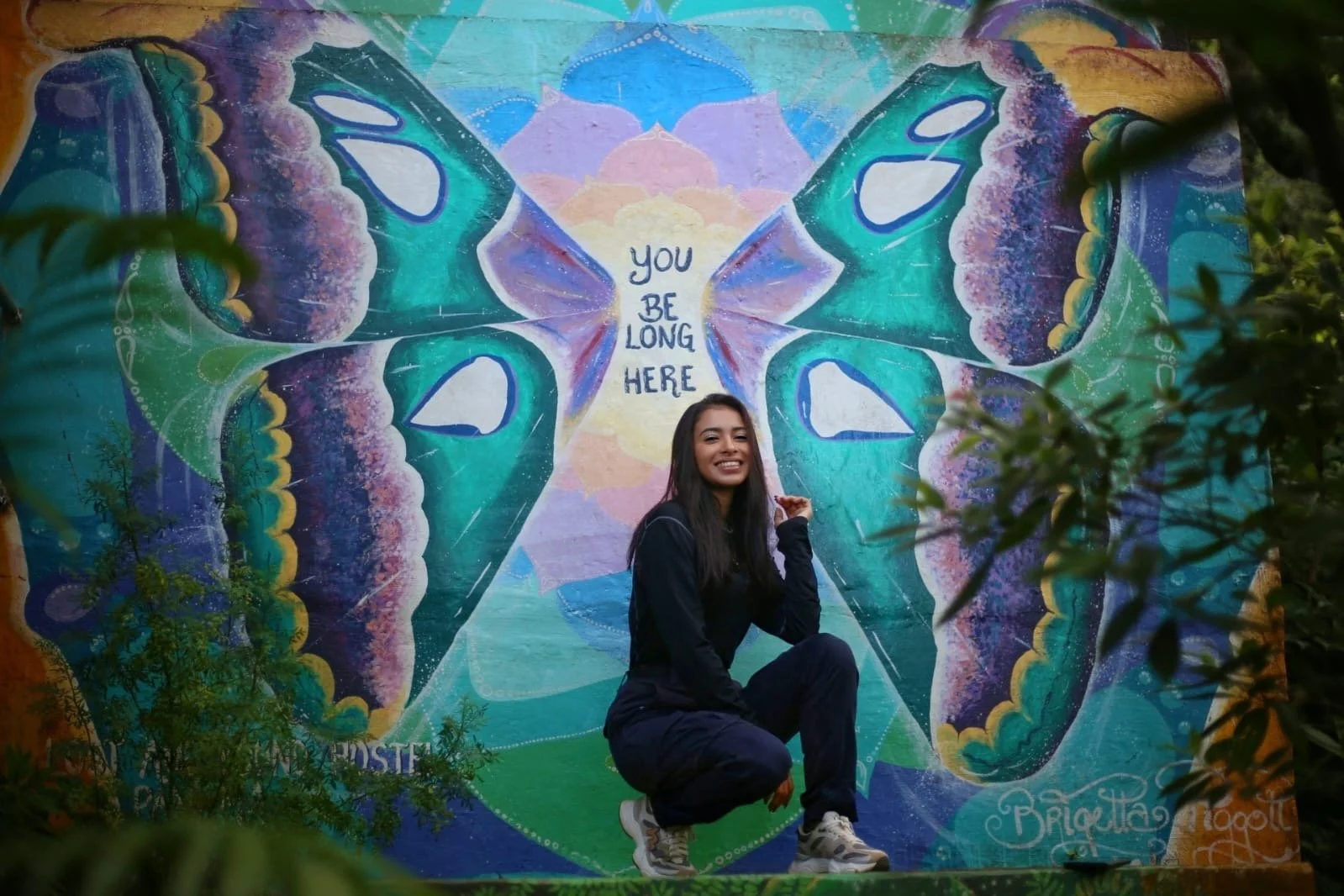
Hidden within this same region is something that perfectly captures Panama’s backpacker soul, Lost and Found Hostel. Tucked deep in the jungle between Boquete and Bocas, this place is not just a hostel, it is an experience. You hike in, disconnect from the outside world, and suddenly find yourself surrounded by cloud forest, trails, and a social atmosphere that feels genuine. It is one of those rare places where travelers bond quickly, not because they are trying to, but because the setting naturally brings people together.
If you continue south and west toward the edge of the country, you reach Punta Burica, one of the most remote and untouched corners of Panama. This narrow peninsula stretches toward Costa Rica, and getting there is not easy. That is part of its appeal. The beaches are wild, often empty, and backed by dense jungle. Nearby lies Isla Burica, a small island known for turtle nesting and raw, undeveloped beauty. There are no big resorts here, no crowds, just nature in its purest form. It is the kind of place where you go to disappear for a while.
On the opposite side of the country, along the Azuero Peninsula, Isla Iguana offers a completely different kind of hidden gem. Located just a short boat ride from Pedasí, this protected island is surrounded by coral reefs and crystal clear water. The marine life here is surprisingly rich, with hundreds of fish species and seasonal visits from humpback whales. The beaches are white, the water is calm, and the feeling is almost Caribbean, despite being on the Pacific. It is one of the best places in Panama for snorkeling without the crowds.
Not far from there is Cambutal, a place that feels like the edge of the world. This is not a polished beach town, it is raw, windy, and deeply connected to the ocean. Surfers come here for the consistent waves, but even if you do not surf, there is something captivating about the energy of the place. Behind the coastline rises Cerro Cambutal, part of a rugged mountain system that adds to the feeling of isolation and adventure. Sunsets here are dramatic, the kind that feel almost cinematic, with crashing waves and wide open skies.
Heading north into Veraguas, Santa Fe is one of Panama’s most underrated mountain towns. Surrounded by rivers, waterfalls, and cloud forest, it has a peaceful, almost magical atmosphere. It is the kind of place where you spend your days swimming in cold rivers, hiking into the hills, and chatting with locals in small cafés. It has managed to stay under the radar, even as other mountain destinations have grown in popularity. Many travelers who stumble upon Santa Fe end up staying longer than planned, drawn in by its calm and authenticity.
Nearby lies La Yeguada, a place that often surprises people because it does not look like what they expect Panama to be. Centered around a large crater lake, this area feels almost alpine, with pine trees, cool air, and open landscapes. It is one of the best camping spots in the country, and at sunrise, the mist rising off the lake creates a scene that feels almost unreal. It is one of those places that makes you question how diverse Panama really is.
Back on the Caribbean side, Portobelo is a place where history and culture collide in a way that feels alive rather than preserved. Once one of the most important ports in the Spanish Empire, it was heavily fortified to protect the flow of gold and silver. Today, those ruins still stand, part of a UNESCO recognized site that includes nearby Fort San Lorenzo. Walking through these crumbling fortifications, overlooking the sea, you can almost feel the weight of history. But Portobelo is not just about the past. It is also a vibrant Afro Caribbean community, known for its music, traditions, and the famous Black Christ festival.
For something more adventurous, the Bayano Caves offer a completely different kind of experience. Located near Lake Bayano, these caves stretch for kilometers and can even be partially explored by boat. Inside, you will find bats, underground rivers, and a sense of scale that is both exciting and humbling. It is not a casual activity, you need guides, equipment, and a willingness to get wet and dirty, but that is exactly what makes it memorable.
Then there is mainland Bocas del Toro, often overshadowed by the famous islands. Areas like Almirante and the surrounding jungle coastline are rarely explored by tourists, yet they offer a glimpse into everyday life in the region. Rivers, mangroves, and small communities create a landscape that feels authentic and untouched compared to the more developed islands.
Off the Pacific coast, Isla Cébaco is one of Panama’s best kept secrets. Large, rugged, and sparsely populated, it offers empty beaches, jungle interiors, and a feeling of true isolation. It is not easy to reach, which is exactly why it remains so untouched. This is the kind of place where you bring your own supplies, slow down completely, and let the rhythm of nature take over.
And finally, there is the Gulf of Chiriquí, a vast region of islands, reefs, and marine life that rivals some of the most famous destinations in Central America. With dozens of islands scattered across the water, including parts of protected national parks, it offers incredible opportunities for snorkeling, fishing, and exploration. Some islands are developed, many are not, and the sense of space and possibility is endless. It is one of the few places where you can truly feel like you have found your own private corner of the ocean.
What ties all of these places together is not just their beauty, but their sense of discovery. These are not destinations that reveal themselves immediately. They require curiosity, effort, and a willingness to explore beyond the obvious. And that is exactly why they are worth it.
If something in this guide stands out to you, do not stop here. Look it up. Dive deeper into maps, reviews, travel blogs, and local advice. Use Google, use AI, ask questions, and build your own version of the journey. Because in Panama, the best experiences are rarely handed to you, they are found.
And once you start finding them, you realize something important.
The real Panama is not hidden.
It is just waiting for you to look a little closer.
The Ultimate Hidden Panama, A Journey Into the Country Most Travelers Never See