
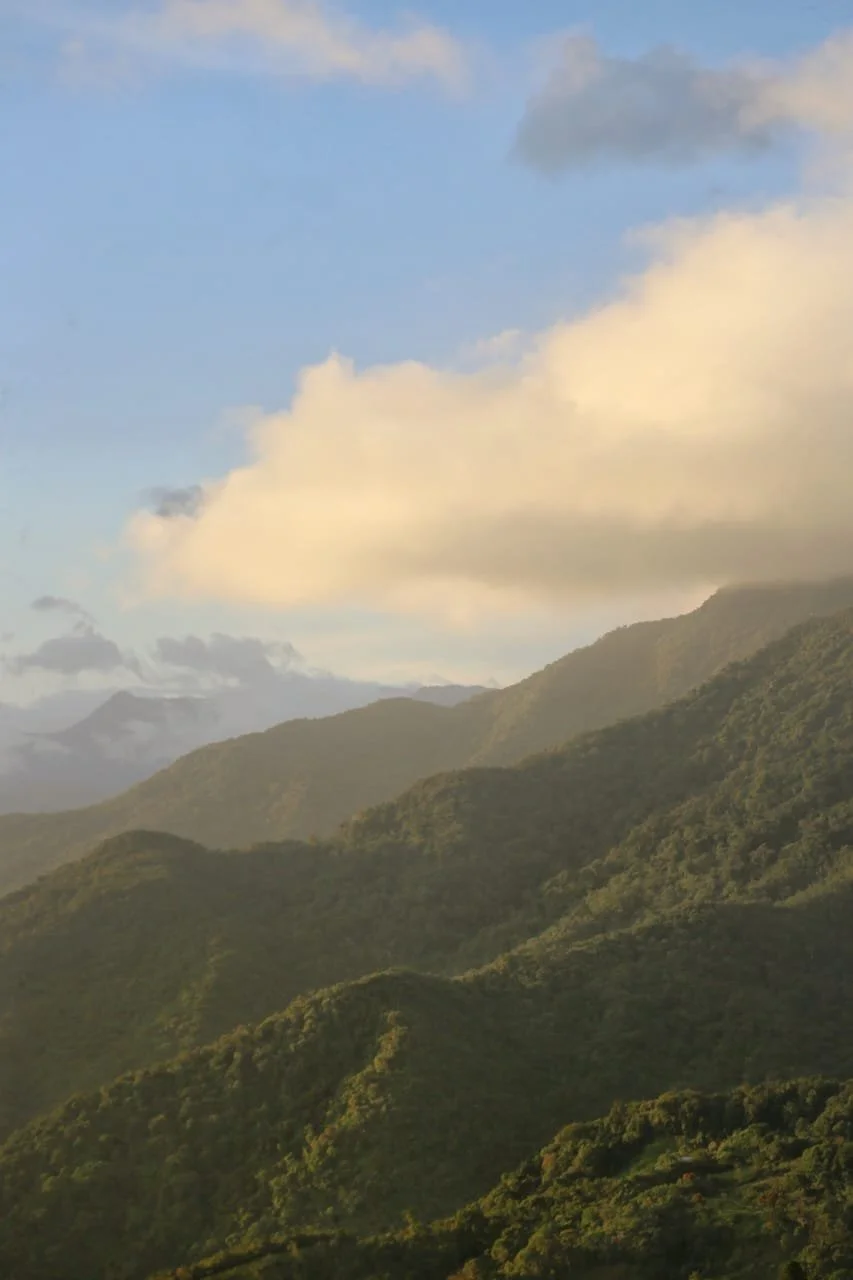
In the dense, dripping forests of Panama, there are creatures so strange and delicate that they seem almost unreal. By day, they disappear into the green world around them, nearly invisible against the leaves. But at night, under the beam of a flashlight, they reveal one of the most astonishing secrets in the animal kingdom: bodies so translucent you can see their beating hearts. These are glass frogs, tiny amphibians that blur the line between biology and illusion.
Glass frogs belong to the family Centrolenidae, a group found throughout Central and South America, but particularly well represented in Panama’s humid forests. While not every species is completely transparent, many have skin so thin and clear on their undersides that their internal organs, heart, liver, even intestines, are visible. It’s not a trick of the light. It’s real, and it’s one of nature’s most mesmerizing adaptations.
A Life Suspended Above Water
Glass frogs are creatures of the rainforest canopy’s lower levels, living almost exclusively along streams and rivers. In places like Soberanía National Park, Boquete, and the cloud forests surrounding Cerro Punta, they cling to leaves that hang over flowing water. This is not a random choice, it’s central to their survival.
At night, males call softly to attract females, their high-pitched chirps blending into the background of insects and rushing streams. Once a pair mates, the female lays her eggs on the underside of a leaf, directly above the water. When the eggs hatch, the tiny tadpoles drop into the stream below, beginning the next stage of their lives in the current.
This strategy keeps eggs safe from many aquatic predators, but it introduces new dangers, like insects, snakes, and even other frogs. Survival is never guaranteed.
The Transparency Trick
The glass frog’s most famous feature, its transparency, is not just for show. It’s a form of camouflage. From above, their bright green backs blend perfectly with leaves. From below, their nearly invisible bodies help them avoid detection against the light filtering through the forest canopy.
Recent research has revealed an even more fascinating detail: when glass frogs sleep, they can hide up to 90% of their red blood cells in their liver, making their bodies even more transparent. It’s a biological disappearing act, one that reduces shadows and makes them harder for predators to see.
It’s not invisibility, exactly. But it’s close enough.
Tiny, Fragile, and Surprisingly Tough
Most glass frogs are small, often no bigger than a coin. Their limbs are slender, their movements slow and deliberate. They don’t leap wildly like many other frogs. Instead, they rely on stillness, blending in and avoiding attention.
Despite their delicate appearance, they are perfectly adapted to their environment. Sticky toe pads allow them to cling to wet leaves, even in heavy rain. Their skin, though thin, is specialized for life in constantly humid conditions. And their reproductive strategy, while risky, ensures that at least some offspring make it to the water below.
Panama’s Perfect Habitat
Panama is an ideal home for glass frogs because of its incredible biodiversity and abundance of freshwater streams. The country’s geography, ranging from lowland jungles to high-elevation cloud forests, creates countless microhabitats where these frogs can thrive.
In places like La Amistad International Park, vast stretches of protected forest provide undisturbed environments where glass frogs can live largely hidden from human activity. Even closer to urban areas, parks like Soberanía offer glimpses into this secret world for those willing to explore at night.
But timing is everything. Glass frogs are nocturnal, and spotting one requires patience, a good flashlight, and a willingness to look closely, very closely. What appears to be just another leaf might suddenly reveal a tiny frog, perfectly still, its heart faintly pulsing beneath translucent skin.
A Chorus You Might Never Notice
Unlike the loud, booming calls of some tropical frogs, glass frogs are subtle. Their calls are soft, almost delicate, easily lost among the louder sounds of the forest. This makes them easy to overlook, even when they’re nearby.
But for those who tune in, their presence adds another layer to the rainforest’s nighttime symphony. It’s a quieter, more intimate soundscape, one that rewards attention rather than volume.
Threats and Fragility
Like many amphibians worldwide, glass frogs face growing threats. Habitat loss, pollution, and climate change all impact the clean, stable environments they depend on. Because their eggs develop on leaves above streams, even small changes in water quality or forest cover can disrupt their life cycle.
There’s also the global issue of amphibian disease, particularly chytrid fungus, which has affected frog populations across Central America. While some glass frog species have shown resilience, others remain vulnerable.
Their fragility is real but so is their importance. As indicators of environmental health, their presence often signals a clean, functioning ecosystem.
The Magic of Finding One
For travelers and nature lovers, encountering a glass frog is not just a wildlife sighting, it’s a moment of discovery. It requires slowing down, looking carefully, and stepping into the rhythm of the forest rather than rushing through it.
And when you finally see one, really see it, it feels like uncovering a secret.
A tiny creature, no bigger than your thumb, perched on a leaf in the dark. Its body glowing softly green. Its heart, visible and beating, as if the forest itself has revealed something it usually keeps hidden.
In Panama, these moments are always there.
You just have to know where and how to look.