
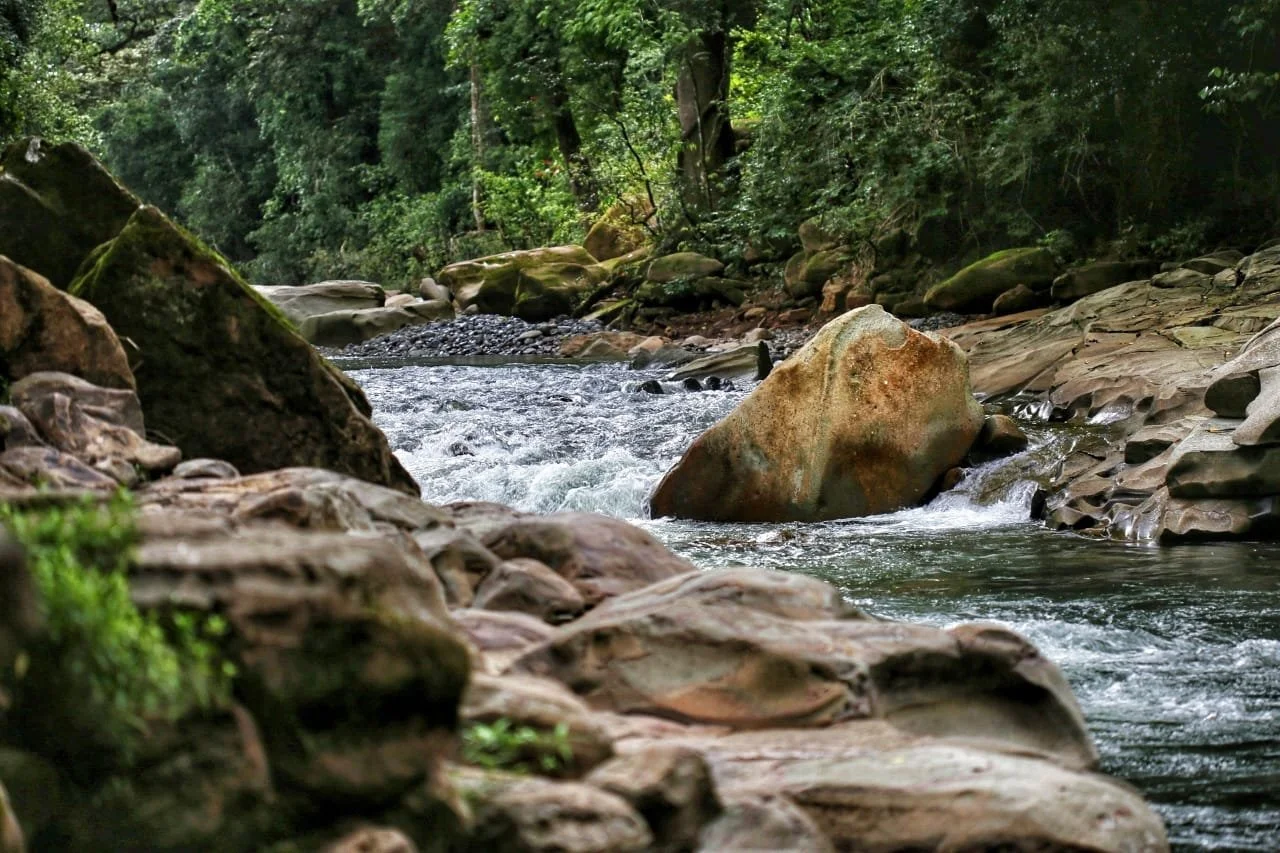
If you’re planning a backpacking trip through Central America, the decision between Panama and Costa Rica is one that almost every traveler faces, and it’s not an easy one. On the surface, the two countries seem nearly identical. Both offer lush rainforests, tropical beaches, incredible biodiversity, and warm climates year-round. Both are considered safe, relatively easy to travel, and packed with natural beauty. But once you step into each country, the differences become clear, and they shape your entire experience in ways that are hard to predict from a map or a guidebook. Choosing between them isn’t about which destination is better. It’s about understanding what kind of traveler you are and what kind of journey you want to have.
The most immediate and impactful difference between the two is cost. Costa Rica has built a global reputation as a premier eco-tourism destination, and with that reputation comes pricing that often surprises first-time visitors. Backpackers arriving in Costa Rica quickly realize that their money doesn’t stretch very far. Dorm beds can easily range from $15 to $30, meals in even modest restaurants often sit between $10 and $20, and activities, especially guided ones, can climb well past $50 or even $100 for a single day. Transport, whether by shuttle or tourist bus, is efficient but rarely cheap. In contrast, Panama feels far more flexible financially. While it’s not the cheapest country in Central America, it offers a much wider range of options. You can find dorm beds for $10 to $20, eat filling local meals for just a few dollars at small roadside eateries, and still access many of the same types of activities for less. The difference is not just in price, but in how much control you have over your spending. In Costa Rica, it’s easy to feel locked into a certain level of cost. In Panama, you can actively shape your budget day by day. For many backpackers, this alone is enough to tip the balance.
When it comes to nature and wildlife, both countries are exceptional but they deliver their experiences in very different ways. Costa Rica is arguably one of the most accessible places in the world to see wildlife. In areas like Monteverde Cloud Forest Reserve or Manuel Antonio National Park, trails are well maintained, guides are readily available, and animals are often surprisingly easy to spot. Sloths hang lazily in trees, monkeys move through the canopy, and brightly colored birds appear frequently enough that even casual visitors feel rewarded. It’s a country designed to make nature visible. Panama, on the other hand, offers just as much biodiversity, if not more but it doesn’t present it as easily. In places like Fortuna Forest Reserve or Soberanía National Park, wildlife is more elusive, more subtle, and often requires patience to find. The forest feels deeper, less structured, and more immersive. Instead of walking along clearly defined paths with frequent sightings, you find yourself listening, scanning, and slowly tuning into the environment. Costa Rica feels like a guided introduction to tropical nature, while Panama feels like stepping into it without a script. Neither is better, they simply offer different levels of accessibility and immersion.
Beaches and coastal experiences also highlight a key contrast between the two countries. Costa Rica’s Pacific coast is famous for surfing, with destinations like Tamarindo and Santa Teresa drawing travelers from around the world. The infrastructure is strong, the waves are consistent, and the social scene is lively. On the Caribbean side, places like Puerto Viejo offer a more laid-back vibe, though development is still noticeable. Panama, however, has a quieter, more untouched feel along much of its coastline. The islands of Bocas del Toro provide a backpacker-friendly mix of beaches, nightlife, and nature, while the San Blas Islands offer something entirely different, remote, indigenous-run islands with minimal development and a sense of isolation that’s increasingly rare. In Panama, beaches often feel less crowded, less commercialized, and more like discoveries than destinations. Costa Rica excels in accessibility and energy, while Panama leans toward authenticity and tranquility.
The overall travel experience is another major factor that shapes the decision. Costa Rica is undeniably easier to navigate. The country has invested heavily in tourism infrastructure, making it simple to move between destinations, book activities, and find accommodation. English is widely spoken, signage is clear, and the entire system feels designed to support international travelers. This makes it an excellent choice for first-time backpackers or those who prefer a smooth, predictable journey. Panama requires a bit more effort. Public transport is cheaper but less organized, routes can be less direct, and reaching certain destinations may involve multiple steps. But for many travelers, this added complexity is part of the appeal. It creates a sense of independence and discovery that’s harder to find in more developed tourism environments. In Costa Rica, you follow a well-marked path. In Panama, you often create your own.
The backpacker scene reflects these differences as well. Costa Rica has a large, well-established network of hostels, social hubs, and traveler routes. It’s easy to meet people, join group activities, and move from one popular destination to the next. The atmosphere is lively, international, and consistently social. Panama’s backpacker scene is smaller and more scattered, but also more intimate. Hostels often feel more personal, interactions with locals are more common, and the overall experience feels less dominated by tourism. For travelers seeking constant social interaction, Costa Rica delivers effortlessly. For those who prefer quieter, more authentic connections, Panama often feels more rewarding.
Activities and excursions further highlight the contrast between convenience and value. Costa Rica offers an incredible range of experiences, ziplining through cloud forests, white-water rafting, guided wildlife tours, and more, all organized to a high standard. But this convenience comes at a cost, and it’s easy to spend large amounts of money quickly. Panama offers many of the same types of activities, but often in a less polished, more flexible format. Prices are generally lower, and in some areas, you can access nature without paying high entrance fees or tour costs. In certain regions, accommodations even provide direct access to trails and natural environments, allowing you to explore without spending much at all. This difference in cost structure can significantly impact how much you’re able to do over the course of a trip.
Culturally, the two countries also diverge in subtle but meaningful ways. Costa Rica is often described as stable, friendly, and welcoming, but some travelers find that its strong focus on tourism can make cultural experiences feel somewhat secondary to nature-based activities. Panama offers a more varied cultural landscape. Panama City stands out as a modern, dynamic capital with a skyline that contrasts sharply with the surrounding jungle and coastline. The country’s history as a global crossroads is evident in its mix of influences, Latin American, Caribbean, and international. This adds another dimension to the travel experience, especially for those interested in more than just nature.
Ultimately, the decision between Panama and Costa Rica comes down to what you value most in your travels. Costa Rica is polished, accessible, and designed to deliver incredible experiences with minimal effort. It’s ideal for those who want to see as much as possible in a short time, with clear paths and reliable systems guiding the way. Panama is less predictable, more varied, and often more rewarding for those willing to engage with it on its own terms. It offers a sense of discovery that feels increasingly rare, along with the flexibility to shape your journey based on your own choices.
In the end, both countries offer unforgettable experiences. But they do so in fundamentally different ways. Costa Rica shows you the beauty of nature in a way that’s easy to access and appreciate. Panama invites you to find it yourself.
And that difference is what will ultimately determine which one feels right for you.