
Panama City is a place defined by contrasts, where glass skyscrapers rise beside colonial stone streets, where rainforest hills press up against highways, and where the Pacific Ocean curves tightly around one of the most strategically important urban coastlines in the Americas. Within this setting, two of the most iconic public spaces are the Cinta Costera and the Amador Causeway. These are not just roads or promenades, but engineered landscapes that define how the city interacts with the ocean, how people move through public space, and how Panama presents itself to the world visually, socially, and culturally.
Together, they form two very different but deeply connected experiences: one is a sweeping urban coastal arc wrapping around the city’s financial district, and the other is a narrow ribbon of land stretching into the Pacific toward the entrance of the Panama Canal. To understand Panama City properly, you do not just visit these places, you move through them, because they reveal how the city was literally built outward into the sea.
The Cinta Costera: A Man-Made Waterfront That Rewrote the City’s Edge
The Cinta Costera is one of the most ambitious urban redevelopment projects in Central America, a multi-phase coastal beltway that transformed reclaimed land into parks, highways, bike paths, and recreational spaces along Panama Bay. Before its construction, this area was largely congested waterfront infrastructure and disconnected shoreline. The project effectively pushed the city outward into the Pacific through land reclamation, creating a continuous ribbon of public space that now stretches several kilometers along the coastline.
At its core, the Cinta Costera is both infrastructure and social space. It functions as a major traffic artery that relieves congestion in central Panama City while simultaneously acting as one of the city’s most important recreational zones. Elevated expressways run above while beneath them and alongside them are walking paths, cycling lanes, sports courts, fitness areas, and open green spaces that are constantly filled with life. The engineering behind it includes massive seawalls, dredged fill, and reinforced coastal barriers designed to withstand tidal forces and storm surge, essentially creating new land where there was once open water.
Walking along the Cinta Costera feels like moving through a living cross-section of the city. On one side, the skyline of Panama City rises in glass and steel, reflecting sunlight during the day and glowing with dense urban light at night. On the other side, the Pacific Ocean stretches outward, dotted with ships waiting to enter the canal, constantly reminding you that this city is also a global maritime hub. Between these two worlds, the Cinta Costera becomes a space of movement and pause, where joggers, cyclists, street vendors, families, and travelers all share the same linear park that wraps around the bay.
One of the most important aspects of the Cinta Costera is how it changes perception of distance and scale within the city. What used to be fragmented waterfront zones are now connected into a continuous public corridor. The area also includes viewpoints toward historic districts, especially the skyline of the financial district and the older colonial zone further along the coast, creating a visual timeline of Panama’s development from colonial port to modern metropolis.
The Amador Causeway: A Road Built from the Canal’s History
Stretching into the Pacific Ocean like a finger pointing toward the entrance of one of the world’s most important waterways, the Amador Causeway is one of the most scenic and symbolically significant roads in Panama. It was originally constructed using rocks excavated during the building of the Panama Canal, meaning that in a very real sense, this road is made from the material of one of the greatest engineering projects in history.
The causeway connects the mainland to three small islands: Naos, Perico, and Flamenco. These islands once served strategic military and quarantine functions during the canal’s early operational years, but today they have been transformed into recreational, commercial, and tourism spaces. The causeway itself is a wide, open road flanked by pedestrian paths and bike lanes, offering uninterrupted views of the Pacific Ocean on both sides. On one side, you can see the skyline of Panama City rising dramatically from the water, and on the other, you can see ships queued near the entrance of the canal, waiting their turn to cross between oceans.
The Amador Causeway is also one of the best places in the city to understand Panama’s geography visually. From here, you can see the Pacific entrance to the canal system, including the distant movement of vessels and the subtle shift between urban shoreline and open ocean. The causeway is also home to marinas, restaurants, cycling routes, and viewpoints that attract both locals and visitors at all hours of the day.
At night, the causeway transforms completely. The city lights reflect across the water, the breeze becomes cooler, and the skyline appears almost suspended above the ocean. It becomes one of the most atmospheric places in Panama City, blending nature, infrastructure, and urban life into a single continuous experience.
How the Two Connect: Urban Ocean Logic
What makes both the Cinta Costera and the Amador Causeway so important is not just their function individually, but how they redefine Panama City’s relationship with the ocean. The city does not simply sit next to the water; it extends into it, reshapes it, and moves through it.
The Cinta Costera represents controlled expansion along the shoreline, a dense urban interface where city and sea meet in a structured way. The Amador Causeway represents projection outward into the ocean, a linear extension that physically points toward the Panama Canal and the wider Pacific world. Together, they form two expressions of the same idea: Panama as a city built on maritime identity.
They also reflect two different speeds of experience. The Cinta Costera is active, dense, and energetic, filled with traffic, exercise, and constant movement. The Amador Causeway is slower, more open, and more contemplative, encouraging long views and extended time spent watching the water and ships.
What to Do on the Cinta Costera
Experiencing the Cinta Costera properly is about movement. It is best explored on foot, by bicycle, or even by scooter. Early morning is one of the most striking times, when the heat is still low and the city is just beginning to wake. Joggers fill the paths, fishermen line the edges, and the skyline reflects soft light from the bay.
During the day, the energy increases. Sports courts become active, food vendors set up along walkways, and the constant flow of traffic overhead contrasts with the relaxed rhythm below. One of the most interesting aspects is how the space functions as both transit corridor and leisure zone simultaneously, something that is relatively rare in urban design at this scale.
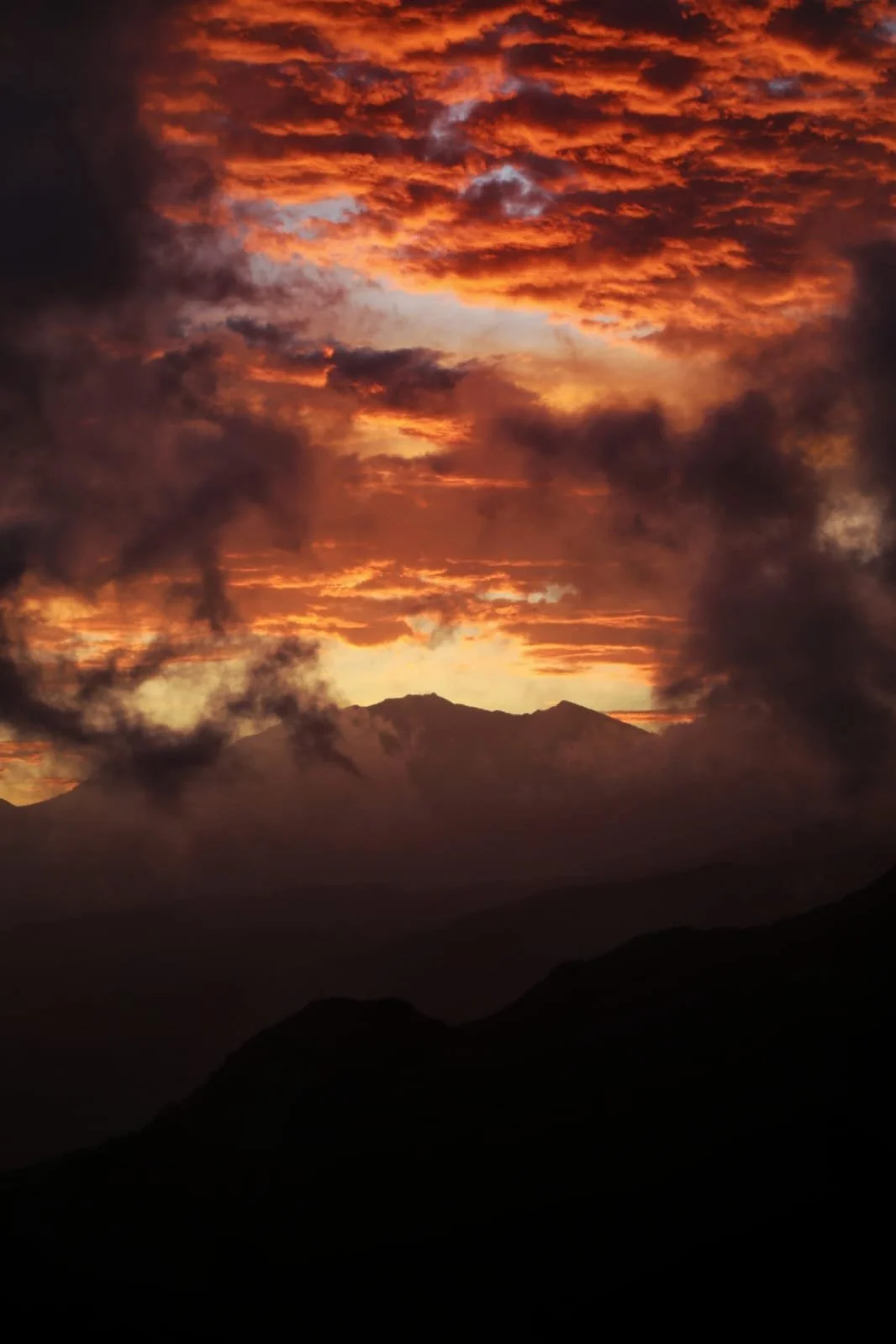
Sunset is when the Cinta Costera becomes most visually dramatic. The light hits the glass towers of Panama City at an angle that creates long reflections across the water, while the ocean begins to darken and ships become silhouettes on the horizon. The entire bay feels like it is slowly shifting into night mode, with the city lights gradually taking over the visual landscape.
What to Do on the Amador Causeway
On the Amador Causeway, the experience is more about distance and perspective. Renting a bike or walking the full length of the causeway is one of the most rewarding ways to experience it, because it allows you to see how the city gradually recedes behind you while the Pacific opens up in front.
Stops along the islands offer different experiences: marinas with sailboats and yachts, restaurants overlooking the water, and viewpoints where you can see the entrance to the Panama Canal system in the distance. This is one of the few places where you can simultaneously see a modern capital city, open ocean, and global shipping traffic all in one field of view.
Even simple moments, like sitting on the seawall watching ships move slowly toward the canal, become surprisingly immersive. The scale of the vessels, combined with the stillness of the surrounding water, creates a sense of watching global systems operate in real time.
Best Time to Visit and Practical Flow
Both locations are accessible year-round, but timing dramatically changes the experience. Early mornings are cooler and quieter, ideal for exercise and photography. Late afternoons and sunset hours are the most visually powerful, especially when light reflects off the water and skyline simultaneously. Nights are best for atmosphere, especially on the Amador Causeway, where the city lights and ocean reflections create a calm but cinematic environment.
Panama City at Its Edge
The Cinta Costera and the Amador Causeway are more than infrastructure projects. They are expressions of how Panama City has chosen to exist at the edge of land and sea, not resisting the ocean but extending into it, reshaping it, and living alongside it.
One is a curved urban shoreline that wraps around the heartbeat of the city. The other is a straight path into the Pacific that points toward one of the most important maritime corridors in the world. Together, they reveal a city that is constantly negotiating between nature and engineering, between movement and stillness, between global significance and everyday life.
And when you walk them in sequence, from the dense energy of the Cinta Costera to the open horizon of the Amador Causeway, you begin to understand Panama City not as a place you simply pass through, but as a place that is always in motion, always expanding, and always connected to the water that defines it.