
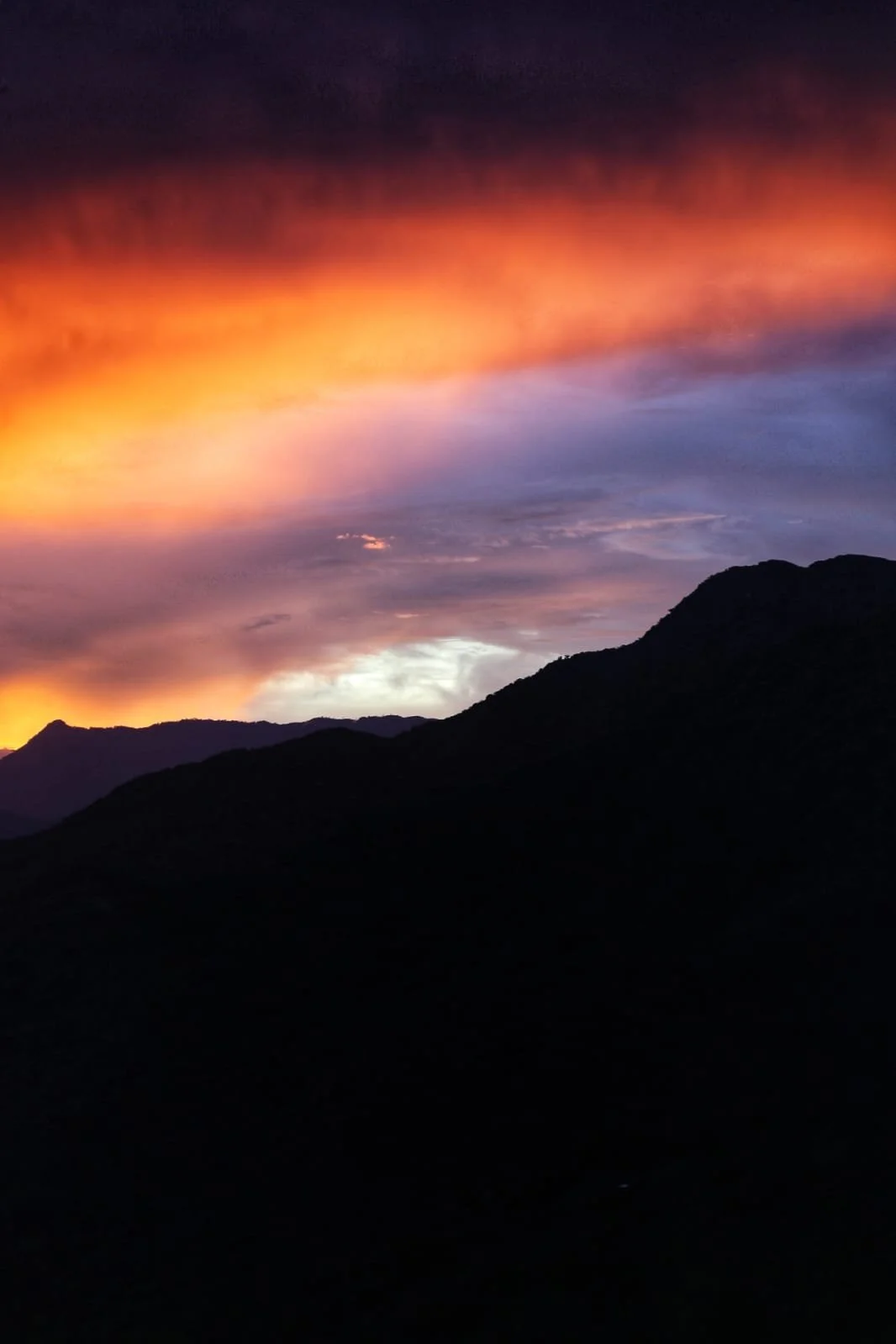
Straddling the mountainous spine that separates Central America’s Caribbean and Pacific worlds, La Amistad International Park is one of the most biologically rich and least explored protected areas on the planet. Shared by Panama and Costa Rica, this vast transboundary wilderness is not just a national park, it is a living corridor of ecosystems that stretch from lowland tropical forests to high-elevation cloud forests and páramo landscapes. It is a place where mist clings to ancient trees, rivers carve through untouched valleys, and wildlife moves largely unseen through one of the last truly wild regions in Central America.
The park’s name, “La Amistad,” meaning “The Friendship,” reflects its unique origin. Established through cooperation between Panama and Costa Rica, the park became a symbol of shared conservation efforts across borders. In 1983, it was designated a UNESCO World Heritage Site, recognized for its extraordinary biodiversity and ecological importance. Unlike many protected areas that exist in isolation, La Amistad was conceived as a continuous ecosystem, acknowledging that wildlife and natural processes do not recognize political boundaries. This vision has allowed it to become one of the largest protected areas in the region, covering hundreds of thousands of hectares of rugged terrain that remains, even today, only partially explored by scientists.
The geography of La Amistad is dramatic and varied. The park encompasses part of the Talamanca Range, one of the highest and most remote mountain systems in Central America. Elevations range from near sea level up to peaks over 3,800 meters, including areas near Volcán Barú on the Panamanian side. This immense elevation gradient creates a mosaic of ecosystems stacked one above the other. At lower elevations, dense tropical rainforests dominate, thick with vines, towering trees, and constant humidity. As you climb higher, these give way to cloud forests, where moss-covered branches, orchids, and bromeliads thrive in cool, misty air. At the highest elevations, the landscape transforms again into páramo, a windswept, almost alpine environment rarely seen so close to the equator.
This diversity of habitats supports an incredible range of flora. La Amistad is home to thousands of plant species, many of which are endemic, meaning they are found nowhere else on Earth. Towering hardwoods share space with delicate orchids, some no larger than a fingernail, while giant tree ferns give parts of the forest an almost prehistoric feel. Epiphytes, plants that grow on other plants without harming them, are especially abundant, covering branches in layers of green and creating entire miniature ecosystems high above the forest floor. The sheer density of plant life contributes to the park’s role as a critical carbon sink and a stabilizer of regional climate.
The fauna of La Amistad is just as remarkable, though often harder to see. The park provides habitat for some of Central America’s most iconic and elusive animals. Jaguars move silently through the forest, rarely seen but ever-present. Tapirs, one of the region’s largest land mammals, roam the undergrowth, while troops of monkeys swing through the canopy above. Birdlife is especially rich, with hundreds of species recorded, including the resplendent quetzal, whose iridescent feathers have made it a symbol of Central American wilderness. Amphibians and reptiles add another layer of diversity, with countless species of frogs, snakes, and lizards inhabiting the park’s varied environments.
Insects, often overlooked, form the foundation of this ecosystem. Butterflies flash through shafts of sunlight, beetles and ants carry out essential roles in decomposition and soil health, and pollinators ensure the survival of countless plant species. Every level of the ecosystem is interconnected, creating a web of life that is both intricate and resilient.
Despite its vastness, La Amistad is not entirely inaccessible. On the Panamanian side, access points exist near areas such as Cerro Punta and Boquete, while in Costa Rica, entry is often through regions like Bribri. However, this is not a park designed for casual tourism. Trails are often rugged, muddy, and sometimes poorly marked, requiring preparation and, in many cases, the guidance of experienced local guides. This difficulty is part of what has preserved the park’s wild character.
Trails within La Amistad vary widely depending on the region. Some routes lead through dense rainforest, crossing rivers and climbing steep ridges, while others ascend into cloud forests where visibility can shift dramatically as mist rolls in. Multi-day treks are possible, offering a rare opportunity to move through different ecosystems in a single journey. Along the way, hikers may encounter waterfalls, hidden valleys, and viewpoints that stretch across endless layers of green mountains. The sense of isolation is profound, this is one of the few places where you can walk for days without encountering another person.
Ranger stations and research outposts are scattered throughout the park, though they are few and often remote. These stations serve as bases for park rangers and scientists who monitor wildlife, study ecosystems, and work to protect the area from threats such as illegal logging and poaching. Facilities are typically basic, reflecting the park’s remote nature, but they play a crucial role in maintaining its integrity. Visitors who venture into the park are often required to register and may need permits, ensuring that human impact remains minimal.
The human history of La Amistad is as important as its natural history. Indigenous groups, including the Ngäbe and Bribri peoples, have lived in and around these mountains for generations. Their knowledge of the land, plants, and wildlife is deep and nuanced, offering insights that modern science is only beginning to fully appreciate. In many ways, the park is not just a natural space but a cultural landscape, where traditional practices and conservation efforts intersect.
Challenges remain, even in a place as remote as La Amistad. Climate change poses a significant threat, particularly to high-elevation ecosystems that are sensitive to temperature shifts. As conditions change, species may be forced to move to new areas, potentially disrupting established ecological relationships. Human pressures at the edges of the park, including agriculture and development, also require careful management to prevent encroachment.
Yet despite these challenges, La Amistad remains a beacon of conservation. Its sheer size, combined with the commitment of two nations, has allowed it to endure as one of the last great wilderness areas in Central America. It stands as a reminder of what is possible when borders become points of cooperation rather than division.
To experience La Amistad is to step into a world that feels almost untouched by time. It is a place where nature operates on its own terms, where the rhythm of life is set by rain, sunlight, and the slow growth of forests that have stood for centuries. For those willing to venture into its depths, it offers not just adventure, but a rare glimpse into the complexity and beauty of a truly wild landscape.