
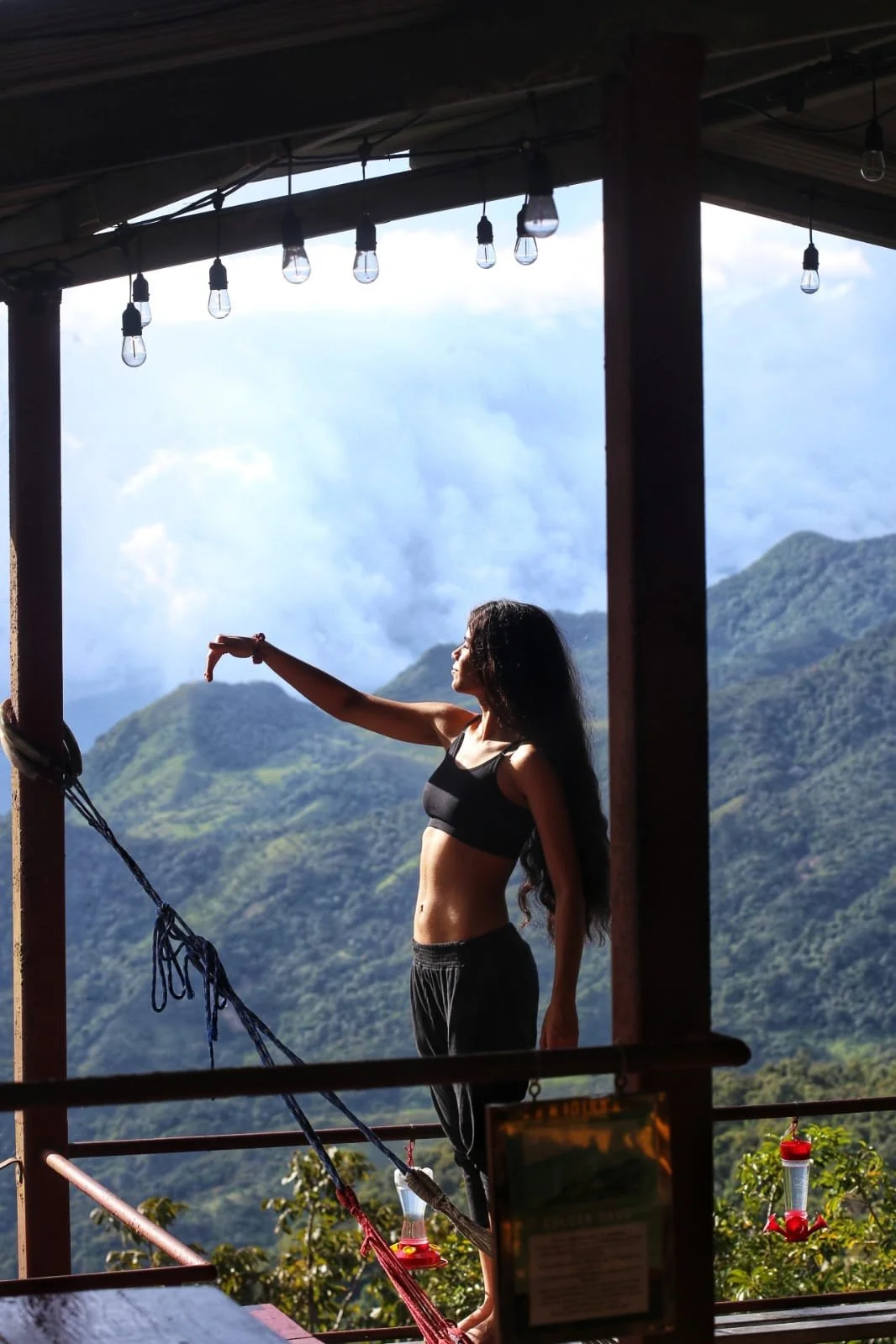
Hiking in Panama can feel like stepping into another world. Trails disappear into cloud forests dripping with moss, jungle vines twist around giant trees, and enormous tropical leaves create green tunnels alive with insects and bird calls. The forests of Panama are among the richest ecosystems in the Americas, packed with astonishing biodiversity.
But hidden among all that beauty are plants that can sting, burn, poison, blister, irritate, or seriously ruin a hiking trip if you touch them carelessly.
Many travelers worry about snakes or crocodiles in Panama, yet plants actually cause far more unpleasant encounters for hikers. Unlike animals, dangerous plants do not run away. They sit silently beside trails waiting for accidental contact. A simple brush of the hand against the wrong leaf can produce hours or even days of pain.
The fascinating thing is that many of these plants look harmless or even beautiful.
The Infamous Panama “Pringamoza”
One of the most feared plants among locals in parts of Panama is often called pringamoza, a general term used for several species of stinging plants found throughout tropical Central America.
These plants are the rainforest equivalent of electrified barbed wire.
At first glance, they may appear ordinary, covered in soft looking hairs. But those hairs are actually tiny needle like structures filled with irritating chemicals. Brushing against them can produce intense burning sensations, rashes, swelling, and pain that sometimes lasts for hours.
Many hikers describe the feeling as similar to being stung repeatedly by insects or shocked by nettles on steroids.
The danger is especially high on narrow jungle trails where vegetation crowds closely against the path. During rainy season, overgrown trails may force hikers to push through thick vegetation, increasing the chances of accidental contact.
Locals familiar with the forest often identify pringamoza instantly and avoid it automatically. Tourists, unfortunately, tend to learn the hard way.
Poisonwood and Skin Reactions
Another major plant hikers should know about is poisonwood, a tropical relative of poison ivy and poison oak.
Several plants in Panama contain irritating oils capable of causing severe skin reactions. Contact may produce itching, redness, blistering, and painful rashes that can worsen dramatically in humid tropical conditions.
One frustrating aspect of these plants is that you do not always realize immediately that you touched them. Hours later, after a hike, skin suddenly begins burning or itching intensely.
In some cases, even smoke from burning toxic plants can irritate the lungs or skin.
This becomes especially important in rural areas where people sometimes clear vegetation by burning it. Hikers and campers unfamiliar with local plants may unknowingly expose themselves to airborne irritants.
The Manchineel, One of the World’s Most Dangerous Trees
Among the most infamous poisonous plants in tropical America is the manchineel tree, sometimes considered one of the most dangerous trees on Earth.
While more common along certain coastal regions of the Caribbean and tropical Americas, manchineel trees can occur in parts of Panama, especially near beaches and coastal ecosystems.
Everything about the tree is dangerous.
Its sap can cause severe skin blistering. Touching the tree during rain is risky because water dripping from leaves may carry irritating toxins. Burning the wood can release toxic smoke capable of damaging the eyes and lungs. Even the small green apple like fruits are poisonous.
The frightening part is that the tree often looks completely innocent.
Travelers resting beneath a beachside tree during rain may unknowingly place themselves directly beneath one. Historically, some Caribbean cultures reportedly used manchineel toxins on arrow tips because of their potency.
Fortunately, manchineel trees are often marked or recognized by locals in areas where they occur, but tourists unfamiliar with them should remain cautious about touching unknown coastal trees or eating mysterious tropical fruits.
Dangerous Beauty in the Cloud Forest
The cloud forests of Panama, especially around places like Boquete and El Valle de Antón, contain countless fascinating plants, many covered in moss, orchids, and strange growths.
Most are harmless.
But the sheer density of tropical vegetation means hikers frequently brush against unfamiliar species without thinking. Certain vines, sap producing shrubs, and hairy plants may trigger mild to moderate skin irritation.
One problem in tropical forests is that moisture intensifies everything. Sweat, humidity, and constant dampness can make skin reactions feel worse than they might in drier climates.
Tiny cuts or scratches from vegetation also become irritated more easily in jungle conditions.
Even non poisonous plants can create problems through sharp thorns, microscopic hairs, or irritating sap.
Giant Tropical Plants That Fight Back
Some tropical plants defend themselves aggressively because herbivores constantly attack them in the rainforest.
Palm species are a perfect example.
Many palms in Panama possess incredibly sharp spines capable of puncturing skin deeply. Certain jungle palms look almost armored with black needle like spikes along their trunks or fronds. Accidentally grabbing one while hiking steep terrain can produce nasty puncture wounds.
Some vines and shrubs also develop hooked thorns that seem designed specifically to grab clothing and skin.
Hikers quickly discover that tropical forests are not passive environments. Plants compete intensely for survival, and many evolved serious defenses.
Why Tropical Plants Are So Chemically Intense
One fascinating reason poisonous and irritating plants are common in Panama is because tropical ecosystems create enormous evolutionary pressure.
Insects, mammals, fungi, and other organisms constantly attack plants in rainforests. Unlike temperate climates with cold winters slowing biological activity, tropical ecosystems remain active year round.
Plants respond by evolving powerful chemical defenses.
Some produce toxins. Others create irritating hairs, spines, or defensive sap. Many tropical plants are engaged in constant biological warfare invisible to humans walking through the forest.
That chemical complexity is one reason tropical rainforests have become so important for medicine and scientific research. Compounds evolved for plant defense sometimes become valuable pharmaceuticals when studied by scientists.
But in the forest, those same chemicals can make careless hiking unpleasant very quickly.
The Hidden Danger of “Touching Everything”
Many travelers in Panama become excited by the jungle and start interacting with nature constantly. They touch giant leaves, lean against trees, grab vines for balance, or pick up strange fruits and flowers.
Experienced guides often do the opposite.
Local guides tend to touch surprisingly little unless they know exactly what something is. This cautious behavior comes from experience. In tropical forests, uncertainty alone is reason enough to avoid contact.
The safest hiking rule in Panama is remarkably simple: do not touch unfamiliar plants unnecessarily.
That advice becomes even more important at night when visibility drops and hikers may accidentally brush against irritating vegetation along narrow trails.
The Psychological Effect of the Jungle
One reason poisonous plants fascinate travelers is because they change how people perceive the rainforest itself.
At first, the jungle looks overwhelmingly beautiful and inviting. Huge green leaves, flowers, vines, and towering trees create scenes that feel almost magical.
Then you learn some plants sting. Others blister skin. Some hide razor sharp spines. A few are genuinely toxic.
Suddenly the forest feels more alive and complex.
Panama’s rainforests are not decorative landscapes built for human comfort. They are ancient ecosystems filled with survival strategies developed over millions of years. Every thorn, toxin, and irritating hair exists for a reason.
And that realization makes hiking in Panama even more fascinating.
The jungle is beautiful, but it demands respect.