
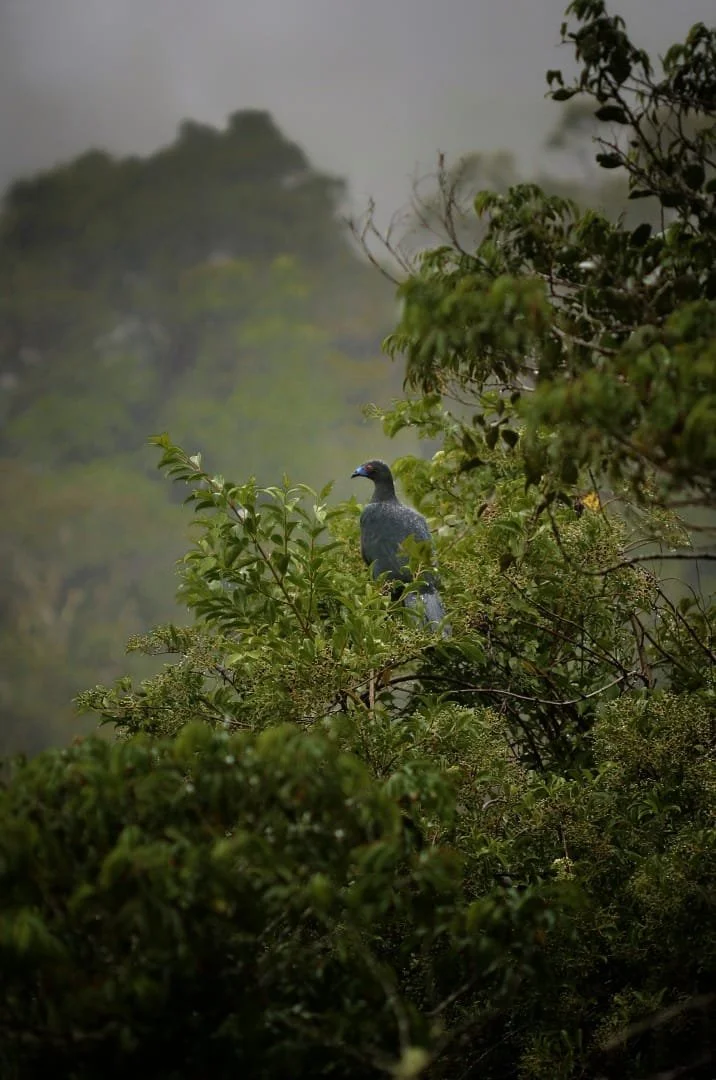
Far out in the Pacific waters of Panama, beyond the routes followed by most tourists and beyond the famous beach towns that dominate travel brochures, lies an island so large, remote, and ecologically rich that it feels almost disconnected from the modern world. This is Isla Cébaco, one of the biggest islands in Panama and one of the least understood tropical islands in all of Central America.
Most travelers who come to Panama never hear its name. They know the canal, the skyscrapers of Panama City, the surf towns of the Pacific, or the famous Caribbean islands with white sand and turquoise water. Isla Cébaco exists outside those tourism circuits entirely. It sits quietly off the coast of Veraguas Province, surrounded by deep Pacific waters, whale migration routes, fishing grounds, mangrove estuaries, and dense tropical forests that still dominate huge portions of the landscape.
For geographers, biologists, historians, fishermen, birdwatchers, and adventurous travelers, Isla Cébaco is extraordinary because it represents something increasingly rare in the modern tropics, a massive island where nature still feels larger than human development. The island remains rugged, lightly populated, and surprisingly isolated. Certain beaches can remain empty for days. Forests still echo with monkeys and tropical birds. Storms still shape life in dramatic ways. The Pacific Ocean still controls daily rhythms.
The first thing that surprises people about Isla Cébaco is its sheer size. On a map it looks substantial, but when approached by boat it begins to feel enormous. The island stretches across the horizon in layers of green hills, river valleys, beaches, rocky points, and forested ridges. Unlike tiny postcard islands where everything can be crossed in minutes, Cébaco feels like a true geographic world of its own.
The island’s terrain is remarkably varied. Some coastlines are lined with dark volcanic rock where powerful Pacific waves explode into white spray. Other areas contain broad sandy beaches facing calmer water. Mangrove systems spread through estuaries and tidal channels, creating rich nursery habitats for fish, birds, crustaceans, and reptiles. Inland, dense vegetation climbs humid hills where rivers and streams cut through jungle toward the sea.
The geology of Isla Cébaco is deeply tied to the violent tectonic history of the entire Central American isthmus. Panama itself exists because of tectonic collisions and volcanic activity that gradually lifted land from the ocean millions of years ago. Isla Cébaco emerged from these same geological processes. The island belongs to a region shaped by volcanic origins, tectonic uplift, erosion, and the constant influence of tropical rainfall and Pacific wave energy.
This geological history is visible everywhere. Rocky cliffs reveal ancient formations carved by centuries of wave action. Rounded stones line river mouths. Coastal terraces rise above certain beaches, hinting at long periods of tectonic movement and changing sea levels. The island’s dramatic shape itself reflects the enormous geological forces that built Panama and eventually connected North and South America into a single land bridge.
That land bridge changed the planet forever. Scientists consider the rise of Panama one of the most important geological events in Earth’s recent history because it altered global ocean circulation and allowed species from two continents to migrate into entirely new ecosystems. Isla Cébaco sits within this broader story of biological and geological transformation.
Today the island remains biologically fascinating. The ecosystems of Isla Cébaco support an astonishing range of life. Dense forests shelter monkeys, reptiles, amphibians, tropical birds, bats, and countless insects. Mangroves support marine nurseries filled with juvenile fish and crustaceans. Offshore waters contain dolphins, rays, sharks, sea turtles, and seasonal whales.
The birdlife alone is extraordinary. Pelicans glide low above incoming surf while frigatebirds drift effortlessly on rising coastal winds. Herons stalk tidal flats beside mangrove roots. Ospreys circle above estuaries searching for fish beneath the water’s surface. Inland forests contain parrots, hummingbirds, trogons, woodpeckers, and hawks that thrive within the island’s varied habitats.
One of the most remarkable things about Isla Cébaco is how alive it feels at every hour of the day. At sunrise the forests erupt with sound. Birds call from the canopy while insects pulse from the undergrowth. Fishing boats begin moving across calm morning water beneath skies streaked orange and gold. As the tropical heat builds through the afternoon, cicadas scream from trees while waves pound steadily against the coastline.
Then night arrives, and the island transforms completely.
Darkness on Isla Cébaco can feel overwhelming to visitors coming from cities. There are large areas with little or no artificial lighting. Once the sun disappears, the Pacific becomes a black roaring presence beyond the shore while the jungle comes alive with noise. Frogs call from flooded ditches and wetlands. Insects create dense walls of sound from every direction. Geckos gather around lights hunting moths. On humid nights the air itself seems alive.
Under clear skies, the stars over Isla Cébaco can be astonishing. The Milky Way often becomes visible above the Pacific horizon. Lightning storms sometimes flash far out at sea, illuminating massive cloud towers above the ocean. The atmosphere feels ancient and elemental, shaped far more by nature than by human infrastructure.
The surrounding ocean is one of the island’s greatest wonders. Isla Cébaco lies within the biologically rich Eastern Tropical Pacific, a marine region known for immense biodiversity and powerful oceanic processes. Seasonal currents bring nutrients into surrounding waters, supporting huge numbers of fish and marine animals.
Whale migrations are among the most spectacular natural events associated with the island. Humpback whales move through Pacific waters near Panama during migration seasons, using warm tropical waters for breeding and calving. Around Isla Cébaco, these whales can sometimes be seen breaching offshore with incredible force. Their massive bodies rise above the surface before crashing back into the ocean in explosions of white water.
To witness a humpback whale surfacing beside a wild tropical island is unforgettable. The experience captures something essential about Isla Cébaco itself, a feeling that the natural world here remains immense and powerful.
Sea turtles also depend on sections of coastline around the island. During nesting seasons, turtles emerge from the Pacific under cover of darkness and slowly crawl onto beaches to lay eggs above the tide line. These nesting areas remain vulnerable to poaching and habitat loss, but the relative isolation of parts of Isla Cébaco has helped preserve important stretches of habitat.
The fishing culture surrounding the island is deeply important. Local communities have relied on the Pacific for generations. Fishing boats travel between the mainland and the island carrying supplies, people, and seafood harvested from surrounding waters. Snapper, tuna, shellfish, and countless other species form part of the local economy and food culture.
Life on the island still follows rhythms dictated by weather and tides. Storms can interrupt transportation. Heavy rainfall reshapes roads and trails. Ocean conditions determine when boats can travel safely. Unlike highly urbanized destinations where infrastructure minimizes the influence of nature, Isla Cébaco remains deeply controlled by environmental forces.
The rainy season can feel especially dramatic. Huge Pacific storm systems roll across the island with astonishing intensity. Rain hammers roofs for hours while rivers swell rapidly through forest valleys. Trails become muddy and slippery. Vegetation grows at explosive speed. Moss spreads across rocks and walls while vines climb trees and abandoned structures almost aggressively.
The forests during rainy months become overwhelmingly green. Leaves drip constantly with moisture. Mist hangs low over hills in the morning. Mushrooms emerge from fallen logs. Streams overflow into temporary wetlands buzzing with insect life. Frogs appear in enormous numbers after storms, their calls echoing through the darkness.
During the dry season the island changes character entirely. The skies become clearer and sunsets more dramatic. Certain grassy areas yellow beneath the tropical sun while coastal breezes provide relief from the heat. Ocean conditions often calm somewhat, creating beautiful reflections and deep blue water around the island.
The beaches of Isla Cébaco remain among the least crowded in Panama. Some are broad stretches of sand backed by palms and dense vegetation. Others are rocky coves accessible only by boat or difficult trails. Driftwood, shells, mangrove roots, and turtle tracks decorate the shoreline instead of hotels or beach bars.
There is something psychologically powerful about standing on one of these empty beaches knowing that so few people ever visit them. In many parts of the world, tropical coastlines have become intensely developed and crowded. Isla Cébaco still offers genuine solitude.
Historically, the island occupies a fascinating position within the maritime history of the Pacific. During the colonial era, Panama’s Pacific coast became strategically important for the Spanish Empire. Ships carrying treasure and goods moved along routes linking South America, Central America, and beyond. Islands like Cébaco provided shelter, freshwater, and hidden anchorages.
Stories of pirates, smugglers, and hidden treasure became deeply woven into the mythology of Panama’s Pacific coast. Whether every legend is true hardly matters. The geography itself encourages imagination. Isla Cébaco contains hidden coves, remote beaches, dense forests, and isolated inlets that genuinely feel like places where pirates could once have disappeared from the world.
Traveling to Isla Cébaco still requires effort and planning. Boats remain the primary connection to the mainland, and weather conditions can influence access significantly. This isolation has protected the island from mass tourism development. Visitors will not find giant resorts, cruise ship terminals, or heavily commercialized infrastructure. Instead they find fishing communities, rough coastlines, dense forests, and the overwhelming presence of the Pacific.
One of the most fascinating aspects of Isla Cébaco is the emotional response it creates. Many travelers describe feeling strangely disconnected from modern urgency there. Time seems slower. Days become shaped by tides, storms, fishing schedules, and sunlight rather than alarms and notifications. The island encourages observation instead of consumption.
People spend hours simply watching waves move across the Pacific or listening to rain strike metal roofs during tropical storms. The sounds of nature dominate constantly. Birds at dawn, insects at night, crashing surf, distant thunder, wind moving through palms. These sensory experiences become part of daily life on the island.
For geographers, Isla Cébaco offers an extraordinary case study in island biogeography, tropical coastal ecology, marine systems, tectonic history, and human adaptation to isolation. Few places in Panama combine so many geographic themes within a single island environment.
For travelers, however, the island’s magic often comes down to something much simpler. Isla Cébaco still feels wild.
Not performatively wild. Not carefully packaged as wilderness for tourists. Truly wild in the sense that weather still matters, darkness still exists, forests still dominate huge areas, and the ocean still feels powerful enough to shape human life.
In an increasingly connected and commercialized world, that feeling has become rare.
Isla Cébaco remains one of the last great forgotten islands of Panama, a place where whales still migrate past jungle covered hills, where empty beaches stretch for miles, where storms still arrive with terrifying beauty, and where the Pacific still feels as immense and mysterious as it must have felt centuries ago.