
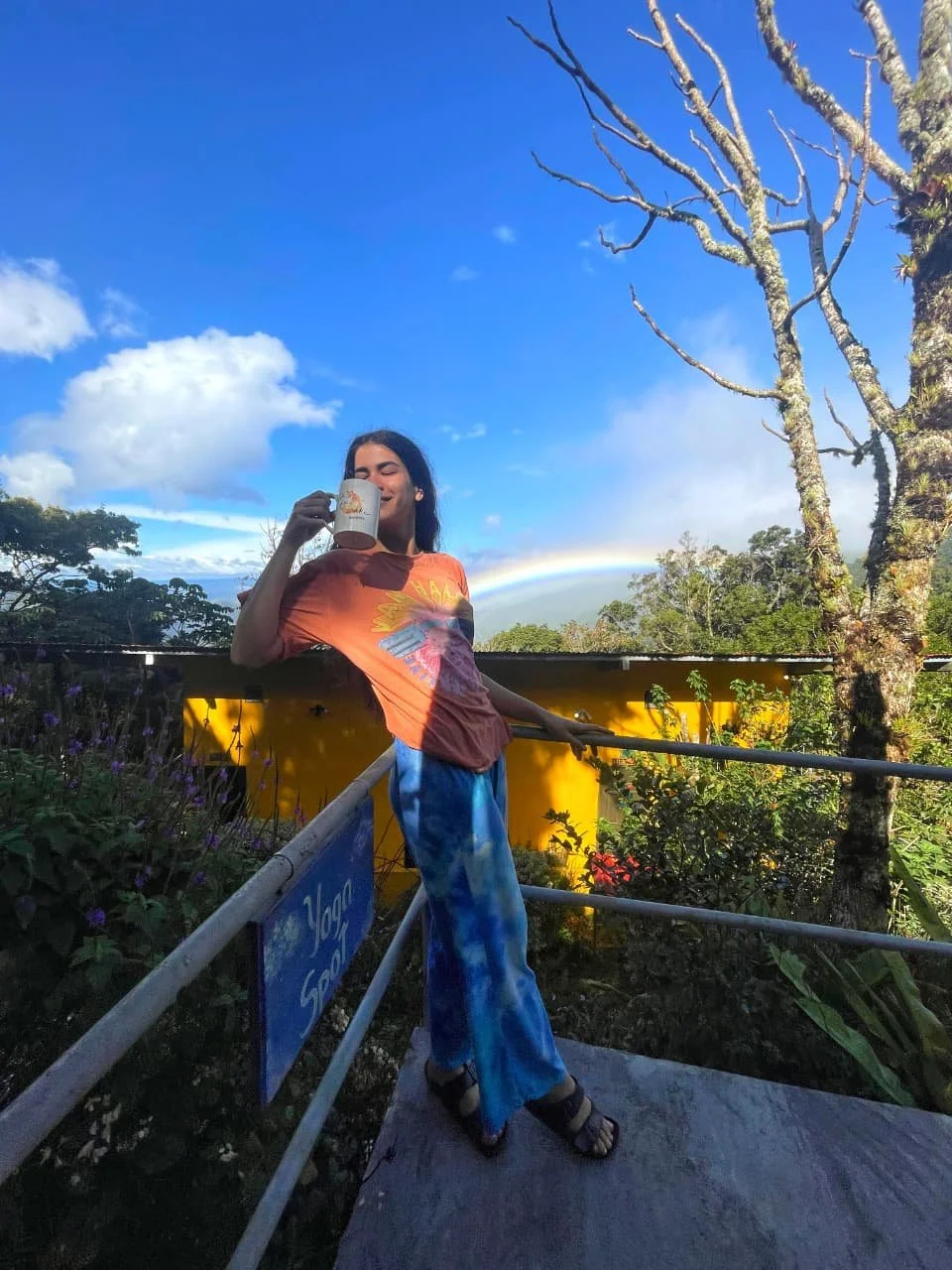
Hidden high in the mountains of Veraguas Province lies one of the strangest and most beautiful landscapes in all of Panama. This is La Yeguada, a cool volcanic highland region filled with pine forests, crater lakes, mist covered hills, rivers, waterfalls, and isolated mountain roads that feel unlike almost anywhere else in Panama.
Most travelers visiting Panama imagine humid jungle, tropical beaches, palm trees, and intense heat. La Yeguada completely disrupts that image. The region often feels more like a mountain landscape from another continent. The air becomes noticeably cooler. Pine trees cover the hillsides. Fog drifts through the forests in the early morning. Temperatures can become surprisingly cold at night, especially during rainy periods or at higher elevations.
For many Panamanians, La Yeguada is a beloved mountain escape. For travelers and geographers, it is one of the most fascinating hidden landscapes in the country because it combines volcanic geology, cloud forest ecology, cool mountain climate, freshwater systems, and one of the most visually unusual environments in Panama.
The centerpiece of the region is the stunning Laguna de La Yeguada, a volcanic crater lake surrounded by forests and mountains. The lake sits at high elevation within the remnants of ancient volcanic activity that shaped this part of Veraguas millions of years ago. The result is a landscape of rolling volcanic terrain, fertile soils, steep valleys, and cool misty ridges.
The lake itself changes personality constantly depending on weather and light. On calm mornings, the surface can become mirror smooth beneath drifting fog and pine covered hills. During rainy afternoons, clouds descend low over the water while wind ripples the lake beneath dark mountain skies. At sunset, when conditions clear, the reflections can become spectacular.
One of the reasons travelers fall in love with La Yeguada is the atmosphere. It feels isolated and mysterious. The roads wind through forests and mountain valleys where mist hangs in the trees and temperatures remain cool even while much of lowland Panama bakes in tropical heat.
The pine forests are especially fascinating because they feel so unexpected. Panama is not normally associated with extensive pine landscapes, yet La Yeguada contains large areas of Caribbean pine planted decades ago as part of reforestation projects. These forests transformed the appearance of the region and created scenery that feels dramatically different from the tropical rainforest environments found elsewhere in the country.
Driving through these forests can feel surreal. Tall pines rise beside mountain roads while cool wind moves through the needles creating a soft whispering sound. The smell changes too. Instead of humid lowland jungle scents, the air often smells of pine resin, wet earth, and mountain rain.
The climate of La Yeguada is one of its greatest attractions. Because of the elevation, temperatures remain cooler throughout the year than in most parts of Panama. Nights can become genuinely chilly, particularly during the rainy season. Fog frequently rolls across the hills during mornings and evenings, giving the entire region an atmospheric almost dreamlike quality.
Rainfall is abundant. Storms move through the mountains quickly, drenching forests and feeding rivers that descend through the surrounding valleys. The constant moisture supports lush vegetation beyond the pine forests, including mosses, ferns, orchids, bromeliads, and cloud forest plants thriving in the cooler mountain conditions.
The biodiversity around La Yeguada is impressive. Birdwatchers especially enjoy the area because the forests support a wide range of species. Hawks circle above valleys while hummingbirds move through flowering plants near forest edges. Smaller mountain birds call from the misty trees while owls and nocturnal creatures emerge after dark.
At night, La Yeguada becomes incredibly atmospheric. The combination of cool temperatures, darkness, mountain fog, and forest sounds creates an environment completely different from coastal Panama. Frogs call from streams and wet areas while insects create a constant background chorus beneath the wind moving through the pines.
The region also contains rivers, streams, and waterfalls scattered throughout the mountains. Some waterfalls are easily accessible while others require hikes through muddy trails and forested hills. During the rainy season these cascades become especially powerful, roaring through volcanic valleys surrounded by dense vegetation.
Camping is one of the classic experiences at La Yeguada. Many visitors come specifically to spend nights beside the lake or within the surrounding forests. Campfires, cold mountain air, drifting fog, and star filled skies create an atmosphere that feels almost impossible to find elsewhere in Panama.
The stars can be extraordinary on clear nights. Because the region remains relatively isolated from large cities, light pollution is low in many areas. When clouds clear, the night sky above the volcanic highlands becomes intensely bright and detailed.
The geography of La Yeguada is deeply tied to Panama’s volcanic history. Millions of years ago, volcanic activity shaped the mountains and crater systems throughout the region. The lake itself occupies part of an ancient volcanic crater structure. The surrounding terrain, soils, and hydrology all reflect these geological origins.
For geographers, La Yeguada is fascinating because it demonstrates how elevation and geology can completely transform tropical environments. The region combines volcanic landscapes, cool mountain climate, freshwater systems, cloud forest ecology, and planted pine forests into one of the most environmentally unique places in Panama.
How to Get to La Yeguada by Car
Driving is by far the easiest and most flexible way to reach La Yeguada.
Most travelers begin from Santiago, the main transportation hub of central Panama. From Santiago, travelers drive toward the mountain town of Calobre, which serves as the gateway to La Yeguada.
The route from Santiago to Calobre is paved and relatively straightforward. The drive passes through rolling hills, small rural communities, cattle fields, and increasingly mountainous terrain. Once reaching Calobre, the journey becomes more adventurous.
From Calobre, the road climbs into the mountains toward La Yeguada. Parts of this road may be rough, potholed, muddy, or steep depending on weather conditions and maintenance. During the rainy season, sections can become slippery and challenging, especially for smaller vehicles.
A higher clearance vehicle is helpful but not always absolutely necessary in dry conditions. However, after heavy rain, road conditions can deteriorate quickly. Drivers should proceed cautiously because fog, mud, and occasional landslides can affect visibility and traction.
The drive itself is beautiful. The landscape gradually transforms from rural farmland into cooler mountain forest. Pine trees begin appearing along the roadside while valleys open dramatically beneath the surrounding hills.
Travel times vary depending on road conditions, but from Santiago to La Yeguada generally takes around two to three hours by car.
From Panama City, the drive usually takes approximately five to six hours depending on traffic and weather. Travelers follow the Inter-American Highway westward toward Santiago before continuing to Calobre and the mountain roads beyond.
Many travelers recommend arriving before dark, especially for first visits. Fog, mountain curves, potholes, and limited lighting can make nighttime driving difficult.
How to Get to La Yeguada by Bus
Reaching La Yeguada by public transportation is absolutely possible, although it requires more patience and flexibility.
The first step is reaching Santiago, which is easy from most major parts of Panama. Frequent long distance buses connect Panama City with Santiago through the central terminal at Albrook Bus Terminal. These buses are comfortable, affordable, and run regularly throughout the day.
Once in Santiago, travelers need to take a regional bus toward Calobre. These buses are smaller and operate less frequently than the main intercity routes. Schedules can vary, especially on weekends or holidays.
After arriving in Calobre, transportation becomes more complicated. Some local buses or pickup trucks continue toward La Yeguada, but service may be infrequent and highly dependent on local conditions. In some cases travelers hire local transport, catch rides with residents, or arrange transportation through accommodations.
Because of the remoteness, travelers using public transportation should plan carefully and avoid arriving too late in the day. Mountain weather and limited transportation schedules can make same day connections difficult.
Many backpackers and budget travelers still choose the bus route because the journey itself becomes part of the adventure. Traveling through rural Veraguas offers a glimpse into a quieter and less touristy side of Panama rarely seen by international visitors.
What Travelers Should Expect
La Yeguada is not a luxury destination. Travelers should expect simplicity, mountain weather, and rustic conditions.
Rain is common, especially during the wet season. Muddy trails, cold nights, and sudden weather changes are normal. Warm clothing is surprisingly important because temperatures can feel cold at night, particularly for people accustomed to tropical lowland heat.
Internet and phone service may be unreliable in certain areas. Electricity and infrastructure can feel limited compared to urban Panama. But these limitations are also part of the region’s charm.
People visit La Yeguada for nature, quiet, camping, hiking, photography, cool weather, waterfalls, and the feeling of escaping modern intensity.
One of the most fascinating things about La Yeguada is how emotionally different it feels from the rest of Panama. The cooler climate, volcanic scenery, pine forests, and mountain silence create an atmosphere almost unlike anywhere else in the country.
It is a place where travelers wake up to fog drifting across crater lakes, spend afternoons exploring waterfalls and mountain roads, and fall asleep beneath cold misty skies surrounded by forests whispering in the wind.
For many visitors, La Yeguada does not feel like the Panama they expected.
And that is exactly why they love it.